

Annapurna Base Camp Trek

Trip Type
Trekking In Nepal

Accomodation
Tea House

Destination
Nepal

Start Point
Kathmandu

Region
Annapurna Region

Duration
12 Days
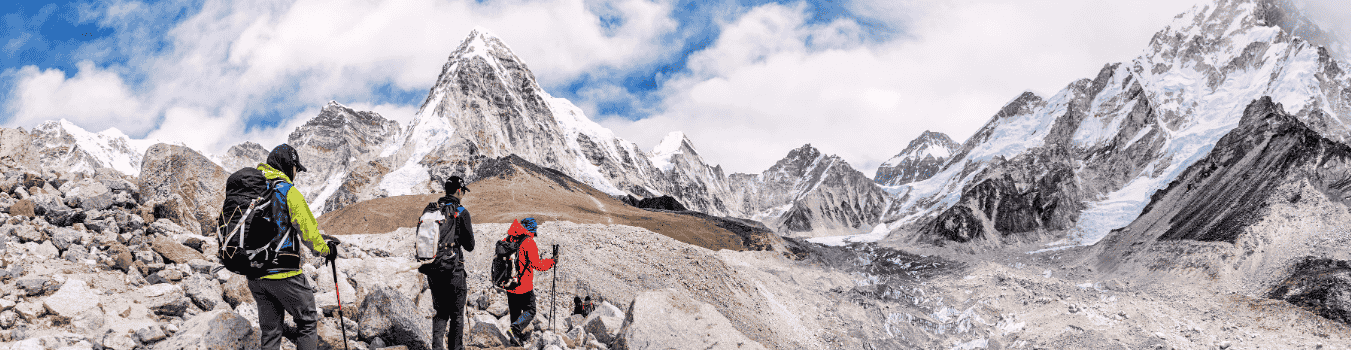
The Annapurna Base Camp Trek in Nepal is one of the most breathtaking trekking adventures, taking you to the foot of Mount Annapurna (8,091m)—the world’s 10th highest peak. This trek offers a perfect blend of natural beauty, cultural experience, and adventure, making it a must-do for trekkers seeking a rewarding Himalayan journey.
The Annapurna Base Camp trek meanders through lush rhododendron forests, terraced farmlands, and picturesque rice paddies, with every step offering spectacular mountain vistas. The trail is a gateway to an extraordinary experience, where trekkers are rewarded not just with jaw-dropping views of towering peaks like Annapurna I, Machhapuchhre (Fishtail), and Hiunchuli, but also the chance to immerse in the vibrant local culture.
You will pass through traditional Gurung and Magar villages, Buddhist shrines, and ancient Gumbas, gaining a deeper appreciation for Nepalese life and customs. Whether it’s savoring nourishing local meals or marveling at the breathtaking Annapurna Sanctuary, the journey to Annapurna Base Camp is an unforgettable blend of adventure, serenity, and cultural exploration.
Best Time for Annapurna Base Camp Trek
The weather plays a vital role in your ABC trekking experience. Here's a seasonal breakdown:
- Spring (March-May): Clear skies, blooming rhododendrons, and mild temperatures.
- Autumn (Sept-Nov): Peak season with stable weather and crystal-clear mountain views.
- Winter (Dec-Feb): Cold but less crowded, perfect for those who love snow-covered landscapes.
- Monsoon (June-Aug): Lush green trails but wet and slippery paths.
Comparing Annapurna with Other Treks
Annapurna Base Camp Trek in Nepal offers a unique blend of scenic beauty, cultural encounters, and moderate adventure. Unlike the high-altitude challenge of the top Everest Base Camp Trek, Annapurna provides a more gradual ascent with diverse landscapes. If you seek off-the-beaten-path solitude, the Makalu Base Camp Trek is a rugged alternative, while the Langtang Valley Trek is perfect for those short on time but eager for Himalayan views.
For turquoise lakes and breathtaking glaciers, the Gokyo Lakes Trek stands out, whereas the Mardi Himal Trek offers a quieter yet stunning ridge walk. Meanwhile, the Upper Mustang Trek unveils a mystical, barren landscape with deep Tibetan influence.
Why Choose Nepal Outdoor Expeditions For ABC Trek?
Nepal Outdoor Expeditions is your trusted partner for an unforgettable journey. Our experienced local guides ensure safety and an immersive cultural experience, while our well-planned itineraries balance adventure and comfort. From responsible trekking practices to personalized service, we focus on delivering authentic Himalayan adventures.
Whether you're a first-time trekker or a seasoned hiker, our team is here to make your journey smooth, safe, and memorable.
How much does Annapurna Base Camp Trek cost?
The cost of the Annapurna Base Camp Trek depends on your itinerary, trek duration, and services included. Generally, the price covers permits, guide/porter fees, accommodation, and meals.
Packing Essentials/ ABC Trek Equipments
- Clothing: Moisture-wicking layers, insulated jackets, waterproof gear
- Gear: Trekking poles, sleeping bag, headlamp, sturdy boots
- Accessories: Sunglasses, sunscreen, hydration system, personal first aid kit
Highlights of the Annapurna Base Camp Trek
- Panoramic views of Annapurna I, Machapuchhre, Dhaulagiri, and Hiunchuli
- Diverse landscapes – lush forests, terraced fields, and high-altitude glaciers
- Rich cultural experience with Gurung & Magar villages along the route
- Natural hot springs at Jhinu Danda – the perfect post-trek relaxation
- Well-equipped tea houses & lodges for a comfortable trekking experience
Short Itinerary ( 12 days )
Upon arrival in Kathmandu, you will be greeted and transferred to your hotel. Take some time to rest and acclimatize. If you have energy, explore the vibrant streets of Thamel, sampling local cuisine and soaking in the rich culture.
After breakfast, check out and embark on a scenic drive to Pokhara, lasting approximately 6-7 hours. Enjoy breathtaking views of the countryside and the majestic Himalayas along the way. Arrive in Pokhara and spend the afternoon relaxing by the lakeside.
Depart from Pokhara with a drive to Nayapul, then begin your trek to Tikhedhunga. This is where the real adventure begins! The trek lasts about 4-5 hours, passing through charming villages and lush landscapes. Arrive in Tikhedhunga and settle into your accommodation.
Begin your trek to Ghorepani, a popular checkpoint known for its panoramic views. The trek will take approximately 5-6 hours, where you will ascend through beautiful rhododendron forests and terraced fields. Arrive at your guesthouse and enjoy the stunning mountain vistas.
Rise early for a hike to Poon Hill to catch the breathtaking sunrise over the Annapurna range. Return to Ghorepani for breakfast before trekking to Tadapani. This journey takes about 6-7 hours, with diverse landscapes and a descent back into the enchanting forests.
Today’s trek to Sinuwa takes around 6-7 hours. You will pass through traditional villages like Chomrong and Bamboo, soaking in the stunning mountain views and local culture. Arrive in Sinuwa and enjoy the peaceful surroundings.
Set out on a 6-hour trek to Deurali. The trail winds through breathtaking landscapes, leading you higher into the Annapurna region. Upon arrival, you’ll stay overnight at a local guesthouse, surrounded by stunning mountain scenery.
Prepare for a thrilling trek to Annapurna Base Camp, which takes about 6-7 hours. This route is favored by adventurers for its challenges and rewards. Upon reaching ABC, take in the incredible 360-degree views of the majestic peaks surrounding you.
Begin your descent from ABC to Bamboo, a perfect resting spot for trekkers. This trek takes approximately 6-7 hours as you navigate the scenic trail, descending through lush forests. Enjoy the serene atmosphere and stay overnight at Bamboo.
Trek to Jhinu Danda, famous for its natural hot springs. This journey takes around 4-5 hours through beautiful forests. After a long trek, relax in the hot springs and enjoy the surrounding nature.
Today, trek back to Syauli Bazar, which will take about 3-4 hours. Once you reach Syauli Bazar, you’ll drive back to Pokhara. Spend the evening exploring the city or simply relaxing at your hotel.
After breakfast, check out from your hotel and take a scenic drive back to Kathmandu. Once you arrive, you can explore the city or relax before heading to Tribhuvan International Airport for your departure. Take with you unforgettable memories of your trekking adventure in Nepal.
Cost Includes
-
Arrival and Departure Transport
-
Accomodation in Kathmandu, and Pokhara
-
Trekking Gear
-
Meals During Trekking
-
Guide and Porters Fees
-
Permit and TIMS card
-
Additional cost (Hot shower, Battery Charging, wi-fi, snacks and drinks)
Cost Excludes
-
Meals in Kathmandu
-
Cost of an international flight is not included.
-
Your personal gear cost is not included.
-
Your personal expenses are not included.
-
Tips for guides and porters are not included.
Trip FAQS
More Trip Informations
Culture Insights and Local Experience
You can explore and connect to the diverse ethnic community of Annapurna region. The culture and tradition gives you the spiritual connection, peace of the trek. There are mostly Gurung, Magar, Thakalis, Lobas and Mananges communities.
Gurung and Magar are located in the southern part of the region and known for their lively tradition, folk dances, and warm hospitality. Likewise Thakalis,Lobas and Mananges are located in the northern part of the region. They are very much influenced by Tibetan culture and they present unique architecture, manastries and language.
Eco-Friendly & Responsible Trekking
As a responsible traveler, help preserve the Annapurna Conservation Area by:
- Minimizing plastic use – carry a reusable bottle
- Staying in eco-friendly tea houses
- Respecting local culture & wildlife

Reviews