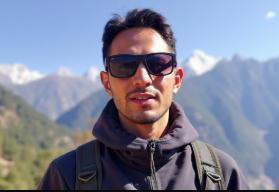
The Everest Base Camp Chola Pass Gokyo Trek is one of those journeys that quietly takes hold of you. You begin at Lukla and head into the Khumbu area, and almost instantly, you feel out of this world. You are surrounded by snow-capped mountains, rivers that run according to their own time, and somehow, you are shoe-shoeing through rhododendron woods, which, under certain conditions, turn a deep shade of purple.
The days have a rhythm to them, with some easy walks through villages and some breathless scenery along rugged trails. And over Cho La Pass, that is the kind of high you never forget. The Gokyo Lakes, turquoise, sacred, and unreal, stop you more than once, urging you to slow down and take it all in.
But it’s not just about the scenery. Along the route, you encounter Sherpa communities whose lives seem inseparable from the mountains. Namche Bazaar is full of markets, prayer flags flying in the breeze, and somewhere nearby, Tengboche Monastery looms silently, as though it has been waiting to offer you a warm welcome.
And there, too, when everything is quiet, at a certain part of the path perhaps, you might see a snow leopard, or at least think you do. The Ngozumpa Glacier stretches endlessly around Gokyo, and the contrast between glacial ice, turquoise lakes, and alpine meadows turns each step into a small revelation.
The rewards are more than apparent. Everest, Lhotse, Makalu, and Cho Oyu may grab the headlines, but the real magic lies in those unplanned moments: standing above a frozen stream, sitting in a teahouse with hot, delicious butter tea, reaching Gokyo Ri itself, or finding yourself atop Cho La Pass.
The hike demands something of you: physical fitness, patience, perhaps even modesty. But it pays back in shillings of a different kind, stories, memories, and that lingering sense of strangeness, of something deeply imprinted on you by the mountains. Frankly, it feels like one of those journeys you will remember years later with a smile on your face and a slight shortness of breath.
Best Time For Everest Base Camp, Chola Pass, Gokyo Trek
Dreaming about the Everest Base Camp Chola Pass Gokyo Trek, timing is nearly as important as fitness. There is no bad time to visit the Himalayas; however, each season has a personality of its own, its peaks, peculiarities, and the challenges it presents to trekkers. Choosing the right window can make a significant difference in what you see, how comfortable you feel, and how much adventure the trek offers.
Spring (March–May): Weather, Views, and Vibe Are the Best
It is generally believed that the Everest Base Camp Chola Pass Gokyo Trek is best experienced during spring, and it is easy to understand why. The Himalayas begin to wake up during these months after winter.
Daytime temperatures in the lower sections of the trek, such as Lukla and Namche Bazaar, are warm, usually between 10–20°C. Higher altitudes, such as Gokyo Ri, Cho La Pass, and Everest Base Camp, are colder, with temperatures ranging from around -5°C to 10°C. Nights can be very chilly at higher elevations, especially near the pass and Base Camp, where temperatures often drop well below freezing.
Rhododendrons and wildflowers color the trails in spring with splashes of red, pink, and white, making the trek feel alive. Days are usually clear, and the weather is stable, offering memorable panoramic views of Everest, Lhotse, Cho Oyu, and Makalu. It is an ideal time of year for photographers and hikers who prefer the classic Himalayan look of snow-capped summits under deep blue skies.
Challenges in spring mainly involve crowds and altitude. Since the weather is consistently favorable, trails and teahouses between Lukla, Namche, and Everest Base Camp are more crowded than in any other season. Booking permits and accommodation in advance is essential. Proper acclimatization is equally important, and spending one or two rest days at Namche and Gokyo helps reduce the risk of altitude sickness. Packing layers that handle warm days and extremely cold nights is necessary.
Tips for Spring:
• Flights, permits, and teahouses should be booked well in advance.
• Early-morning climbs are recommended for clearer skies before clouds build up.
• Wear multiple layers for temperature variation and carry sunscreen for intense, high-altitude sunlight.
Summer / Monsoon (June–August): Lush Valleys, Increased Risks
In Nepal, summer coincides with the monsoon season. Rainfall is heavy, especially in June and August, and although the Khumbu region lies partly in a rain shadow, showers are still common.
Trails around Namche can become muddy and slippery during this season, and rivers may swell, making crossings more difficult. Visibility is often reduced, and the dramatic mountain views seen in spring are frequently hidden behind clouds.
Daytime temperatures at lower altitudes range from 15–22°C. Higher up, near Gokyo and Cho La Pass, daytime temperatures are cooler, usually between 5–12°C, while nights can drop to as low as -15°C.
Persistent dampness causes clouds and fog to linger, concealing the peaks trekkers work hard to reach.
On the positive side, the monsoon season brings fewer trekkers, lush green valleys, cascading waterfalls, and a sense of solitude rarely found during peak seasons. However, the challenges are real: slippery paths, leeches near streams, flight delays or cancellations to and from Lukla, and a higher risk of landslides in lower areas.
Most guides do not recommend completing the full Cho La Pass route during this season unless you are an experienced trekker who enjoys rain and has high-quality waterproof gear.
Tips for Monsoon:
• Carry high-quality rain gear, including waterproof layers and a backpack cover.
• Use trekking boots with a strong grip for mud and wet rocks.
• Be prepared for limited views and potential delays.
Autumn (September–November): The Classic Trekking Season
If Everest trekking had a golden period, this would be it. Once the monsoon rains clear in September, skies open up, the air turns crisp, and long-distance mountain views become exceptional. Daytime temperatures in lower regions generally range between 10–20°C.
Autumn clarity makes mountains, glaciers, and lakes appear strikingly sharp and vivid. Trails are dry, firm, and easier to navigate, which is especially important when crossing Cho La Pass. The season also coincides with village festivals, adding cultural richness to the journey.
The main drawback is popularity. Autumn is peak trekking season, meaning teahouses fill quickly and flights to Lukla are often booked far in advance. Early planning is essential. Still, for those seeking unmatched views and stable weather, autumn delivers fully.
Tips for Autumn:
• Book flights and teahouses several months ahead.
• Carry layers, as cool mornings and warm midday sun can feel like two seasons in one day.
• Take time to experience village festivals along the trail for cultural enrichment.
Winter (December–February): Winter Trails and Beautiful Stillness
Winter is the off-season for trekking, but it is not entirely off-limits. Daytime temperatures at lower altitudes, such as Lukla and Namche, are cold but manageable. At higher elevations, including Gokyo Lakes and Everest Base Camp, temperatures drop well below freezing, often reaching -15°C or colder at night. Snow is common even on main trails, and Cho La Pass can become extremely challenging or impassable without technical equipment like crampons.
What winter lacks in comfort, it makes up for in solitude. Trails are quiet, teahouses see fewer visitors, and with proper preparation, the mountain scenery appears sharp and dramatic in the clear winter air. However, many lodges in the Gokyo region and near high passes reduce services or close entirely during deep winter, making planning and flexibility essential.
The main challenges include extreme cold, snow-covered trails, and stronger wind effects at altitude. Proper winter gear is critical, including insulated layers, windproof clothing, and snow travel equipment. This season is best suited for experienced trekkers with prior winter trekking experience.
Tips for Winter:
• Pack warm, insulated clothing, including down jackets and gloves.
• Carry crampons and gaiters for icy sections.
• Expect reduced facilities and plan extra rest days.
Everest Base Camp Chola Pass Gokyo Trek Challenge and Adventure Overview
The Everest Base Camp Chola Pass Gokyo Trek is not a casual Himalayan walk but a true high-altitude adventure that challenges both body and mind. Spanning roughly 15–20 days, it traverses the Khumbu region, with many days spent above 4,000 meters, involving technical sections and sustained physical effort.
Cho La Pass, standing at 5,420 meters, is higher than Everest Base Camp itself at 5,364 meters, offering an early indication of the challenge ahead. With proper fitness, hiking experience, and respectful acclimatization, the trek is achievable, but it is far from easy. Cardio training, stair climbing, and practice hikes are invaluable preparation. Expect cumulative fatigue, occasional headaches, and the need for constant awareness of altitude-related symptoms.
Difficulty Rating
This trek falls between moderate and strenuous. Most days involve steady ascents lasting 5–7 hours, often on loose rock or glacial moraine. Certain days, especially the Cho La Pass crossing, can stretch to 9–10 hours. Altitude adds an invisible weight to every step, making even gentle climbs feel demanding.
Expect steep ascents, snowy scrambles, and tricky descents. Progress is not about speed but about pacing, hydration, and listening to your body. For many trekkers, the first experience with high altitude can be humbling, particularly on Cho La Pass or during ascents like Gokyo Ri. Yet the views of Everest, Lhotse, and the Ngozumpa Glacier make the effort unforgettable.
Daily Walking Times
Most days involve 5–7 hours of trekking, typically starting around 7–8 AM when the air is calm and visibility is best. On certain days, very early starts are necessary to avoid afternoon winds or softened snow. Distance alone is not the main challenge; altitude, steep switchbacks, and rocky or icy terrain add to the difficulty. For reference:
Lukla to Namche: ~6–7 hours
Namche to Dole: ~6 hours
Cho La Pass crossing: 9–10 hours
Kala Patthar side trip: 4–5 hours
Trekkers are encouraged to move slowly, take breaks, and absorb the surroundings. This is not a race; the trail rewards patience and awareness.
Physical Challenges
Altitude and AMS: Above 4,500 meters in elevation, thin air makes every step heavier. Headaches, nausea, and fatigue can appear suddenly. Rest days at Namche and Gokyo are crucial, and paying attention to warning signs such as dizziness or breathlessness helps prevent serious altitude illness.
Technical Terrain: Cho La Pass includes icy scrambles, moraine fields, and steep ridges. Glacial trails like the Ngozumpa can strain ankles and knees, while ascents such as Gokyo Ri or Kala Patthar test cardiovascular endurance. Trekking poles, crampons, and sturdy boots are highly recommended.
Perseverance: Over 18–20 days, daily elevation gains of 500–1,000 meters are common. Nights can drop to -10°C, days are often windy, and UV exposure is intense. Proper layering, sun protection, and hydration are essential.
Weather Risks: Snow, ice, and afternoon cloud build-up are frequent, particularly around Cho La Pass. Flexible planning, early starts, and constant weather awareness are vital. Pre-trek training that includes cardio, loaded hikes, and stair climbing for 3–6 months beforehand can make a significant difference.


.png)