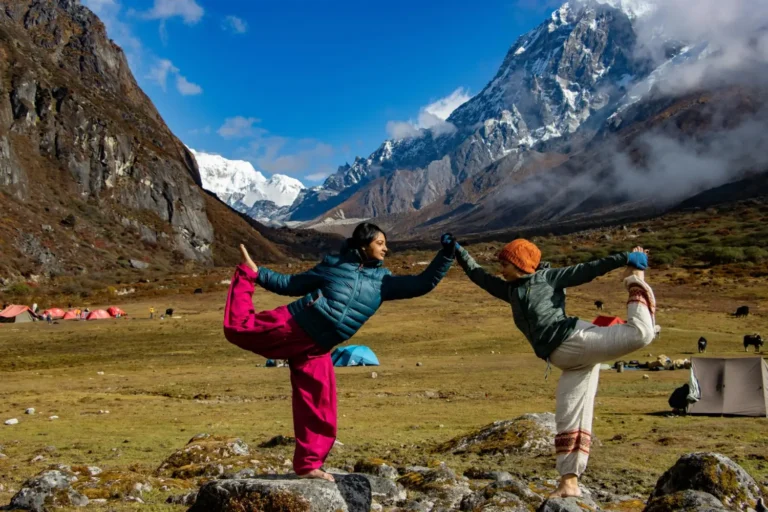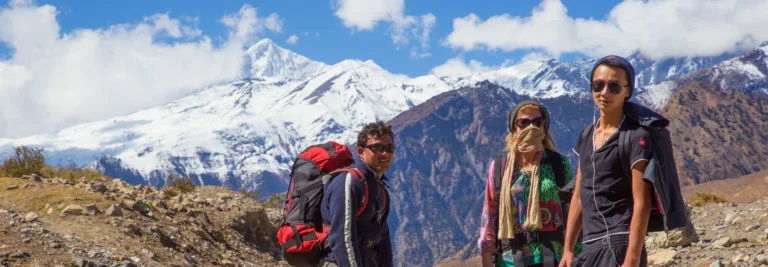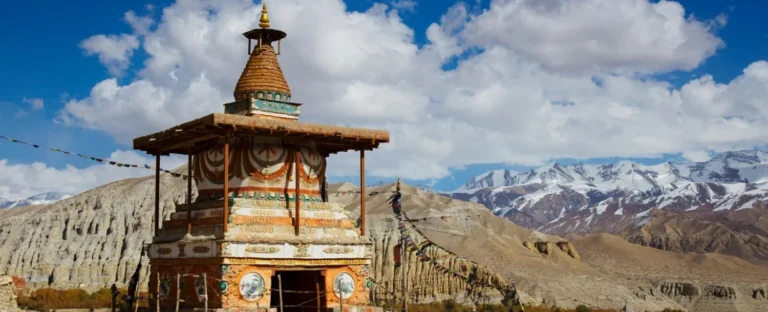
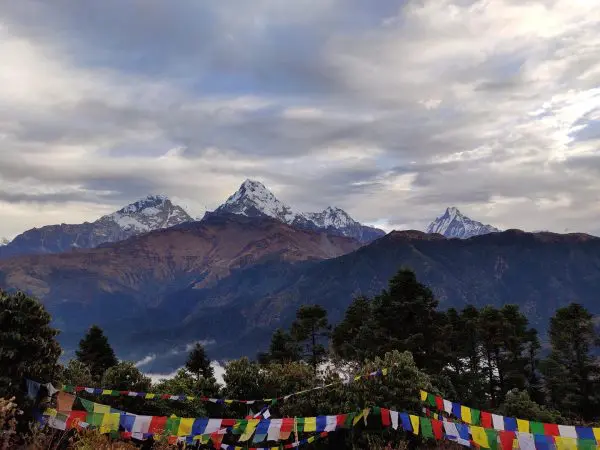
The Ghorepani Poon Hill Sunrise Trek is one of the few Himalayan expeditions that offer incredible mountain views in a short amount of time. This hiking route is a popular choice among international travelers because it is picturesque, diverse, beginner-friendly, and can be completed in just a few days.
The highlight is the sunrise at Poon Hill, where the mountains glow in pink and golden hues as the sun rises over the Annapurna and Dhaulagiri ranges. This unforgettable sight draws visitors from around the world.
This short trek feels surprisingly fulfilling, with the warmth of village tea houses, stone stairways, beautiful forests, and sweeping Himalayan landscapes. Whether it’s the sound of waterfalls or a cheerful “Namaste” from village children, each day brings something fresh and memorable.
Quick Facts
-
Region: Annapurna Region, Gandaki Province, Nepal
-
Trip Duration: 3 to 5 days (depending on pace and route)
-
Best Months: March-May and September-November
-
Max Elevation: 3,210 meters (Poon Hill viewpoint)
-
Difficulty Level: Easy to Moderate
-
Key Attractions: Rhododendron forests, Magar and Gurung villages, panoramic Himalayan sunrise, Annapurna and Dhaulagiri range
What Makes the Ghorepani Poon Hill Sunrise Trek Special?
The trek has long been known as an excellent option for beginners with no prior trekking experience. The mountain views it offers would take weeks to reach on many other Himalayan routes. Travelers appreciate this trek for its convenience and the following benefits:
- Stunning sunrise over the Himalayan peaks: Annapurna South, Machhapuchhre, Hiunchuli, and Dhaulagiri glow beautifully in the first light of day. It is one of the best places in Nepal for photography because the panoramas feel endless.
- A short yet diverse trekking experience: Within a few days, you will walk along stone staircases, streams, mountain ridges, rhododendron forests, and through Gurung and Magar villages.
- Perfect for beginners: The trail is well-maintained, safe, and lined with family-run tea houses. No previous trekking experience is required.
- Accessible from Pokhara: It is ideal when time is limited because the trek can begin just a few hours after arriving in Pokhara.
- Cultural highlights: By passing through villages such as Ghorepani, Ghandruk, Ulleri, and Tikhedhunga, you can experience Gurung and Magar culture, hospitality, and local food.
Best Time for the Ghorepani Poon Hill Sunrise Trek
Each season offers something unique, and understanding the weather conditions helps in planning the trip with confidence.
- Spring (March to May): Spring is one of the most pleasant times to hike this trail. Rhododendrons bloom in bright red, pink, and white, creating beautiful scenery throughout the route. The weather is mild, and the mountain views are clear.
- Autumn (September to November): This is the peak trekking season. The sunrise views from Poon Hill are very clear, and the air is crisp with bright blue skies. Trekkers from around the world fill the region.
- Winter (December to February): Snow and clear skies make the trail calm and scenic, though temperatures drop in the early mornings and evenings. It is an excellent season for those who prefer quieter routes.
- Monsoon (June to August): Trails can be slippery, and clouds often reduce visibility. However, the forests become lush and vibrant, which attracts trekkers who enjoy solitude and greenery. Bring proper rain gear and protection against leeches.
Trek Insights
How to Reach the Location
Pokhara, a lakeside town about 200 km from Kathmandu, is where most trekkers begin. It is easily accessible.
Flight from Kathmandu: about 25 to 30 minutes
Tourist Bus: 6 to 8 hours, depending on traffic
Private Vehicle or Jeep: 5 to 7 hours
After arriving in Pokhara, the trek can start from Nayapul, Hille, or Ulleri. These places are about 1 to 2 hours by car from Lakeside. Some trekkers prefer to begin from Ghandruk for an alternative route. The condition of the roads varies and can be paved or unpaved.
Transportation Options
Local buses: Affordable but slow and often crowded.
Shared jeeps: Faster and more comfortable, but carry multiple passengers.
Private car or jeep: Best for families, groups, or those who want flexibility.
Flights: Kathmandu to Pokhara flights save time.
Once on the trail, the only mode of travel is walking. Paths are clean and well-marked.
Accommodation
Most accommodations along the Poon Hill route are tea houses, which are basic mountain lodges operated by local families. Rooms generally include:
-
Two beds
-
Warm blankets
-
Shared bathrooms
Tea houses have dining rooms heated by wood- or gas-stoves. Most offer charging, hot showers (for an extra fee), and simple services. Menus usually feature dal bhat, noodles, soups, fried rice, pasta, omelets, pancakes, and local dishes. Winter evenings feel cozy in heated dining halls where trekkers chat, play cards, and enjoy tea while listening to the quiet evening breeze.
Packing Essentials
The trek is short and does not require extensive gear, but some essentials make the journey more comfortable:
-
Lightweight trekking shoes with good grip
-
Warm layers for cool mornings and evenings
-
A fleece or down jacket
-
Trekking poles for the long stone steps
-
Reusable water bottle and purification tablets
-
Raincoat or warm outer layer, especially in summer
-
Hat and gloves for the early morning hike to Poon Hill
-
Sunglasses
-
Headlamp for the pre-dawn climb
-
A basic first aid kit
Ideally, your backpack should not exceed 8-10 kg. This makes walking easier, especially without a porter.
Estimated Costs (Packages)
Prices depend on the season, comfort level, and whether you hire guides or porters.
-
Budget Trip (self-guided): $150 to $250
-
Guide and Porter: $300 to $450
-
Pokhara All-Inclusive Package: $350 to $600
-
All-Inclusive Package: $500 to $800
Food prices increase slightly with elevation, but tea house rates are generally reasonable.
Permits
Two permits are required:
-
TIMS Card (Trekkers’ Information Management System)
-
ACAP Entry Permit (Annapurna Conservation Area Permit)
These can be arranged in either Kathmandu or Pokhara. Most trekking packages include permit processing.
Travel Experience
Scenery and Nature
The natural landscape changes constantly throughout the Ghorepani Poon Hill Trek. The trail begins with farmlands, rice terraces, and paddies tended by local farmers. As you ascend, the path leads into forests filled with rhododendron, oak, and magnolia. In spring, rhododendrons bloom in brilliant shades of red, pink, and white, forming colorful corridors.
Birdsong, flowing streams, and small waterfalls create a peaceful atmosphere. Near Ghorepani, mountain views open up and the air becomes fresh and cool.
At 3,210 meters, Poon Hill offers one of the best viewpoints of the Annapurna massif. At dawn, the peaks of Dhaulagiri, Annapurna I, Annapurna South, Hiunchuli, and Machhapuchhre appear breathtaking as they catch the first light of the day.
Culture and Local Life
The region is home to two ethnic groups: the Gurung people, mainly around Ghandruk, and the Magar people, mostly around Ghorepani. Their warm hospitality, cultural traditions, and connection to the British and Indian Gurkha armies are well known.
Tibetan prayer flags flutter above stone-built houses, and villagers carry baskets supported by a forehead strap called a “namlo.” The pace of life is slow and peaceful, and friendly greetings of “Namaste” are common.
Ghandruk is especially rich in culture. The village has a museum showcasing Gurung history through tools, clothing, household items, and traditional weapons.
Spiritual and Historical Sites
Along the trail, small shrines, Buddhist mani walls, and colorful prayer wheels create a spiritual atmosphere. Several villages have old monasteries where monks chant early in the morning or in the evening, offering moments of quiet reflection.
Trekking Challenges
Although considered one of the easier treks in Nepal, a few challenges exist:
-
The Ulleri staircase, with nearly 3,000 steps, can be exhausting.
-
Weather conditions can change suddenly, especially in the monsoon or winter.
-
Poon Hill is very cold before sunrise.
-
Long stone steps can be hard on the knees, so trekking poles help.
Most trekkers manage the route well by keeping a steady pace and maintaining basic fitness. The gradual ascent also supports comfortable acclimatization.
Suggested Itinerary
Day 1: Pokhara to Nayapul to Ulleri (1960 m)
Drive from Pokhara to Nayapul, then walk past Birethanti and toward Hille. The climb becomes steeper as you approach Ulleri, known for its long stone staircase. Overnight in Ulleri, where tea houses and views are excellent.
Day 2: Ulleri to Ghorepani (2860 m)
Walk through forests filled with spring flowers, moss-covered stones, and birdsong. Cross small streams and pass through villages before the final climb to Ghorepani. The village is lively and colorful, making it a pleasant overnight stop.
Day 3: Ghorepani to Poon Hill (3210 m) to Tadapani (2630 m)
Start early for the sunrise viewpoint at Poon Hill. The first golden light on Annapurna and Dhaulagiri is the highlight of the trek. Return to Ghorepani for breakfast, then continue toward Tadapani along forested ridges with beautiful views.
Day 4: Tadapani to Ghandruk to Pokhara
Walk down to Ghandruk, one of the most scenic Gurung villages. Explore its stone pathways, cultural museum, and mountain viewpoints. Then take a jeep back to Pokhara to end the trek.
Tips and Recommendations
-
Begin early each day to avoid afternoon clouds.
-
Carry enough cash because there are no ATMs on the trail.
-
Stay hydrated and take short breaks to manage the ascent.
-
Respect local customs and ask permission before photographing people.
-
At Poon Hill, take photos but also spend time enjoying the view.
-
Check weather forecasts in winter or monsoon.
-
Book accommodation in Ghorepani in advance during peak season.
FAQs
1) Is The Trek Suitable For Children Or Older Adults?
Yes, it is suitable for families and older adults with average fitness. The pace can be slow with plenty of rest stops.
2) What Kind Of Food Is Available Along The Trail?
Tea houses serve soups, noodles, spaghetti, dal bhat, fried rice, and simple breakfasts. Vegetarian meals are widely available.
3) Do I Need Travel Insurance For This Trek?
It is not mandatory but strongly recommended for safety. Make sure it covers trekking and emergency evacuation.
4) Can I Trek During The Monsoon Season?
Yes, but expect cloudy days and slippery trails. It is less crowded, and the scenery is lush.
5) Are There Wi-Fi Or Mobile Networks Along The Route?
Most tea houses offer Wi-Fi, although it may be slow. Mobile networks work in most areas but may drop in forests and valleys.
6) How Early Should I Start The Poon Hill Sunrise Hike?
Most hikers begin between 4:30 and 5:00 AM, which allows enough time to reach the viewpoint before sunrise.
7) What If The Weather Turns Bad During The Trek?
You can wait safely at a tea house until conditions improve. Guides help you decide when it is safe to continue.
8) Do Tea Houses Provide Hot Showers?
Yes, hot showers are available for a small additional charge. Water supply may vary in higher villages.
9) Can I Rent Trekking Gear In Pokhara?
Yes, many shops rent trekking poles, sleeping bags, jackets, and other basic gear.
10) Is The Trek Crowded?
Spring and autumn are the busiest seasons. Off-season months are quieter and more peaceful.