Kailash Mansarovar has long been regarded as one of the most spiritually charged destinations for pilgrims and seekers from around the world, across cultures and religious beliefs. It is not a sightseeing or luxury destination, as it does not resemble conventional travel sites.
Instead, it centers on meaning, reflection, and personal challenge. Its remote location, extreme elevation, and sacred terrain make the journey as awe-inspiring as it is physically demanding. For many, simply reaching the region is considered an achievement in itself.
The international traveler market, especially looking toward 2026, is particularly relevant as cross-border pilgrimage travel is gradually returning to normal after years of global disruption. Permit systems, access routes through Nepal and Tibet, and logistical frameworks continue to evolve, making up-to-date information essential.
This guide is designed specifically for non-Indian and non-Nepali travelers who require a clear, realistic, and practical overview. It addresses routes, permits, health preparation, costs, risks, and on-ground realities so readers can make informed decisions rather than relying on myths or outdated assumptions.
What Is the Kailash Mansarovar Yatra?
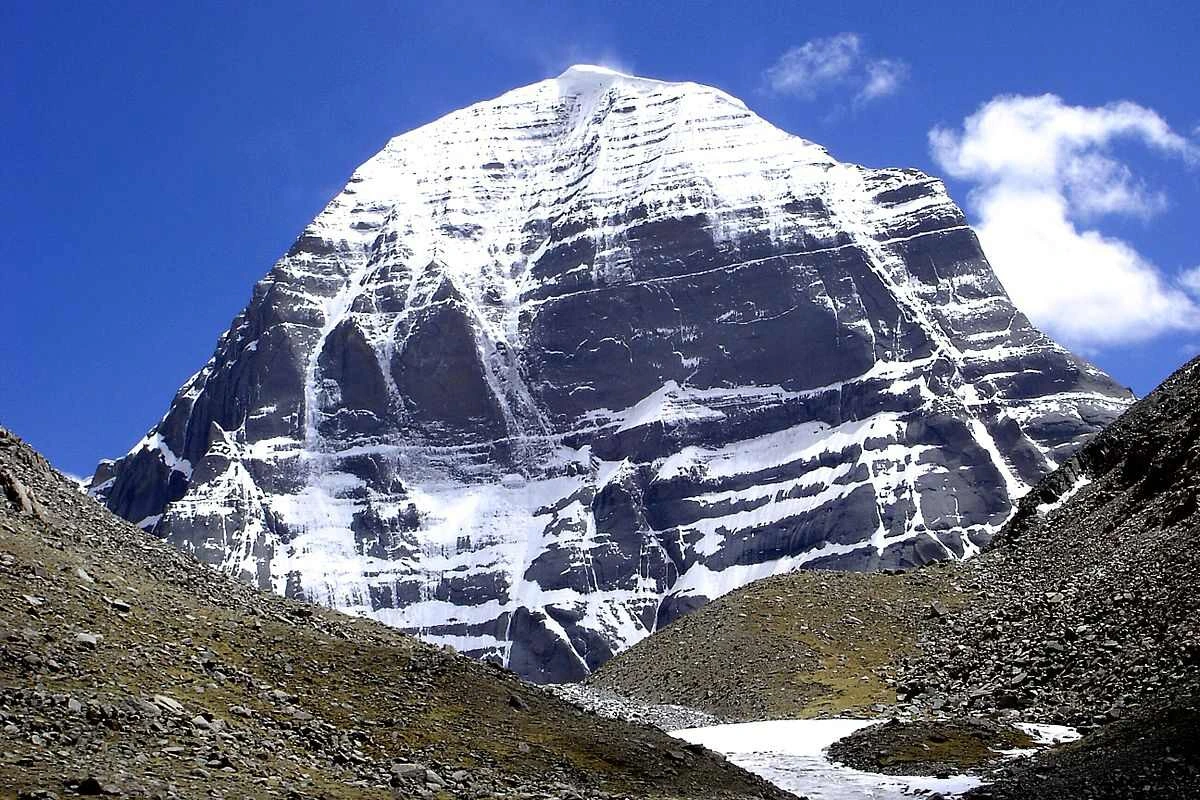
The Kailash Mansarovar Yatra refers to a pilgrimage to Mount Kailash and Lake Mansarovar, located in the remote western region of the Tibetan Plateau. Geographically, Mount Kailash stands at approximately 6,638 meters and is an isolated peak with a distinctive pyramidal shape compared to the surrounding mountains.
Lake Mansarovar, one of the highest freshwater lakes in the world, lies nearby at a very high altitude and is primarily fed by snowmelt. The region is sparsely populated, environmentally harsh, and logistically difficult to access.
Beyond geography, the yatra holds deep religious significance across multiple traditions. In Hinduism, Mount Kailash is believed to be the abode of Lord Shiva; in Buddhism, it is associated with Demchok; in Jainism, it is considered a sacred spiritual site; and in the Bon tradition, the mountain represents a spiritual center.
Despite these differing beliefs, all traditions share a common respect for the site, emphasizing reverence rather than conquest or exploration. Separating spiritual belief from physical realities allows international travelers to approach the journey with respect, clarity, and realistic expectations.
Is the Kailash Mansarovar Yatra Open in 2026?
At present, the Kailash Mansarovar Yatra in 2026 is expected to operate during the usual pilgrimage seasons, typically in late spring and early autumn. However, international travelers cannot rely on absolute certainty far in advance.
Access largely depends on permits issued by Chinese authorities for entry into the Tibet Autonomous Region, which are often finalized closer to the season. As a result, while early planning is possible, travelers should be mentally prepared for changes in dates, routes, or procedural requirements as official decisions evolve.
Several governing bodies influence whether the yatra proceeds each year. Chinese authorities regulate entry into Tibet and control permit issuance, leading to variations in access annually. Nepal’s tourism and immigration systems are also crucial for international travelers, as most foreign pilgrims transit through Nepal and obtain group visas there.
Indian pilgrims are primarily regulated by India’s Ministry of External Affairs, whose policies can affect broader regional coordination. Looking ahead to 2026, travelers should expect an organized but tightly regulated process. Given the potential for geopolitical shifts, reliance on authorized operators and maintaining flexibility will be essential.
Routes to Kailash Mansarovar for International Travelers
Kailash Mansarovar is not only a unique travel destination but also one that cannot be accessed without nationality-based permissions, official approvals, and adherence to regional regulations. For international travelers, the choice of routes is determined not by personal preference but by legal and logistical constraints. Understanding these routes helps travelers set realistic expectations before planning their journey.
Nepal Route (Most Common for International Travelers)
The most popular and convenient route for international travelers is via Nepal. Most trips begin in Kathmandu, where permits and group visas for Tibet are obtained. From Nepal, travelers may choose either overland travel, which involves long journeys through rugged Himalayan terrain, or helicopter-assisted transport, which saves time but does not reduce exposure to high altitude.
Key points along the route include border crossings into Tibet and high-altitude settlements for acclimatization. This is generally the best option, as Nepal-based operators are experienced in handling passports, permits, and cross-border logistics for international travelers.
India Route (Contextual Explanation)
The India route is primarily designed for Indian citizens and is strictly controlled by the government. It is generally not accessible to most international travelers due to passport restrictions and nationality-dependent policies.
The entire process is tightly regulated, with little flexibility in scheduling or movement. Even foreign nationals residing in India usually cannot access this route, making it an uncommon option for international pilgrims.
Direct Tibet Route (Rare & Restricted)
The direct Tibet route is highly restricted and involves complex requirements for foreigners. Travelers must obtain multiple approvals, often tied to group travel and fixed itineraries.
The process is time-consuming and costly, making it less practical for most international travelers compared to entering via Nepal, where systems are better adapted for pilgrimage travel.
Permits and Documentation for Kailash Mansarovar Yatra 2026
Permits and documentation are among the most important and sensitive aspects of planning the Kailash Mansarovar Yatra for international travelers. Entry is strictly controlled; independent travel is not permitted, and all paperwork must be processed through authorized tour operators. Requirements vary based on nationality, route, and government policies.
Accuracy and timeliness are critical, as missing or incorrect documents are a common reason travelers are unable to continue, even after arriving in Nepal or China.
Key permits and documentation required include:
-
Tibet Travel Permit (TTP)
-
Alien’s Travel Permit
-
Chinese Group Visa
-
Nepal visa considerations
-
Valid passport
Physical Difficulty, Altitude, and Health Considerations
The Kailash Mansarovar Yatra is not technically difficult, but it is physically demanding due to the extreme altitude. Most of the travel takes place above 4,500 meters, where oxygen levels are significantly lower than at sea level.
High-altitude conditions strain the body even during basic tasks such as walking or resting. The parikrama of Mount Kailash involves crossing high passes and uneven terrain, with long walking days; endurance is more important than speed or even strength.
Acute Mountain Sickness (AMS) is one of the primary health risks and can affect anyone regardless of age or fitness level. The yatra is not recommended for individuals with serious heart, lung, or chronic medical conditions.
Medical examinations are usually mandatory before travel, and certain operators may require fitness certificates. Basic physical conditioning is essential, while mental stamina, patience, and flexibility are equally important. Acclimatization days should be taken seriously, as rushing the ascent poses significant health risks and can halt progress.
When Is the Best Time for the Kailash Mansarovar Yatra 2026?
The Kailash Mansarovar Yatra typically occurs during a brief season, usually from late spring to early autumn. This period provides the most stable access routes and favorable weather conditions in the high-altitude Tibetan region.
Outside this season, severe cold, snow, and closed mountain passes make travel risky or impossible. Most international travelers schedule their journey during this short period.
The Tibetan Plateau is subject to sudden weather changes. Cold temperatures and strong winds can occur even in summer, and daytime temperatures can be cool, while nights often drop well below freezing.
The monsoon season may bring rain, landslides, and flight delays, particularly on the Nepal side in mid-summer. There is no single “perfect” time for the yatra; the best time depends on individual risk tolerance, flexibility, and the ability to adapt to unpredictable conditions.
Cost of Kailash Mansarovar Yatra for International Travelers
Due to its remote location and complex logistics, the Kailash Mansarovar Yatra is more expensive than many other travel experiences. Costs include permits, cross-border coordination, specialized transportation, altitude support, and emergency provisions in an area with limited infrastructure.
Travel is organized in controlled groups, which adds organizational expenses necessary for safety and regulatory compliance. These factors make the journey genuinely costly rather than commercially inflated.
For international travelers, costs vary widely depending on the route, services, and time of year. Prices typically differ between overland and helicopter-assisted routes and according to the level of support provided. International flights, personal equipment, insurance, and medical costs are usually not included, while most packages cover permits, transportation, accommodation, and meals.
Additional or often underestimated expenses include visa fees, emergency evacuation, tips, and equipment purchases. Cash transactions generally use major currencies, and travelers should expect limited credit card acceptance in remote areas.
Accommodation, Food, and Facilities on the Route
Accommodation on the yatra is basic and utilitarian, reflecting the remoteness of the area rather than tourist comfort. Travelers usually stay in small guesthouses, lodges, or dormitories in Tibetan settlements. Private rooms and attached bathrooms are rare, and many lodges lack heating at high altitudes. Awareness of these conditions helps travelers focus on the purpose of the journey rather than comfort.
Food is simple, designed for warmth and energy rather than variety. Options may be limited, especially for specific dietary preferences, so flexibility is necessary. Hygiene standards do not match those of urban areas, requiring travelers to maintain strict personal hygiene practices.
Electricity, internet, and phone services may be intermittent or unavailable for long periods. Respecting local customs, food habits, and culture is crucial, as local practices differ significantly from mainstream tourism infrastructure.
Cultural Etiquette and Responsible Travel
Kailash Mansarovar is a deeply religious site, especially for Tibetan communities and various faith groups. Travelers must show respect by following local conventions, dressing modestly, and behaving appropriately at religious sites.
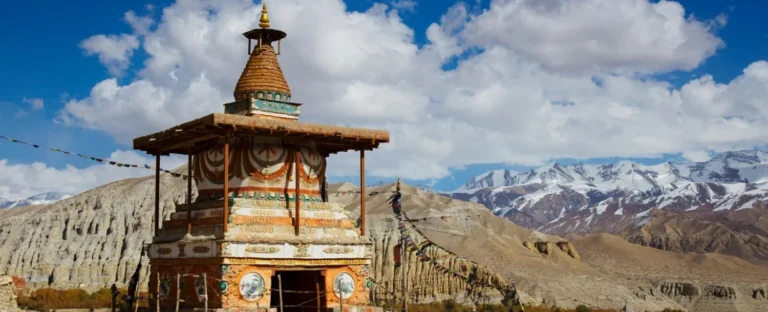
Prayer flags, ritual areas, and monasteries should not be disturbed, and permission should be sought before taking photographs. Understanding that this is more than a tourist destination allows travelers to approach the journey with respect and meaning.
Environmental responsibility is also critical, as the area is fragile and has limited waste disposal options. Mount Kailash is never climbed, as it is sacred across all faiths. Ethical travel involves respecting these restrictions, minimizing environmental impact, and honoring traditions rather than viewing them as obstacles.
Risks, Challenges, and Honest Realities
The Kailash Mansarovar Yatra carries real risks that travelers must consider. Weather can change rapidly, and even in peak season, sudden cold, wind, or snowfall may occur. Political decisions or border closures can disrupt travel plans, potentially causing delays or cancellations. These factors are beyond the control of travelers and operators.
Health emergencies are another critical concern, as the high altitude limits access to medical facilities. Evacuation is possible but constrained by terrain, weather, and location.
The journey can also be mentally and emotionally challenging due to isolation, discomfort, and uncertainty. Flexibility, patience, and realistic expectations are essential, as the yatra rarely proceeds exactly as planned.
Choosing the Right Operator for Kailash Mansarovar Yatra 2026
Independent travel is not permitted for international visitors, making it necessary to use authorized tour operators who handle permits, visas, transportation, and coordination with authorities. Choosing the right operator ensures safety, compliance, and a smoother experience.
Operators should be experienced with international clients, transparent, provide clear timelines, and offer support in emergencies. Travelers should avoid operators with vague promises or suspiciously low prices.
Experienced operators, such as Nepal Outdoor Expeditions, can guide pilgrims successfully through the complex logistics, ensuring a safe and organized journey.
FAQs
1. What is the maximum group size allowed for international travelers?
Understanding group size limits is important, as entry permits are only issued for organized groups. Larger groups may require additional planning and approvals.
2. Are there any restrictions on photography or using drones during the yatra?
Travelers should note that certain sacred sites prohibit photography or the use of drones, out of respect for local traditions and regulations.
3. How long does the visa and permit approval process usually take?
Timing is critical, as group visas and Tibet Travel Permits can take several weeks to process. Delays may affect travel dates, so planning ahead is essential.
4. What type of clothing and gear is recommended for high-altitude conditions?
The region experiences extreme temperatures and rapidly changing weather. Travelers should be guided on proper layering, footwear, and essential equipment for high-altitude trekking.
5. Are there any local customs or rituals travelers can participate in safely?
International pilgrims often wish to engage respectfully with local culture. Guidance on which rituals can be observed safely ensures a meaningful experience without offending local communities.