The Dhampus Village Trek is located close to Pokhara, Nepal, one of the country’s major tourist centers, just a short drive away. International travelers often prefer Dhampus because of its proximity, allowing them to enjoy the Himalayan trekking experience without spending long days or weeks traveling.
The trek typically starts at Phedi or Kande and reaches Dhampus village within a few hours, making it very accessible even for first-time visitors to Nepal.
Dhampus Village sits at an elevation of 1,650 meters (5,413 feet). The trek usually takes 1–2 days, depending on the itinerary and optional extensions. The route follows pathways made of stone steps, woodland trails, terraced farmland, and small hamlets, providing both a pleasant and rewarding experience.
Beyond its scenic beauty, Dhampus has cultural significance as an ancient hill village where locals maintain traditional lifestyles while adapting to tourism.
Geographic & Cultural Context of Dhampus Village
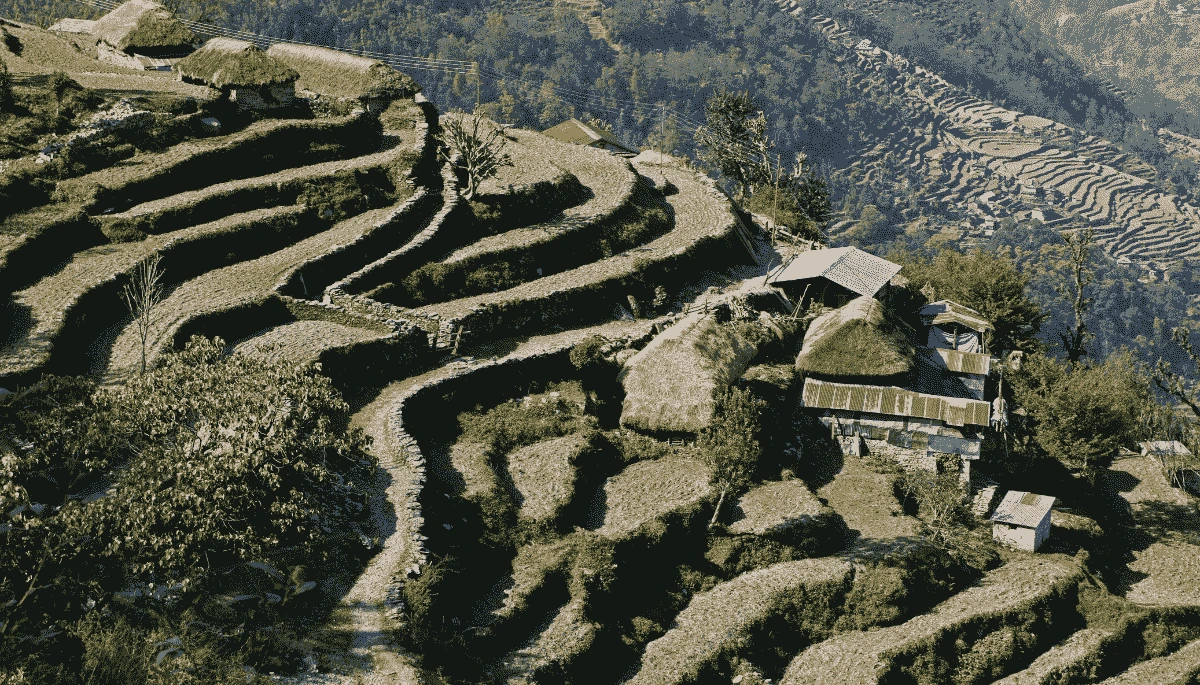
Dhampus is primarily inhabited by the Gurung ethnic group, one of the native communities of the Annapurna region. Gurung culture emphasizes community, hospitality, and a deep connection to the land. Visitors will notice stone-built houses, narrow village streets, and agricultural terraces that reflect generations of mountain life.
Daily life in Dhampus is simple and down-to-earth: locals work in the fields, tend livestock, and gather in communal spaces, particularly during mornings and evenings.
As part of the Annapurna trekking region, Dhampus participates in ecotourism by offering accommodation, meals, and cultural experiences without excessive commercialization. Many families operate small tea houses or homestays, ensuring tourism income benefits the local community.
International visitors are encouraged to respect local customs—dress modestly, seek permission before taking photographs, and greet residents politely. Such gestures help foster positive relations between tourists and the community, enhancing the overall experience for everyone.
Detailed Dhampus Village Trek Itinerary (Day-by-Day)
The itinerary of the Dhampus Village Trek is brief and enjoyable, making it ideal for international travelers seeking a clear roadmap without being physically overburdened.
Although it is a short walk, it provides a fulfilling experience of the Himalayas, scenic trails, and mountain landscapes. The trek typically takes one or two days to complete, with the option to continue to neighboring villages for more views and a quieter trail experience.
This itinerary is based on a relaxed pace, allowing trekkers to enjoy the scenery, interact with locals, and capture photos. Walking hours are moderate, and elevation gain is gradual, ensuring the trek is comfortable for beginners while still rewarding for experienced hikers.
Day 1: Trek Starts from Pokhara to Dhampus Village
The trek begins with a short drive from Pokhara to the starting point, usually Phedi or Kande. The drive takes approximately 30–45 minutes and passes through the countryside and river valleys.
The trail starts at the roadhead with stone steps and smooth woodland paths, gradually climbing through terraced farmland and villages before transitioning to rocky paths and joining the established tracks.
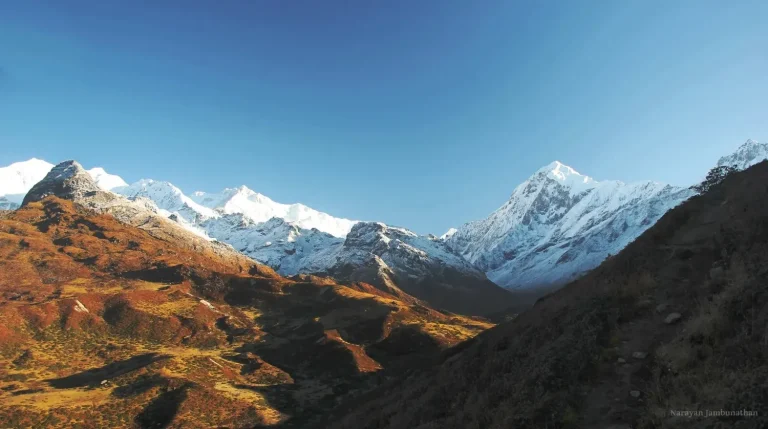
The daytime walk is approximately 3 to 4 hours, with an elevation gain of 600–700 meters. Views become increasingly clear as you approach Dhampus Village, particularly of the Annapurna range.
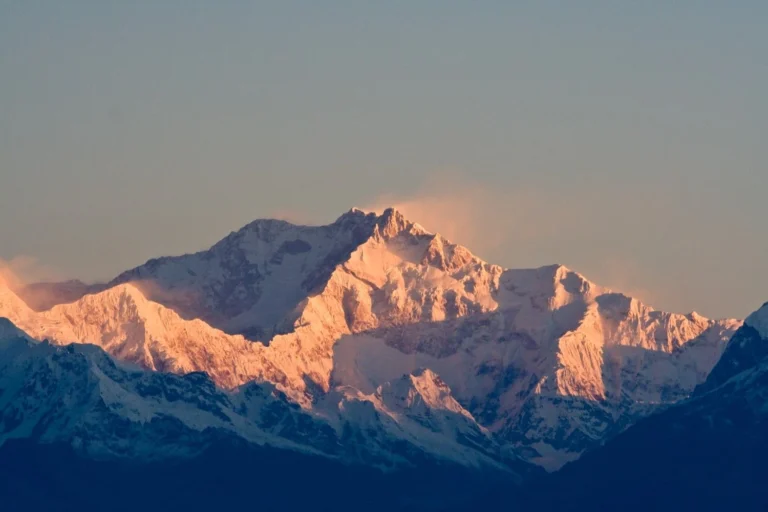
Dhampus is an excellent location for sunset views, with unobstructed sights of Annapurna South and Machhapuchhre on clear days. Overnight stays are typically in a homestay or teahouse.
Highlights:
-
Traditional villages and terraced farmland
-
Gradual ascent suitable for beginners
-
Sunset views of Annapurna and Machhapuchhre
Optional Extension: Dhampus to Australian Camp
For travelers seeking to extend the trek, continuing to Australian Camp is recommended. This adds approximately 1.5–2 hours of walking along forest trails and open ridges with gentle elevation.
Australian Camp offers broad panoramic views of the Annapurna and Dhaulagiri ranges, making it a popular spot for sunrise. This extension adds scenic value without increasing difficulty, making it ideal for photographers or those who prefer a slower pace.
Highlights:
-
Wide mountain panoramas
-
Peaceful forest trails
-
Superb sunrise views
Dhampus Village Trek Difficulty & Fitness Requirements
The Dhampus Village Trek is considered one of the easiest treks in the Annapurna region, while still offering a realistic Himalayan trekking experience. It does not require technical trekking skills but involves continuous uphill walking and uneven trails.
Understanding the landscape and personal fitness helps international travelers prepare and enjoy a comfortable trek.
Trail characteristics and requirements:
-
Mostly stone steps, woodland trails, and village terraces, navigable without difficulty
-
Gentle, gradual uphill sections rather than steep or technical climbs
-
Relatively low altitude, minimizing the risk of altitude sickness for most travelers
-
Basic to moderate fitness is sufficient
-
Ability to walk 3–5 hours per day at a slow pace
Best Time to Do the Dhampus Village Trek
The Dhampus Village Trek can be undertaken year-round, but the experience varies significantly by season. The most popular seasons for international travelers are spring (March to May) and autumn (September to November) due to stable weather, comfortable temperatures, and clear mountain visibility. In spring, rhododendrons bloom, and the greenery is fresh, while autumn offers crisp air and clear views of the Annapurna range after the monsoon rains.
Winter (December to February) is quieter and colder, especially in the mornings and evenings. The trek is still accessible due to its relatively low altitude, with generally pleasant days and chilly nights. Monsoon (June to August) brings rain, clouds, and occasional leeches on forested trails, limiting views and comfort.
However, the landscape becomes lush, and fewer travelers use the trails. Each season has its advantages and drawbacks, so the best time depends on your weather preference, tolerance for crowds, and travel convenience.
Accommodation & Food on the Dhampus Trek
Accommodation on the Dhampus Trek is simple yet welcoming, with teahouses and local homestays as the primary options. Teahouses provide shared or private rooms with beds, blankets, and shared bathrooms, while homestays allow a closer look at local life.
International travelers often prefer homestays for cultural immersion, home-cooked meals, and a personal touch that reflects local life rather than hotel comfort.
Traditional foods along the route are nourishing and include dal bhat, noodles, rice, vegetable curries, eggs, soups, and tea. Hygiene standards are generally good, but travelers should have moderate expectations, as the accommodations are village-based rather than urban hotels. Recommended precautions include drinking boiled or filtered water, eating freshly cooked meals, and carrying hand sanitizer.
Overall, trekkers can expect a welcoming reception, simple but wholesome cuisine, and a homely experience that showcases local mountain life.
Cost Breakdown & Budget Planning
The Dhampus Village Trek is relatively affordable compared to longer Nepalese treks. Hiring a licensed guide involves paying a guide fee in addition to transportation to Pokhara, accommodation, and meals, making this a convenient option for international travelers. Guided treks are recommended for travelers interested in cultural insights, local interpretation, and stress-free logistics.
Independent trekking is also possible and generally less expensive, though travelers must budget for transport, permits, food, and accommodation. Local teahouses are cheap, and food costs are low, but expenses can accumulate across multiple stops.
Additional costs may include hot showers, charging electronic devices, snacks, and tips for guides or porters. Dhampus offers excellent value with its scenic beauty, culture, and accessibility, making it an ideal short trek near Pokhara without heavy expenditure.
Permits, Regulations & Entry Requirements
Every trekker on the Dhampus Village Trek requires two permits: the TIMS Card and the Annapurna Conservation Area Permit. These permits support safety, trail management, and environmental conservation in the Annapurna region. They also help authorities track trekkers and preserve the local environment.
For international travelers, obtaining permits is straightforward and is usually handled by trekking agencies or guides. Solo travelers can get permits in Pokhara with a passport and passport photos. Proper permits ensure legal trail access, enhance safety in emergencies, and contribute directly to protecting the natural and cultural heritage of the area.
Packing List for Dhampus Village Trek
Since the Dhampus Village Trek is short, packing light yet practical is recommended. Essential items include:
-
Lightweight, breathable clothes for daytime
-
Warm layer or fleece for mornings and evenings
-
Rain jacket or poncho (especially for monsoon)
-
Comfortable trekking shoes with good grip
-
An extra pair of socks
-
Small backpack or daypack
-
Reusable water bottle
-
Sunscreen and sunglasses
-
Hat or cap
-
Basic first-aid kit
-
Personal medications
-
Power bank or spare batteries
-
Toiletries and hand sanitizer
-
Snacks or energy bars
Packing tips:
-
Avoid overpacking heavy clothes
-
Avoid unnecessary electronics
-
Avoid carrying large suitcases or bulky items
Explore: Annapurna Circuit Packing List
Who Should Choose the Dhampus Village Trek?
The Dhampus Village Trek is ideal for international tourists seeking a short, quality trekking adventure without significant hardships. It is suitable for first-time visitors to Nepal, beginners, families, senior travelers, and those with limited time who want to enjoy the Himalayan scenery and village life. Cultural travelers who prefer leisurely walking and sightseeing over long-distance hiking will find it particularly satisfying.
This trek is best for travelers seeking cultural immersion, nature hikes, and leisurely mountain views rather than challenging mountain adventures. However, travelers looking for difficult hiking routes, isolated wilderness, or lengthy multi-day treks might consider options such as the Annapurna Base Camp or Mardi Himal treks. Dhampus offers a balanced experience and is a good introduction to trekking in Nepal without requiring a full-scale expedition.
Practical Tips for International Tourists
The Dhampus Village Trek can be made smoother with a few practical preparations. These tips cover basic logistics, communication, and local interactions to help you travel confidently and respectfully:
-
For added safety, hire a licensed local guide to provide cultural understanding.
-
Porters are optional but convenient.
-
Mobile network coverage is limited in some regions.
-
Bring cash, as card payments are generally not accepted.
-
Learn a few simple Nepali greetings to use politely with locals.
Read article: Health and Safety Tips for U.S. Trekkers at Everest Base Camp
FAQs
1. Is the Dhampus Village Trek suitable for solo female travelers?
Yes. Dhampus is considered a safe and easy trek because it is short, close to Pokhara, has constant tourist streams, and the local people are welcoming. Safety and comfort are further increased by staying in homestays or with a licensed guide.
2. Can the Dhampus Village Trek be done as a day hike without an overnight stay?
Yes. The trek can be done as a day hike, especially if starting early from Phedi or Kande. However, staying overnight allows travelers to experience the sunset, sunrise, and village life more fully.
3. Are children allowed on the Dhampus Village Trek?
Yes. The trek is suitable for children, as it does not require much physical effort. The trail is short, well-marked, and families often choose this trek to introduce children to trekking and the mountain environment without long, strenuous days.
4. What kind of wildlife or birds can be seen on the Dhampus trail?
The trail passes through woodland areas where hikers may spot birds such as Himalayan bulbuls, sunbirds, and pheasants, as well as butterflies and small mammals. Large animals are rare, but the trail is enjoyable for nature and bird enthusiasts.
5. Is travel insurance necessary for the Dhampus Village Trek?
Although the trek is short and relatively safe, travel insurance is highly recommended. Coverage should include medical emergencies, evacuation, and trip interruptions, especially for international tourists unfamiliar with Nepal’s terrain.