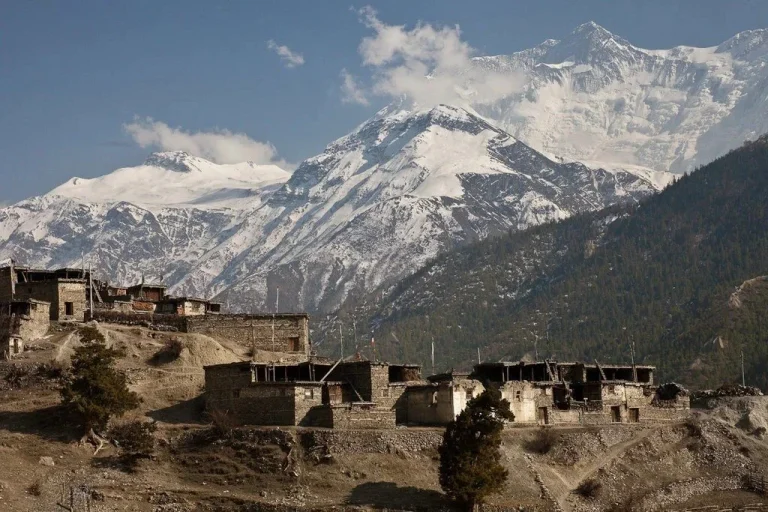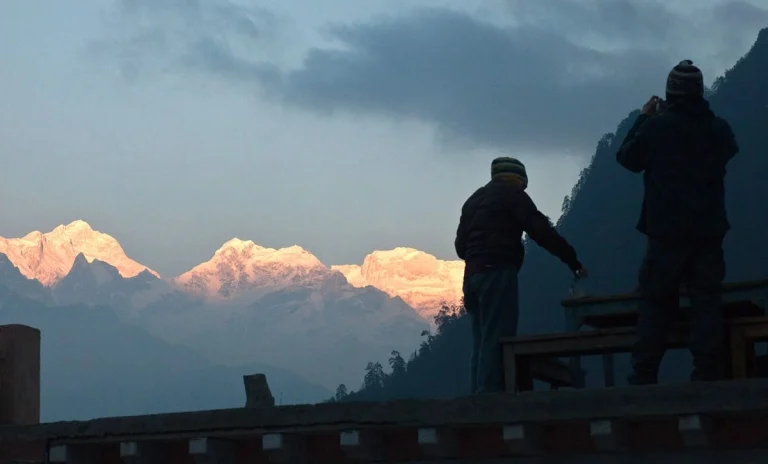
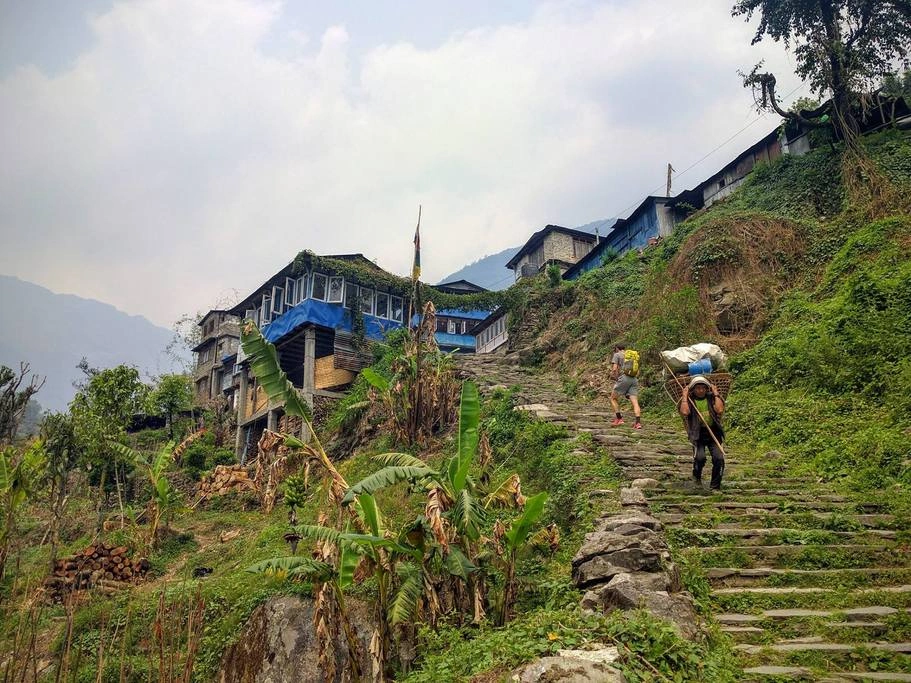
Most foreigners think of Kathmandu, Pokhara, and Everest when they think of Nepal. However, there is another, lesser-known Nepal that looks untouched, serene, and breathtakingly realistic. The most authentic experiences of Nepal are found in its rural regions.
We’ve listed 15 lesser-known travel destinations in rural Nepal, curated for foreign travelers who want to experience local lifestyles, untouched nature, and routes unknown to most.
These destinations are perfect for travelers who love the outdoors, photography, village life, cultural immersion, and off-the-beaten-path adventures.
15 Offbeat Places for Travelers Seeking Real Nepal
1. Kori Danda: A Newly Discovered Himalayan Balcony
Kori Danda, located at 3,800 m, is one of the newest and least-travelled trekking routes in Nepal. It offers excellent views of Sikles, Machhapuchhre, Lamjung Himal, and Annapurna II.
Highlights
- Foreign tourists do not visit very often.
- Raw, natural, unadulterated environment.
- Walking along the ridge, admiring the sunrise.
- Small, genuine Gurung villages along the way.
Kori Danda feels like a personal balcony to the skies. It is one of Nepal’s best-kept secrets for quiet Himalayan landscapes without the crowds seen on Poon Hill or Annapurna Base Camp.
2. Khumai Danda: The Base of the Machhapuchhre Ridge
Khumai Danda is another underused rural trekking destination around Pokhara, located at the base of the majestic Machhapuchhre (Fishtail) mountain. The trail is ideal for trekkers seeking a peaceful walk with scenic landscapes—it is not long but still rewarding.
Highlights
- Stunning view of the unique Machhapuchhre ridge.
- Large green grasslands perfect for camping.
- Mornings with a sea of clouds in the distance.
- A newly emerging hiking trail.
3. Mohare Danda: The Peaceful Alternative to Poon Hill
The Mohare Danda trek is perfect if you want a Poon Hill–like experience without the crowds. It offers equally beautiful views of Dhaulagiri, Hiunchuli, and Annapurna South at an altitude of 3,300 m.
Highlights
- A community eco-lodge project run locally.
- Ideal for travelers who prefer rural tourism.
- Rhododendron forests in the beautiful spring season.
- Great sunrise and sunset views.
Mohare is an excellent choice for rural holidays in Nepal, combining natural beauty with sustainable, community-based tourism.
4. Tinjure–Milke–Jaljale Ridge: Nepal’s “Rhododendron Capital”
This region stretches along eastern Nepal and serves as a sanctuary for nature and wildlife lovers.
Highlights
- More than thirty species of rhododendrons.
- Easy walks along long stretches of green hills.
- Himalayan views, diverse wildlife, and rare bird species.
- A quiet, non-touristy destination.
The entire forest bursts into pink, scarlet, and white blossoms every spring, making it one of Nepal’s most picturesque natural routes.
5. Barpak & Laprak: Villages Reborn After the 2015 Earthquake
These two villages in the Gorkha region paint a serene yet powerful picture of rural Nepal.
Highlights
- Learn the story of community resilience.
- Traditional stone houses and terraced fields.
- Panoramic views of the Annapurna range.
- Hospitable Ghale and Gurung communities.
This region offers a deeply meaningful cultural immersion experience.
6. Ruby Valley: A Remote Himalayan Wonderland
Ruby Valley, between the Manaslu and Langtang regions, is one of Nepal’s most remote trekking areas.
Highlights
- Sparkling rivers and beautiful waterfalls.
- Villages that feel untouched by time.
- Wide views of the Ganesh Himal range.
- Solitude on peaceful, less-traveled nature trails.
You can also visit Tamang, Gurung, and Dalit villages to experience diverse cultures and landscapes.
7. Nar Phu Valley: The Tibetan-Influenced Hidden World
Nar Phu Valley is one of Nepal’s most interesting and culturally unique hidden destinations. It remains untouched by mainstream tourism outside the Annapurna Circuit.
Highlights
- Ancient Tibetan-style stone villages.
- Mountain slopes, snow-covered deserts, and deep canyons.
- Brightly painted prayer walls and monasteries.
- Some of Nepal’s most dramatic landscapes.
The Nar Phu trek is perfect for travelers seeking a remote, rugged, and untouched trekking experience.
8. Dalle Khola: A Secret Riverside Escape
Dalle Khola is a pristine river valley in eastern Nepal, unknown even to many Nepalis.
Highlights
- Bright, green, crystal-clear river flowing between forested hills.
- Perfect for relaxation, camping, and photography.
- Short, scenic walks around the valley.
- Few houses, no crowds, and no commercial activity—just peace.
This is an ideal place to unwind and reconnect with nature.
9. Rolpa: Land of Hills, Cultural Diversity & Authentic Villages
Rolpa is home to untouched natural beauty and rich Magar culture in western Nepal.
Highlights
- Rivers, forests, plains, and endless rolling hills.
- Villages where the traditional lifestyle still thrives.
- Scenic routes with no tourists.
- Rich cultural heritage and hospitable locals.
Rolpa is one of the best destinations for experiencing authentic rural Nepal.
10. Rukum: A Land of Blue Lakes and Hidden Valleys
Located near Rolpa, Rukum features some of Nepal’s most striking rural landscapes, including mysterious blue lakes and untouched valleys.
Highlights
- Beautiful lakes resembling Rara.
- Pure forests, cliffs, and mountain scenery.
- Local myths, traditions, and legends.
- Unique hiking routes.
Often referred to as the Land of 52 Lakes and 53 Hills, Rukum is a paradise for adventure seekers.
11. Badhimalika: A Sacred Plateau in Far-West Nepal
Badhimalika is a dream destination for trekkers seeking spirituality, solitude, and high-altitude nature.
Highlights
- Vast grass plateaus above the clouds.
- The sacred Badhimalika Devi Temple.
- Remote trails walked by very few.
- Breathtaking views of sky-blue mountains.
A perfect destination for both pilgrims and wilderness lovers.
12. Khaptad National Park: A Peaceful Shangri-La
Located in far-west Nepal, Khaptad National Park is a pristine paradise of meadows, forests, and sacred sites.
Highlights
- The famous Khaptad Baba Ashram.
- Over 100 rolling grass meadows (patans).
- Rare herbs, flora, and birds.
- Gentle hiking trails ideal for nature lovers.
Khaptad remains one of Nepal’s most peaceful, unexplored retreats.
13. Sirubari Homestay: Nepal’s First Model Village
Sirubari, in the Syangja district, is known for its warm hospitality and rich culture.
Highlights
- A genuine homestay experience.
- Deep Gurung cultural heritage.
- Clean, well-maintained rural surroundings.
- Beautiful sunrises and sunsets.
Perfect for travelers seeking authentic cultural connection.
14. Chepang Hills: Discovering One of Nepal’s Indigenous Cultures
The Chepang Hills, home to the indigenous Chepang people, offer a unique offbeat cultural experience.
Highlights
- Experience a unique and threatened culture.
- Scenic hill views and peaceful walking routes.
- Authentic homemade food and traditional lifestyle.
- Easy access from Chitwan.
One of Nepal’s purest forms of rural tourism.
15. Ghandruk’s Secret Routes: Beyond the Well-Known Village
Ghandruk is a well-known destination, but few visitors know about the hidden trails leading to untouched forests, remote settlements, and peaceful viewpoints.
Highlights
- Several routes remain untouched by tourism.
- Quiet hill viewpoints away from traffic.
- Traditional houses and scenic paths.
- Rich forests, wildlife, and birdlife.
These secret routes are perfect if you want another rustic escape near Pokhara.
Tips for Traveling in Rural Nepal
To explore Nepal’s countryside properly, keep these simple tips in mind:
- Go Slow: There is no need to rush. Life in small towns is peaceful—enjoy the pace, relax, and take time to explore the trails.
- Support the Local Community: Stay in homestays that support the local economy, buy local products, and eat meals prepared by village families. Your contribution makes a real difference.
- Pack Smart but Light: Rural trails can be rugged. Carry only essentials—comfortable shoes, warm layers, and basic gear.
- Embrace the Local Way of Life: Ask questions, smile often, and greet everyone with a “Namaste.” Rural Nepalis are incredibly warm and welcoming.
- Travel Responsibly: Keep the environment clean, respect traditions, and be mindful of the local lifestyle.
FAQs
1. Are Hidden Rural Destinations in Nepal Suitable for First-Time International Travelers?
Yes, absolutely—as long as travelers have an open mind and enjoy slow travel. These regions may not offer luxurious comforts, but they provide real experiences, warm hospitality, and a peaceful environment. Many first-time visitors discover that rural Nepal offers a deeper experience of the “real Nepal” than the major tourist cities.
2. How Much Time Should I Allocate for Visiting Offbeat Rural Places in Nepal?
Most hidden places typically take four to ten days to explore. Some destinations, like Nar Phu or Khaptad, require more time, while others—such as Khumai or Sirubari—can be visited as weekend trips from Pokhara or Kathmandu. The more time you spend, the richer your experience will be.
3. Do Rural Villages in Nepal Offer Reliable Phone or Internet Connectivity?
Connectivity ranges from limited 4G to none at all, making it a natural digital detox for many travelers. You should carry a SIM card and ask your guide about network availability if staying connected is essential to you.
4. What Kind of Accommodation Should I Expect in Hidden Rural Areas?
Expect simple guesthouses, eco-community lodges, basic lodges, and homestays. Rooms are plain but clean. In remote areas, amenities like hot water, heaters, or Western-style toilets may not be available. Homestays, however, offer home-cooked meals and genuine hospitality.
5. Is Traveling to Rural Nepal Safe for Solo Women Travelers?
Rural Nepal is considered very safe, as communities are close-knit and welcoming. Villages often function like large families. Women traveling alone usually receive more positive attention than negative. Still, having a guide can make travel easier and more comfortable.
6. Do Rural Destinations Require Permits Like Popular Trekking Regions?
Nar Phu Valley requires special permits due to restricted-zone regulations. Most other rural destinations do not need trekking permits, though you may need to purchase National Park or conservation-area passes depending on the region.
7. What Type of Food Can I Expect in Rural Nepal?
Expect basic, healthy, homemade food such as:
- Dal Bhat (rice and lentils)
- Seasonal vegetables
- Pickles
- Millet bread
- Homemade yogurt
- Tea and local herbal drinks
One of the joys of rural travel is tasting regional meals prepared traditionally in village kitchens.
8. What’s the Biggest Challenge Travelers Face in Rural Nepal?
Accessibility is the main challenge. Reaching remote villages may require long hikes, jeep rides, or rugged road journeys. Ironically, this difficulty is also what helps keep these places untouched and rewarding.
9. When Is the Best Season to Explore Rural Nepal’s Hidden Spots?
Fall (September–November) and spring (March–May) offer clear skies and ideal hiking conditions. Winter is beautiful but cold at higher altitudes. Monsoon season is lush and green, but very slippery.
10. Can I Participate in Local Festivals or Cultural Activities in Rural Areas?
Yes! Rural Nepal is full of regional customs, harvest celebrations, and traditional village rituals. If you visit during a festival, locals will often invite you to join dances, ceremonies, or meals. These become some of the most authentic experiences of the trip.