International travelers rarely get to see a different side of Nepal: its remote villages. These villages are not located in major cities or popular tourist destinations, but are instead shaped by mountains, rivers, and centuries-old customs.
Life here moves at a slower pace, guided by nature, strong community values, and the rhythms of the seasons rather than modern schedules. Visiting these places is not just sightseeing; it is an opportunity to understand the land, culture, and way of life.
Remote villages are settlements that are not connected to Nepal’s road network and are often accessible only on foot. These villages typically have limited infrastructure and basic facilities, yet they are rich in culture and tradition.
Visitors can expect modest accommodations, warm hospitality, and meaningful cultural exchange. The experience is not quick, inexpensive, or superficial. Instead, it is genuine and deeply rewarding, offering a sense of human connection that is difficult to find elsewhere.
Understanding Remoteness in Nepal
Remoteness in Nepal is not defined solely by distance, but also by geography, terrain, and accessibility. Some villages may appear close on a map, yet steep hills, rivers, or mountain passes can separate them.
This geographical complexity explains why isolation remains a defining feature of many rural communities across the country.
What Makes a Village “Remote” in Nepal?
In Nepal, a village is considered remote when it is geographically isolated from major roads, towns, and essential services. Many settlements are located deep within valleys or along mountainsides where road construction is extremely difficult or impossible.
Reaching these villages can require several days of walking along narrow trails. Basic services such as hospitals, markets, and higher education facilities are often far away, making self-sufficiency an essential part of daily life. This isolation shapes both the challenges faced by village communities and the strengths that define them.
Nepal’s Geography and Its Role in Isolation
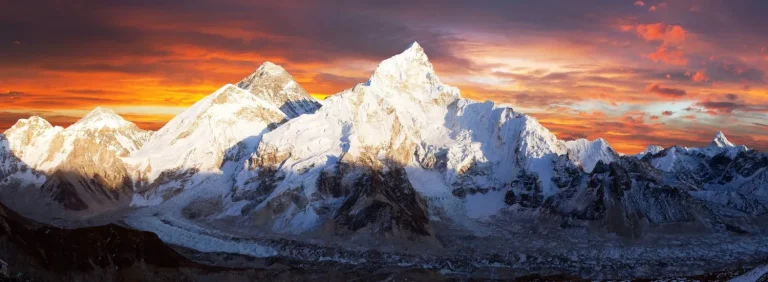
Nepal’s dramatic geography plays a major role in the isolation of remote settlements. The country is divided into three main regions: the Himalayas, the mid-hills, and the Terai lowlands, each presenting natural barriers. Steep mountains, narrow gorges, and frequent landslides make transportation difficult and often seasonal.
In many areas, harsh weather conditions can isolate villages for weeks or even months at a time. While this isolation limits development, it has also helped preserve unique cultures, languages, and traditions that continue to thrive in Nepal’s remote regions.
Where Are Nepal’s Most Remote Villages Located?
Nepal’s most remote villages are found in high mountain regions, deep valleys, and rugged hill areas where modern infrastructure is limited or nonexistent. These areas are defined by extreme geography, shaped by harsh natural conditions, yet preserved through strong cultural traditions and largely untouched landscapes.
For travelers, understanding where these regions are located helps set realistic expectations and encourages a deeper appreciation of the challenges and cultural richness found in these communities.
Remote Villages in the Himalayan Region
Upper Mustang
Upper Mustang lies in the rain shadow of the Himalayas and features a desert-like landscape that contrasts sharply with much of Nepal. Villages in this region are isolated due to limited access and challenging terrain, yet they preserve ancient Tibetan Buddhist traditions.
Daily life is centered around traditional mud-brick homes, monasteries, and centuries-old trade routes. Travel to Upper Mustang requires special permits and careful planning.
Dolpo (Upper and Lower Dolpo)
Dolpo is an extremely remote and sparsely populated region located in western Nepal. Many villages are several days’ walk from the nearest road or airstrip, making them largely self-sufficient.
Life here revolves around seasonal farming, herding, and Tibetan spiritual practices. Dolpo offers visitors a rare opportunity to experience traditional Himalayan life in one of Nepal’s most isolated regions.
Manang High Villages
High-altitude villages in the Manang region are located above the main Annapurna trekking route and receive far fewer visitors than lower settlements.
These villages endure long winters and short growing seasons, which have shaped a resilient way of life. Residents depend on trade, seasonal tourism, and animal husbandry for survival. Despite the popularity of nearby trekking trails, many of these high villages remain quiet and remote.
Humla and Mugu Districts
Humla and Mugu are among Nepal’s most isolated districts, with many villages still lacking road access today. Communities rely heavily on walking trails and small airstrips for transportation and supplies.
Harsh weather, food insecurity, and limited access to healthcare are part of daily life. Despite these challenges, strong community ties and long-standing cultural traditions continue to define village life.
Remote Villages in the Mid-Hills
Gurung and Magar Settlements
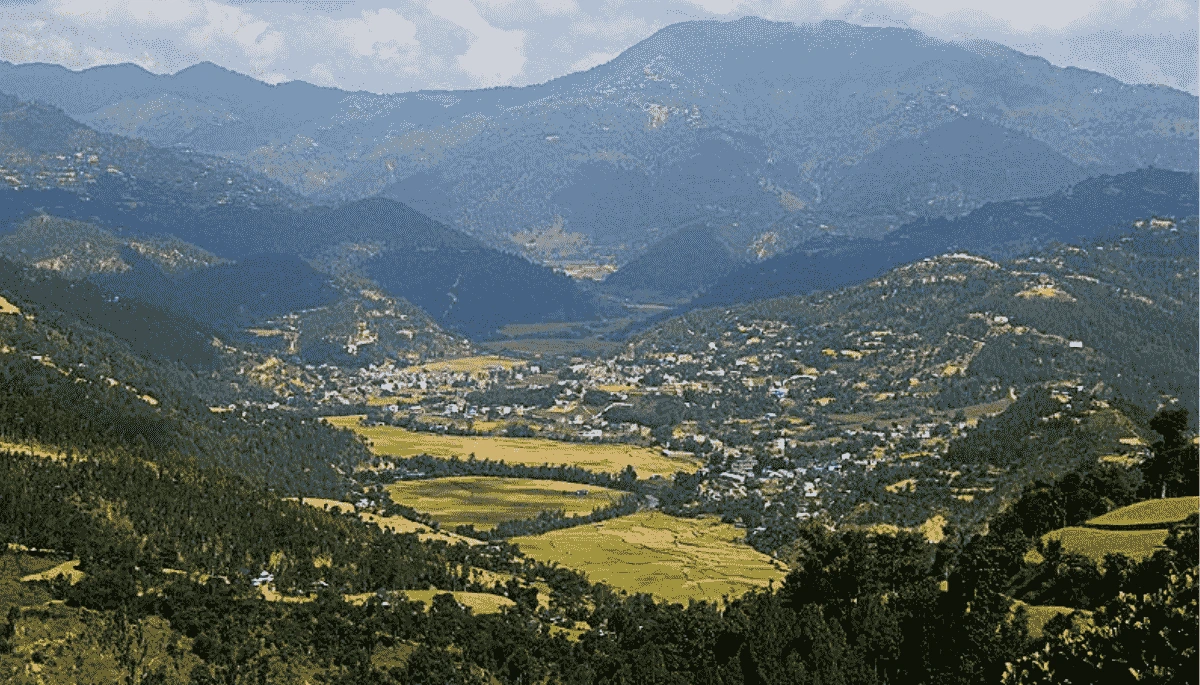
Remote Gurung and Magar villages are spread throughout Nepal’s mid-hill regions, often located along ridges or in secluded valleys. These communities maintain strong cultural identities, with traditions rooted in communal farming and cultural festivals.
While not as isolated as Himalayan villages, limited road access still leaves many settlements relatively remote. Visitors are often welcomed warmly and introduced to deeply rooted cultural practices.
Eastern Hill Villages (Sankhuwasabha and Bhojpur)
Eastern hill districts such as Sankhuwasabha and Bhojpur are characterized by steep terrain and dense forest cover. Agriculture remains the primary livelihood, supported by small-scale trade and seasonal migration.
Access can be challenging, particularly during the monsoon season when trails and roads are frequently damaged. These villages offer valuable insight into rural life far from Nepal’s main tourist routes.
Remote Villages in Western Nepal
Karnali Province Overview
Karnali Province is widely regarded as one of Nepal’s most remote and least developed regions. Many villages lack reliable roads, electricity, and healthcare services. Daily life depends heavily on subsistence farming and traditional folklore.
For travelers, Karnali provides an authentic view of rural Nepal, though reaching these areas requires patience and careful planning.
Far-Western Hill Communities
Far-western hill villages receive little attention due to their distance from major tourist destinations. Residents often face long journeys to reach markets, schools, and medical facilities.
Cultural practices remain deeply traditional, with strong reliance on community cooperation. Visiting these villages requires flexibility and time, but offers a meaningful and rewarding cultural experience.
Daily Life in Remote Villages of Nepal
Village life in Nepal is closely tied to nature and the changing seasons. Families mainly depend on agriculture, animal husbandry, and small-scale trade to meet their daily needs.
Crops such as rice, maize, barley, and potatoes are grown based on climate and altitude, while yaks, goats, and cattle provide milk, meat, and transportation. Early mornings are a regular part of life, with villagers spending long hours working in fields or caring for livestock.
Homes in remote villages are typically built using locally available materials such as stone, mud, and wood, designed to protect families from cold winters and heavy rainfall.
Food is simple yet nourishing, commonly consisting of dal bhat, seasonal vegetables, and locally grown grains. Access to education and healthcare is limited, with small schools and basic health posts serving wide areas. Despite these challenges, village life moves at a slower and more communal pace, shaped by cooperation and shared responsibility.
Culture, Traditions, and Community Life
Remote villages in Nepal are home to diverse ethnic groups, each with its own language, customs, and identity. Sherpa, Gurung, Magar, Tamang, and Tibetan-influenced communities have preserved traditions passed down through generations. Social life is deeply community-oriented, with neighbors supporting one another during farming seasons, festivals, and times of hardship. This strong sense of belonging is a defining feature of village life.
Religion and spirituality play an important role in everyday activities. Villages are marked by Hindu temples, Buddhist monasteries, and prayer flags. Rituals and festivals are closely linked to agricultural cycles and religious beliefs, bringing communities together through music, food, and ceremonies.
These traditions exist independently of tourism and remain an integral part of daily life, offering travelers a respectful glimpse into Nepal’s living cultural heritage.
Accessibility and Travel Realities for Visitors
Reaching Nepal’s remote villages requires careful planning and patience. Most villages lack motorable roads or nearby airstrips and are accessible only by walking long distances along narrow trails.
Travelers often spend several days moving between settlements, crossing rivers, and navigating mountainous paths. Local transportation can be costly, and weather conditions can easily disrupt travel plans, particularly during the monsoon and winter seasons.
Basic amenities such as electricity, internet access, and mobile networks are often limited or unavailable. Some villages may have small solar power systems or weak mobile signals, but travelers should expect frequent outages and minimal connectivity.
Food, water, and medical supplies can also be scarce, making it important to carry essentials and understand local conditions. In return for flexibility and patience, visitors are rewarded with a raw and authentic travel experience.
Why International Travelers Are Drawn to Remote Villages
Remote villages in Nepal attract travelers seeking meaningful cultural experiences, tranquility, and insight into traditional ways of life. These destinations offer an escape from crowded tourist hubs and a chance to connect with communities that live in close harmony with nature.
Key reasons travelers visit remote villages include:
-
Experiencing authentic local culture and traditions
-
Staying in homestays and small community-run lodges
-
Exploring pristine natural landscapes largely untouched by tourism
-
Enjoying slow-paced travel free from modern distractions
-
Learning about resilience, self-reliance, and simple living
Responsible Travel in Nepal’s Remote Villages
When visiting remote villages in Nepal, travelers have a responsibility to respect local cultures and traditions. Modest clothing, asking permission before taking photographs, and following local customs are essential.
Simple actions such as greeting villagers or learning basic local phrases help build meaningful connections and show appreciation for their way of life.
Supporting local economies is equally important. Staying in homestays, hiring local guides, and purchasing handmade crafts directly from artisans ensures that tourism benefits the community.
Travelers should also act responsibly toward the environment by managing waste properly, avoiding single-use plastics, and minimizing their ecological footprint. Responsible travel helps preserve both the cultural heritage and natural environment of these villages for future generations.
Remote Villages vs. Popular Tourist Areas in Nepal
Remote villages in Nepal offer a striking contrast to the country’s popular tourist destinations. While well-known trekking routes and cities provide convenience and modern facilities, remote villages offer a more authentic and immersive experience.
Key Differences in Experience
Visiting remote villages emphasizes authenticity over comfort, allowing travelers to experience local life firsthand. These visits encourage slow travel, careful observation, and learning, unlike the faster pace of popular tourist areas.
Remote villages rarely appear on mainstream tourist maps, providing tranquility, privacy, and cultural immersion. The contrast between hurried sightseeing and meaningful engagement highlights the trade-offs travelers make in seeking genuine cultural experiences.
Who Should Consider Visiting Remote Villages in Nepal?
Remote villages are not suitable for casual tourists seeking convenience and luxury. They are best suited for travelers who are patient, culturally sensitive, and curious, valuing immersion in local life over comfort.
Understanding that life in these areas can be basic, challenging, and far removed from Westernized standards helps set realistic expectations and ensures respectful interactions.
Visitors should be physically and mentally prepared for long treks, changing weather, and limited amenities. Ethical considerations are important; travelers must respect local customs and avoid disrupting village life.
Those who embrace slow travel and adapt to the unhurried rhythm of the villages are rewarded with memorable and transformative experiences.
Preparing for a Visit to Remote Villages
Proper preparation is essential to ensure a safe and enjoyable visit to Nepal’s remote villages. Advance planning helps travelers manage the physical, logistical, and cultural challenges these trips involve.
Practical Preparation Essentials:
-
Physical fitness and trekking preparedness
-
Awareness of weather and seasonal conditions
-
Appropriate clothing and footwear
-
Health precautions and first aid supplies
-
Required permits and documentation
Being well-prepared allows travelers to navigate these regions safely while fully appreciating the cultural and natural richness they offer.
The Future of Remote Villages in Nepal
Nepal’s remote villages face both opportunities and challenges from tourism. On one hand, tourism can provide essential income, strengthen local businesses, and support cultural preservation.
On the other hand, poorly planned or rapid tourism can strain fragile ecosystems, erode traditions, and disrupt local ways of life. Sustainable development requires balancing these competing interests.
Community-led initiatives are increasingly important for the future of these villages. Programs such as homestays, agricultural cooperatives, and village-based tourism empower locals to shape their own development.
Preserving cultural heritage while accommodating modern needs requires careful planning, education, and collaboration among communities, NGOs, and responsible travelers.
What Remote Villages in Nepal Teach the World
Remote villages in Nepal offer valuable lessons in resilience, simplicity, and human connection. They remind travelers that meaningful experiences require engagement, respect, and openness to different ways of life.
Beyond tourism, these communities highlight the importance of conserving culture and nature while promoting sustainable development. For travelers planning a visit, working with experienced organizations, such as Nepal Outdoor Expeditions, can ensure a trip that is respectful, enriching, and safe, while directly supporting local communities.
FAQs
1. What is the best time of year to visit Nepal’s remote villages?
Spring (March to May) and autumn (September to November) are the best seasons to visit remote villages in Nepal. During these months, the weather is generally mild and clear, making trekking more comfortable and enjoyable.
In contrast, the monsoon season brings slippery trails and swollen rivers, while winter causes heavy snowfall in high-altitude areas, often cutting villages off from access. Choosing the right season ensures better safety and a richer experience of local life and landscapes.
2. How do local communities support visitors in remote villages?
Local communities in remote villages are known for their warm hospitality. Many families offer homestays, allowing visitors to stay with them and experience authentic village life.
Residents often serve as local guides, share meals with guests, and provide insights into traditions and culture. While facilities are basic, they are more than compensated for by genuine warmth and personal interaction. Visitors often leave with a deeper understanding of village life and strong personal memories.
3. Are remote villages safe for solo travelers?
Yes, remote villages are generally safe for solo travelers, but safety depends on proper preparation and awareness. These areas are typically quiet, and local communities are welcoming.
However, travelers should be physically prepared for long walks, carry essential supplies, and respect local customs. Informing someone about your route, hiring local guides, and having basic first aid knowledge can further improve safety. Staying alert and well-prepared is key to a secure journey.
4. Can children or elderly people visit remote villages?
Children and elderly travelers can visit remote villages, but careful planning is necessary. Families should consider altitude levels and daily walking distances. Mid-hill villages are more accessible and less physically demanding, making them more suitable for family travel. Proper clothing, trekking poles, and frequent rest breaks help ensure comfort and safety for everyone.
5. How can travelers contribute positively to these villages during their visit?
Travelers can make a positive impact by respecting local culture, supporting local businesses, and being environmentally responsible. Staying in homestays, hiring local guides, and purchasing handmade crafts directly from villagers contribute to the local economy.
Simple actions such as avoiding plastic use, conserving water, and asking permission before taking photographs show respect for both people and the environment. Responsible travel helps preserve traditions while supporting sustainable village livelihoods.