The Everest disaster of 1996 is among the most talked-about tragedies in the history of high-altitude climbing. Though it is not the most fatal disaster in Everest’s history, it involved ambition, environmental challenges, and the inability to make correct decisions.
All these aspects led to tragedy under extreme circumstances. For many people around the world, this incident demonstrated the real hazards of the highest mountain on Earth. The tragedy forced both the climbing community and the wider public to confront uncomfortable questions about safety, responsibility, and the limits of human endurance.
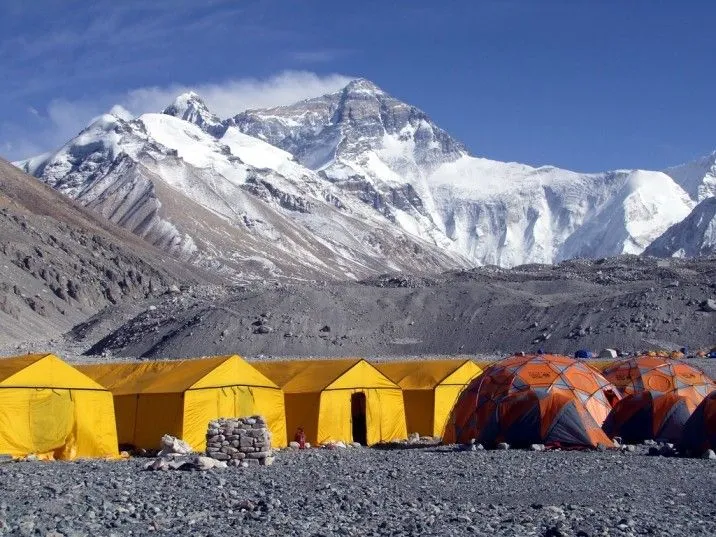
Mount Everest is a place of desire for climbers all over the world. It is the ultimate test of physical and psychological ability. The mountain stands at 8,848.86 meters (29,031.7 feet). By the mid-1990s, Everest was no longer the exclusive domain of elite climbers. Commercial expeditions began offering the chance to summit Everest to paying clients with varying levels of experience.
This shift opened the mountain to international adventurers seeking a once-in-a-lifetime achievement, but it also introduced new risks that were not fully understood at the time.
The 1996 disaster was not caused by a single mistake or a single storm. Instead, it was the result of several factors converging. These included delayed summit attempts, congestion at critical sections of the route, insufficient weather forecasting, oxygen shortages, and decision-making under extreme physical stress. All of this unfolded in the death zone, where the lack of oxygen means that even small errors can become fatal.
Understanding how and why the disaster occurred is essential. It provides insight into the dangers of high-altitude expeditions and helps explain ongoing concerns surrounding Everest expeditions and adventure tourism.
Mount Everest in the 1990s: Context Before the Disaster
By the early 1990s, Mount Everest was undergoing significant change. Advances in technology, increased international attention, and the growth of the tourism industry allowed more people to attempt Everest than ever before.
However, safety standards, regulations, and risk awareness had not yet adapted to this rapid expansion. The 1996 disaster occurred during this transitional period, when Everest was shifting from an elite mountaineering challenge into a global adventure tourism destination.
The Rise of Commercial Everest Expeditions
Commercial Everest expeditions began emerging in the late 1980s and continued to grow throughout the 1990s. These expeditions were led by professional guides who managed logistics such as permits, Sherpa support, fixed ropes, supplemental oxygen, food, and acclimatization schedules. Clients were willing to pay large sums of money, sometimes tens of thousands of dollars, for a guided opportunity to reach the summit with expert assistance.
This model lowered the entry barrier to Everest. While participants were not always elite alpinists, physically strong and highly motivated climbers with sufficient financial resources could now attempt the mountain without top-level mountaineering credentials. Most guides were skilled and responsible, but the commercial structure created pressure to succeed.
Clients had invested significant time and money, and guides often felt compelled to get them to the summit. In an extreme environment like Everest, this pressure could influence critical decision-making, especially when weather conditions began to deteriorate.
Who Could Climb Everest in the 1990s?
Compared to today, standardized experience requirements for climbers were less strict in the 1990s. Some expedition companies required prior high-altitude climbing experience, while others accepted clients based mainly on physical fitness and determination. As a result, climbers with widely varying levels of skill and experience often found themselves on the same route.
For many international climbers, Everest represented both adventure and personal achievement. However, the effects of extreme altitude on judgment, reaction time, and physical strength were often underestimated. Above 8,000 meters, even simple tasks become exhausting, and clear thinking is difficult. The wide range of experience among climbers on summit day in 1996 contributed to slower progress and mounting risks.
Nepal’s Role in High-Altitude Tourism
Nepal served as the central hub for Everest expeditions, with the mountain located within Sagarmatha National Park and the Nepal side providing the most commonly used approach route. During the 1990s, mountaineering tourism became a vital part of Nepal’s economy, supporting guides, Sherpas, porters, lodge owners, and local communities.
At the time of the disaster, Nepal’s permit system focused largely on issuing climbing permits rather than enforcing comprehensive safety regulations. Sherpa climbers were, and continue to be, among the most skilled high-altitude workers in the world. However, systems for crowd control, coordinated weather forecasting, and organized rescue efforts were still limited.
The 1996 catastrophe highlighted the need for stronger coordination among expedition operators, improved forecasting technology, and more comprehensive safety planning, changes that would slowly take shape in the years that followed.
The Climbers and Expeditions Involved
The 1996 Mount Everest disaster unfolded over a narrow window of time in early May, when several parties were attempting to climb the mountain simultaneously. Two commercial expeditions were at the center of the tragedy due to crowding, time constraints, and severe conditions on the Southeast Ridge.
Despite being led by highly experienced guides, the combined effects of altitude, fatigue, and sudden weather changes exposed the limits of human judgment and coordination on Everest.
Adventure Consultants Expedition (Rob Hall)
Adventure Consultants was a New Zealand-based guiding company founded and led by the highly respected Everest guide Rob Hall. By 1996, Hall had successfully guided numerous clients to the summit, earning a reputation as a cautious planner known for making prudent decisions and for his deep understanding of high-altitude environments.
This professionalism attracted climbers from around the world who trusted him with their lives, seeking both the challenge of Everest and the reassurance of expert leadership.
The 1996 Adventure Consultants team included a mix of experienced climbers and first-time Everest aspirants. The expedition followed standard acclimatization procedures, but delays during the summit push, particularly at the Hillary Step, caused climbers to exceed safe turnaround times. Hall chose to remain high on the mountain as the weather deteriorated in order to assist a client struggling on the descent.
This decision reflected the heavy moral responsibility carried by guides on Everest, but it also showed that even the most seasoned leader cannot fully control events in extreme, high-altitude conditions.
Mountain Madness Expedition (Scott Fischer)
Scott Fischer, an American climber known for his strength, endurance, and unconventional climbing style, led the Mountain Madness expedition. Fischer was widely respected in the mountaineering community and had previously summited Everest without supplemental oxygen, a rare achievement that highlighted his exceptional physical abilities. His leadership emphasized resilience and adaptability, which inspired confidence among climbers from around the world.
However, Fischer was suffering from physical exhaustion and possible illness in the days leading up to the summit attempt. These conditions limited his ability to maintain full oversight as multiple teams ascended the mountain at the same time.
Fischer became stranded during the storm as his oxygen supply and physical strength were depleted. His death underscored the unforgiving nature of Everest, demonstrating that even extraordinary experience and fitness offer no guarantee of survival when climbers are exhausted, operating at extreme altitude, and caught in severe weather.
Other Teams on the Mountain That Day
Beyond the two main commercial expeditions, several other teams were also attempting to reach the summit of Everest on May 10, 1996. These included guided groups, independent climbers, and international expeditions with varying strategies and experience levels. All were using the Southeast Ridge route, which narrows at key sections and forces climbers to wait in line at dangerous elevations.
Some teams chose to turn back when faced with delays or worsening weather, while others continued upward, further increasing congestion in the death zone. Prolonged waiting at extreme altitude rapidly drains energy and body heat, even in well-acclimatized climbers.
The absence of centralized coordination among teams intensified the risks on the mountain and later fueled debate over crowd management, communication, and shared responsibility on the world’s highest peak.
Timeline of Events: What Happened on May 10–11, 1996
The events of May 10–11, 1996, unfolded over several critical hours on the Southeast Ridge of Mount Everest. What began as a carefully planned summit attempt failed due to delays, unstable weather, extreme cold, and the effects of high altitude. Examining this timeline shows how small setbacks gradually escalated into a major catastrophe.
Summit Day and Early Delays
Summit day began early on the morning of May 10, when climbers from multiple expeditions left their high camps and started toward the summit. Conditions initially appeared favorable, and many climbers were cautiously optimistic as they progressed upward. However, the large number of people on the route soon created bottlenecks at narrow and technical sections.
One of the most significant delays occurred at the Hillary Step, a steep and exposed section just below the summit. Fixed ropes had not been fully set in advance, forcing climbers to wait their turn at extreme altitude. These delays caused many climbers to exceed their planned turnaround times, leaving them exhausted and with shrinking safety margins well before the weather began to worsen.
The Storm and Rapid Deterioration of Conditions
By the afternoon, weather conditions deteriorated more quickly than forecast. A powerful storm moved in, bringing strong winds, plunging temperatures, and near-zero visibility. Climbers who had reached the summit now faced a far more dangerous descent than anticipated, with familiar landmarks disappearing in the whiteout.
The storm slowed progress dramatically. Communication between climbers and guides deteriorated, and many were unable to locate fixed ropes or safe routes back to camp. At such an extreme altitude, even small navigation errors could be fatal. The storm intensified existing weaknesses in planning and coordination, compounding the danger for everyone on the mountain.
Nightfall in the Death Zone
As night fell, several climbers remained above 8,000 meters in the death zone, where the human body cannot survive for extended periods. Exhaustion, severe cold, and oxygen deprivation severely impaired judgment and physical movement. Many climbers became disoriented, unsure whether they were moving toward safety or deeper into danger.
Rescue options at that altitude were extremely limited. Leaders and fellow climbers were forced to make impossible decisions between self-preservation and attempting to help others. By the time the storm began to ease, the toll of prolonged exposure had already been devastating, turning what started as a summit push into one of the darkest chapters in Everest’s history.
The Death Zone: Why Survival Became Impossible
Above a certain elevation on Mount Everest, the human body begins to fail regardless of strength, experience, or willpower. During the 1996 disaster, many climbers spent far more time in this zone than planned. The death zone turned manageable problems into life-threatening crises, leaving little chance for recovery.
What Is the Death Zone and Why Is It So Dangerous?
The death zone refers to elevations above 8,000 meters (26,247 feet), where oxygen levels are too low to sustain human life. At this altitude, the body cannot acclimatize. Instead of adapting, it steadily deteriorates over time. Even rest or sleep offers no real recovery, as the body loses the ability to repair itself.
Climbers in the death zone are operating on borrowed time. Muscles weaken, breathing becomes increasingly difficult, and even basic movements demand immense effort. During the 1996 disaster, severe delays forced many climbers to remain in this zone far longer than expected, greatly increasing the risks of falls, confusion, and death from exposure.
Effects of Extreme Altitude on the Human Body
Extreme altitude places intense stress on every major body system. Climbers lose coordination, tire rapidly, and suffer dramatic reductions in strength. Tasks that are routine at lower elevations, such as clipping into a rope or adjusting oxygen equipment, become exhausting and difficult.
The psychological effects are just as dangerous. Oxygen deprivation impairs the brain’s ability to process information, slowing reaction times and weakening judgment. During the 1996 disaster, some climbers failed to recognize the severity of their condition, delaying critical decisions about turning back or seeking assistance.
Oxygen Shortages and Cognitive Failure
Most climbers rely on supplemental oxygen in the death zone to maintain physical function and mental clarity. The 1996 summit attempt was affected by oxygen shortages, with supplies running out earlier than expected or being misplaced. This placed climbers at extreme risk, especially those who had planned their descent around specific oxygen availability.
When oxygen levels drop, cognitive function deteriorates rapidly. Climbers may become confused, disoriented, or unable to assess danger and make sound decisions. Combined with the storm and poor visibility, these effects led to navigation errors, delayed descents, and ultimately multiple deaths, showing that oxygen shortages played a crucial role in the tragedy.
Who Lost Their Lives: Remembering the Victims
The 1996 Everest disaster claimed the lives of several highly experienced guides and international climbers, highlighting both the human cost of the tragedy and the limits of survival at extreme altitude. These deaths were not the result of recklessness, but of a combination of extreme altitude, severe weather, prolonged exposure, and delayed descents. Remembering the victims helps illustrate the dangers of Everest and the immense responsibility carried by both guides and climbers.
Guides Who Died on Everest
Several experienced guides lost their lives while attempting to protect and assist their clients. The leaders of the Adventure Consultants and Mountain Madness expeditions, Rob Hall and Scott Fischer, remained at high altitude to help struggling climbers. Their actions reflected the deep ethical commitment guides often feel toward client safety, even when their own lives are at risk.
High-altitude rescue is extraordinarily difficult due to the physical and psychological strain imposed by extreme elevation, which severely impairs strength, judgment, and decision-making. Even the most capable guides can become exhausted, hypoxic, and exposed to deadly conditions. The deaths of these leaders underscored a harsh reality: experience and expertise cannot eliminate the inherent dangers of Everest.
Clients and Climbers Lost
Several international clients also died during the disaster, including climbers from New Zealand, the United States, and other countries. Most were physically fit and had undergone extensive preparation, yet they could not withstand the combined effects of extreme altitude, a violent storm, and prolonged delays high on the mountain. Their deaths demonstrate that Everest’s challenges affect all climbers, regardless of background or preparation.
The stories of these climbers reflect the powerful human desire to achieve extraordinary goals, as well as the risks that accompany extreme adventure. Their experiences evoke empathy and offer important lessons for future climbers. They also serve as a reminder that in high-altitude mountaineering, triumph and tragedy often exist side by side.
Ethical Limits of High-Altitude Rescue
Physical and environmental constraints place severe limits on rescue operations above 8,000 meters. Climbers can only help others to the extent allowed by their own oxygen supply, physical strength, and mental clarity. In 1996, guides faced agonizing decisions, knowing that assisting one person could endanger themselves and others in the death zone.
Survival in such conditions often requires impossible compromises. Nature imposes unforgiving limits, even when climbers act with courage and skill. The disaster revealed that not everyone can be saved, regardless of effort or intent, underscoring the importance of careful planning and strict adherence to safety protocols.
Conflicting Accounts and Media Controversy
The 1996 Everest disaster has been widely documented, but accounts differ based on perspective, timing, and location on the mountain. Two influential books, Into Thin Air and The Climb, presented contrasting narratives that sparked intense debate. Examining these differing perspectives helps readers separate sensationalized coverage from historical facts and firsthand experiences.
Into Thin Air and The Climb: Two Perspectives
Into Thin Air, written by journalist and climber Jon Krakauer, focuses on his personal experience as part of the Adventure Consultants expedition. The book describes delays, the storm, and the emotional strain placed on guides and clients, emphasizing the human drama and moral dilemmas of the disaster. Its vivid storytelling brought global attention to Everest’s dangers, though some survivors criticized it as biased.
The Climb, written by Anatoli Boukreev with G. Weston DeWalt, presents the Mountain Madness perspective. Boukreev, who survived after climbing without supplemental oxygen, defended his decisions and questioned certain commercial guiding practices. Both books offer valuable insights, but their differences reflect the authors’ roles, priorities, and interpretations of events, highlighting the complexity of decision-making at extreme altitude.
Why Survivor Accounts Differ
Survivor accounts vary partly due to the physiological effects of extreme altitude. Hypoxia, fatigue, and stress impair memory and cognitive processing, causing climbers to recall events differently. Emotional trauma can further distort or intensify specific moments, resulting in conflicting narratives.
Timing and position on the mountain also matter. Climbers at different locations faced different dangers and made decisions based on limited information. These factors help explain why multiple versions of the same events exist without necessarily contradicting the core facts.
What Experts Largely Agree On Today
Despite differing accounts, most mountaineering experts agree on the primary causes of the disaster: unexpected weather changes, delayed turnarounds, oxygen shortages, and the effects of extreme altitude. These systemic issues, rather than isolated individual mistakes, were the main contributors to the deaths.
Experts also recognize that both Krakauer and Boukreev acted with courage under extraordinary conditions. Modern analysis focuses less on assigning blame and more on the lessons learned, including improved safety protocols, better weather forecasting, and more realistic assessments of client readiness. This broader consensus offers a balanced understanding of the 1996 Everest disaster and its lasting impact.
How the 1996 Disaster Changed Everest Forever
The 1996 Everest disaster had a profound impact on high-altitude mountaineering. It exposed weaknesses in expedition planning, client management, and weather preparedness. These lessons are reflected in how climbers approach Everest today, improving safety while still preserving the mountain’s inherent dangers.
Changes in Climbing Regulations and Permit Systems
Following the catastrophe, Nepal introduced stricter regulations for climbers and expedition companies. Authorities increased permit fees, enforced experience requirements more rigorously, and required expedition leaders to submit detailed climbing plans. These measures were intended to reduce overcrowding and ensure climbers were better prepared for extreme altitude conditions.
The permit system also increased accountability for guides and companies. Expedition operators were required to establish formal systems for monitoring clients and to submit post-expedition reports documenting their operations. These reforms helped professionalize Everest expeditions while placing greater emphasis on climber safety.
Advances in Weather Forecasting and Communication
The 1996 disaster highlighted the critical importance of accurate and timely weather information. Since then, advances in satellite communication and forecasting technology have allowed guides and climbers to monitor storm developments in near real time. Summit attempts can now be planned to avoid forecasted weather windows.
Modern communication tools, including radios and satellite phones, enable faster coordination between high camps, base camps, and emergency responders. These improvements allow climbers to react more effectively to changing conditions and make better-informed decisions, especially during emergencies in the death zone.
Safer Commercial Expedition Practices
The tragedy exposed the dangers associated with inexperienced climbers and decision-making under pressure. Today, reputable expedition companies carry out stricter client screening, enforce firm turnaround times, and provide more comprehensive pre-climb training focused on physiology and emergency response. These measures reduce risk while preserving the spirit of adventure.
Commercial expeditions now place greater emphasis on oxygen management. Guides ensure climbers have sufficient oxygen supplies for both ascent and descent, and most professional companies follow standardized supplemental oxygen protocols. Improved planning and leadership have made modern Everest expeditions safer without reducing the difficulty of reaching the world’s highest summit.
Lessons for Modern International Tourists and Climbers
The 1996 Mount Everest disaster continues to offer vital lessons for anyone attempting the world’s highest peak. Although modern climbers benefit from improved technology, safety measures, and expedition standards, the risks remain substantial. Responsible and well-informed climbing practices are essential to understanding Everest beyond images and media portrayals.
Is Everest Safer Today?
Everest is safer today due to stricter regulations, improved weather forecasting, better communication systems, and more professional expedition management. Guides receive more advanced training, client screening is more thorough, and summit strategies are planned with greater care. These developments have reduced the likelihood of large-scale disasters.
However, Everest remains inherently dangerous. Overcrowding, unpredictable weather, and extreme altitude continue to pose serious threats. Climbers must understand that safety measures reduce risk but cannot eliminate it, given the mountain’s unforgiving nature.
What Climbers Must Understand Before Attempting Everest
Climbing Everest is not only a physical challenge but also a test of preparation, endurance, and judgment. While the idea of summiting the world’s highest mountain attracts climbers from around the globe, the reality involves extreme altitude, exhaustion, and constant risk management. Proper training, acclimatization, and realistic expectations are essential.
Psychological readiness is equally important. Climbers must be willing to turn back when conditions worsen, recognize symptoms of altitude sickness, and follow their guide’s instructions. Understanding these realities can mean the difference between a successful expedition and a tragic outcome, turning the summit from a dangerous gamble into a calculated achievement.
Responsible Adventure Tourism in Nepal
Adventure tourism in Nepal offers unparalleled experiences, but it must be approached with respect for local communities, culture, and the environment. Practices such as minimizing waste, hiring certified guides, and respecting Sherpa traditions support both environmental sustainability and local livelihoods.
Responsible climbers prioritize safety alongside environmental awareness. This includes selecting reputable expedition companies, preparing for emergencies, and understanding the ecological impact of climbing activities. By acting responsibly and showing cultural and environmental respect, climbers can pursue their goals on Everest while contributing positively to Nepal’s tourism economy.
The True Legacy of the 1996 Everest Disaster
The 1996 Everest disaster remains a powerful reminder that ambition must be balanced with preparation, responsibility, and respect for nature’s limits. The tragedy forced the world to confront the consequences of underestimating altitude, weather, and human limitations, even as Everest continues to inspire climbers worldwide. Its legacy has shaped safer expedition practices, improved regulations, and a deeper appreciation of the mountain’s challenges.
For climbers and adventure seekers, the disaster reinforces the reality that reaching Everest’s summit demands more than physical strength. It requires sound judgment, humility, and respect for the risks involved. Remembering those who lost their lives encourages future climbers to approach the mountain with caution and reverence. Ultimately, Everest stands as a symbol of human ambition tempered by the inherent dangers of extreme adventure.
FAQs
1. What caused the massive congestion on Everest during the 1996 disaster?
Multiple expeditions attempted to summit on the same day, while the Southeast Ridge route was narrow and lacked sufficient fixed ropes. These factors created bottlenecks that forced climbers to wait at extreme altitudes, increasing fatigue and exposure. Inexperienced climbers and aggressive summit schedules further contributed to the deadly delays.
2. How did Sherpa guides contribute during the 1996 Everest tragedy?
Sherpas played essential roles in guiding climbers, carrying supplies, fixing ropes, and managing oxygen. Several Sherpas risked their lives attempting rescues during the storm. Their actions highlighted both the physical demands of high-altitude work and the ethical challenges of rescue efforts in life-threatening conditions.
3. Why do climbers underestimate the risks of the death zone?
Many climbers focus on reaching the summit rather than on the effects of extreme altitude. Above 8,000 meters, oxygen levels are insufficient to sustain normal bodily functions, regardless of experience. Mental impairment, exhaustion, and severe cold can overwhelm climbers faster than expected.
4. Did the 1996 Everest disaster change international perceptions of mountaineering tourism?
Yes. The tragedy demonstrated that commercial Everest expeditions carry serious risks, regardless of wealth or preparation. It sparked global discussions about safety, leadership ethics, and responsible adventure tourism, prompting many climbers to reassess their approach to high-altitude expeditions.
5. How has high-altitude training evolved since 1996?
Modern climbers follow more structured acclimatization programs and often train in simulated high-altitude environments. Advances include staged ascents, improved oxygen strategies, and better pre-climb conditioning to prepare the body for low-oxygen conditions.
6. Can technology prevent tragedies like the 1996 Everest disaster today?
Technology such as satellite phones, GPS, and real-time weather forecasting has significantly improved safety and communication. However, it cannot eliminate dangers such as sudden storms, exhaustion, and hypoxia. Technology is only effective when combined with experience, preparation, and respect for the mountain.