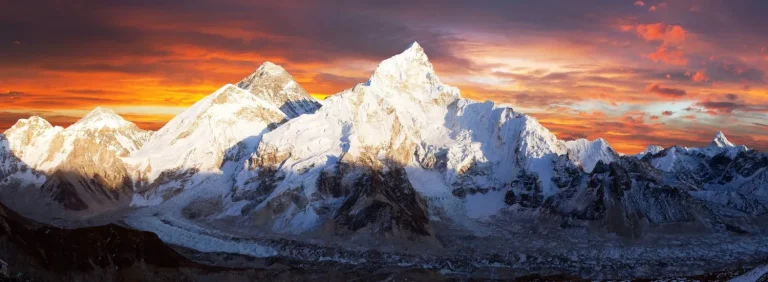
The Sherpas of Everest demonstrate the close relationship between humans and the unforgiving Himalayas. They live in the shadow of the highest mountain in the world, where culture, survival, and tradition are deeply woven into daily life, fascinating people across the globe. Their way of life is rooted in ancient Buddhist beliefs, seasonal agriculture, livestock herding, and, in modern times, high-altitude guiding that helps sustain their families. At elevations above 4,000 meters, life demands physical strength, strong faith, and the ability to adapt to extreme cold, avalanches, and thin air.
Meanwhile, Sherpa culture is rich and communal. Influenced heavily by Tibet, its rituals, colorful monasteries such as Tengboche, and festivals like Losar unite people despite the region’s isolation. Facing constant challenges, Sherpas rely on yak herding, potato farming on steep terraced slopes, and the exchange of goods across some of the most dangerous mountain passes, practices passed down through generations. Life follows natural working cycles shaped by monsoons, trekking seasons, and climbing seasons, which involve risk but are also accompanied by extraordinary natural beauty.
However, many outsiders fail to realize that Sherpas are far more than strong porters. They are educators, leaders, and professionals who contribute well beyond mountaineering. At the same time, their lifestyle is increasingly threatened by climate change, which is melting glaciers that supply vital water sources. Ultimately, the Sherpa story is not just one of survival but of protecting culture and identity in one of the most hostile environments in the world.
Origins and History of the Sherpa People
The Sherpas originally inhabited eastern Tibet and migrated to Nepal’s Khumbu Valley in search of better land during the 15th and 16th centuries. Before mountaineering became widespread, they sustained themselves through farming, trade, and Buddhist traditions.
Tibetan Roots and Migration
The Sherpa people originated in eastern Tibet, particularly in regions such as Kham and Minyak. Around 500 years ago, harsh conditions prevailed as clans faced political struggles and severe geography while practicing Tibetan Buddhism of the Nyingma school. Due to these challenges, groups led by legendary figures, often referred to as the three brothers, crossed the Nangpa La Pass in the 15th–16th centuries and settled in Nepal’s Solu-Khumbu region.
As they established themselves, families gradually formed villages like Khumjung and Thami. They brought with them their Tibetan language, cultural traditions, and religious practices. Over time, monasteries such as Pangboche were built, serving as spiritual centers for the community. This migration shaped their physical endurance and mental resilience to high-altitude life. Oral histories, religious art, and local customs continue to reflect this past, highlighting their identity and survival in isolation.
Life in the Khumbu Region Before Mountaineering
Before the arrival of foreign expeditions in the 1950s, Sherpas were primarily farmers and traders. During summer, yaks were taken to high pastures above 5,000 meters for grazing, milk, and wool. In winter, families returned to lower villages to cultivate crops such as potatoes and buckwheat on steep hillsides.
Yak caravans also transported goods like buckwheat across the Nangpa La Pass. Sherpas traded local products, including timber and grain, for salt, tea, and metal tools from Tibet. Religion remained central to daily life, with festivals, masked dances, and teachings on karma and rebirth held in monasteries.
Their diet, based on staples such as tsampa, butter tea, and wild plants, provided the energy needed for life at high altitudes. Sherpa life remained largely unchanged until modern mountaineering emerged and figures like Hillary and Tenzing entered history. This earlier era reflected a balanced and sustainable way of living in harmony with the mountains.
Daily Life of Sherpas in the Everest Region
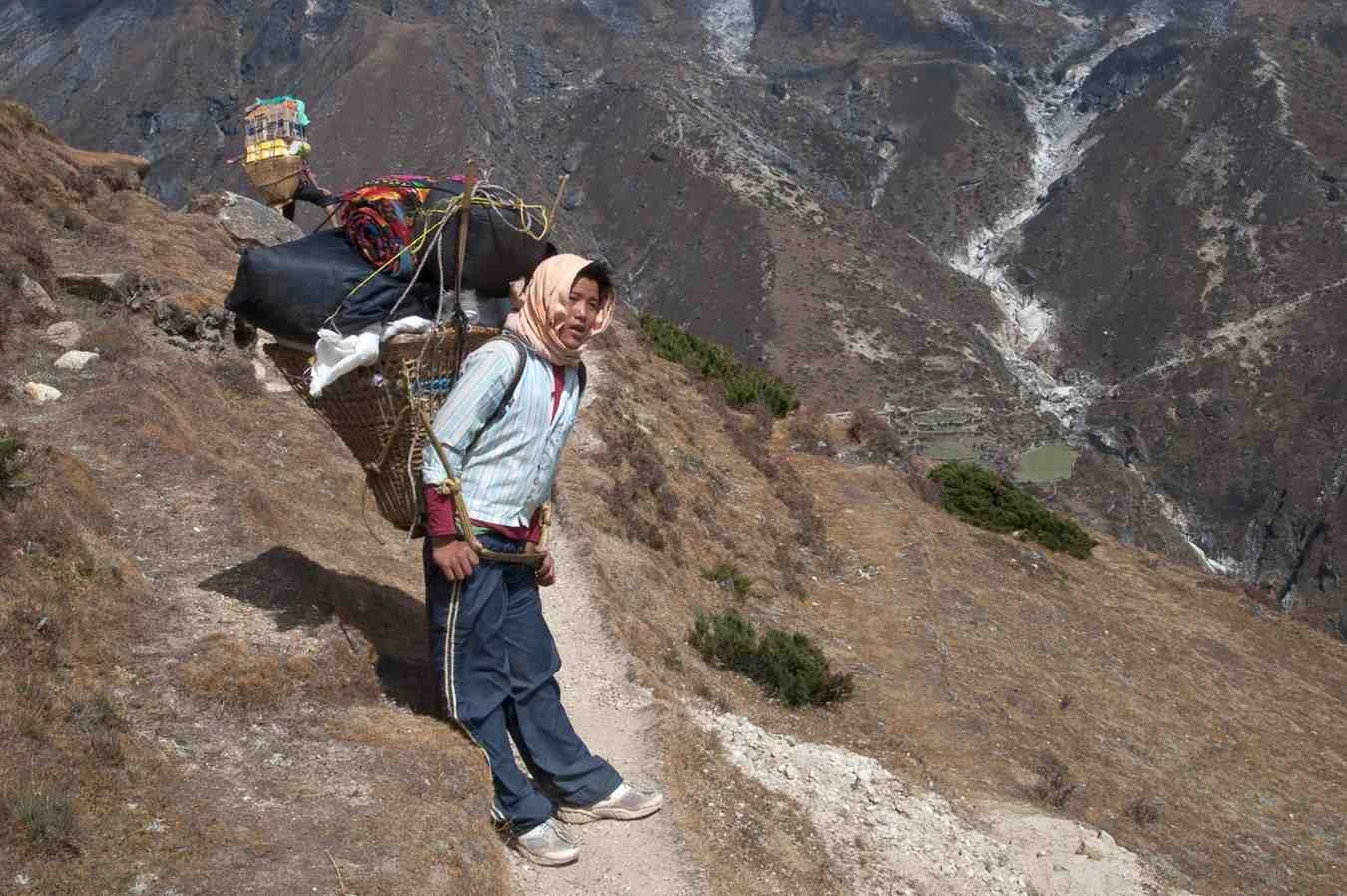
The lifestyle of the Sherpas is seasonal. They herd yaks throughout the year and work in terraced fields in villages such as Namche Bazaar. Their houses are built from stone, heated with yak dung, and family meals often include dal bhat, vegetables, and tsampa. Daily walking in and out of villages supports trade and tourism, allowing modern guiding work to coexist with traditional ways of life.
Home, Food, and Family Life at High Altitude
Sherpa homes in the Khumbu region are constructed from stone and wood to protect families during harsh winters, when temperatures can fall below -20°C. These homes often house multiple generations and feature a central fire used for cooking and warmth. Yak dung is commonly used as fuel, as firewood is scarce at higher altitudes.
Food is simple yet nourishing. Meals typically consist of potatoes, barley-ground tsampa, and butter tea made from yak milk. Wild greens and dried meat are also consumed to help families stay healthy at high altitude. In the past, extended family structures included polyandry, ensuring no one was excluded. Today, community-based parenting remains common.
While women generally manage household responsibilities, men often work as porters or guides. In the evenings, families gather around the fire to share stories and drink homemade millet beer. Social bonds are further strengthened during festivals such as Dumji, where communal meals and traditional dances showcase Sherpa culture. These daily practices build both endurance and resilience in the thin mountain air.
Sherpa Culture, Traditions, and Spiritual Beliefs
Religious life and seasonal celebrations play a central role in strengthening Sherpa culture. Monasteries serve as centers of learning and art, preserving traditions such as thangka painting and masked cham dances. Prayer flags on mountains and stone walls carved along trails honor ancestors and offer protection to travelers. Above all, spiritual beliefs guide daily life, as Buddhists view the mountains as sacred and eternal spirits.
Buddhism and Sacred Relationship with Everest
Sherpas follow Nyingma Buddhism, and religious institutions such as Tengboche Monastery stand at the heart of community life. Monks pray, offer blessings, and teach about the uncertainty of life in a dangerous environment. Mount Everest, known as Chomolungma, the Goddess Mother of the World, is not seen as something to conquer but is held in deep respect and reverence.
Before climbs, mountaineers and Sherpas wear silk scarves and offer prayers for protection. Along the trails, prayer wheels, stupas, and carved stones create a spiritual path through the mountains.
During Losar, the Tibetan New Year, masked dances are performed to drive away negative energy. Beliefs in reincarnation shape moral values and reinforce respect for life. This spiritual foundation supports Sherpas during rescues and dangerous work, blending religious faith with practical mountain expertise.
Living at High Altitude: Challenges and Adaptation
Life above 4,000 meters is filled with challenges, including low oxygen levels, severe cold, and isolation. Despite these hardships, Sherpas have learned to cope through physical adaptation and traditional knowledge passed down through generations. However, these risks are increasing due to environmental changes and now demand new solutions.
Physical Adaptation to Extreme Altitude
Sherpas have developed natural strengths that allow them to live and work at high elevations. Genetic adaptations help their bodies use oxygen more efficiently, reducing the risk of altitude sickness. Long hours of physical labor are supported by strong lungs and muscles, while iron-rich diets help maintain healthy blood levels.
Beyond biology, endurance is deeply rooted in Sherpa culture. During climbs, Sherpas move slowly and steadily, allowing their bodies to adjust naturally. They drink warm herbal beverages and often consume garlic tea to aid acclimatization. These practices, passed down through generations, enable them to carry heavy loads with less strain. By teaching these skills to younger generations, Sherpas combine natural ability with learned experience.
Climate Change and Environmental Risks
Climate change has become one of the most serious threats to Sherpa life. Melting glaciers, including the Khumbu Icefall, reduce water supplies and increase the risk of flooding from unstable glacial lakes. Rising temperatures also weaken frozen soil, making trails and buildings more dangerous. At the same time, unpredictable rainfall damages crops and yak grazing lands.
In response, Sherpa communities are adopting methods such as rainwater harvesting and solar power. However, shrinking plant life also affects wildlife and food security. Sherpas actively promote responsible tourism and environmental conservation within Sagarmatha National Park. Even so, these changes threaten their future, highlighting the need for global action to protect this fragile mountain environment.
Sherpas and Mountaineering: Beyond the Guide Stereotype
Sherpas are highly skilled mountain professionals who play a critical role in Everest expeditions. Since Tenzing Norgay reached the summit in 1953, they have been essential in fixing ropes, carrying equipment, and guiding climbers safely through dangerous terrain. Yet Sherpas are far more than porters. Many run their own trekking agencies and contribute to improvements in climbing equipment, often while working in life-threatening conditions. Despite limited international recognition, their expertise and deep mountain knowledge have made modern mountaineering possible.
Roles, Risks, and Responsibilities on Everest
Sherpas take on many responsibilities on Everest. Sirdars lead climbing teams and manage logistics, while Icefall Doctors carefully place ladders and ropes across deep crevasses. Others work as cooks, preparing hot meals and drinks even at camps above 8,000 meters. Their efforts keep daily operations running in extreme conditions.
Despite their skills, the dangers are constant. Sherpas face avalanches, extreme cold, and hidden crevasses. The 2014 Khumbu Icefall avalanche, which killed 16 Sherpas, highlights the risks they endure. Since 1922, more than 200 Sherpas have lost their lives on Everest. In addition to ensuring climbers’ safety, they conduct religious rituals such as puja ceremonies before expeditions.
Although insurance programs and worker unions have improved conditions, pay disparities remain. Even so, Sherpas manage these risks through experience, discipline, and deep respect for the mountains.
Economic Reality of Sherpa Mountain Life
Sherpa income comes from multiple sources. During climbing seasons, guides may earn between $5,000 and $10,000 on Everest, while others operate lodges or sell yak-based products. Tourism creates valuable opportunities, but income is seasonal, requiring careful financial planning. As a result, many families are focusing on education and small businesses, reflecting growing aspirations beyond mountaineering.
Tourism, Income, and Changing Lifestyles
Sherpas earn most of their income during peak climbing months, particularly April and May, working as guides, porters, and cooks. These earnings support education, home construction, and daily expenses. After the season ends, many return to farming and herding to sustain themselves.
Modern influences are increasingly visible in towns such as Namche Bazaar, where international cuisine in teahouses and Wi-Fi coexist with traditional life. Many young Sherpas also seek opportunities abroad in aviation, tourism, and hospitality. While remittances help families build better homes, the high cost of equipment and training can lead to debt. This mix of opportunity and pressure is reshaping Sherpa society.
Women, Families, and Community Structure
Sherpa families traditionally practiced fraternal polyandry as a way to safeguard land ownership. Women were at the center of family life, as they were key to managing the household, animals, and finances. Village councils traditionally led community life and resolved disputes through dialogue rather than authority.
Today, women are increasingly successful in running lodges, trading, and weaving. More families are prioritizing girls’ education, leading to new opportunities in women-led guiding, research, and university education. Extended families help with childcare and day labor, which strengthens community bonds. Monogamous marriages are also becoming more common as household incomes increase.
How Tourism Has Changed Sherpa Life
Until the 1950s, Sherpa communities were largely isolated and self-sufficient. Once Everest became world-famous, trekking tourism brought money and foreign influences. Contact with the modern world accelerated through improved infrastructure, such as airports and roads.
However, economic disparities have grown, with successful guides earning significantly more than traditional farmers. At the same time, younger generations have been empowered through education and English-language skills. Waste has created environmental pressure, leading to conservation efforts and cleanup campaigns. Overall, tourism has improved living standards while gradually eroding some traditional customs.
Responsible Trekking: How Visitors Can Respect Sherpa Life
Travelers can support Sherpa communities by learning simple Nepali greetings and using local guides rather than relying on large foreign agencies. Responsible trekking also involves avoiding drone use around monasteries and carrying all trash back out. When thoughtful visitors engage with these delicately balanced mountain societies, their presence creates a positive and long-term impact.
Cultural Etiquette and Ethical Travel Practices
To respect Buddhist customs, trekkers should walk clockwise around stupas, remove hats inside monasteries, and accept tea when it is offered. Supporting employment at Sherpa lodges and offering gratuities of NPR 500–1,000 per day also helps sustain local livelihoods. Where possible, travelers can reduce pressure on popular trails by choosing less-traveled routes or visiting during off-peak seasons.
Visitors should also avoid single-use plastics and participate in cleanup programs organized by groups such as KEEP. Always seek permission before taking photographs, especially during religious ceremonies or when photographing monks.
Supporting women-owned businesses further strengthens the local economy. Booking permits with fixed dates helps reduce congestion on busy flights. Together, these actions help preserve cultural values and promote sustainable tourism.
The Future of Everest Sherpas’ Mountain Life
Looking ahead, Sherpas are increasingly building more sustainable and secure livelihoods beyond high-risk climbing. Many families are investing in micro-hydropower projects, such as those in Phaplu, using their income to bring clean energy to small villages. At the same time, interest from eco-conscious travelers in solar-powered eco-lodges and organic farming in places like Gokyo is helping communities reduce dependence on seasonal expeditions.
Education is also expanding. Funds such as the Sherpa Education Fund provide scholarships that allow younger generations to pursue studies in tourism, technology, and management in Kathmandu. Digital tools, including trail-mapping apps and web-based platforms, help preserve knowledge and improve safety. Meanwhile, young Sherpas share cultural stories on social media and document festivals to preserve traditions for the next generation. Together, these efforts strengthen community resilience in the face of changing weather and financial uncertainty.
Nevertheless, serious challenges remain. Rapid glacier melting is reducing water sources for agriculture and energy, while ice routes are becoming less predictable and more dangerous. Crowding on the mountain has increased due to heavy tourism and the large number of Everest permits issued. In response, Sherpa organizations advocate for stricter permit limits and rest periods to protect both the environment and climbers.
Tree planting and conservation initiatives are also increasing, and community funds are supporting safer housing and avalanche insurance. These efforts combine traditional knowledge with modern innovation to reinforce long-term resilience.
Seeing Everest Through Sherpa Lives
Everest Sherpas’ mountain life reflects a powerful blend of culture, hard work, and adaptability in the heart of the Himalayas, extending far beyond the idea of reaching the summit. From their early migration from Tibet, which shaped strong and united communities, to their vital role in mountaineering made famous by figures such as Tenzing Norgay, their history reflects deep respect for Chomolungma as a sacred protector.
Daily life in the Khumbu region follows steady routines of yak herding, monastery rituals, and responsible guiding that sustain village life. At the same time, tourism growth and climate change are reshaping their future. Women continue to hold families together through evolving responsibilities, while younger generations blend technology with tradition to build careers in ecotourism and community leadership.
By acting responsibly and showing respect, visitors help protect this way of life. Ultimately, seeing Everest through Sherpa eyes highlights their humanity and encourages deeper respect for lives shaped by mountains, faith, and endurance.
Explore Everest related packages:
FAQs
1. Are all Sherpas involved in Everest climbing or trekking work?
No. Although Sherpas are globally recognized for their connection to mountaineering, many have no connection whatsoever with climbing. Many Sherpas work as teachers, entrepreneurs, lodge owners, airline employees, researchers, and government workers. Families increasingly choose non-climbing occupations because of the dangers, particularly after losing friends and family members in mountain accidents.
2. What language do Sherpas speak, and is it different from Nepali?
Sherpas speak the Sherpa language (or Sherpa), which is similar to the Tibetan language and different from Nepali. Nepali is widely spoken as a second language in education and trade, and English is becoming more popular among the younger generation of Sherpas through tourism and schooling. In their homes, older generations still use Sherpa dialects or Tibetan so they do not lose their culture.
3. Why do many Sherpas have the same first names?
Sherpa names are typically based on the day of the week a person was born (for example, Nima for Sunday, Dawa for Monday, or Pemba for Saturday). This is why many Sherpas share the same names. Surnames were not traditionally used and are now used mainly for administrative and legal purposes in present-day Nepal.
4. How early do Sherpa children start education in remote villages?
Informal learning at home typically begins around ages 4–5, after which children begin attending local schools or monastery-based education in many Khumbu villages. Children often travel for hours on foot due to difficult terrain and weather, or they must live in hostels at lower altitudes. The school year typically follows an agricultural calendar, taking into account seasonal farming needs and winter weather.
5. What role do yaks play beyond transport and farming?
Yaks hold deep significance in Sherpa culture. In addition to providing milk, meat, and transportation, yaks are linked to wealth, survival, and spirituality. Yak butter is used in lamps and festivals, as well as in religious offerings. Yak deaths due to disease or climate change are not only an economic loss but also a cultural and emotional loss for Sherpa families.
6. Is the term “Sherpa” a job title or an ethnic identity?
Sherpa is not a profession but an ethnic identity. It is a common misconception to use the term synonymously with “porter” or “guide.” Although many Sherpas work in the mountaineering industry, not all mountain guides are Sherpas, nor do all Sherpas work in climbing. The term comes from Shar-wa, which means “eastern people” in Tibetan.