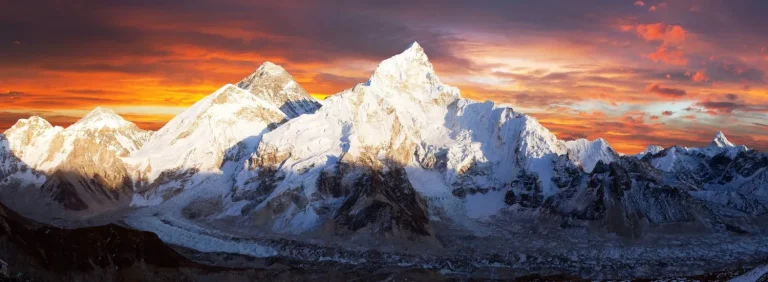
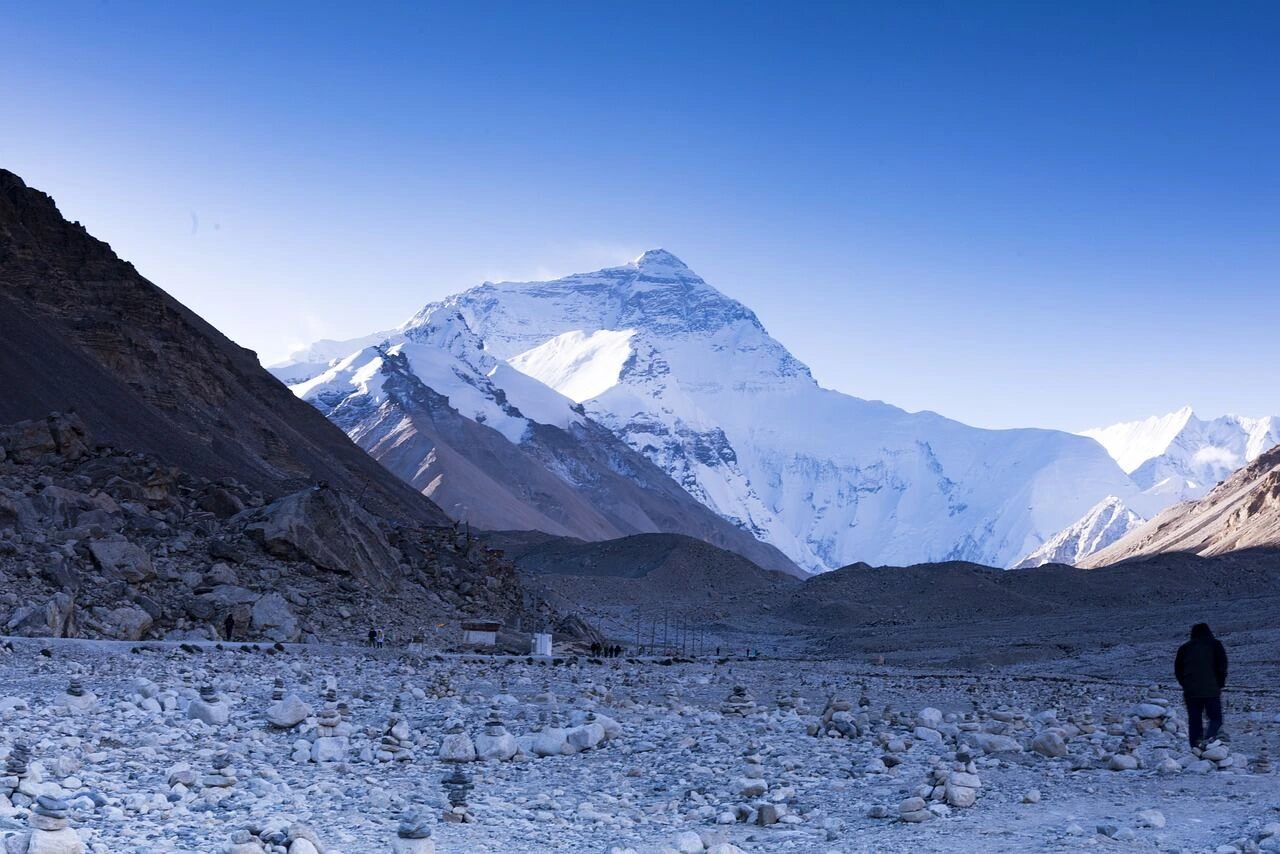
Everest Base Camp is located at an altitude of 5,364 meters on the Nepal side of Mount Everest. It is one of the most important destinations for trekkers and climbers.
In high-mountain trekking, altitude refers to height above sea level. As trekkers ascend, oxygen levels and air pressure decrease. Because of this, physical changes typically begin above 2,500 meters, making breathing more difficult and increasing the body’s workload.
In regions such as the Everest region, altitude is gained over several days, which can pose a risk of altitude sickness if the body does not adapt properly. Common symptoms include headache, nausea, dizziness, fatigue, and shortness of breath. Understanding altitude zones classified as high, very high, and extreme is essential, along with ascending slowly.
Strategies such as climbing high and sleeping low, adequate hydration, carbohydrate-rich meals, and scheduled rest days help reduce risk. Additionally, dry cold air and strong winds can intensify altitude effects, making proper clothing and preparation essential throughout the trek.
Why Everest Base Camp Altitude Is a Major Concern
Everest Base Camp sits at 5,364 meters, making altitude one of the greatest challenges of the trek. Starting from Lukla, trekkers gain over 3,000 meters in elevation over 12–14 days, placing continuous stress on the body.
Physical activity combined with reduced oxygen levels and dehydration further increases the risk of altitude sickness. A large number of trekkers experience mild symptoms, especially around Gorak Shep. For this reason, proper fitness training, medical checks, and well-planned itineraries are critical for safety.
- Oxygen saturation decreases to 50–60% compared to sea level.
- Average daily altitude gain is 300–500 meters after acclimatization stops.
- Diamox is commonly recommended at Namche Bazaar.
What Is the Altitude of Everest Base Camp?
The official altitude of Everest Base Camp on Mount Everest is 5,364 meters (17,598 feet) on the south side in Nepal’s Khumbu region. This section outlines the exact elevation, survey standards, and comparisons with other famous trekking routes worldwide.
Everest Base Camp Altitude in Meters and Feet
Everest Base Camp lies at 5,364 meters (17,598 feet) above sea level. It is situated on the Khumbu Glacier, where slow ice movement can cause minor annual elevation changes. However, these changes are negligible and do not affect trekking plans.
The altitude is determined using GPS surveys and official measurements. Both metric and imperial units are provided for international trekkers. Knowing the altitude helps trekkers prepare mentally and physically, especially before starting the trek from Lukla at 2,860 meters. Despite minor variations across sources, the widely accepted altitude used by trekking agencies and maps remains 5,364 meters.
Official Altitude Measurements and Standards
Sagarmatha National Park authorities and international mountaineering organizations confirm the official altitude of Everest Base Camp. GPS devices and calibrated altimeters are used to establish these measurements.
Although glaciers naturally change over time, annual altitude variation is minimal. As a result, guidebooks, trekking software, and permits consistently reflect the same elevation. These standards help trekkers plan acclimatization days at locations such as Namche Bazaar and Gorak Shep, ensuring accurate and safe planning despite environmental changes.
Is Everest Base Camp Considered Extreme Altitude?
Everest Base Camp is classified as a very high altitude rather than an extreme altitude. Very high altitude ranges from 4,500 to 5,500 meters, while extreme altitude begins above 5,500 meters.
Oxygen levels at Base Camp are significantly reduced compared to sea level, making physical activity more demanding even for fit trekkers. However, with proper acclimatization over several days, risks can be minimized. Trekkers are advised to monitor symptoms closely and descend if conditions worsen. Unlike extreme zones such as Everest’s summit, Base Camp can be reached by most trekkers without supplemental oxygen.
- Base Camp carries the highest risk on the arrival day.
- Extreme altitude begins above 5,500 meters.
- Heart rate is affected even while resting.
How Everest Base Camp Compares to Other Famous Treks
Everest Base Camp is commonly compared with other popular trekking routes worldwide. While each trek varies in difficulty, EBC stands out because of its altitude, length, and accessibility. These comparisons help trekkers understand how demanding the EBC trek can be.
| Trek | Altitude (m/ft) | Duration (days) | Key Challenge |
|---|---|---|---|
| Annapurna Base Camp | 4,130 / 13,549 | 10–12 | Steeper climbs and weather changes |
| Kilimanjaro Summit | 5,895 / 19,341 | 7–9 | Rapid ascent and limited acclimatization |
| K2 Base Camp | 5,150 / 16,900 | 14–18 | Remote location and rough terrain |
| Machu Picchu | 2,430 / 7,972 | 4–5 | Lower altitude and easier access |
Are There Different Altitudes for Everest Base Camp?
Mount Everest has two base camps located on opposite sides of the mountain. The South Base Camp in Nepal is at 5,364 meters, while the North Base Camp in Tibet sits at 5,150 meters. Although both offer impressive views of Everest, they differ in access, terrain, popularity, and trekking experience. This section explains how each route compares and what trekkers can expect.
Altitude of South Everest Base Camp in Nepal
South Everest Base Camp is located at 5,364 meters (17,598 feet) on the Khumbu Glacier within Sagarmatha National Park. The trek typically takes 12–14 days, beginning with a flight to Lukla at 2,860 meters, followed by a long ascent.
Along the route, trekkers stop at well-known acclimatization points such as Namche Bazaar, Tengboche, and Pheriche, allowing the body to adapt gradually. During climbing seasons, Base Camp becomes lively with expedition tents, stone walls, and helicopter activity, set against massive ice formations. Due to its landscape, trekking culture, and traditional route, this camp attracts tens of thousands of trekkers each year.
Why the South Route Is the Most Popular
The South route is the most popular, primarily because of its accessibility from Kathmandu. A short scenic flight to Lukla connects trekkers directly to the trail, offering greater flexibility in planning.
The route also features well-developed infrastructure, including teahouses, food options, and emergency services. Sherpa villages and side trips to scenic viewpoints add cultural depth to the experience. As a result, this route suits a wide range of trekkers, from beginners to experienced hikers.
- Easy access from Kathmandu via a short flight
- Major acclimatization stops at Namche and Tengboche
- Famous viewpoints such as Kala Patthar (5,644 m)
Altitude of the North Everest Base Camp in Tibet
North Everest Base Camp is located at 5,150 meters (16,900 feet) on the Tibetan Plateau near Rongbuk Monastery. Unlike the South route, most visitors reach this camp by road, traveling from Lhasa along the Friendship Highway.
The North Base Camp is slightly lower in elevation and sits on an open, arid plateau. The terrain is vast, and winds are strong, with fewer visitors overall. The nearby monastery adds a calm and spiritual atmosphere, making the experience quieter and more remote compared to Nepal.
Geographic Differences and Access Limitations
The South Base Camp lies in a forested valley that gradually transitions into rocky and icy terrain. Weather conditions are unpredictable, and flights to Lukla may be delayed. However, trekking permits are relatively easy to obtain through Nepal-based agencies.
The North Base Camp is located in a high-altitude desert with less demanding terrain but stronger winds. Access is more restricted, requiring special permits and prearranged tours. These regulations limit visitor numbers each year, affecting trekking seasons, costs, and overall traffic on the route.
North vs South Everest Base Camp Altitude Comparison
Both base camps offer unique experiences, but they differ in altitude, accessibility, and overall trekking requirements. These differences often influence which route trekkers choose.
| Aspect | South (Nepal) | North (Tibet) |
|---|---|---|
| Altitude | 5,364 m / 17,598 ft | 5,150 m / 16,900 ft |
| Access | Flight + long trek | Drive and short walk |
| Popularity | Very high | Limited |
| Views | Icefall and south face | North face and monastery |
How Altitude Changes During the Everest Base Camp Trek
The Everest Base Camp trek involves a gradual elevation gain from Lukla at 2,860 meters to Everest Base Camp at 5,364 meters over a period of 12 to 14 days. This section describes the trek’s starting point, key rest stops with their elevations, daily altitude gains, and safe ascent rates to be followed. Understanding these changes enables trekkers to maintain a comfortable pace while navigating steep trails and glaciers.
Starting Altitude of the Everest Base Camp Trek (Lukla)
The Tenzing-Hillary Airport in Lukla sits at 2,860 meters (9,383 feet) and serves as the starting point of the trek. Short flights bring trekkers to this location amid dramatic mountain scenery.
Although Lukla is the starting point, it is already at a high altitude, which may mildly affect some individuals, especially those coming directly from sea level. For this reason, it is important to drink plenty of water and walk slowly on the first day. Lukla is also prone to weather delays, so it is advisable to keep flexible schedules before beginning the trek through this busy mountain village.
Major Stops and Their Altitudes
The trail to Everest Base Camp includes several key stops where trekkers can acclimatize gradually to higher altitude levels. Each village offers rest, food, and shelter, helping the body adjust to thinner air.
- Phakding (2,610 m / 8,563 ft): Phakding is the first overnight stop after leaving Lukla. The trail descends gently along the Dudh Koshi River, crossing suspension bridges and passing small monasteries. Its easy terrain helps trekkers recover from the flight while providing an introduction to trekking life and Sherpa culture.
- Namche Bazaar (3,440 m / 11,286 ft): Namche is the main acclimatization point, reached after a steep ascent from Phakding. It is a vibrant town with shops, bakeries, and rest-day hiking options. Spending two nights here allows the body to adapt to lower oxygen levels before continuing to higher altitudes.
- Tengboche (3,860 m / 12,664 ft): Tengboche is a well-known location featuring a famous monastery and expansive mountain views. The trail passes through forests and climbs to an exposed ridge where strong winds are common. Evening prayers are often part of the experience, adding a cultural and spiritual dimension to the trek.
- Dingboche (4,410 m / 14,469 ft): Dingboche is another important acclimatization stop, situated in a wide valley. Trekkers usually take a rest day here, with short hikes to higher viewpoints. The landscape becomes more rugged, marking the transition into very high-altitude terrain.
- Lobuche (4,940 m / 16,207 ft): Lobuche lies near rocky moraines and memorials dedicated to climbers who lost their lives on Everest. The air is noticeably thinner, and fatigue increases. Walking distances are shorter, but the terrain becomes more challenging.
- Gorak Shep (5,164 m / 16,942 ft): Gorak Shep is the final settlement before Everest Base Camp. Located on a dry lakebed, it also serves as the starting point for the Kala Patthar hike. Conditions are harsh at this altitude, with cold temperatures and strong winds.
- Everest Base Camp (5,364 m / 17,598 ft): Everest Base Camp is located on the Khumbu Glacier, surrounded by ice formations and prayer flags. It is typically visited as a day trip from Gorak Shep. Although the summit of Everest is not visible from this point, reaching Base Camp marks the successful completion of the trek.
Daily Altitude Gain on the EBC Route
Daily altitude gains of 200 to 500 meters are typical after the first few days. Certain sections, such as the climb to Namche Bazaar, involve larger elevation increases but are balanced by scheduled rest days. As the trek progresses, even small ascents become more difficult due to rocky terrain and thinner air.
Throughout the route, trekkers gain over 2,500 meters in elevation, making pacing and recovery essential. Sleeping altitude should not increase by more than 300 to 500 meters per day above 3,000 meters, and rest days are recommended every few days. Ignoring these guidelines significantly increases the risk of altitude sickness, so trekkers should listen to their bodies and avoid rushing, even when traveling in a group.
Why Everest Base Camp Altitude Matters
The elevation of Everest Base Camp has a major impact on the human body, as oxygen concentration is significantly lower compared to sea level. This affects performance, sleep, energy levels, and breathing.
At high altitude, the body works harder to absorb oxygen, resulting in an increased heart rate and reduced sleep quality. Muscle strength declines, swelling may occur, and mental concentration can decrease. Dry air also increases the risk of dehydration, making hydration essential throughout the trek.
- Hemoglobin saturation decreases to approximately 70–80%.
- Resting heart rate rises significantly.
- Physical stamina decreases noticeably.
- Fluid retention in the hands and feet may occur.
- Sleep becomes lighter and more irregular.
Altitude Sickness at Everest Base Camp
Everest Base Camp, at 5,364 meters, carries a real risk of altitude sickness, even for well-prepared trekkers. Mild symptoms affect many trekkers, while severe cases occur when warning signs are ignored.
Altitude sickness develops when the body cannot adapt quickly enough to increasing elevation. Early symptoms include headache, nausea, and fatigue. If left untreated, it can progress to serious conditions affecting the lungs or brain. Immediate descent is the most effective treatment, and supplemental oxygen or medication may be required.
- The first warning sign is usually a headache.
- It is often accompanied by nausea and loss of appetite.
- Shortness of breath is a serious concern.
- Loss of coordination indicates severe illness.
- A persistent cough may signal lung-related complications.
Acclimatization and Everest Base Camp Altitude
Acclimatization is the only way to safely reach Everest Base Camp at 5,364 meters. As altitude increases, oxygen levels decrease, so the body must adapt gradually to prevent altitude sickness. Proper acclimatization allows the body to adjust steadily throughout the trek’s 2,500+ meter elevation gain.
Some of the most crucial acclimatization stops, such as Namche Bazaar (3,440 m) and Dingboche (4,410 m), include rest days that follow the “climb high, sleep low” strategy. On these days, trekkers hike to higher elevations and return to sleep at a lower point. Consequently, the body gradually becomes more efficient in breathing, fluid metabolism, and oxygen consumption throughout the 12–14-day hike.
Breathing rate, kidney function, and blood composition adjust over the following days to absorb more oxygen. Short acclimatization hikes near Namche or Dingboche are used to induce these changes without placing excessive strain on the body. When done properly, this gradual process significantly reduces the risk of altitude sickness.
- Take acclimatization days every 3–4 days above 3,000 m.
- Increase sleeping altitude by only 300–500 m per day.
- 24–48 hours of rest at Namche and Dingboche.
- Measuring symptoms using the Lake Louise Score.
- Descend if symptoms are moderate or worsening.
How to Prepare for Everest Base Camp Altitude
Training for Everest Base Camp requires 3 to 6 months of physical exercise to handle long hiking days at elevated altitudes. Trekking days consist of 8–10 hours of walking with continuous altitude gain, making stamina critically important.
Aerobic exercises such as running, cycling, or hiking with a loaded backpack help build endurance. Additionally, stair climbing is particularly beneficial since it closely resembles the steep trails of the Khumbu region. Strength training is valuable for maintaining leg stability on rocky and uneven terrain. Many trekkers also use medications such as Diamox to aid acclimatization, along with staying hydrated and consuming high-energy foods.
Although supplements can help, physical fitness remains the most important factor. Proper preparation enables trekkers to conserve energy, recover quickly, and manage altitude stress during the trek.
- Train for at least 12 weeks, 4–5 days per week.
- Gradually increase backpack weight to at least 10 kg.
- Practice stair climbing on a regular basis.
- Drink at least 3–5 liters of water daily with electrolytes.
- Diamox is commonly recommended, especially early in the trek.
How Altitude Affects Weather and Temperature at Everest Base Camp
Altitude significantly impacts the weather and temperature at Everest Base Camp. The higher the elevation, the lower the temperature, making EBC much colder than lower villages. Conditions remain harsh even during peak trekking seasons.
During spring, daytime temperatures can remain below freezing, and nights can be extremely cold due to the glacial environment. Strong winds create severe wind chill, making it feel even colder and making appropriate clothing essential. Although daytime sunlight provides some warmth, temperatures drop rapidly after sunset.
Seasonal variation also plays a role. Spring offers clearer weather, while the monsoon season is warmer but more humid at lower altitudes. Weather can change rapidly, so trekkers should be prepared for sudden cold, wind, and reduced visibility.
- Daytime temperatures range from -5°C to 5°C in spring.
- Night temperatures: -25°C to -40°C.
- Wind chill is often below -30°C.
- Autumn is slightly warmer but drier.
- Strong winds are common around Base Camp.
Is Everest Base Camp Altitude Suitable for Beginners?
Everest Base Camp at 5,364 meters is challenging, but beginners can succeed with proper preparation. The trek follows a gradual 12–14 day itinerary, starting at Lukla, allowing first-time trekkers time to adapt despite lacking high-altitude experience.
Additionally, most guided treks follow conservative schedules where daily increases in sleeping altitude are limited to 300–500 meters. This gradual approach minimizes the risk of altitude sickness, which commonly affects those who ascend too quickly. Because of this approach, many fit beginners successfully complete the trek each year.
Another factor that makes EBC suitable for beginners is the supportive trekking infrastructure. The trail is well marked, teahouses are located at regular intervals, and experienced Sherpa guides provide support throughout. Unlike technical mountaineering routes, the EBC trek requires no climbing skills, only consistent walking and stamina.
Guides constantly monitor trekkers’ well-being, schedule rest days at Namche Bazaar and Dingboche, and coordinate porters to carry heavy equipment. Consequently, beginners can focus on walking, recovery, and acclimatization. Base Camp is accessible not only to experts; many people in their 20s to 50s successfully reach it with proper training and motivation.
- 80–90% success rate for beginners on guided treks.
- No technical climbing experience required.
- Teahouses are available at all major stops.
- Guides regulate the pace and conduct health checks.
- Fitness requirement: ability to walk 10 km daily.
FAQs
1. Does Everest Base Camp altitude affect appetite and digestion?
For most trekkers, high altitude decreases appetite and slows digestion. This occurs because the body prioritizes oxygen delivery over digestion at higher elevations. This can cause trekkers to feel full quickly or lose their appetite entirely, which is why small, frequent, carbohydrate-rich meals are recommended throughout the trek.
2. Can altitude affect mental focus and decision-making at Everest Base Camp?
At very high altitudes, low oxygen levels can affect the ability to concentrate, remember, and exercise judgment. Trekkers may experience slower cognitive function and reduced alertness, particularly around Gorak Shep and Base Camp. This is why guides emphasize maintaining a slow pace, clear communication, and avoiding risky decisions, especially late in the day.
3. Is it harder to sleep at Everest Base Camp because of altitude?
Yes, most trekkers experience poor sleep at higher altitudes due to changes in breathing patterns caused by elevation. Nighttime sleep disturbances include lighter sleep, frequent awakenings, and shortness of breath. This is uncomfortable but normal and improves after descent. These symptoms do not necessarily indicate severe altitude sickness.
4. Does age significantly affect how people handle Everest Base Camp altitude?
Age alone does not determine how well someone adapts to altitude. Many older trekkers handle the Everest Base Camp altitude better than younger ones due to their measured pace, training, and experience. Age is less important than fitness level, hydration, ascent rate, and recovery habits.
5. Can altitude symptoms appear after reaching Everest Base Camp?
Yes, altitude symptoms may still occur even after successfully reaching Base Camp. These may include fatigue, headaches, or sleep disturbances, which can persist until trekkers descend to lower elevations. This is why most trekkers descend immediately after visiting Base Camp rather than spending the night.