Everest Base Camp (EBC) in Nepal is located at an altitude of 5,364 meters (17,598 feet) above sea level. Due to the extreme elevation, oxygen levels are significantly lower, making breathing more difficult and physical movement slower. As a result, acclimatization is essential to reduce the risk of altitude-related conditions such as Acute Mountain Sickness (AMS). This guide provides information on the altitude, location, trekking experience, and the effects of high elevation on the human body.
Everest Base Camp serves as the starting point for expeditions attempting to climb Mount Everest, the highest mountain on Earth at 8,848 meters above sea level. Located in the remote Khumbu Valley of Nepal, it attracts mountaineers preparing for summit attempts as well as trekkers seeking a once-in-a-lifetime experience. Although no technical climbing skills are required to reach the base camp, the high altitude presents significant physical challenges. Therefore, the journey must be undertaken with caution, involving a slow pace, scheduled rest days, and proper preparation.
Understanding Everest Base Camp
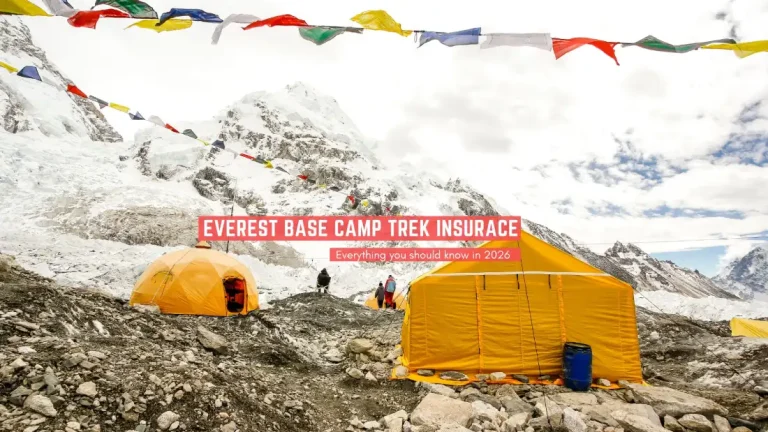
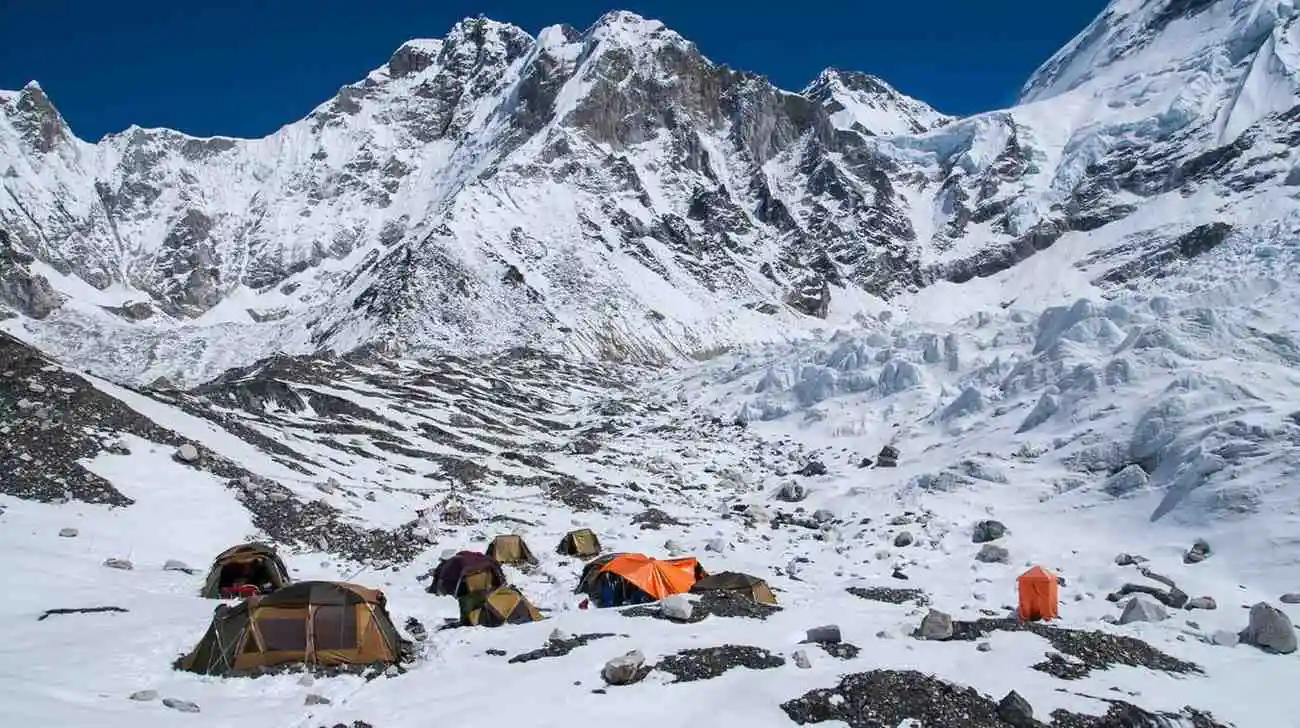
During climbing seasons, Everest Base Camp operates as a temporary settlement consisting of expedition tents, prayer flags, and supply areas. It is the staging point where mountaineers prepare to cross the dangerous Khumbu Icefall, the first major obstacle on the route to the summit. The South Base Camp in Nepal, located within Sagarmatha National Park, is the most commonly used and busiest camp. It receives the highest number of visitors during the spring (March–May) and autumn (September–November) seasons.
In contrast, the North Base Camp in Tibet is more remote and less crowded. Located near Rongbuk Monastery, it offers close-up views of Everest’s North Face. Due to strict permit requirements and limited access, significantly fewer visitors travel to this side, making it a preferred destination for those seeking a quieter and less commercialized experience.
Elevation Overview
Both Everest Base Camps are located above 5,000 meters, placing them in the category of very high altitude environments. At this elevation, oxygen levels drop significantly, increasing fatigue and the risk of altitude-related health issues. For this reason, choosing the appropriate route, whether Nepal or Tibet, is important, as it affects not only the overall travel style but also acclimatization requirements. Although there are slight elevation variations due to glacial movement and terrain changes, standard altitude readings are sufficient for planning gear, itineraries, and rest days.
South Base Camp (Nepal)
Located at the head of the Khumbu Valley, the South Everest Base Camp sits at an elevation of 5,364 meters (17,598 feet). It is surrounded by towering peaks such as Pumori, Nuptse, and Lhotse, creating a dramatic mountain setting. Reaching this camp requires several days of trekking from Lukla, with a gradual and consistent gain in altitude.
The final section passes through rocky moraine and unstable glacial terrain, where afternoon warmth can increase the risk of rockfalls. Although the summit of Everest is not clearly visible from the camp, its proximity to the mountain makes the site especially significant for trekkers.
North Base Camp (Tibet)
In comparison, the North Everest Base Camp is slightly lower, at approximately 5,150 meters (16,900 feet). On the Tibetan side, the terrain is less steep and can be accessed by vehicle from Tingri.
However, the altitude still places considerable strain on the body, with oxygen levels at roughly half of those at sea level. In addition, Tibet’s dry climate increases the risk of dehydration, making proper hydration even more essential. The camp is situated above the vast Rongbuk Glacier and directly below Everest’s imposing North Face, offering a stark and serene environment with limited facilities and fewer visitors.
Comparison Table
As shown in the table below, the primary differences between the two Everest Base Camps relate to elevation, access, and overall experience. This comparison helps travelers make informed decisions when selecting a route.
| Base Camp Location | Elevation (Meters) | Elevation (Feet) | Key Features |
|---|---|---|---|
| South EBC (Nepal) | 5,364 m | 17,598 ft | Trek-only access, busy seasons, Khumbu Icefall views |
| North EBC (Tibet) | 5,150 m | 16,900 ft | Vehicle access, fewer crowds, Rongbuk Glacier scenery |
Why Elevation Matters
The high altitude at Everest Base Camp significantly affects both the human body and the overall trekking experience. As elevation increases, oxygen levels decrease, temperatures drop, and routine activities become more demanding.
Even simple actions such as walking, eating, or sleeping require additional effort. For this reason, the trek is not merely a long hike but a physically demanding challenge. Understanding how elevation impacts the body helps trekkers prepare more effectively, travel safely, and reduce the risk of emergency evacuations.
Altitude’s Effect on the Body
At an elevation of 5,364 meters, the available oxygen is roughly half of that at sea level. As a result, breathing becomes faster, and the heart must work harder to deliver oxygen throughout the body. In response, the body gradually produces more red blood cells to improve oxygen transport. During the first few days at high altitude, many individuals experience headaches, loss of appetite, nausea, fatigue, and sleep disturbances.
If left unaddressed, these symptoms can progress into serious altitude-related illnesses affecting the lungs or brain. Immediate descent remains the most effective treatment, although medications such as Diamox can help the body adjust more quickly when used correctly.
Reduced Oxygen Availability
At high altitude, limited oxygen availability means physical exertion leads to faster fatigue. Muscles shift to less efficient energy use, causing exhaustion to occur more quickly, especially during uphill walking. For this reason, the trekking pace must be slowed.
Reduced oxygen levels can also impair cognitive function, affecting balance and mental clarity, which increases the risk of slips on rocky or icy terrain. Maintaining proper hydration by drinking between 4 and 6 liters of water daily supports blood circulation and aids respiration in the dry mountain environment.
Risk of Acute Mountain Sickness (AMS)
The risk of Acute Mountain Sickness (AMS) increases significantly at altitudes above 4,000 meters. Common symptoms include headaches, nausea, light-headedness, and insomnia, which often worsen at night. If ignored, AMS can develop into life-threatening conditions such as pulmonary or cerebral edema.
For this reason, guides follow the principle of “climb high, sleep low” and carry emergency equipment to manage symptoms until descent is possible. Preventive medications may benefit some individuals, but careful monitoring remains the most critical factor.
Importance of Acclimatization
The body adapts more effectively through planned rest days at locations such as Namche Bazaar (3,440 m) and Dingboche (4,410 m). Proper acclimatization allows the body to use oxygen more efficiently, making higher elevations safer to reach. Monitoring heart rate and oxygen saturation can help detect early warning signs.
Most importantly, limiting increases in sleeping altitude to less than 500 meters per day significantly reduces the risk of altitude sickness and improves overall trekking success.
How Elevation Affects Weather and Temperature
Higher elevations bring harsh and unpredictable weather conditions. Strong winds can create temperatures far colder than expected, while nighttime cold can freeze water, equipment, and clothing.
At the same time, thinner air allows more intense sunlight, increasing the risk of sunburn and snow blindness without proper eye protection. Weather conditions can change rapidly within hours, making layered clothing, windproof jackets, and storm-ready gear essential for safety.
How Elevation Changes During the Trek
The standard round-trip Everest Base Camp trek typically takes between 12 and 14 days when starting from Lukla. During this period, trekkers gain approximately 2,500 meters in elevation, with additional ascents and descents along the route. The itinerary is designed with gradual elevation increases and scheduled rest days to help the body acclimatize safely. By trekking through varying weather conditions and landscapes, resting in teahouses, and maintaining a controlled pace, trekkers reduce the risks associated with altitude changes.
Starting Point
The trek begins at Tenzing-Hillary Airport in Lukla, which sits at an elevation of 2,860 meters (9,383 feet). The airport features a short runway carved into the mountainside, making weather a critical factor for safe flights from Kathmandu. From Lukla, the trail initially descends toward the Dudh Koshi River, helping the body adjust to altitude.
Along the route, trekkers encounter active porter traffic, stone walls, and prayer wheels, offering an early introduction to Sherpa culture. Manthali Airport often serves as an alternative flight option when weather conditions are unfavorable, highlighting how dependent the trek remains on weather stability.
Key Stops and Elevations
As the trail follows the Dudh Koshi Valley, altitude gradually increases through forests, villages, and alpine terrain. These stops support acclimatization while providing food, shelter, and cultural experiences. Together, these villages form a natural progression toward Everest Base Camp at 5,364 meters.
Phakding (2,610 meters): After Lukla, the trail leads to Phakding, where trekkers can rest following the initial travel fatigue. The route crosses suspension bridges and shaded forests, making it a manageable first day. Warm meals and welcoming teahouses help prepare trekkers for the steeper climbs ahead.
Namche Bazaar (3,440 meters): A sustained ascent brings trekkers to Namche Bazaar, the main trading center of the Khumbu region. The village offers shops, bakeries, and trekking services. Short hikes to nearby viewpoints provide early mountain scenery and support acclimatization before continuing higher.
Tengboche (3,860 meters): The trail climbs from Namche to Tengboche, home to the region’s most important monastery. This spiritual site offers panoramic views of snow-covered peaks and marks a noticeable increase in altitude, where the thinning air becomes more apparent.
Dingboche (4,410 meters): Continuing up the valley, trekkers reach Dingboche, a spacious village surrounded by stone walls and yak pastures. The environment becomes drier and colder. Short acclimatization hikes in the area help the body adapt before moving to higher elevations.
Lobuche (4,940 meters): Beyond Dingboche, the trail enters a barren and colder landscape. Lobuche lies near memorials dedicated to climbers lost on Everest. Oxygen levels are significantly reduced here, making rest and hydration especially important.
Gorak Shep (5,164 meters): The final settlement before Base Camp is Gorak Shep, located on a stark, rocky plain. Facilities are limited, and maintaining hydration is critical. Many trekkers also use this stop to climb Kala Patthar for sunrise views of Everest.
Elevation Gain per Day
To reduce the risk of altitude sickness, increases in sleeping altitude should not exceed 400–500 meters per day above 3,500 meters. Daytime acclimatization hikes allow the body to adapt without excessive strain. This pacing aligns with international high-altitude safety guidelines and significantly lowers health risks.
Day 1: Lukla to Phakding – A gentle downhill walk that introduces trekkers to the route.
Day 2: Phakding to Namche Bazaar – A demanding ascent to the main acclimatization hub.
Day 3: Namche acclimatization day – Short hikes to aid adaptation while sleeping at the same elevation.
Day 4: Namche to Tengboche – Gradual ascent with expansive mountain views.
Day 5: Tengboche to Dingboche – Continued ascent into higher and drier terrain.
Day 6: Dingboche acclimatization day – Short hikes that support red blood cell production.
Day 7: Dingboche to Lobuche – Slower pacing required due to colder conditions and reduced oxygen.
Day 8: Lobuche to Gorak Shep and onward to Everest Base Camp – Final ascent across rocky moraine to the destination.
Suggested Elevation Gains
Proper acclimatization is essential for a safe and successful trek. This approach minimizes the risk of altitude sickness and fatigue by allowing the body adequate time to adjust.
- A brief acclimatization walk is included every third day.
- Sleeping altitude gains remain below 500 meters per day.
- Trekking pace is guided by oxygen levels and heart rate.
- Emergency support is available, though prevention remains the priority.
- Beginners are advised to follow longer itineraries, while experienced trekkers may progress at a faster pace.
How Elevation Impacts Trek Planning
Altitude plays a critical role in planning the Everest Base Camp trek. As the trail rises above 5,000 meters, the body is placed under increased physical stress, and the risk of altitude sickness becomes significantly higher. For this reason, trekkers require longer itineraries with adequate rest days.
A 12–16-day itinerary is considerably safer than a condensed 10-day trek. Elevation also affects fitness preparation, packing requirements, permit considerations, and emergency planning, particularly given the unpredictable mountain weather.
Acclimatization Days
Proper acclimatization is essential for a safe trek. Most itineraries include two to three scheduled rest days at key locations such as Namche Bazaar (3,440 m) and Dingboche (4,410 m), with an additional stop at Pheriche. These rest days follow the principle of “climb high, sleep low,” where trekkers ascend to higher elevations during the day but return to lower altitudes to sleep.
For example, short elevation gains between Namche and Dingboche help the body adapt gradually without excessive strain. During this period, the body increases red blood cell production to improve oxygen utilization. To reduce the risk of altitude sickness, sleeping altitude gains are kept below 400 meters per day above 3,500 meters. Progress can also be monitored using tracking tools to detect early warning signs.
Fitness and Preparation
Physical preparation before the trek is essential. Cardiovascular activities such as walking, running, cycling, and stair climbing help build endurance for low-oxygen environments when performed consistently over several weeks. Strength training focused on the legs and core supports long walking days and carrying a backpack.
A medical check-up before departure is strongly recommended, including assessments of oxygen saturation, heart health, and overall fitness. Travel insurance should also include high-altitude helicopter evacuation coverage, as medical facilities are limited in the remote mountain regions.
Physiological Effects of High Elevation
At an elevation of 5,364 meters, oxygen levels are significantly lower than at sea level. Consequently, the heart beats faster and breathing becomes more rapid to compensate. Most trekkers experience fatigue, headaches, loss of appetite, and disrupted sleep during the first days at high altitude.
If these symptoms are not addressed, they may progress to serious altitude illnesses such as pulmonary or cerebral edema. Critical warning signs include severe shortness of breath, confusion, and impaired coordination.
Maintaining a slow pace, proper hydration, and a high-carbohydrate diet are key preventive measures. Medications can be helpful but do not replace careful pacing. If symptoms do not improve with rest, immediate descent is essential. Oxygen supplementation and emergency evacuation can be lifesaving in severe cases.
Practical Tips for Managing Elevation
High altitude places significant stress on the body. Proper planning, daily care, and awareness are essential for safety and to enjoy the trek fully. Small measures can make a major difference in preventing altitude sickness and maintaining energy levels:
- Drink 4–6 liters of water per day.
- Avoid alcohol and limit caffeine.
- Consume energy-rich foods such as rice, pasta, and potatoes.
- Wear warm, layered clothing to cope with cold nights.
- Monitor your body and take regular breaks.
- Descend immediately if severe symptoms appear.
- Use trekking poles and proper footwear to reduce strain.
- Use a pulse oximeter to track oxygen levels whenever possible.
Elevation and Weather Patterns
High elevation results in extreme temperature variations. Air temperature drops approximately 6–10°C for every 1,000 meters of ascent. For instance, spring daytime temperatures of 15°C in Lukla can drop to −15°C to −30°C at Everest Base Camp.
Thinner air also intensifies solar radiation, increasing the risk of sunburn and snow blindness without eye protection. Rapid weather changes are common: valleys may be warm while exposed ridges remain frozen. Layered clothing and waterproof equipment are essential for safety.
Winds above 4,000 meters can reach 50–100 km/h in the Khumbu passes, lowering perceived temperatures and creating icy surfaces. The Tibetan plateau near North Base Camp experiences persistent strong winds, while some Nepalese valleys face avalanche risks.
The pre-monsoon (March–May) and post-monsoon (September–November) periods offer the most stable weather and clear skies. Comparing local forecasts with apps like Windy can help plan safe trekking days on exposed ridges.
Mastering High-Altitude Trekking
Reaching Everest Base Camp requires respect for the mountains, careful planning, and awareness of personal limits. Gradual ascents, rest days, proper hydration, and monitoring altitude symptoms transform challenges into achievements. Trekking becomes safer and more enjoyable with physical preparation and appropriate gear.
Whether traveling to South Base Camp in Nepal or North Base Camp in Tibet, pacing yourself allows you to experience Everest’s breathtaking landscapes while successfully completing a high-altitude trek. Responsible practices and sustainable trekking choices help preserve this sacred destination for future generations, ensuring Everest Base Camp remains a symbol of human resilience and determination.
FAQs
1. How does high elevation at Everest Base Camp affect sleep?
Low oxygen levels disrupt normal sleep patterns, leading to lighter, fragmented sleep and frequent awakenings. Initial nights may involve difficulty falling asleep, vivid dreams, or restlessness. Rest days and gradual acclimatization are crucial for maintaining energy.
2. Does elevation affect appetite and digestion?
Above 5,000 meters, appetite and digestion often decrease as the body focuses on adapting to low oxygen. Trekkers may feel full quickly or experience nausea. Small, frequent, carbohydrate-rich meals help maintain energy and prevent fatigue.
3. How does elevation influence hydration needs?
High altitude increases water loss through rapid breathing and dry air, raising the risk of dehydration. Trekkers should drink 4–6 liters of fluids daily, including water and electrolyte beverages, to support blood flow, oxygen transport, and reduce altitude sickness risk.
4. Can acclimatization improve physical performance at high altitude?
Gradual acclimatization allows the body to produce more red blood cells, improving oxygen delivery to muscles and organs. This enhances stamina, reduces fatigue, and enables trekkers to handle steep ascents more effectively. Lack of acclimatization increases the likelihood of Acute Mountain Sickness and reduces overall performance.
5. How does high altitude affect mental focus and decision-making?
Reduced oxygen can impair concentration, slow reaction time, and affect coordination, making even simple tasks more complex. Trekkers should exercise caution on rocky or icy terrain. Frequent rest, hydration, and monitoring for warning signs help maintain mental clarity.
6. Are there exercises to prepare for the altitude at Everest Base Camp?
Cardiovascular exercises such as cycling, running, stair climbing, and interval training strengthen the heart and lungs for thin-air conditions. Strength training for the legs, core, and balance supports long treks and backpack carrying. Breathing exercises and yoga can further enhance oxygen efficiency and reduce fatigue at high altitude.