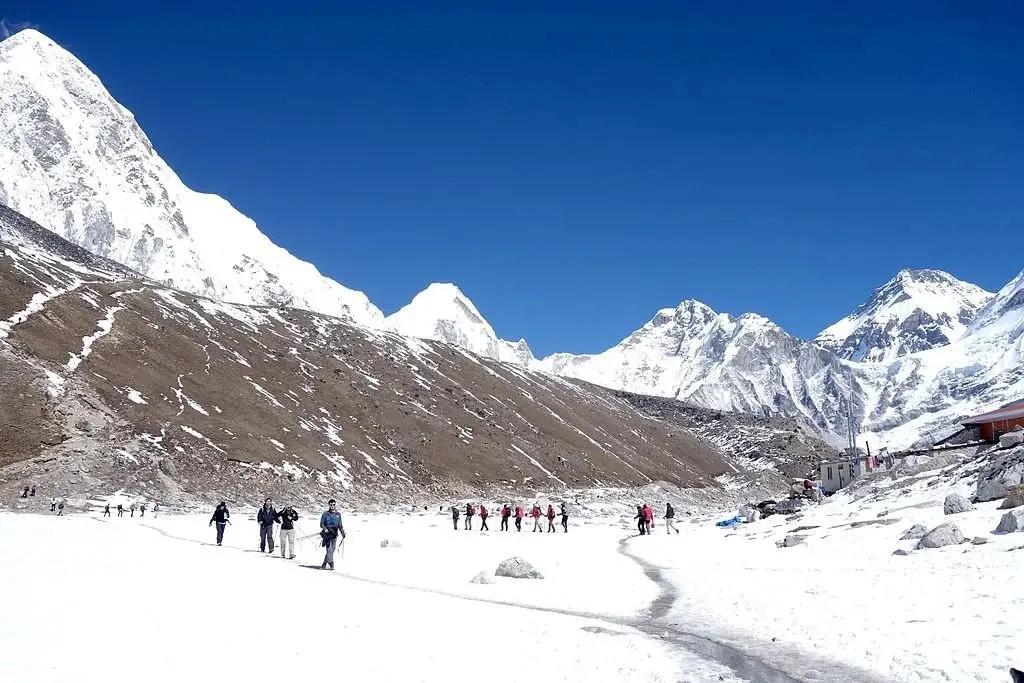
For many adventure-seeking Americans, visiting the highest point in the world—Mount Everest—is a lifelong dream. The Everest Base Camp Trek in Nepal is not merely a hiking trip but an experience filled with adventure, ancient Sherpa culture, spinning prayer flags, serene Himalayan landscapes, and personal transformation.
Whether you’re a first-time trekker planning your maiden journey to the Himalayas or an experienced traveler seeking your next great adventure, the Everest Base Camp trek offers the perfect blend of cultural exposure, raw landscapes, and thrilling exploration.
This comprehensive guide covers everything you need to know — from traveling to Nepal from the USA and the trek itinerary to costs, altitude acclimatization, and booking details with Nepal Outdoor Expeditions.
Quick Facts
-
Region: Everest, Nepal
-
Trip Duration: 12–20 days (depending on itinerary)
-
Best Months: March–May, September–November
-
Max Elevation: 5,364 m (17,598 ft)
-
Difficulty Level: Moderate to Strenuous
-
Key Attractions: Mount Everest, Lhotse, Ama Dablam, Namche Bazaar, Khumbu Glacier, Tengboche Monastery
Why the Everest Base Camp Trek Appeals to American Travelers
1. The Call of the Himalayas
Few places in the world can compare to the cold beauty and grandeur of the Himalayas. The Everest Base Camp trek is not just another hiking trip — it’s the ultimate test of will and endurance. From the adrenaline rush of landing at Lukla (often called the most adventurous airport in the world) to walking among the towering 8,000-meter giants like Lhotse, Nuptse, and Ama Dablam, every moment feels extraordinary.
2. Cultural Belonging and Simplicity
Unlike many other adventure destinations, the Everest Base Camp trek offers a glimpse into a simpler, more authentic way of life. Along the journey, trekkers are warmly welcomed by Sherpa villages, ancient monasteries, and the peaceful rhythm of Buddhist traditions. Many American travelers find this cultural depth both humbling and deeply refreshing.
3. The Sense of Achievement
Reaching the Everest Base Camp at 5,364 meters (17,598 feet) is no small feat — and that’s what makes it unforgettable. For many American trekkers, it represents personal triumph: a symbol of endurance, focus, and freedom from the distractions of modern technology.
Trekk Insights
Best Time for the Everest Base Camp Trek
American tourists will find spring (March to May) and autumn (September to November) to be the best seasons for trekking to Everest Base Camp.
1) Spring (March–May): The days are warm and bright, rhododendrons are in full bloom, and the clear skies make it an excellent time for sightseeing and photography.
2) Autumn (September–November): This season offers crystal-clear views, pleasant weather, and fresh mountain air, making it the busiest and most popular time for the EBC trek.
Anything outside these periods, such as winter (December–February) or the monsoon season (June–August), is best avoided unless you’re prepared to face extreme cold, heavy rain, and cloudy conditions that often obscure mountain views.
How to Get to Nepal from the USA
Flights from the USA to Kathmandu
Americans can easily reach Kathmandu’s Tribhuvan International Airport via connecting flights, as there are currently no direct flights from the USA to Nepal.
-
Qatar Airways: via Doha
-
Turkish Airlines: via Istanbul
-
Emirates: via Dubai
-
Singapore Airlines: via Singapore
The average round-trip airfare ranges from $900 to $1,400, depending on the season and departure city. All routes typically include a layover of 18–24 hours in transit hubs.
Getting to Lukla (the Trek Starting Point)
The flight from Kathmandu to Lukla takes about 30–35 minutes and offers breathtaking views of the Himalayas. Nepal Outdoor Expeditions arranges this domestic flight along with all necessary logistics to ensure a smooth and comfortable departure.
Safety, Permits, and Travel Insurance
Safety is the top priority in any climbing expedition, especially in the Everest region. Although the route is well-developed and successfully used by thousands of climbers each year, it is essential to choose a reputable company that prioritizes your health and well-being at every stage of the journey.
Permits Required
Two essential permits are required for all foreign trekkers, including Americans, to enter the Everest region:
-
Sagarmatha National Park Entry Permit: This permit allows you to visit the protected Sagarmatha National Park, which includes Mount Everest and several other stunning Himalayan peaks.
-
Khumbu Pasang Lhamu Rural Municipality Permit: This local permit contributes to community development and conservation efforts in the region.
Both permits are arranged by Nepal Outdoor Expeditions before you begin your trek, ensuring you don’t have to worry about paperwork or standing in lines in Kathmandu.
Travel Insurance
Himalayan trekking involves high altitudes, unpredictable weather, and remote terrain, so comprehensive travel insurance is crucial. Your policy should include:
-
Coverage for hiking up to 6,000 meters (19,685 ft)
-
Emergency medical and altitude sickness evacuation by helicopter
-
Coverage for trip cancellations or flight delays due to weather conditions
Altitude, Difficulty & Preparation Tips
Trek Difficulty
The Everest Base Camp Trek is generally rated as moderate to challenging, making it suitable for both experienced trekkers and first-time adventurers. While no prior climbing experience is required, good physical fitness, stamina, and mental determination are essential. Trekkers typically walk 5–7 hours per day, covering diverse terrain that includes forests, suspension bridges, rocky moraines, and glacial paths. The trek involves gradual altitude gains, so pacing and acclimatization are crucial. With proper preparation, determination, and guidance from experienced professionals like Nepal Outdoor Expeditions, this journey is highly achievable and incredibly rewarding.
Elevation and Acclimatization
By the time you reach Everest Base Camp (5,364 m / 17,598 ft), oxygen levels are about 50% lower than at sea level. This makes acclimatization a key factor in preventing Acute Mountain Sickness (AMS). Designated rest days in Namche Bazaar and Dingboche allow your body to adapt to the thinning air. Staying well-hydrated, eating properly, and ascending slowly are vital. Most importantly, follow your guide’s instructions closely and listen to your body to ensure a safe and enjoyable experience.
Everest Base Camp Trek Cost for American Travelers
The cost of the Everest Base Camp Trek for American travelers varies depending on comfort level, duration, and services included. On average:
-
Standard Package (Teahouse Trek): USD 1,400 – 1,800 per person
-
Luxury Lodge Trek: USD 2,200 – 2,800 per person
-
Private Trek: Starting from USD 1,800 and up
What’s Typically Included:
-
Domestic round-trip flights (Kathmandu–Lukla–Kathmandu)
-
Required trekking permits (Sagarmatha National Park and TIMS)
-
Teahouse accommodation and daily meals during the trek
-
Experienced English-speaking guide and porter
-
All necessary logistics and airport transfers
Cultural Experiences Along the Trek
Namche Bazaar: The Sherpa Capital
Located in the heart of the Khumbu region, Namche Bazaar is often referred to as the gateway to Everest. This mountain town serves as both a bustling trading hub and a popular acclimatization stop at an elevation of 3,440 meters. Namche beautifully blends modern comforts with mountain charm — you’ll find cozy bakeries serving apple pies, warm cafés, trekking gear shops, and museums showcasing the rich history of the Sherpa people and mountaineering in the Himalayas. Surrounding viewpoints such as the Everest View Hotel and Khunde Hill offer breathtaking vistas of Everest, Lhotse, and Ama Dablam. It’s also one of the best places to interact with locals and experience the authentic rhythm of Sherpa life before heading deeper into the mountains.
Tengboche Monastery: The Spiritual Heart of Khumbu
One of the most sacred sites in the Everest region, Tengboche Monastery sits at an elevation of 3,867 meters. Set against a backdrop of snow-covered peaks, it offers trekkers a peaceful retreat. Visitors can witness the monks’ morning and evening prayers, and if visiting during the Mani Rimdu Festival, experience vibrant masked dances and rituals that celebrate the triumph of good over evil. A stop at Tengboche provides not only cultural enrichment but also a moment for reflection and spiritual connection amid the grandeur of the Himalayas.
Sherpa Hospitality and Khumbu Villages
The trail to Everest Base Camp winds through picturesque Sherpa villages such as Pangboche, Dingboche, Lobuche, and Phortse. Each village has its own distinct character — Pangboche is home to one of the oldest monasteries in the region, Dingboche lies within a broad valley surrounded by potato fields, and Lobuche marks the final overnight stop before Base Camp. What remains consistent throughout is the warmth of Sherpa hospitality. Guests are welcomed into family-run teahouses with hot butter tea, hearty home-cooked meals, and genuine kindness that makes you feel right at home in the heart of the Himalayas.
Sherpa Culture and Buddhist Traditions
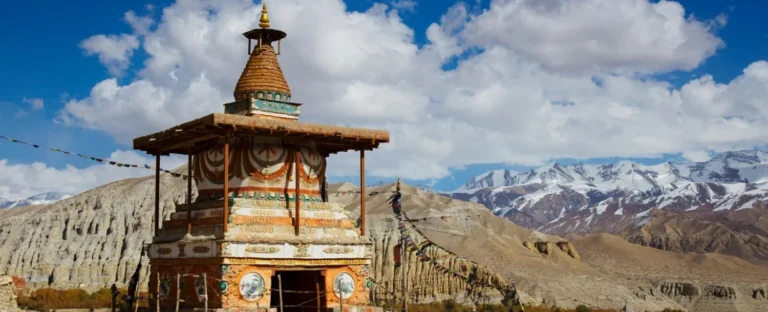
The Sherpa people live deeply intertwined with their Buddhist faith and natural surroundings. Along the trail, trekkers encounter mani walls carved with sacred mantras, chortens (stupas) topped with golden spires, and colorful prayer flags fluttering in the mountain wind — believed to carry prayers of peace and compassion. These symbols reflect the Sherpas’ profound respect for nature and their reverence for Sagarmatha (Mount Everest), which they consider sacred.
Life in the Mountains
Life in the Himalayan highlands is not easy, yet the Sherpa people have adapted remarkably to their rugged environment. Most families rely on agriculture, yak herding, and tourism for their livelihood. Trekkers often encounter locals guiding yaks or carrying supplies to remote settlements. Many teahouse owners share stories of their parents and grandparents — the pioneering guides and porters who helped shape Everest’s climbing history. This resilience and pride form the heart of Khumbu culture.
Local Celebrations and Festivals
If your trek coincides with a local festival, you’ll witness the Everest region come alive with color, music, and laughter. Major celebrations include Losar (Tibetan New Year), Dumje Festival, and the Mani Rimdu Festival in Tengboche and Pangboche. During these times, villagers gather for traditional dances, chants, and feasts — offering trekkers a unique glimpse into centuries-old Himalayan traditions and communal joy.
Connecting With the Locals
One of the most rewarding parts of the Everest Base Camp trek is connecting with the Sherpa people. Whether it’s sharing stories by the teahouse fireplace, helping a child practice English, or exchanging smiles along the trail, every moment deepens your appreciation of Sherpa warmth and humility. These simple yet genuine interactions often become some of the most cherished memories long after the mountains are left behind.
Typical Everest Base Camp Trek Itinerary
Day 1: Flight to Lukla and Trek to Phakding (2,610 m): Arrive in Kathmandu, check into your hotel, and take an early morning flight to Lukla. Begin the trek toward Phakding, following the Dudh Koshi River and passing small Sherpa villages. Distance: 8 km | Walking Hours: 3–4 hrs | Altitude Gain: 460 m (flight) | Altitude Loss: 250 m
Day 2: Phakding to Namche Bazaar (3,440 m): Trek to Namche Bazaar, crossing several suspension bridges, including the iconic Hillary Bridge. Enjoy the first glimpse of Everest along the route and stay overnight at a guesthouse. Distance: 10–12 km | Walking Hours: 5–6 hrs | Altitude Gain: 830 m
Day 3: Acclimatization Day at Namche Bazaar: Take a short hike to the Everest View Hotel (3,880 m) for stunning views of Mount Everest, Ama Dablam, and other peaks. Return to Namche for the night. Distance: 5–6 km | Walking Hours: 2–3 hrs | Altitude Gain: 440 m
Day 4: Namche Bazaar to Tengboche (3,860 m): Follow the scenic trail with panoramic views of Everest, Lhotse, and Ama Dablam. After a descent to the river, climb up to Tengboche to visit the famous Tengboche Monastery. Distance: 10–12 km | Walking Hours: 5–6 hrs | Altitude Gain: 420 m
Day 5: Tengboche to Dingboche (4,410 m): Descend to the Imja Khola River and gradually ascend to Dingboche. Enjoy magnificent views of Ama Dablam, Island Peak, and other towering peaks. Distance: 10–12 km | Walking Hours: 5–6 hrs | Altitude Gain: 550 m
Day 6: Acclimatization Day at Dingboche (Hike to Nagarjun Hill – 5,100 m): Take a rest day in Dingboche or hike up to Nagarjun Hill for panoramic views of Makalu, Island Peak, and Lobuche East. Return to Dingboche and stay overnight at a teahouse. Distance: 3–4 km (round trip) | Walking Hours: 3–4 hrs | Altitude Gain/Loss: 690 m
Day 7: Dingboche to Lobuche (4,910 m): Trek towards Lobuche, passing through the Thukla Pass memorial site dedicated to climbers who lost their lives on Everest. Distance: 7–8 km | Walking Hours: 5–6 hrs | Altitude Gain: 500 m
Day 8: Lobuche to Everest Base Camp (5,364 m) and Return to Gorak Shep: Follow the trail along the Khumbu Glacier to reach Everest Base Camp. Enjoy the views of the Khumbu Icefall and surrounding peaks before returning to Gorak Shep for the night. Distance: 8–10 km | Walking Hours: 5–6 hrs | Altitude Gain: 454 m
Day 9: Gorak Shep to Kala Patthar (5,545 m) and Descend to Pheriche (4,240 m): Hike to Kala Patthar early in the morning for a spectacular sunrise over Mount Everest. Afterward, descend to Pheriche via Gorak Shep and Lobuche for an overnight stay. Walking Hours: 7–8 hrs
Day 10: Trek from Pheriche to Lukla (2,840 m) and fly to Kathmandu (1,400 m): Trek from Pheriche back to Lukla, celebrating the completion of your incredible journey. Take a return flight to Kathmandu and transfer to the international airport for departure. Distance: 18 km | Walking Hours: 6–7 hrs | Altitude Loss: 1,410 m
Preparation Tips
FAQs
1. What Is the Length of Time to Complete the Everest Base Camp Trek?
The trek usually takes around 12 to 14 days, depending on acclimatization needs and individual pace.
2. Do Americans Need a Visa to Enter Nepal?
Yes, Americans can obtain a Visa on Arrival at Tribhuvan International Airport in Kathmandu.
3. Is the Trek Beginner-Friendly?
Yes, with proper preparation and physical fitness, beginners can successfully complete the EBC trek. Every year, hundreds of first-time trekkers from the USA achieve this adventure.
4. What Is the Height of the Everest Base Camp?
The Everest Base Camp stands at an altitude of 5,364 meters (17,598 feet).
5. When Is the Best Time for Americans to Trek to Everest Base Camp?
The best seasons to trek the EBC are Spring (March–May) and Autumn (September–November) when the weather is clear and stable.
6. Is There Wi-Fi on the Trek?
Yes, Wi-Fi is available in most teahouses through Everest Link or mobile data, although the connection can be quite slow.
7. What Baggage Should I Carry for the Journey?
Pack multiple layers of clothing, sturdy hiking shoes, gloves, a down jacket, and a sleeping bag for warmth and comfort.
8. How Much Cash Should I Carry?
Carry around $300–$400 (in Nepali rupees) for personal expenses, snacks, and gratuities.
9. Can I Charge My Devices During the Trek?
Yes, most lodges offer solar-powered charging facilities for a small fee.
10. Is Altitude Sickness Common?
Yes, altitude sickness can affect anyone, but proper acclimatization and hydration help minimize the risk.
11. What Type of Food Is Available on the Trek?
You’ll find both Nepali and continental dishes, such as dal bhat, pasta, rice, soup, eggs, and tea.
12. Can I Do the Trek Solo?
Yes, it’s possible, but trekking with a licensed guide is safer and even mandatory in some regions.
13. Do I Need Special Permits?
Yes, you’ll need the Khumbu Municipality Permit and the Sagarmatha National Park Entry Permit.
14. Is the Domestic Flight to Lukla Safe?
Yes, flights to Lukla are generally safe and well-managed, although weather delays can occasionally occur.
15. What Is the Process of Booking My EBC Trek with Nepal Outdoor Expeditions?
You can book directly through our official website or contact our support team for customized itineraries and pricing details.