The Ghorepani Poon Hill Trek is considered one of the most popular short treks in Nepal, beginning in Pokhara. It boasts beautiful trails, hospitable people, charming villages, and stunning mountain scenery. It’s a mainstream trekking route because, even for beginners, it raises no concerns about practicality, safety, or the overall experience.
The trek offers the perfect balance of adventure, culture, and nature. From the very beginning, rivers, forests, and birds welcome you into a peaceful atmosphere. Every village along the way has its own story—one of harmony with nature and simplicity.
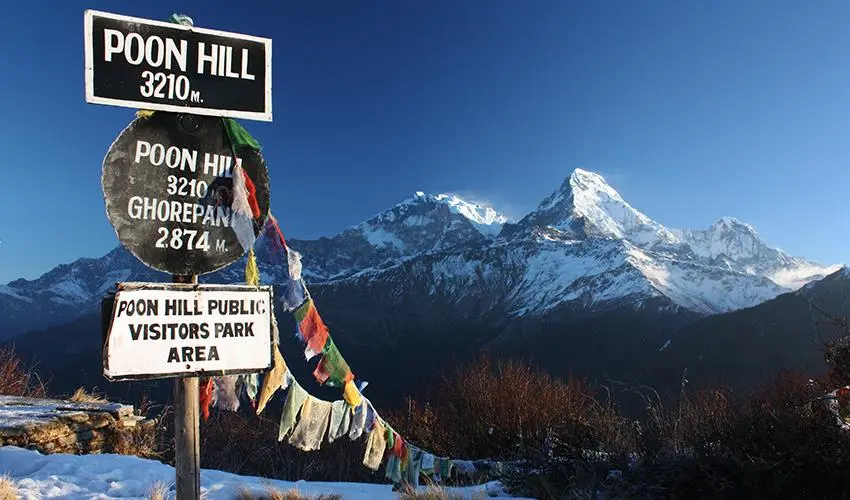
The highlight of this trek is undoubtedly the sunrise from Poon Hill, one of the most popular viewpoints in the Annapurna region. Watching the mountains glow in shades of orange, pink, and gold as the first light touches their peaks is truly magical.
The journey starts in Pokhara, a beautiful lakeside town known for its relaxed environment. The trail leading to Poon Hill from Pokhara is a refreshing retreat into nature. Although it is a short trek that typically takes 3–5 days, it leaves a deep and lasting impression on every traveler.
Quick Facts
-
Region: Annapurna Region, Nepal
-
Trip Duration: 3-5 days
-
Best Months: March-May and September-November
-
Max Elevation: 3,210 meters (Poon Hill Viewpoint)
-
Difficulty Level: Easy to Moderate
-
Key Attractions: Sunrise at Poon Hill, Rhododendron forests, Gurung & Magar villages, Annapurna & Dhaulagiri mountain ranges, Stone-paved ancient trails
A Quick and Scenic Himalayan Escape on the Ghorepani Poon Hill Trek
Those interested in nature, clean air, and cultural simplicity will find everything they seek on the Ghorepani Poon Hill Trek, which begins in Pokhara. The route features scenic villages, stone-paved paths, and lush forests. Each day offers a new atmosphere—misty mornings, sunny afternoons, and warm, cozy evenings in teahouses heated by fireplaces.
The trek is suitable even for first-time hikers. It attracts travelers of all ages because it is known to be safe, comfortable, and manageable. The views of Dhaulagiri, Himchuli, Machhapuchhre (Fishtail), and Annapurna South inspire trekkers throughout the journey. From Poon Hill (3,210 meters), you are rewarded with a serene and breathtaking panorama.
Unlike major expeditions that require heavy gear and extensive preparation, this trek allows anyone to experience the beauty of the Himalayas—even while on a short vacation.
What Makes the Ghorepani Poon Hill Trek Special?
The Ghorepani Poon Hill Trek offers a perfect balance of comfort, ease, and natural beauty. It is short yet incredibly rewarding, and it doesn’t require exceptional fitness or weeks of training. Despite its simplicity, the trek delivers postcard-worthy Himalayan views in a short time.
This trek stands out for several reasons:
1. One of the Best Sunrise Views in Nepal
Poon Hill is famous for its panoramic sunrise over the Dhaulagiri and Annapurna ranges. As the sun rises slowly, the mountains turn shades of pink and gold—creating one of the most unforgettable moments of the journey.
2. Beginner-Friendly Trek
The route involves no technical climbing or high-altitude risks, though some sections—like the climb to Ulleri—can be challenging. Still, it’s manageable for families with children and beginners as long as the pace is comfortable.
3. Short and Time-Friendly
The trek typically takes three to four days, making it perfect for travelers who want a Himalayan experience but have limited time in Nepal.
4. Beautiful Forests and Traditional Villages
Along the way, you pass through charming villages such as Ulleri and Ghorepani, walk across suspension bridges, and move through vibrant rhododendron forests—especially stunning in spring. It’s a chance to experience rural life and interact with welcoming locals.
5. Easy Access From Pokhara
With quick and affordable transportation from Pokhara to the trailhead, the trek remains one of the most accessible and convenient routes in Nepal.
Trek Insights
How to Reach the Location
The trek begins at Nayapul, though some itineraries start from Hile or Tikhedhunga. It takes approximately 1.5 hours to reach Nayapul by car, passing through hills, farmlands, and small villages around Pokhara. The ascent begins as soon as you reach Nayapul.
Travelers who prefer a shorter walking day can hire a private jeep to Ulleri or Hile to reduce the initial distance.
Transportation Options
Trekkers can reach the starting point through several modes of transport:
Local Bus: Buses run from Pokhara Bus Park to Baglung and are the most budget-friendly option. Ideal for travelers who want an authentic local ride.
Shared Jeep: Faster and more comfortable than local buses. Shared jeeps are popular among small trekking groups.
Private Car or Jeep: Offers the most comfort, privacy, and flexibility. Ideal for families, seniors, or travelers seeking a relaxed and hassle-free experience.
The road conditions are generally good, though they can become bumpy near villages, with occasional dips, turns, and uneven tracks.
Accommodation
Tea houses are available at all major stops, including Tikhedhunga, Ulleri, Ghorepani, Tadapani, and Ghandruk. These offer simple but comfortable lodging with twin-sharing beds, warm blankets, and dining halls equipped with fireplaces.
Standard food options include:
-
Nepali traditional meal, dal bhat
-
Soups
-
Pasta and noodles
-
Fried rice
-
Omelets and pancakes
-
Coffee, ginger lemon honey tea, and hot tea
More upscale lodges with modern facilities and better views are found in Ghorepani and Ghandruk. Most tea houses provide a cozy alpine setting where trekkers gather, share stories, and enjoy peaceful evenings.
Packing Essentials
Even for a short trek, packing carefully is important. Essential items include:
-
Warm and lightweight jacket
-
Good-grip trekking shoes
-
Comfortable walking pants
-
Poncho or raincoat
-
Warm hat and gloves
-
Water bottle
-
Water purification tablets or a reusable filter
-
Power bank
-
Sunglasses and sunscreen
-
Lightweight backpack
-
Basic first aid kit
-
Snacks (nuts, energy bars)
Always pack light. Carrying heavy luggage on steep sections—especially the Ulleri steps—can be exhausting.
Estimated Costs (Packages)
Costs vary based on comfort level, duration, and travel preferences:
| Package Type | Nepal Cost (NPR) | Approx. Cost (USD) |
|---|---|---|
| Budget Trek | NPR 8,000–12,000 | 56–84 USD |
| Standard Trek | NPR 15,000–25,000 | 105–176 USD |
| Guided Trek + Porter | NPR 25,000–40,000 | 176–282 USD |
Permits
Two permits are required for the Ghorepani Poon Hill Trek:
-
Annapurna Conservation Area Permit (ACAP)
-
Trekker’s Information Management System (TIMS) Card
Both can be obtained from the Tourism Office in Pokhara. Trekkers must bring two passport-sized photos and provide passport details.
Travel Experience
Scenery & Nature
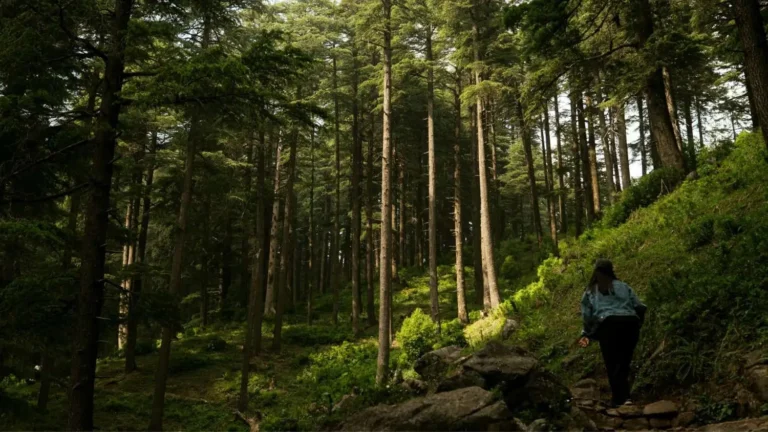
The Ghorepani Poon Hill Trek unfolds in a pristine natural setting filled with streams, waterfalls, and lush forests. The trail passes through one of the most extensive rhododendron forests in the world, which turns into a spectacular display of crimson, pink, and white blooms during spring. Trekkers also cross wooden bridges, walk beside waterfalls, and follow refreshing natural streams along the way.
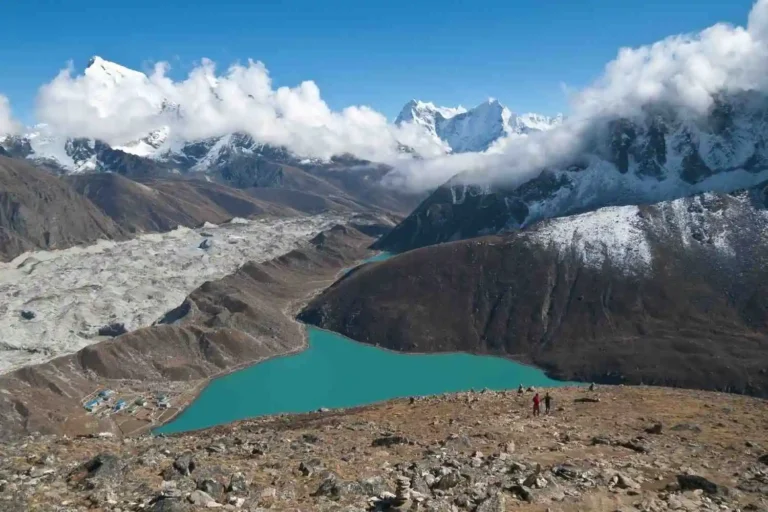
Each day reveals fresh mountain scenery. Machhapuchhre stands out with its iconic fishtail-shaped summit, while Annapurna South forms an impressive backdrop throughout the journey. From Poon Hill, you get a sweeping panorama of the entire Himalayan range rising high above the skyline. Morning hikes are refreshing with crisp mountain air, and evenings remain calm with gentle winds rustling through the trees.
Culture & Local Life
The villages along the route are primarily inhabited by Gurung and Magar communities, known for their warmth and hospitality. During festivals, villagers greet trekkers with simple phrases like “Namaste,” often dressed in traditional clothing and jewelry. Terraced fields, stone houses, and small farms reflect the simplicity of mountain life. Many teahouse owners share stories about their family heritage, the mountains, and how tourism has transformed their villages. Trekking here becomes an easy introduction to rural culture and a serene escape into nature.
Spiritual & Historical Sites
The trail is dotted with small monasteries, chortens, and colorful prayer flags, adding a spiritual charm to the journey. Prayer wheels placed along the pathway encourage mindfulness and peace with every step. In Ghandruk, the Gurung Museum displays traditional clothing, utensils, and historical artifacts, offering trekkers a deeper understanding of local culture and history.
Trekking Challenges
While the Ghorepani Poon Hill Trek is considered easy to moderate, it includes some challenges that make the journey enjoyable:
-
Ulleri Steps: Ulleri is famous for its steep climb of over 3,000 stone steps. The ascent is tiring, especially with a heavy backpack, but the views and teahouse breaks along the way make it worthwhile.
-
Cold Mornings: Early-morning hikes to Poon Hill can be very cold, so warm clothing is essential.
-
Altitude: The trek reaches moderate altitude levels. Walking slowly and staying hydrated helps prevent discomfort.
-
Weather: Sudden weather changes—rain, fog, or clouds—are common in the Himalayas. Waterproof gear is extremely useful.
For anyone with a basic fitness level, these challenges remain manageable.
Suggested Itinerary
Day 1: Pokhara to Nayapul and Trek to Tikhedhunga
The journey begins with a short drive from Pokhara to Nayapul, the trek’s starting point. The day’s hike follows fields, small villages, and riverbank trails. The warm weather allows trekkers to adjust comfortably to mountain life.
Day 2: Tikhedhunga to Ulleri and Ghorepani
The day starts with the famous Ulleri stone steps—a challenging but rewarding climb. After Ulleri, the trail enters a cool rhododendron forest filled with fresh mountain air. Reaching Ghorepani feels peaceful, with beautiful mountain views and cozy teahouses.
Day 3: Sunrise at Poon Hill and Trek to Tadapani
Trekkers start before dawn to experience one of the most stunning Himalayan sunrises, as golden light spreads across the Annapurna and Dhaulagiri ranges. After descending to Ghorepani, the trail continues through enchanting moss-covered forests rich with birds and greenery, leading to Tadapani.
Day 4: Tadapani to Ghandruk
This section passes through open meadows and dense forests, accompanied by the sounds of flowing streams and birdsong. Approaching Ghandruk, trekkers walk along stone-paved paths with impressive views of Machhapuchhre and the Annapurna range.
Day 5: Ghandruk to Nayapul and Drive Back to Pokhara
The final day is a gentle walk through traditional villages and terraced farms before reaching Nayapul. After days surrounded by mountains and nature, the return to Pokhara feels relaxing and fulfilling.
Tips and Recommendations
-
Start the Poon Hill hike early to catch the best sunrise colors.
-
Drink plenty of water to stay hydrated.
-
Remember that there are no ATMs along the trail.
-
Wear strong trekking boots for better grip and comfort.
-
Avoid carrying heavy bags; hire or rent a porter if needed.
-
Walk at a comfortable pace, rest well, and eat warm meals.
-
Respect local culture and traditions.
-
Check weather conditions before starting each day’s hike.
-
Interact with locals—connecting with people is one of the most rewarding parts of the journey.
FAQs
1. How Many Hours Do Trekkers Usually Walk Each Day?
Trekkers typically walk for 4–6 hours a day at a relaxed pace. The exact duration depends on individual speed and the number of rest breaks taken.
2. Are Hot Showers Available During the Trek?
Yes, most popular teahouses offer hot showers. Higher-altitude lodges may charge a small additional fee.
3. Do Tea Houses Have Blankets or Should I Bring My Own Sleeping Bag?
All teahouses provide blankets. However, carrying a light sleeping bag is helpful, especially during winter.
4. Is Drinking Water Safe Along the Trail?
Tap water is not safe to drink. Trekkers should use purification tablets, filter bottles, or buy safe drinking water from teahouses.
5. Are Snacks and Drinks Available on the Route?
Yes, teahouses and small shops sell snacks, tea, and soft drinks. Prices gradually increase with altitude.
6. Can Someone With Mild Knee Pain Manage This Trek?
Yes, trekkers with mild knee issues can complete the trek using trekking poles. Take extra care while climbing the Ulleri steps.
7. Are Mobile Networks Available Throughout the Trek?
Most parts of the trail have network coverage, though the signal may weaken in forested areas. Wi-Fi is available in many teahouses for a small fee.
8. What Kind of Food Do Trekkers Usually Eat on This Route?
Typical dishes include fried rice, noodles, pancakes, soups, and the staple dal bhat. Meals are simple, warm, and freshly prepared.
9. Is It Possible to Do This Trek During Winter?
Yes, the trek is doable in winter. Mornings and evenings can be chilly, but clear skies often offer stunning mountain views.
10. Can Children or Older Travelers Join This Trek?
Absolutely. Families with children or senior travelers can enjoy this trek by walking at a comfortable pace and taking regular breaks.