March feels like a gift to Nepal. The Himalayas stand out sharply against clear blue skies, spring spreads fresh colors across the hillsides, and winter’s frost finally loosens its grip. March 2026 is set to be one of the safest and most enjoyable months of the year for foreign trekkers.
Lodges are fully prepared, trails are dry and stable, and temperatures remain comfortable throughout the day. Nepal offers a wide range of trekking routes during this time, whether you are a first-time hiker looking for an easy introduction or someone seeking mild adventure without significant risk.
Why March Is One of the Safest Months for Trekking in Nepal
Before choosing your trek, it helps to understand what makes March especially favorable:
-
Snowfall is minimal, with fewer sudden weather changes
-
Temperatures are balanced, with chilly mornings and pleasant afternoons
-
Trails are clearly visible and not buried under winter snow
-
Excellent visibility allows for safer walking conditions
-
Crowds are lighter than peak months like April and October
-
Teahouses across major trekking regions are fully operational
Top Safe Trekking Places in Nepal for March 2026
1. Ghorepani Poon Hill Trek
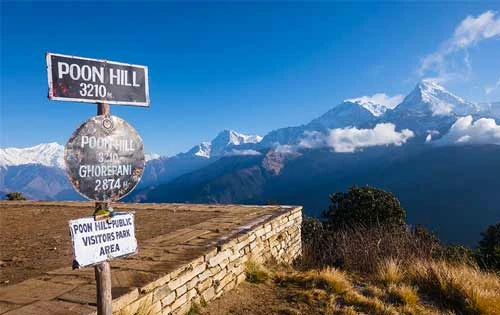
The Ghorepani Poon Hill Trek is one of Nepal’s best introductions to Himalayan trekking and remains a favorite short trek for travelers. Completed over four to five days, the trail climbs gradually through traditional Magar and Gurung villages and lush rhododendron forests before reaching the famous Poon Hill viewpoint at 3,210 meters.
The route suits anyone with basic fitness. While there are steady uphill sections, it never feels extreme, making it a comfortable yet rewarding moderate trek.
Why It’s Safe in March
By March, most winter snow in the Annapurna region has cleared, especially along lower and mid-altitude routes like Ghorepani and Poon Hill. Well-maintained trails, reliable visibility, and mild weather contribute to a strong sense of safety. Wide forest paths reduce risk, and teahouses operate normally throughout the route.
Highlights
-
One of Nepal’s best sunrise viewpoints
-
Warm hospitality in Ghorepani and Ghandruk
-
Rhododendron forests in early bloom
-
Scenic, relaxed Himalayan walking
-
Ideal for first-time trekkers and families
2. Langtang Valley Trek
The Langtang Valley Trek offers a beautiful journey through one of Nepal’s most accessible alpine regions. This seven to eight-day trek climbs steadily through forests and traditional Tamang villages before opening into wide glacial landscapes near Kyanjin Gompa.
Many trekkers choose to hike nearby viewpoints such as Kyanjin Ri or Tserko Ri at 4,984 meters. The gradual ascent spread over several days keeps the trek manageable and less demanding.
Why It’s Safe in March
March brings stable weather to Langtang, with winter clouds clearing and trails becoming easier to navigate. Snow begins melting at higher elevations, while the main route remains firm and well-marked. Frequent villages ensure regular access to teahouses, and the region avoids the heavy rains of the monsoon season.
Highlights
-
Sunrise views from Kyanjin Ri or Tserko Ri
-
Peaceful trekking with strong cultural depth
-
Sweeping alpine valley scenery
-
Tamang hospitality and Tibetan influence
-
Easy access from Kathmandu
3. Mardi Himal Trek
The Mardi Himal Trek combines peaceful forest walks with dramatic ridge hiking. Over five to seven days, the trail gradually climbs to the Mardi Himal viewpoint at around 4,500 meters. The route passes quiet villages and offers impressive alpine scenery without technical difficulty.
This trek has become popular as a short, high-altitude option that feels adventurous yet remains achievable for most trekkers.
Why It’s Safe in March
March provides clear skies, stable trails, and comfortable temperatures. Icy sections found earlier in winter usually melt by this time, especially near High Camp and the viewpoint. The ridge-based trail remains secure and easy to follow.
Highlights
-
Close views of Machhapuchhre (Fishtail)
-
Quiet forest paths with fewer crowds
-
Balanced mix of adventure and comfort
-
Fresh spring colors at lower elevations
-
Welcoming local teahouses
4. Everest Panorama Trek (Tengboche Monastery)
The Everest Panorama Trek is ideal for those who want to experience the Everest region without committing to the full Base Camp journey. This seven-to ten-day trek leads through Sherpa villages like Namche Bazaar and up to Tengboche Monastery at 3,860 meters.
The route is moderately challenging and rewards trekkers with views of Everest, Lhotse, and Ama Dablam.
Why It’s Safe in March
March brings bright weather and stable temperatures to the Khumbu region. Trails to Tengboche are among the best-maintained in Nepal, and lower elevations are usually free of snow. The presence of fellow trekkers adds an extra sense of safety.
Highlights
-
First clear views of Everest and Ama Dablam
-
Tengboche Monastery set against the Himalayan peaks
-
Authentic Sherpa culture and hospitality
-
Wide, well-maintained trails
-
Excellent photography opportunities
5. Annapurna Base Camp (ABC) Trek
The Annapurna Base Camp Trek is one of Nepal’s most rewarding adventures. Over eight to eleven days, the trail passes terraced fields, bamboo forests, and alpine meadows before reaching ABC at 4,130 meters.
Although the altitude is high, the gradual ascent and steady pace make the trek manageable for most hikers.
Why It’s Safe in March
March offers reliable weather in the Annapurna Sanctuary. Snow is minimal, avalanche risk is low, and daytime hiking conditions are comfortable. The popular route ensures good trail support and regular access to teahouses.
Highlights
-
360-degree views inside the Annapurna Sanctuary
-
Diverse landscapes throughout the trek
-
Stunning sunrise views at Base Camp
-
Cozy lodges and home-cooked meals
-
Excellent acclimatization profile
6. Helambu Trek
The Helambu Trek is a gentle Himalayan journey close to Kathmandu. The trail stays mostly below 3,600 meters and unfolds over five to six days through terraced hills, forests, and traditional villages.
Its gradual ascent and lower altitude make it suitable for beginners and those with limited time.
Why It’s Safe in March
Snow rarely lingers in Helambu by March. Trails remain dry and clear, and nearby villages provide consistent support. Its proximity to Kathmandu ensures quicker access to services if needed.
Highlights
-
Authentic Hyolmo culture
-
Easy walking trails with rolling mountain views
-
Warmer temperatures than in higher regions
-
Beautiful spring forests
-
Perfect for short treks
7. Khopra Ridge Trek
The Khopra Ridge Trek is a quieter alternative in the Annapurna region, offering wide mountain views without crowded trails. Over seven to nine days, the route climbs steadily to Khopra Ridge at 3,660 meters.
It suits trekkers looking for a rewarding experience without extreme altitude or technical terrain.
Why It’s Safe in March
March brings clear skies and stable conditions to Khopra. The trek avoids glaciers and very high passes, keeping risks low. Community lodges along the route provide reliable accommodation and support.
Highlights
-
Sunrise and sunset views of Dhaulagiri
-
Peaceful ridge walking
-
Rhododendrons in full bloom
-
Optional hike to Khayer Lake
-
Community-run lodges
8. Tamang Heritage Trail
The Tamang Heritage Trail focuses on culture and village life in the Langtang region. Completed in six to seven days, the trek reaches elevations of around 3,165 meters and remains easy to moderate throughout.
Why It’s Safe in March
With its lower altitude and gentle terrain, altitude risk is minimal. March offers dry trails, clear views, and comfortable walking conditions. Village-to-village trekking ensures constant local support.
Highlights
-
Traditional Tamang villages and homestays
-
Views of Ganesh Himal and Langtang
-
Natural hot springs at Tatopani
-
Quiet, uncrowded paths
-
Early spring scenery
A Gentle, Helpful Note for Your Planning
The Nepal Outdoor Expeditions team is always happy to assist with packing advice, route selection, and weather guidance. There is no pressure, just friendly support whenever you need it.
FAQs
1. Is The Everest Base Camp Trek Suitable For First-Time Trekkers?
Yes, many first-time trekkers successfully complete the EBC trek. While prior trekking experience is not required, good preparation, fitness, and commitment are important. The route is non-technical but includes long walking days at high altitude.
2. How Cold Does It Get During The Trek?
Temperatures vary by altitude. Nights in higher villages like Dingboche, Lobuche, and Gorakshep can drop below freezing. Packing proper warm layers is essential.
3. What Kind Of Accommodation Is Available On The EBC Trail?
Accommodation consists of teahouses that provide simple but comfortable rooms, meals, and a welcoming atmosphere. Do not expect luxury, but comfort is sufficient for trekkers.
4. Do I Need Travel Insurance For The EBC Trek?
Yes, travel insurance is essential. It should cover high-altitude trekking and emergency helicopter evacuation above 5,500 meters.
5. What Type Of Food Is Available On The Trail?
Food options are varied and filling. Common meals include dal bhat, noodles, soups, pasta, fried rice, pancakes, and occasional pizza. Dal bhat remains the most reliable and energizing option.
6. Can I Charge My Phone And Camera During The Trek?
Yes, charging is available in teahouses, though fees apply at higher elevations. Carrying a power bank is highly recommended.
7. How Crowded Is The EBC Trail?
Crowds vary by season. Spring and autumn are busiest, while winter and monsoon months are quieter. For fewer crowds, January to February or late November to December are better choices.
8. Will I Have Access To Wi-Fi Or Mobile Data?
Connectivity is available but inconsistent. Everest Link Wi-Fi is common in villages, and mobile networks work in lower areas. Expect slow or no connection at higher elevations.
9. How Do I Stay Healthy During The Trek?
Walk slowly, stay hydrated, eat well, and avoid alcohol at altitude. Carry basic medications, hygiene supplies, and always listen to your body.
10. What Is The Most Unforgettable Part Of The EBC Trek?
For some, it is the sunrise from Kalapatthar. For others, it is the first sight of Everest or the emotional moment of reaching Base Camp. Every trekker leaves with a personal highlight that stays for life.