Everest Base Camp is one of the most popular trekking destinations all over the world. Every year, thousands of tourists go to the Khumbu region and stand at the base of the tallest mountain in the world and observe the beauty of the Himalayas. Of the many questions that are frequently posed by hikers, the most common ones include, “How cold does it get at Everest Base Camp in March?“
March is one of the most popular months for the Everest Base Camp trek and also marks the beginning of spring in Nepal. The temperatures could, however, still be very low, especially in the high altitudes, though the scenery is stunning and the trails slowly come back to life after winter. The trekking experience can be highly influenced by understanding the cold temperatures, the way the weather is, and how you can be prepared.
Understanding March Weather at Everest Base Camp
Where Is Everest Base Camp and Why Is It So Cold?
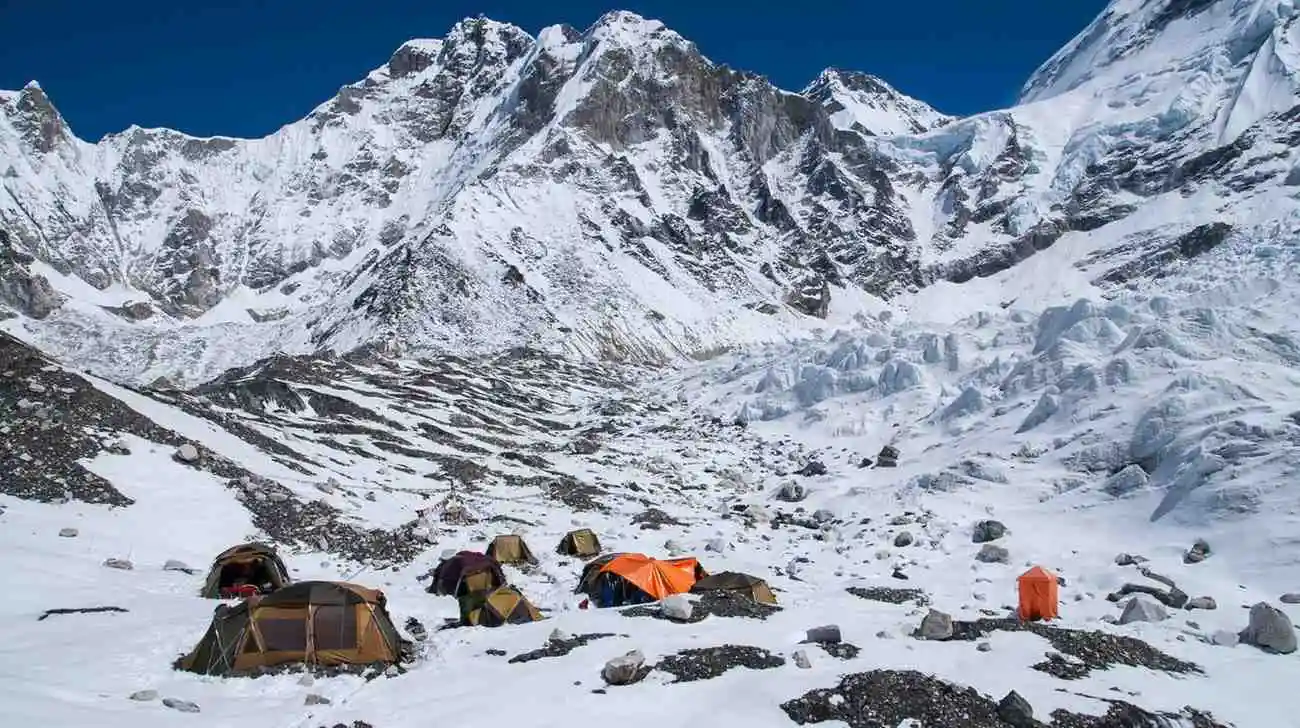
Everest Base Camp is located within Sagarmatha National Park in the Khumbu region of northeastern Nepal. It sits at an altitude of approximately 5,364 meters above sea level, an elevation known for unpredictable weather, thin air, and extremely low temperatures. Most Everest Base Camp trekking programs begin with a flight from Kathmandu to Lukla. From there, hikers pass through villages such as Phakding, Namche Bazaar, Tengboche, Dingboche, Lobuche, and Gorak Shep before reaching Base Camp.
The high altitude of Everest Base Camp is the primary reason it remains so cold. As altitude increases, temperatures drop, with every 1,000 meters of elevation gain resulting in a temperature decrease of around 6 to 7°C. Because of this, Everest Base Camp stays cold throughout March, even when lower settlements experience milder daytime conditions. Another contributing factor is the surrounding Himalayan range. Massive peaks like Everest, Lhotse, Nuptse, and Pumori experience extreme cold, as parts of the terrain receive limited sunlight. Glaciers and strong winds further intensify the cold conditions in the region.

What Is the Average Temperature at Everest Base Camp in March?
Although March is not as cold as January or February, it is still considered very cold at Everest Base Camp. Temperatures vary depending on weather conditions and the time of day.
Daytime Temperature at Everest Base Camp in March
Daytime temperatures at Everest Base Camp typically range between -8°C and -2°C. On sunny days, it can feel slightly warmer, especially when there is little or no wind. Midday trekking is generally comfortable as long as hikers remain active and wear proper clothing.
Lower-altitude villages such as Namche Bazaar and Tengboche experience warmer daytime temperatures. In these areas, temperatures can range between 5°C and 10°C, with occasional increases on clear, sunny days.
Nighttime Temperature at Everest Base Camp in March
Nighttime temperatures are significantly colder. In March, temperatures at Everest Base Camp can drop as low as -15°C during the night. Gorak Shep, where most trekkers stay before visiting Base Camp, experiences especially cold nights after sunset.
Lower elevations also experience cold nights, though conditions are more manageable. Dingboche and Lobuche remain quite cold, while Namche Bazaar may see nighttime temperatures drop to around 0°C to -5°C.
How Cold Does It Feel Due to Wind and Altitude?
Temperature alone does not fully reflect how cold it feels at Everest Base Camp in March. Wind chill and altitude play a major role. Strong winds are common at higher elevations, especially in open areas near Base Camp and Gorak Shep. Even a light breeze can make temperatures feel much colder than they actually are. For example, a temperature of -5°C may feel like -12°C or lower during strong winds.
Altitude also affects how the body responds to cold. Lower oxygen levels force the body to work harder to stay warm, making trekkers feel cold more quickly, especially when resting or standing still. Many hikers notice that the cold intensifies rapidly in the evening, which is why extra layers and warm sleeping gear are essential.
How Does March Weather Affect the Everest Base Camp Trek?
Weather conditions greatly influence the trekking experience. Despite the cold, March is considered one of the best months to trek with proper preparation. Compared to winter, the weather is more predictable, and mornings are often clear with excellent mountain views.
Occasional clouds or light snowfall may occur at higher elevations, but extended periods of bad weather are uncommon.
Are Mornings and Nights Colder Than Daytime?
Yes, mornings and nights in March are significantly colder than afternoons. Early mornings above Namche Bazaar are especially freezing, with frozen water bottles and frost-covered windows being common sights.
Temperatures gradually rise after sunrise, making late mornings and early afternoons the most comfortable trekking hours. Most trekking days begin after sunrise and finish by mid-afternoon. Once the sun sets, temperatures drop quickly, and evenings are usually spent indoors due to limited heating in teahouses. Warm nightwear is essential.
Does It Snow at Everest Base Camp in March?
Snowfall is still possible in March, especially early in the month. However, heavy snowfall is much less common than during winter. Light snow may occasionally fall at higher elevations such as Lobuche, Gorak Shep, and Everest Base Camp.
Trails may have some snow coverage, but conditions are generally manageable. By late March, snowfall decreases further and trails become clearer. While major delays are uncommon, snow can occasionally affect Lukla flights or slow trekking progress for a day or two.
How Stable Is the Weather in March?
March offers relatively stable weather compared to the winter and monsoon seasons. One of its biggest advantages is consistently clear mountain views. However, Himalayan weather can change suddenly, particularly at higher elevations. Sudden cloud cover, cold winds, or light snowfall can still occur. Following local advice and remaining flexible is important.
What Should You Wear to Stay Warm at Everest Base Camp in March?
What Clothing Layers Are Essential?
A proper layering system is key.
Base Layer: Worn closest to the skin, this layer helps keep you dry and warm. Moisture-wicking thermal tops and bottoms are recommended.
Mid Layer: This layer provides insulation. Fleece jackets, insulated sweaters, and down jackets work well. A warm down jacket is especially important for evenings and higher elevations.
Outer Layer: The outer layer protects against wind, cold, and snow. A windproof and waterproof jacket and pants are essential, even if snowfall is limited.
What Accessories Help in Extreme Cold?
Cold conditions at high altitude can be harsher than expected, especially during early mornings, nights, and windy conditions. Accessories play a crucial role in preventing heat loss.
Essential accessories include:
-
Warm gloves or mittens
-
Insulated socks, with extra pairs
-
Wool or fleece hat
-
Scarf or neck warmer
-
Sunglasses to protect against snow glare
A high-quality sleeping bag rated for cold temperatures is also necessary. While teahouses provide blankets, they are often not sufficient for cold March nights at higher elevations.
How to Dress Smart During Day vs. Night?
Layering should be adjusted throughout the day. During daytime trekking, wearing fewer layers helps prevent sweating, which can lead to chilling later. Once you stop walking or temperatures drop, adding layers quickly is important.
After reaching your lodge, changing into warm, dry clothing helps retain body heat. Keeping a down jacket easily accessible allows you to warm up quickly. Changing into dry clothes before sleeping improves comfort and sleep quality in cold conditions.
Is March Too Cold for the Everest Base Camp Trek?
March is cold, but manageable for most trekkers with proper preparation. Those who dress appropriately and are comfortable with cooler temperatures generally find March very suitable. It is also a great alternative for hikers who prefer fewer crowds compared to April and May.
Who Should Trek to Everest Base Camp in March?
March is ideal for trekkers who prefer cooler weather and quieter trails. With clear skies and moderate trekking conditions, it suits a wide range of travelers.
March is well-suited for:
-
Trekkers who prefer colder temperatures
-
Travelers seeking clear mountain views
-
Those looking for a peaceful trekking experience
First-time trekkers can also attempt Everest Base Camp in March, provided they plan carefully and maintain a steady pace.
How Does March Compare to Other Trekking Months?
March is warmer than the winter months and less crowded than the peak spring. Compared to February, March offers more stable weather and clearer trails. April and May bring warmer temperatures but also heavier crowds.
While March remains colder than late spring, its clear skies, manageable conditions, and fewer trekkers make it an excellent middle ground.
Why Choose March Despite the Cold at Everest Base Camp?
Despite the cold, March offers a rewarding Everest Base Camp experience. Trekkers enjoy clear Himalayan views, quieter trails, and a serene alpine atmosphere. With proper clothing and preparation, the cold is manageable and can even enhance the adventure. The combination of stable weather, stunning scenery, and reduced crowds makes March a memorable time to trek to Everest Base Camp.
FAQs
1. Is Water Likely to Freeze During the Everest Base Camp Trek in March?
At high altitudes, water may freeze overnight in March. Most hikers keep water bottles inside their sleeping bags to prevent freezing at night.
2. Do Tea Houses Stay Heated at Night in March?
The main common areas where people have dinner in most teahouses are heated for a few hours during the evening. Personal warm items are essential, as teahouse rooms are often unheated.
3. Will Cold Weather Affect Appetite During the Trek?
Due to cold temperatures and altitude, some hikers feel less hungry at higher elevations. Eating warm meals and drinking plenty of water helps maintain energy levels.
4. Is It Harder to Charge Electronic Devices Because of the Cold?
In cold weather, batteries drain faster. Keeping phones, cameras, and power banks inside sleeping bags or jackets helps extend battery life.
5. Are Showers Available During the Trek in March?
Some lodges at lower elevations offer hot showers, usually for an extra cost. At higher altitudes, cold conditions may limit showers or exposure to water.
6. Does Cold Weather Increase the Risk of Altitude Sickness?
Cold weather itself does not cause altitude sickness, but it may mask symptoms and slow recovery. Proper rest and acclimatization are essential.
7. Are Sleeping Bags Available for Rent in March?
Sleeping bags are widely available for rent in Kathmandu. If you prefer not to buy an expensive winter sleeping bag, renting is a convenient option.
8. Will Flight Delays to Lukla Be More Common in March Due to Weather?
Weather-related delays are not extremely common in March, but changing conditions can still cause disruptions. Flights are more likely to operate early in the morning.
9. Are Cold Hands and Feet a Common Issue During the Trek?
Yes, fingers and toes can become extremely cold, especially in the mornings and evenings. High-quality socks and gloves help prevent discomfort.
10. Does Cold Weather Affect Sleep Quality at High Altitude?
Cold temperatures can make sleeping difficult. Staying warm and hydrated improves sleep quality, making it easier to relax and rest at night.