Nepal experiences a distinct monsoon season from June to early September, transforming the Himalayan landscape with vibrant greenery, energy, and rhythm. While most travelers favor the clear skies of autumn and spring for trekking, the rainy months reveal a different side of the country—lush, tranquil, and full of life.
When it comes to international travel, Nepal stands out during the monsoon for offering solitude, authenticity, and a deeper connection with nature. Despite the challenges of rain, leeches, and slippery trails, it provides a rare opportunity to witness the country at its most natural and untouched state.
Understanding Nepal’s Rainy Season
Monsoon Travel in Nepal: Pros and Cons
Advantages of Travelling During the Monsoon
Visiting Nepal during the monsoon season offers a unique perspective that most travelers overlook. While many prefer to wait for the clear skies of autumn, adventurous visitors can experience a quieter, greener, and more authentic side of the country. Beyond the natural beauty, monsoon travel also contributes to sustainable tourism and supports local communities that depend on visitors year-round.
During peak seasons, such as autumn and spring, popular trekking routes like the Everest Base Camp and Annapurna Circuit become crowded, putting pressure on local ecosystems, waste management systems, and water sources. Those who travel during the monsoon help distribute visitor numbers more evenly, easing this strain and promoting responsible tourism. Moreover, off-season travel brings stability to local economies—lodge owners, guides, and porters benefit from a steady income, encouraging eco-friendly practices throughout the year.
Key Benefits of Traveling to Nepal During the Monsoon:
-
Reduced Crowds, More Connection: Trails are less busy, tea houses are quieter, and cities are peaceful. Trekkers can enjoy solitude—no long queues at Lukla Airport, no crowded viewpoints at Poon Hill—and have more meaningful interactions with locals.
-
Affordable Travel: The monsoon months offer attractive discounts on flights, hotels, and trekking packages. Many lodges offer rates 20–30% lower than usual, and guides and porters are more readily available, making it the most budget-friendly time for adventure travel.
-
Cultural Immersion: The season coincides with vibrant festivals such as Ropain (Rice Planting Festival) and Janai Purnima, allowing travelers to witness Nepal’s agrarian traditions firsthand—villagers singing and planting rice in muddy fields is a joyous cultural experience.
-
Photographic Beauty: The interplay of clouds and sunlight creates dreamlike scenes—misty valleys, rain-washed temples, and waterfalls cascading from cliffs. Early mornings and late evenings often reveal stunning, photogenic Himalayan vistas.
-
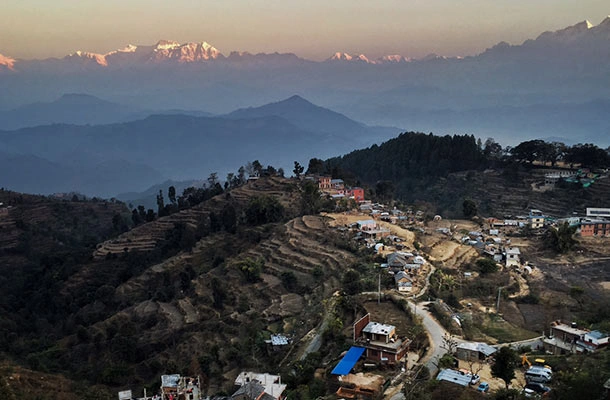
A Lush, Living Landscape: The monsoon transforms Nepal into a vibrant green landscape. Forests, terraced fields, and gardens come alive, while waterfalls and rivers swell, bringing the entire landscape to life.
Monsoon travelers tend to move at a slower pace, spending more time in each location and connecting deeply with the culture and nature around them. This mindful approach promotes sustainability and preserves Nepal’s natural and cultural heritage.
Challenges of Traveling in Nepal During the Monsoon
Nepal’s rainy season is undeniably beautiful, but it requires preparation, flexibility, and caution for travelers.
-
Unpredictable Weather: Rainstorms can cause flight delays, especially at mountain airstrips like Lukla or Jomsom. Trails may become muddy and slippery, making trekking more challenging. Travelers need to be mentally prepared for sudden changes in weather.
-
Leeches on the Trails: Leeches are common in wooded mid-hill areas, such as lower Annapurna and Langtang routes. While uncomfortable, they are not harmful. Wearing leech-proof socks, using salt, or applying insect repellent can help minimize discomfort.
-
Limited Mountain Views: Thick clouds can obscure mountain vistas for several days at a time. However, early mornings often provide clear windows for breathtaking views before clouds roll in.
-
Transportation Challenges: Landslides can significantly impact road travel in mountainous regions. It’s wise to include extra days in your itinerary as a buffer.
-
Health Concerns: High humidity can increase the risk of waterborne illnesses or food spoilage. Travelers should stick to boiled or bottled water and freshly cooked meals to minimize risks.
Opportunities Hidden in the Rain
Despite the challenges, the monsoon offers a different, slower, and more rewarding travel experience in Nepal.
-
Off-the-Beaten-Path Exploration: With fewer trekkers on popular trails, you can enjoy a more intimate and immersive experience. Travelers can explore remote routes, engage with locals, and gain a deeper understanding of their daily lives and traditions.
-
Wildlife and Eco-Tourism: The monsoon season brings lush vegetation to jungles like Bardia and Chitwan National Parks, creating ideal habitats for birds and wildlife. With fewer tourists, safaris are quieter and more intimate, allowing for a deeper connection to nature.
-
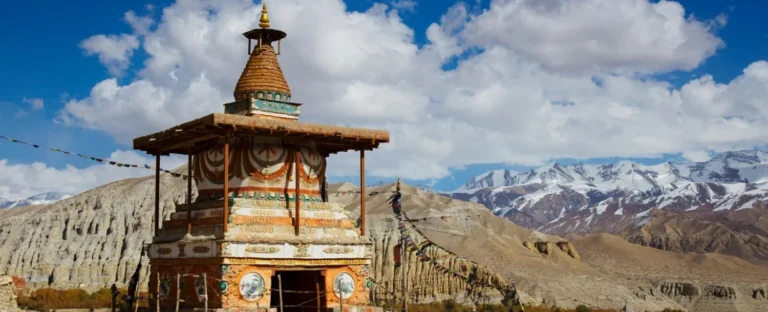
Hiking in Rain-Shadow Areas: Regions such as Dolpo and Upper Mustang remain accessible during the monsoon due to their unique geographical features. These arid landscapes offer rich cultural experiences that are distinct from those found elsewhere in Nepal.
-
Local Hospitality: With fewer trekkers, teahouse owners and villagers have more time to interact with travelers. Visitors may be invited into local homes for tea, providing opportunities for cultural exchange and a deeper understanding of Nepalese traditions.
Practical Tips for Monsoon Travelers
The most important aspect of traveling during Nepal’s rainy season is preparation. With the right mindset and gear, monsoon travel can be safe, enjoyable, and deeply rewarding.
-
Pack Smart: Bring a light rain jacket, waterproof backpack cover, quick-drying clothes, and sturdy trekking boots. Keep electronic devices in waterproof containers to protect them from rain.
-
Select Early Morning Flights: Mountain weather is generally more stable in the mornings, reducing the chances of flight delays.
-
Stay Flexible: Weather can change rapidly, so being able to adjust your schedule is crucial to avoid frustration.
-
Use Local Guides: Experienced guides know how to navigate slippery trails, find safe routes, and enrich your journey with cultural knowledge.
-
Embrace the Experience: Rain is part of the adventure. Accepting the monsoon rhythm allows travelers to see Nepal from a fresh perspective—alive, unpredictable, and full of surprises.
Why the Monsoon Season Deserves a Chance
Many international travelers hesitate to visit Nepal during the monsoon, fearing that trekking will be impossible. In reality, rain rarely lasts all day. Mornings are usually clear, with showers appearing in the afternoon or evening. With patience and flexibility, the inconveniences are minimal compared to the unique experiences the season has to offer.
Beyond the mountains, the monsoon is about immersing yourself in everyday Nepalese life. Listen to the sound of raindrops hitting tin roofs, watch farmers tend lush green terraces, and explore some of the most untouched and authentic landscapes in the country. The monsoon offers not just scenic beauty, but an intimate and vibrant connection with Nepal’s natural and cultural life.