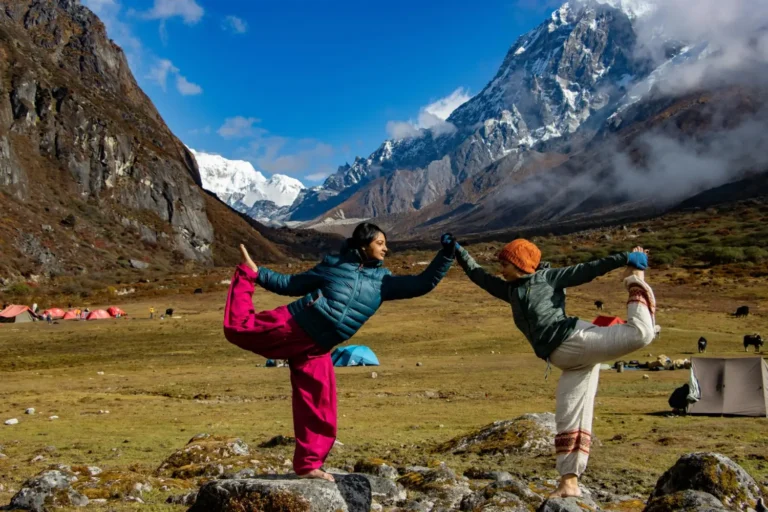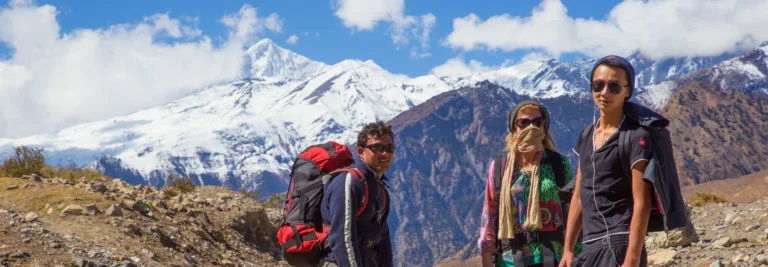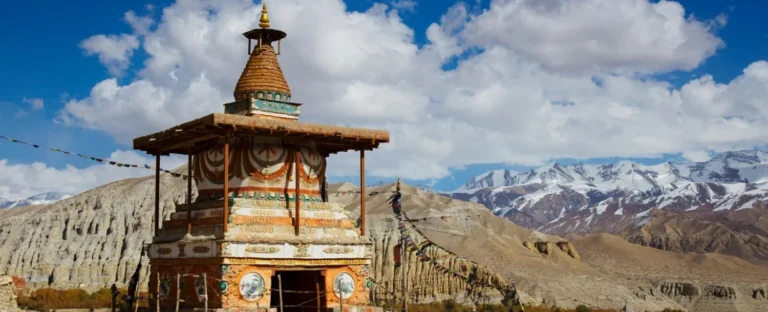
Mount Everest, the tallest mountain in the world, attracts adventurers from all over the globe to Nepal for its legendary summit. As Everest continues to grow in popularity as a premier trekking destination, it’s crucial to ensure that the increasing number of trekkers follow eco-friendly practices to preserve its pristine beauty.
The Everest Base Camp trek offers far more than just mountain views — it’s a journey of cultural discovery, showcasing local life, breathtaking Himalayan landscapes, and unforgettable experiences that last a lifetime.
Quick Facts
-
Region: Khumbu (Everest), Nepal
-
Trip Duration: 12-14 Days
-
Best Months: March-May and September-December
-
Max Elevation: 5,364 meters (17,598 ft)
-
Difficulty Level: Moderate to Challenging
-
Key Attractions: Mount Everest views, Khumbu Glacier, and Tengboche Monastery
Why Choose an Eco-Friendly Everest Base Camp?
As Everest has become one of the world’s most popular trekking destinations, the growing number of visitors has started to affect the fragile ecosystem of the region. Choosing an eco-friendly Everest Base Camp (EBC) trek helps reduce environmental damage while ensuring the Himalayas remain pristine for future generations.
Environmental Impact of Trekking
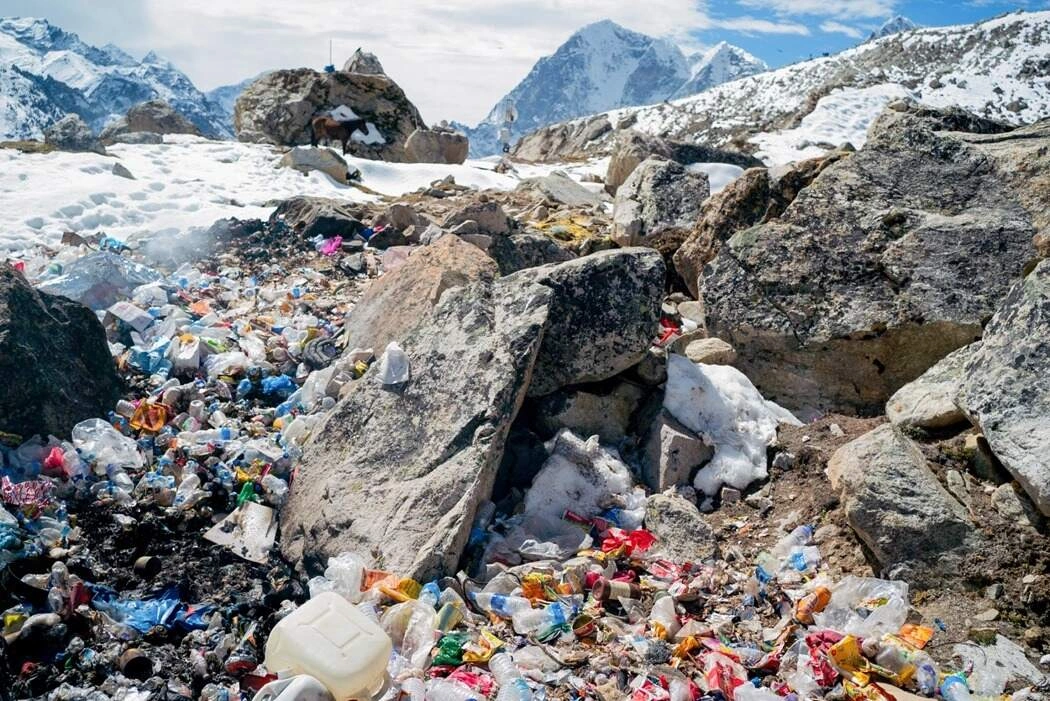
Traditional trekking practices have often led to pollution and environmental degradation in the Everest region. Plastic waste, non-biodegradable products, and even improper disposal of human waste have all contributed to the deterioration of trails and the imbalance of local ecosystems — sometimes even increasing the risk of natural disasters. This is why eco-friendly trekking is crucial: it promotes responsible waste management, minimizes pollution, and preserves the natural beauty of the mountains.
Responsible Travel from the USA
American trekkers are generally conscious of their environmental footprint and value sustainable travel. Many aim to practice responsible trekking to ensure that the Himalayas’ beauty remains unspoiled for future generations. Responsible travel doesn’t necessarily mean higher costs — it’s about making mindful choices, such as reducing waste, respecting local culture, and supporting sustainable tourism that benefits both nature and the community.
Benefits of Eco-Friendly Trekking
In a developing country like Nepal, where the environment faces increasing challenges, eco-friendly tourism plays a vital role in both preservation and development. Sustainable trekking not only protects the delicate Himalayan ecosystem but also contributes to the local economy and long-term environmental stability.
Key benefits of eco-friendly trekking include:
-
Conservation of the environment
-
Support for local communities
-
Greater connection with nature
-
Contribution to sustainable travel practices
-
Reduction of waste through recyclable and reusable products
Eco-Friendly Practices to Follow
Eco-friendly practices involve actions that positively impact the environment, helping preserve it for future generations. Practicing sustainable trekking ensures less pollution on trails and protects the Himalayan ecosystem. Here are some key practices to follow during your Everest Base Camp trek:
Leave No Trace Policy
Trekkers should avoid leaving any waste on the trails. Use reusable bottles and containers, carry your trash with you, and minimize disturbances to wildlife. Following this principle keeps the trails clean and safe for everyone.
Supporting the Local Sherpa Community
Help uplift the local economy by staying in Sherpa-owned teahouses, purchasing locally made products and souvenirs, and tipping porters and guides generously. Supporting local businesses strengthens the community and promotes sustainable tourism.
Respect Local Culture and Traditions
Show respect for villages and communities by asking permission before taking photos. Learn a few local greetings to create a friendly, positive environment and foster meaningful interactions with locals.
Avoid Campfires and Crowded Trails
Use eco-friendly cooking methods instead of open fires, which can cause wildfire hazards. Whenever possible, choose alternate or less crowded trails to reduce pressure on popular routes and minimize environmental impact.
Responsible Energy Use
Use rechargeable devices to limit power consumption, turn off lights and electronics when not needed, and follow energy-saving practices to reduce your ecological footprint during the trek.
Trek Insights for American Travelers
For U.S. travelers, a visit to Everest Base Camp typically begins in Kathmandu, the capital of Nepal, followed by a domestic flight to Lukla, a small mountain airstrip that serves as the gateway to the Everest region.
Trekking Packages
-
Everest Base Camp 14-Day Classic Trek: Recommended for those who want to explore the entire region at a comfortable pace while allowing time to acclimatize.
-
10-Day Shorter Trek: Ideal for travelers with limited time who still want the Everest experience.
-
Tailor-Made Tours: Customized treks based on fitness levels and interests.
All packages emphasize eco-friendly practices to ensure a responsible trekking experience.
Required Documents for American Travelers
Before traveling to Nepal, trekkers must have the following documents:
-
Passport valid for at least six months with one blank page.
-
Valid Nepali visa for the duration of the trek (extension possible if needed).
-
A few recent passport-sized photos for permits.
-
Travel insurance covering emergency helicopter evacuation above 5,000 meters.
-
Contact information for emergencies.
Sustainable Packing Guide for the U.S. Travelers
Sustainable packing focuses on minimizing environmental impact through mindful choices in clothing, toiletries, and equipment.
Essentials:
-
Lightweight, durable trekking clothes
-
Reusable water bottles with purification systems
-
Eco-friendly toiletries (biodegradable soap, toothpaste, shampoo, sunscreen)
-
Trekking poles and hiking boots
-
Electronics (portable solar charger)
Avoid:
-
Single-use plastic items
-
Non-rechargeable batteries and excessive electronic use
-
Non-biodegradable snacks or packaging
Tips:
-
Pack layered clothing for changing weather
-
Keep luggage light to reduce porter workload
-
Use eco-friendly sunscreen and insect repellent
Best Time for Eco-Friendly Trekking
While the Everest Base Camp trek can be attempted year-round, spring (March–May) and autumn (September–November) are the most ideal seasons.
Spring (March–May): Trails are adorned with blooming rhododendrons, and temperatures are moderate. Clear skies provide excellent visibility of Everest and the surrounding peaks. Ecologically, moderate temperatures reduce fuel use in lodges, and dry trails minimize soil erosion.
Autumn (September–November): After the monsoon, the air is fresh, the skies are clear, and trails are renewed by vegetation growth, reducing erosion. Lodges often use renewable energy sources, and travelers can experience local festivals like Dashain and Tihar, promoting community-based tourism.
Cost and Value of Eco-Friendly Trek
Sustainable trekking may cost slightly more due to the use of eco-lodges, renewable energy, and fair wages for local guides and porters. This investment ensures:
-
Local economic empowerment: Funds remain in the hands of Sherpa communities, supporting rural development.
-
Responsible trekking: Waste management, renewable energy, locally sourced food, and smaller group sizes reduce environmental impact.
Benefits of Responsible Trekking
-
Environmental Conservation: Reduces pollution, conserves water, and protects local flora and fauna.
-
Empowering Local Communities: Trekking fees contribute to schools, healthcare, and development projects in remote villages.
-
Ethical Tourism: Demonstrates that adventure and environmental protection can coexist.
-
Enhanced Experience: Knowing your actions support conservation and community welfare adds meaning to your trek.
Eco-friendly trekking ensures that U.S. travelers can enjoy the Himalayas while preserving the environment and supporting local communities. For more information on eco-friendly trekking packages, visit Nepal Outdoor Expeditions’ website and plan your responsible adventure.
Suggested 14-Day Itinerary for Everest Base Camp Trek
Day 1: Arrival in Kathmandu (1,400 m): Upon arrival, you’ll be transferred to your hotel. Take the day to rest and recover from your flight. Overnight stay at a 3-star hotel.
Day 2: Kathmandu to Phakding (2,610 m): Option 1 – Fly directly from Kathmandu to Lukla. Option 2 – Drive to Ramechhap and take a short flight to Lukla. From Lukla, trek 3–4 hours to Phakding through scenic Sherpa villages. Overnight at a teahouse.
Day 3: Phakding to Namche Bazaar (3,440 m): Trek to Namche Bazaar, crossing several suspension bridges, including the iconic Hillary Bridge. Enjoy mountain views along the way. Distance: 10–12 km | Walking Hours: 5–6 hr | Altitude Gain: 830 m.
Day 4: Namche Bazaar to Everest View (3,880 m): Short acclimatization hike to Everest View Hotel for panoramic views of Everest, Lhotse, and Ama Dablam. Explore Namche Bazaar in the afternoon. Walking Hours: 2–3 hr | Altitude Gain: 440 m.
Day 5: Namche Bazaar to Tengboche (3,860 m): Trek to Tengboche and visit the famous Tengboche Monastery, an important spiritual center in the Khumbu region. Distance: 10–12 km | Walking Hours: 5–6 hr | Altitude Gain: 420 m.
Day 6: Tengboche to Dingboche (4,410 m): Descend to the Imja Khola River and then climb gradually to Dingboche. Enjoy breathtaking views of Ama Dablam and Island Peak. Distance: 10–12 km | Walking Hours: 5–6 hr | Altitude Gain: 550 m.
Day 7: Explore Dingboche and Hike to Nangkartshang (5,083 m): Hike to Nangkartshang for incredible views of Makalu, Lhotse, and Cho Oyu. Spend the rest of the day resting and acclimatizing. Distance: 7–8 km | Walking Hours: 5–6 hr | Altitude Gain: 500 m.
Day 8: Dingboche to Lobuche (4,910 m): Continue toward Lobuche, stopping at Thukla Pass to pay respects at the memorial for climbers who lost their lives on Everest. Distance: 7–8 km | Walking Hours: 5–6 hr | Altitude Gain: 500 m.
Day 9: Lobuche to Everest Base Camp (5,364 m): Trek along the Khumbu Glacier to reach Everest Base Camp, celebrate your achievement, and take in views of the icefall and surrounding peaks. Return to Gorak Shep for an overnight stay. Distance: 8–10 km | Walking Hours: 5–6 hr | Altitude Gain: 454 m.
Day 10: Gorak Shep to Kala Patthar (5,545 m) and Descend to Pheriche (4,240 m): Hike early to Kala Patthar for a breathtaking sunrise view over Everest, then descend to Pheriche via Gorak Shep and Lobuche. Distance: 7–8 km | Walking Hours: 7–8 hr | Altitude Loss: 1,305 m.
Day 11: Pheriche to Namche Bazaar (3,440 m): Trek back to Namche Bazaar, retracing your steps through picturesque valleys and suspension bridges. Distance: 13–15 km | Walking Hours: 7–8 hr | Altitude Loss: 800 m.
Day 12: Namche Bazaar to Lukla (2,840 m): Descend through forests and cross the Dudh Koshi River several times before reaching Lukla. Distance: 10–12 km | Walking Hours: 7–8 hr | Altitude Loss: 600–700 m.
Day 13: Lukla to Kathmandu: Take a morning flight back to Kathmandu, check in to your hotel, and spend the rest of the day exploring or relaxing.
Day 14: Departure: Transfer to the international airport for your departure, marking the end of your Everest adventure.
FAQs
1. How is an Eco-Friendly Everest Base Camp Trek Different from a Regular Trek?
Eco-friendly trekking focuses on minimizing environmental damage by using greener accommodations, reducing plastic pollution, supporting local communities, and promoting responsible tourism.
2. Do I Need Prior Trekking Experience for an Eco-Friendly Everest Base Camp Trek?
No. While some hiking experience helps, most eco-friendly EBC treks welcome beginners and intermediate trekkers who are physically and mentally fit for multi-day hikes.
3. How Can American Travelers Reach Nepal for the Everest Base Camp Trek?
Flights depart major U.S. cities such as New York, Los Angeles, or San Francisco, often with layovers in Doha, Dubai, or Istanbul. From Kathmandu, a domestic flight takes you to Lukla, where the trek begins.
4. What Kind of Accommodations Are Available During the Trek?
Trekkers stay in eco-lodges or local teahouses that use solar power and serve locally sourced food, helping reduce the carbon footprint.
5. What Are Some Simple Ways to Be an Eco-Friendly Trekker?
Use refillable bottles, avoid buying bottled water, choose biodegradable toiletries, and carry rechargeable batteries to minimize waste and pollution.
6. Is There an Environmentally Friendly Trekker Variant That Costs More?
Yes, eco-friendly treks can be slightly costlier due to eco-lodge stays and fair wages for guides and porters. However, your money directly supports conservation and community welfare.
7. How Do Environmentally Friendly Expeditions Benefit Local People in the Everest Area?
They create jobs for local guides and porters, boost local economies through food and supply purchases, and encourage environmental conservation among communities.
8. Would I Be Able to Charge My Electronics on the Trek?
Yes. Most teahouses offer charging stations powered by solar or hydro energy, but bringing a solar power bank is recommended.
9. What Should I Pack for a Sustainable Hiking Trip?
Pack lightweight clothes, reusable utensils, refillable water bottles, eco-friendly soap, and cloth bags. Avoid plastic wraps and disposable wipes.
10. When Is the Best Time for an Eco-Friendly Everest Trek?
Spring (March–May) and autumn (September–November) offer the best weather, clear skies, and ideal conditions for safe and sustainable trekking.
11. What Is the Benefit of Trekking in Small Groups to the Environment?
Smaller groups reduce trail erosion, waste generation, and resource consumption — making your trek more sustainable.
12. Do Environmental Policies Exist for Trekkers in the Everest Region?
Yes. Sagarmatha National Park enforces entry fees and “Leave No Trace” principles, discouraging littering and promoting respect for wildlife and local culture.
13. What Level of Fitness Is Required for the Everest Base Camp Trek?
Good overall fitness is essential. Expect 5–7 hours of walking daily. Cardiovascular and strength training beforehand will enhance your experience.
14. How Can I Offset My Carbon Footprint When Traveling from the USA?
Purchase carbon offsets, support reforestation projects, or fly with eco-conscious airlines. Practicing sustainable trekking also minimizes your footprint.
15. What Is the Benefit of Environment-Friendly Trek Tourism?
It helps preserve the Himalayas’ natural beauty, supports local communities, and ensures that future generations can enjoy the Everest region responsibly.