Trekking to Everest Base Camp (EBC) has long been a dream adventure for many American travelers — to have such an intimate experience, to be so close to the highest peak on Earth, and to immerse in the culture of the Sherpas.
However, not everyone has 14 to 16 days to complete the whole journey. That’s where the short Everest Base Camp trek packages come in —a convenient alternative that lets trekkers experience the essence of Everest within a limited timeframe without compromising on the adventure.
Quick Facts
-
Region: Everest, Nepal
-
Trip Duration: 10–12 days
-
Best Months: March–May, September–November
-
Max Elevation: 5,364 m (17,598 ft)
-
Difficulty Level: Challenging
-
Key Attractions: Mount Everest, Lhotse, Ama Dablam, Namche Bazaar, Khumbu Glacier, Tengboche Monastery
Why Choose a Short Everest Base Camp Trek?
A brief multi-day trek to the Everest Base Camp is the perfect option for travelers with limited time who still want to experience the magic of the Himalayas. These well-planned itineraries cover the major highlights of the traditional EBC route while minimizing rest and acclimatization days. For long-distance travelers, especially from the U.S., the shorter schedule makes it possible to explore the Himalayas, witness Everest and Lhotse up close, and return home — all within two weeks.
Key benefits include:
-
Saves time without compromising the authentic Himalayan experience.
-
Ideal for travelers with limited vacation days in the U.S.
-
Lower overall cost due to the shorter duration.
How the Short EBC Trek Differs from the Classic Route
Even though both treks follow the same trail from Lukla to Everest Base Camp, the main difference lies in the pace and number of acclimatization days.
| Feature | Classic EBC Trek | Short EBC Trek |
|---|---|---|
| Duration | 14–16 days | 10–12 days |
| Acclimatization | 2 full rest days | 1 or none |
| Physical Intensity | Moderate | Challenging |
| Ideal For | Regular trekkers seeking a balanced pace | Experienced or time-bound travelers looking for a faster adventure |
These shorter itineraries are suitable for active travelers who can adapt quickly to altitude and prefer a more compact travel schedule. However, maintaining a steady pace, staying well-hydrated, and allowing time for acclimatization remain essential for safety and enjoyment.
Top Short Everest Base Camp Trek Options
1. 10-Day Everest Base Camp Trek
This is the most popular short EBC trek among American travelers who want to experience the magic of Everest in just ten days. The route follows the classic trail through Phakding, Namche Bazaar, Tengboche, Dingboche, Lobuche, and Gorakshep, finally reaching the Everest Base Camp itself.
Estimated Duration: 10 days
Highlights:
-
Scenic flight from Kathmandu to Lukla
-
Panoramic views of Everest, Lhotse, and Ama Dablam
-
Cultural encounters with the Sherpa community
-
Visit to Tengboche Monastery
-
Sunrise view from Kala Patthar (5,545 m)
This itinerary excludes an acclimatization day in Namche Bazaar, making it suitable for fit trekkers with prior high-altitude experience.
2. 11–12-Day Everest Base Camp Express Trek
If you prefer a steady, unhurried pace while still fitting the trek into a tighter schedule, the Everest Base Camp Express Trek is ideal. It takes 11–12 days and includes a balanced mix of adventure, acclimatization, and comfort.
Estimated Duration: 11–12 days
Highlights:
-
Follows the same trail as the classic EBC trek
-
Includes an acclimatization day at Namche Bazaar
-
Spectacular views of the Khumbu Icefall and Mount Everest
-
Well-paced itinerary prioritizing comfort and safety
This is our top recommendation for first-time high-altitude trekkers who want a faster, yet not overly demanding, Everest experience.
3. 7-Day Everest Panorama Trek
For those who want to see Mount Everest without the physical demands of reaching Base Camp, the Everest Panorama Trek offers the perfect alternative. This route leads up to Tengboche (3,867 m) — one of the region’s best viewpoints for panoramic mountain scenery.
Estimated Duration: 7 days
Highlights:
-
Breathtaking views of Everest and Ama Dablam
-
Insightful cultural experiences with the Sherpa community
-
Visits to Namche Bazaar and Tengboche Monastery
-
Limited altitude exposure, ideal for families and older travelers
This trek is perfect for those seeking a moderate Himalayan adventure within a week, blending natural beauty and cultural immersion without the strenuous climb to Base Camp.
Why Americans Love the Short EBC Trek
The short Everest Base Camp trek is especially popular among American travelers because:
-
Fits Limited Holidays: Perfect for those with just two-week vacation windows.
-
Convenient Connectivity: Flights from the U.S. to Kathmandu are straightforward, usually connecting via the Middle East or Asian hubs.
-
Balanced Challenge: The trek is not overly difficult, yet provides enough physical challenge to keep healthy individuals engaged.
-
Cultural Immersion: Travelers experience Sherpa hospitality and the spiritual richness of the Himalayas, making the journey as rewarding culturally as it is visually.
Most American trekkers return not only with stunning photos of the Khumbu region, but also with a deep respect for the people and mountains of Nepal.
Trek Insight
Best Time for Short EBC Treks
The best seasons for short Everest Base Camp treks are spring (March–May) and autumn (September–November). These periods offer clear blue skies, dry weather, and stunning mountain landscapes.
-
Spring Season: Ideal for trekking amidst vibrant rhododendron blooms and enjoying mild, warm conditions.
-
Autumn Season: Offers crystal-clear weather and pleasant trekking conditions following the monsoon.
The winter months (December–February) are extremely cold and challenging, while summer (June–August) is disrupted by heavy rainfall and occasional flight cancellations. For American travelers, planning vacations in spring or autumn ensures the best trekking experience.
Fitness and Preparation
Even short itineraries to Everest Base Camp require mental and physical preparation. Travelers are advised to:
-
Begin at least six weeks of cardio, stair climbing, and long hikes before the trek.
-
Maintain a moderate pace, stay well-hydrated, and follow altitude-acclimatization guidelines.
-
Bring the right trekking equipment: layered clothing, warm sleeping bag, trekking boots, rain jacket, and other essentials.
-
Respect rest days, even on shorter routes, for proper acclimatization.
Good preparation not only enhances performance but also makes the trek safer and more enjoyable.
Permits Required
Trekkers can obtain the following permits in Kathmandu:
-
Sagarmatha National Park Permit – USD 30
-
Khumbu Pasang Lhamu Rural Municipality Permit – USD 20
Bring your passport and two passport-size photographs to secure these permits.
Accommodation and Food
Short EBC treks primarily use teahouses — family-run guesthouses with simple rooms and homemade meals. Typical menu items include rice, noodles, soup, potatoes, and tea.
Most teahouses offer internet and charging facilities at low cost. The simplicity and cozy atmosphere of teahouses contribute to the authentic Himalayan experience.
Estimated Cost of Short Everest Base Camp Treks
The cost of short EBC trek packages in Nepal ranges from approximately USD 1,000 to USD 1,400. This generally includes:
-
Domestic flights (Kathmandu–Lukla)
-
Meals and accommodation during the trek
-
Professional guides and porter services
-
Trekking permits
Additional expenses may include travel insurance, personal equipment, tips, and extra drinks. For American travelers, a total budget of USD 1,800–2,000, including international flights, is recommended for a comfortable experience.
An Average Itinerary of a Short Everest Base Camp Trek (10–12 Days)
Day 1: Fly to Lukla (2,860 m) – Trek to Phakding (2,610 m): Begin your adventure with a thrilling 35-minute flight from Kathmandu to Lukla, one of the most scenic flights in the world. From Lukla, trek to Phakding, passing through forests of fir and rhododendron and crossing several suspension bridges.
Day 2: Trek to Namche Bazaar (3,440 m): Follow the Dudh Koshi River, crossing suspension bridges before climbing steeply toward Namche Bazaar — the vibrant Sherpa capital and gateway to Everest.
Day 3: Acclimatization and Sightseeing in Namche Bazaar: Spend the day exploring local museums, cafes, and markets. Visit the Everest View Hotel for panoramic views of Everest, Lhotse, and Ama Dablam while allowing your body to acclimatize.
Day 4: Trek to Tengboche (3,867 m): Enjoy stunning views of Ama Dablam on your way to Tengboche, home to the region’s most famous monastery. The spiritual ambiance and surrounding landscapes make this a memorable stop.
Day 5: Trek to Dingboche (4,410 m): Cross the Imja River and continue through a wide valley framed by towering peaks before reaching Dingboche, a picturesque village surrounded by stone walls and mountain views.
Day 6: Trek to Lobuche (4,910 m): Pass through memorials dedicated to fallen climbers and feel the altitude increase as you approach Lobuche, nestled beneath the Khumbu Glacier.
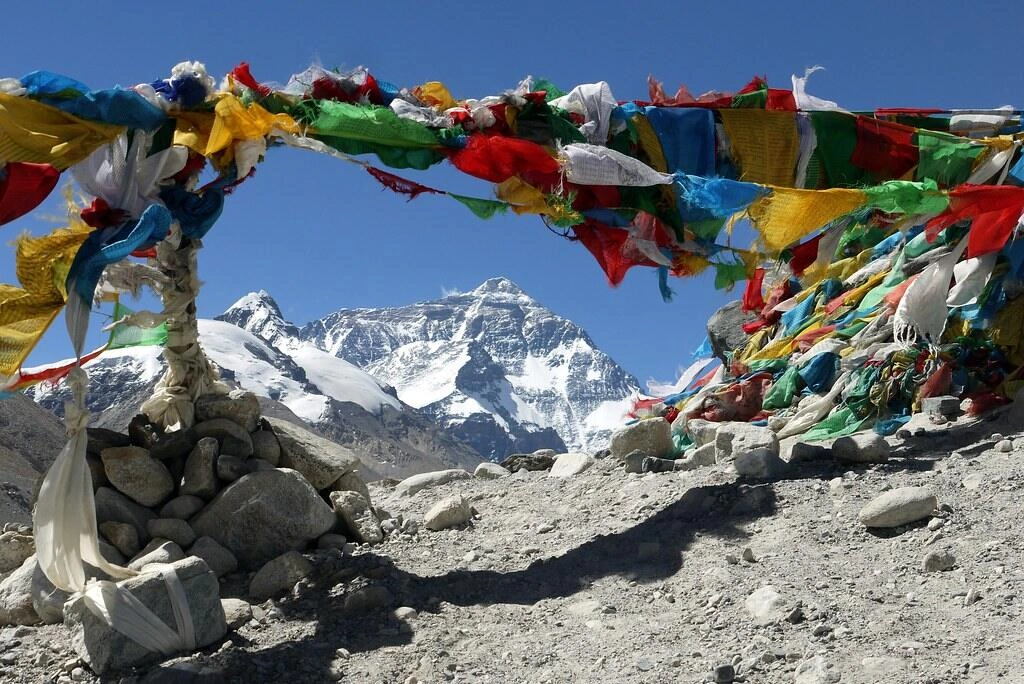
Day 7: Trek to Gorakshep (5,164 m) – Visit Everest Base Camp (5,364 m): Continue to Gorakshep, then hike to the Everest Base Camp — the legendary foot of the world’s tallest peak. Standing here is an emotional and unforgettable experience.
Day 8: Hike to Kala Patthar (5,545 m) – Descend to Pheriche (4,280 m): Climb to Kala Patthar for the best sunrise view over Mount Everest, glowing in golden light. Afterward, descend to Pheriche for overnight rest.
Day 9: Trek Down to Namche Bazaar: Retrace your steps back to Namche Bazaar, enjoying easier downhill trails and revisiting familiar villages.
Day 10: Fly from Lukla to Kathmandu: Trek back to Lukla and take a scenic return flight to Kathmandu, marking the end of your unforgettable short Everest Base Camp adventure.
Safety Tips
- Always purchase travel insurance that covers high-altitude trekking.
- Follow your guide’s advice regarding pacing and acclimatization.
- Avoid smoking and excessive alcohol during the trek.
- Maintain a flexible schedule to account for possible flight delays at Lukla due to weather.
Following these precautions ensures a smooth, safe, and enjoyable trekking experience. Get ready to realize your Himalayan dream!
Nepal Outdoor Expeditions organizes short Everest Base Camp treks with expert guides, carefully crafted itineraries, and local knowledge and support. This combination ensures that your journey is safe, educational, and truly memorable.
FAQs
1. How Many Days Does It Take to Do a Short Trip to the Everest Base Camp?
The Everest Base Camp trek typically takes 10–12 days, depending on your pace and the number of acclimatization days. Shorter routes, such as the Everest Panorama Trek, can be completed in about 7 days.
2. Would First-Time Trekkers Enjoy the Short Everest Base Camp Trek?
Yes. First-time trekkers can complete the EBC trek if they are reasonably fit, follow proper acclimatization, and trek under the guidance of an experienced leader. For beginners, the 11–12-day itinerary is generally more suitable than the shortest 10-day option.
3. Do U.S. Citizens Need a Visa to Trek in Nepal?
Yes. U.S. citizens can obtain a Tourist Visa on arrival at Tribhuvan International Airport in Kathmandu. A 15-day visa is sufficient for the short EBC trek.
4. Which Permits Are Necessary to Hike Everest?
You’ll need two permits: the Sagarmatha National Park Entry Permit and the Khumbu Pasang Lhamu Rural Municipality Permit. Both can be arranged either in Kathmandu or Lukla.
5. What Is the Highest Elevation on the Short EBC Trek?
The highest point is Kala Patthar (5,545 meters / 18,192 feet), which offers a stunning sunrise view of Mount Everest. The Base Camp itself sits at 5,364 meters (17,598 feet).
6. Is It Possible to Get Altitude Sickness on a Shorter Trek?
Yes. Even short EBC treks reach high elevations, so altitude sickness is still a risk. Trekkers should ascend gradually, stay hydrated, avoid alcohol, and consider overnight stops in Namche Bazaar or Dingboche to aid proper acclimatization.
7. What Is the Best Season for a Short Everest Base Camp Trek?
The best seasons are spring (March–May) and autumn (September–November), when the weather is clear, stable, and the mountain views are at their best.
8. How Physically Fit Should I Be for the Trek?
Trekkers should be able to walk 5–7 hours per day over mountain terrain. It’s recommended to begin cardio, stair climbing, and leg-strengthening exercises at least 4–6 weeks before the trek.
9. What Is Usually Included in the Cost of a Short Everest Base Camp Trek?
The package typically covers domestic flights (Kathmandu–Lukla), accommodation, meals, guide and porter services, and trekking permits. It generally does not include international flights or travel insurance.
10. Is Wi-Fi and Charging Available Along the Trek?
Yes. Most teahouses offer Wi-Fi and charging facilities, but these services come with extra fees. Internet speed tends to decrease with increasing elevation.
11. What Should I Carry on a Short Everest Base Camp Trek?
Essential items include:
-
Thermal wear, fleece, and a down jacket
-
Trekking socks and waterproof boots
-
Sleeping bag (rated below –10°C)
-
Refillable water bottle, trekking poles, gloves, and headlamp
-
Personal medications and toiletries
12. Is a Guide and Porter Necessary for the Short EBC Trek?
While it’s possible to trek independently, hiring a licensed guide and porter is highly recommended for safety, navigation, and load management — especially if your itinerary is tight.
13. What Is the Flight from Kathmandu to Lukla Like?
The flight takes about 35 minutes, offering breathtaking views of the Himalayan range. However, weather conditions can cause delays, so having a flexible schedule is advisable.