Training for the Everest Base Camp (EBC) trek is all about preparing your body, mindset, and daily habits for long days of walking at high altitudes and unpredictable mountain weather. While the trek doesn’t demand professional climbing skills, your experience greatly depends on how well you prepare before arriving in Nepal.
EBC requires no ropes, technical gear, or advanced mountaineering knowledge. What it does require is perseverance, patience, physical readiness, and a deep respect for altitude. With proper training, you’ll not only lower your risk of injuries and altitude sickness but also enjoy every step of the journey.
Whether you’re building muscle strength, improving cardiovascular fitness, or incorporating mindfulness into your routine, a structured plan can make your EBC adventure one of the most rewarding travel experiences of your life.
Quick Facts
- Region: Khumbu Region, Nepal (Sagarmatha National Park)
- Trip Duration: 12-14 days (including acclimatization days)
- Best Months: March-May (Spring) and September-November (Autumn)
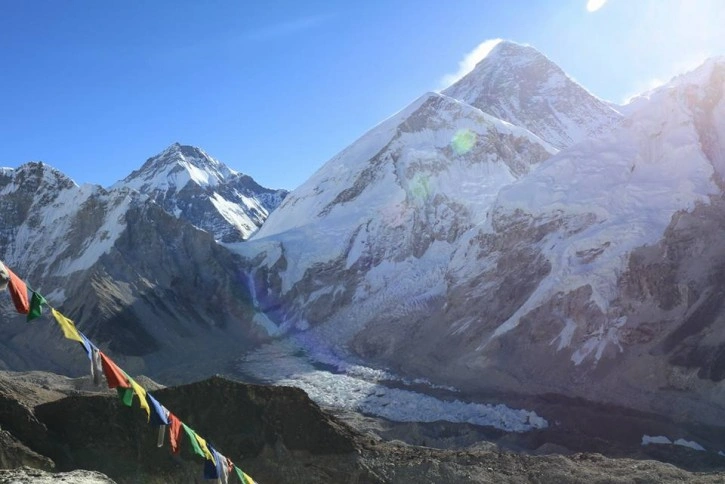
- Max Elevation: 5,364 meters (Everest Base Camp)
- Difficulty Level: Moderate to Challenging (due to altitude, not technical difficulty)
- Key Attractions: Mount Everest, Khumbu Glacier, Tengboche Monastery, Sherpa villages, Himalayan landscapes
Why Training Matters for the Everest Base Camp Trek
Though not the most difficult trek in Nepal, getting to Everest Base Camp is not an easy task. The highest points on the trail are Kala Patthar at 5,545 meters and Base Camp at 5,364 meters, where oxygen levels are significantly lower. At these altitudes, your body works harder, and even a short climb can leave you breathless.
- You’ll walk long hours every day: Trekking usually lasts five to seven hours per day over a period of two weeks. With training, your legs, lungs, and endurance will be better prepared for the demands of the trail.
- You’ll deal with high altitude: Training cannot completely prevent altitude-related problems, but good fitness can help you cope better with the physical demands of trekking at elevation.
- It reduces the risk of injury: A well-conditioned body can handle rocky paths, sharp turns, and uneven terrain more comfortably and with better stability.
- It makes the trek enjoyable: You will have more energy to appreciate the mountain views, interact with local people, and enjoy the beauty of the Khumbu region instead of focusing entirely on fatigue.
How to Train for Everest Base Camp
1. Build Your Hiking Endurance
The most essential part of being EBC-ready is the ability to walk long distances comfortably. Regular hiking on varied terrain helps your legs adapt to prolonged walking. Training on gravel paths, forest trails, hills, and uneven surfaces can better prepare your joints, tendons, and muscles for Himalayan terrain.
You should strive for:
- Two or three long hikes per week
- Hikes lasting three to six hours
- Adding elevation through stairs, hills, or steep trails
- Walking with a backpack to simulate trekking conditions
2. Improve Your Cardiovascular Fitness
Strong legs alone are not enough for EBC preparation. You must also be able to walk for several hours each day while your body adjusts to thin air. Developing cardiovascular fitness is an important part of training because your heart and lungs work harder at high altitudes. You don’t need elite athletic ability, but consistent stamina can help you climb hills, maintain a steady pace, and recover between efforts.
Recommended cardio exercises:
- Brisk walking
- Light jogging
- Cycling (indoor or outdoor)
- Swimming
- Stair climbing
- Elliptical training
3. Strengthen Your Lower Body
Your lower body helps you handle every challenge of the EBC trail, from long descents to rocky slopes and steep ascents. Strong legs can make trekking more manageable, improve stability, and reduce fatigue. Building lower-body strength can also help your body handle the repeated demands of multi-day trekking on uneven Himalayan terrain.
Important muscles to train:
- Quadriceps
- Hamstrings
- Glutes
- Calves
- Core muscles
Effective workouts:
- Squats
- Lunges
- Step-ups
- Light to moderate deadlifts
- Calf raises
- Wall sits
4. Don’t Ignore Upper Body and Core Strength
Strong legs are important, but a strong core and upper body also matter. Your core helps with balance and reduces stress on your lower back, while your upper body helps you carry a backpack, maintain posture, and stay steady on uneven terrain. Training these areas helps your entire body become stronger and more resilient for the multi-day EBC trek.
Useful core exercises:
- Planks
- Side planks
- Mountain climbers
- Bicycle crunches
5. Get Comfortable Carrying a Daypack
Each trekker carries a small daypack, even if porters carry the heavier bags. This daypack usually weighs around 5–7 kg. If you’re not used to carrying this weight, it may feel uncomfortable during long trekking days. Training with a weighted backpack helps your shoulders, back, and hips adapt gradually.
How to train:
- Start with 2 kg and gradually increase to 5–7 kg
- Walk on trails
- Climb stairs
- Take long walks in the city
6. Train to Handle Steep Descents
Your knees, quadriceps, and ankles work hard during descents, yet many trekkers focus mainly on uphill training. Long downhill walks on rocky terrain can be especially demanding. Training for descents helps improve control, build leg strength, and reduce the risk of injury.
To prepare:
- Practice downhill hiking
- Strengthen your quadriceps
- Train with trekking poles
7. Work on Your Flexibility and Mobility
Good mobility is essential when walking on rugged trails for long hours. Tight muscles can increase the risk of stiffness, pain, and injury. A flexible body moves more comfortably and can recover more easily after training sessions.
Areas to stretch:
- Hamstrings
- Calves
- Hip flexors
- Lower back
- Glutes
- Shoulders
8. Break in Your Boots and Gear (Very Important)
Comfortable and familiar gear can help prevent blisters, discomfort, and unnecessary strain. Your boots, clothing layers, and other trekking equipment should be tested before the trek rather than for the first time on the trail.
Practice using:
- Trekking boots
- Daypack
- Trekking poles
- Base layers
- Hiking socks
9. Mental Conditioning for the EBC Trek
The EBC trek is as much mental as it is physical. Long walking days, unpredictable weather, and altitude-related discomfort can test your patience and motivation. Mental preparation can help you stay calm, focused, and determined when the trail becomes challenging.
How to develop mental strength:
- Keep walking at a steady pace even when you feel tired
- Gradually increase the difficulty of your training
- Exercise in mildly challenging conditions
- Set small goals, such as reaching “one more hill” or walking “one more hour”
10. Simulate Altitude If Possible (Optional)
Not everyone has access to altitude-training facilities. If you live near mountainous areas, hiking at higher elevations can provide useful experience with reduced oxygen levels. However, no training method can fully replicate the process of acclimatization required during the actual EBC trek.
Possible methods:
- Hike at higher altitudes whenever possible
- Sleep at moderate elevations when appropriate
- Use altitude-training facilities if professionally supervised and available
11. Learn Proper Trekking Pace and Breathing Techniques
There is no rush on the EBC trail. Walking too fast can drain your energy quickly and make it harder to adjust to altitude. Proper pacing and controlled breathing help conserve energy and make long walking days more manageable. A slow, rhythmic pace is ideal.
Pacing tips:
- Walk slower than you think you need to
- Take frequent, short breaks
- Use the “rest step” method
- Maintain a conversational pace
12. Focus on Recovery as Much as Training
Without proper rest, training can lead to burnout, stiffness, or injury. Recovery allows your muscles to adapt and become stronger while helping you maintain consistent training. Your body needs adequate recovery between demanding workouts.
Useful habits:
- Get enough sleep
- Drink plenty of water
- Stretch after workouts
- Eat balanced meals
- Avoid overtraining
Common Mistakes Trekkers Make While Training
Many hikers make simple training mistakes that can create unnecessary difficulty during the trek.
The most common are:
- Ignoring training and assuming the trek will be easy
- Overtraining on flat roads without practicing on hills
- Overlooking the importance of acclimatization
- Not breaking in trekking boots before the trek
- Carrying a heavy backpack without practicing with it
- Focusing only on running instead of hiking
- Not training for long walking durations
Avoiding these mistakes can make your trek more manageable and enjoyable.
Signs You’re Ready for the Everest Base Camp Trek
After completing your training, you should be able to:
- Walk comfortably for five or six hours
- Carry 5–7 kg on your back
- Walk briskly while maintaining a conversation
- Recover well after a demanding hike
- Handle steep ascents and descents without significant knee discomfort
- Feel physically and mentally confident
These are useful indicators that you have built a solid fitness foundation for the Everest Base Camp trek. However, fitness alone does not guarantee that you will avoid altitude-related problems, so proper acclimatization during the trek remains essential.
A Friendly Notice Before You Start Your Journey
Everest Base Camp training is not only about physical preparation but also about mentally preparing for a challenging and rewarding adventure. You do not need to do it alone. If you are unsure about your fitness level, itinerary, or simply want guidance from people who know these trails well, the team at Nepal Outdoor Expeditions is ready to help.
We are happy to offer advice, answer your questions, or help organize a trip that matches your fitness and comfort level. No pressure and no obligations—just genuine support to help you prepare for a safe and memorable journey in the Himalayas.
FAQs
1. How Early Should I Start Training for the Everest Base Camp Trek?
Most trekkers benefit from starting their training 8–12 weeks before the trek. This provides enough time to gradually build endurance, strength, and stamina.
2. Do I Need to Hire a Personal Trainer for EBC Preparation?
Not necessarily. A personal trainer can be useful if you are new to fitness or need individualized guidance. However, most people can prepare with a structured program that combines cardio, strength training, and hiking practice.
3. Is It Okay If I Have Never Trekked Before?
Yes. Many first-time trekkers successfully reach Everest Base Camp. Previous trekking experience is helpful, but consistent training, proper pacing, and preparation are more important.
4. Can I Prepare for EBC Indoors If I Don’t Have Hills Nearby?
Absolutely. Incline treadmills, stair machines, weighted flat walks, and home workouts can provide effective alternatives when outdoor hills or trails are not available.
5. What Is the Most Common Mistake People Make While Training?
Overtraining is a common mistake. Pushing too hard or increasing training too quickly can lead to excessive fatigue or injury. Gradual progression with adequate recovery is a better approach.
6. Will Altitude Sickness Go Away If I Train Harder?
No. Altitude sickness is not determined by fitness level, and even highly trained athletes can experience it. Training improves physical fitness, but proper acclimatization during the trek is essential for reducing the risk of altitude-related illness.
7. How Do I Know If My Fitness Level Is Enough for EBC?
If you can walk for 5–6 hours at a steady pace while carrying a light backpack and recover reasonably well afterward, you have developed a useful fitness foundation for the trek. However, your ability to acclimatize at altitude cannot be predicted solely from fitness.
8. Do I Need to Follow a Strict Diet While Training?
No. Focus on balanced meals that provide sufficient protein, complex carbohydrates, healthy fats, and fluids. A restrictive diet is generally unnecessary for EBC preparation.
9. Can I Train If I Have a Busy Schedule?
Yes. Many trekkers can prepare with 30–45 minute sessions, four to five days per week. Consistent workouts such as incline walking, stair training, and bodyweight exercises can be effective when time is limited.
10. Should I Train With Trekking Poles?
Yes, if you plan to use trekking poles during the EBC trek. Practicing with them beforehand helps you become comfortable with the technique and coordination.
Training with trekking poles can help you:
- Learn proper arm movement
- Build coordination
- Reduce knee pressure during descents
- Improve overall walking efficiency