Offering group discounts!
Reserve with a 20% deposit. The balance isn't due until 60 days before departure, and cancellations more than 60 days out get a full deposit refund. How booking works →
 Region
Annapurna Region
Region
Annapurna Region
 Duration
5 Days
Duration
5 Days
 Difficulty
Easy
Difficulty
Easy
 Max. Altitude
3210 m
Max. Altitude
3210 m
 Prime Activity
Trekking In Nepal
Prime Activity
Trekking In Nepal
 Season
(March-May) (September-November)
Season
(March-May) (September-November)
 Group Size
1-12 people
Group Size
1-12 people
One of the most rewarding short treks in Nepal is the 5-day Ghorepani Poon Hill Trek. Besides, this trek suits travelers who want to enjoy the beauty of the Himalayas but cannot commit to a long and demanding journey. Even so, you can experience breathtaking mountain scenery, peaceful forests, and the warm cultural hospitality that makes this journey both fulfilling and unforgettable.
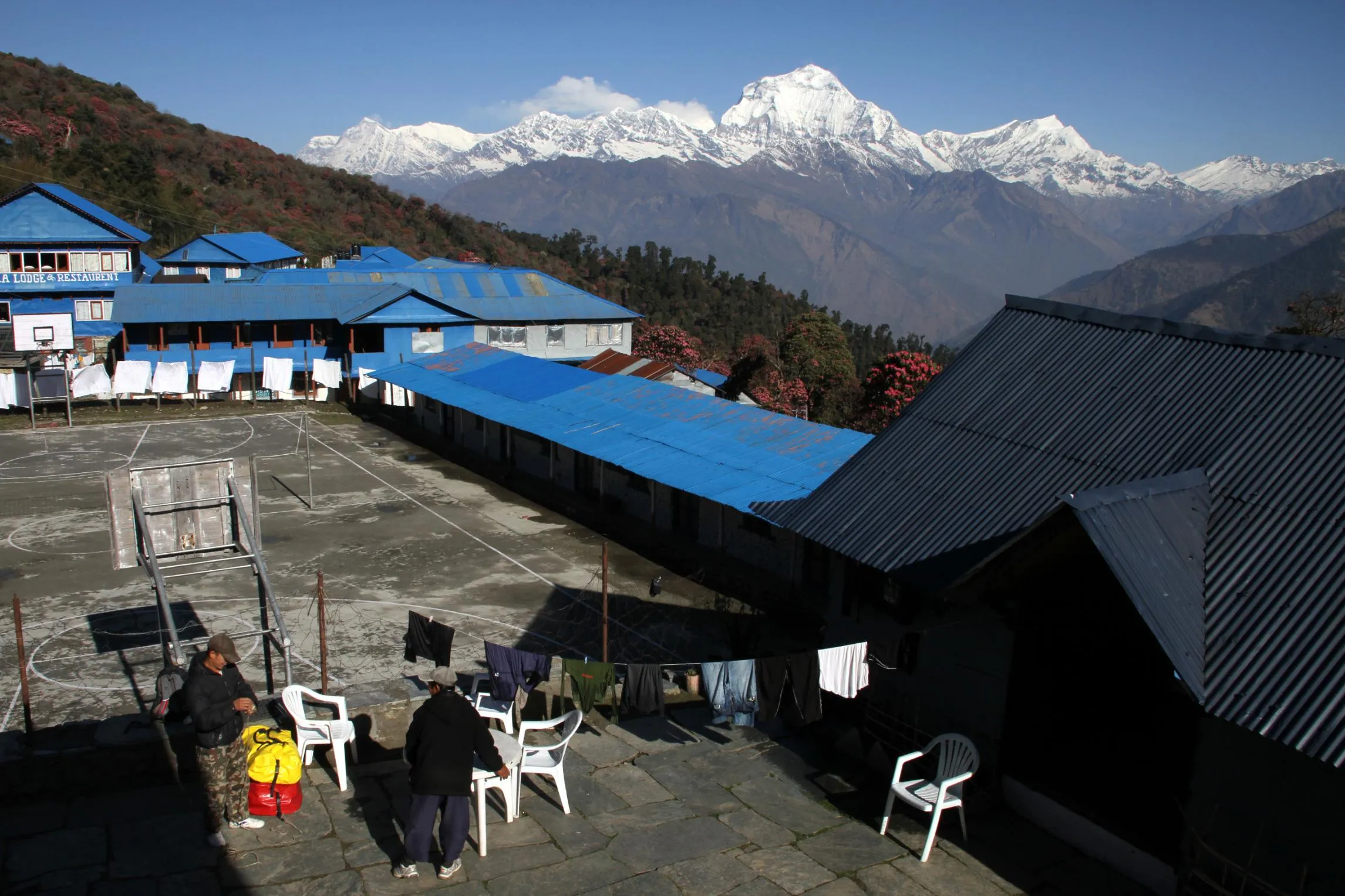
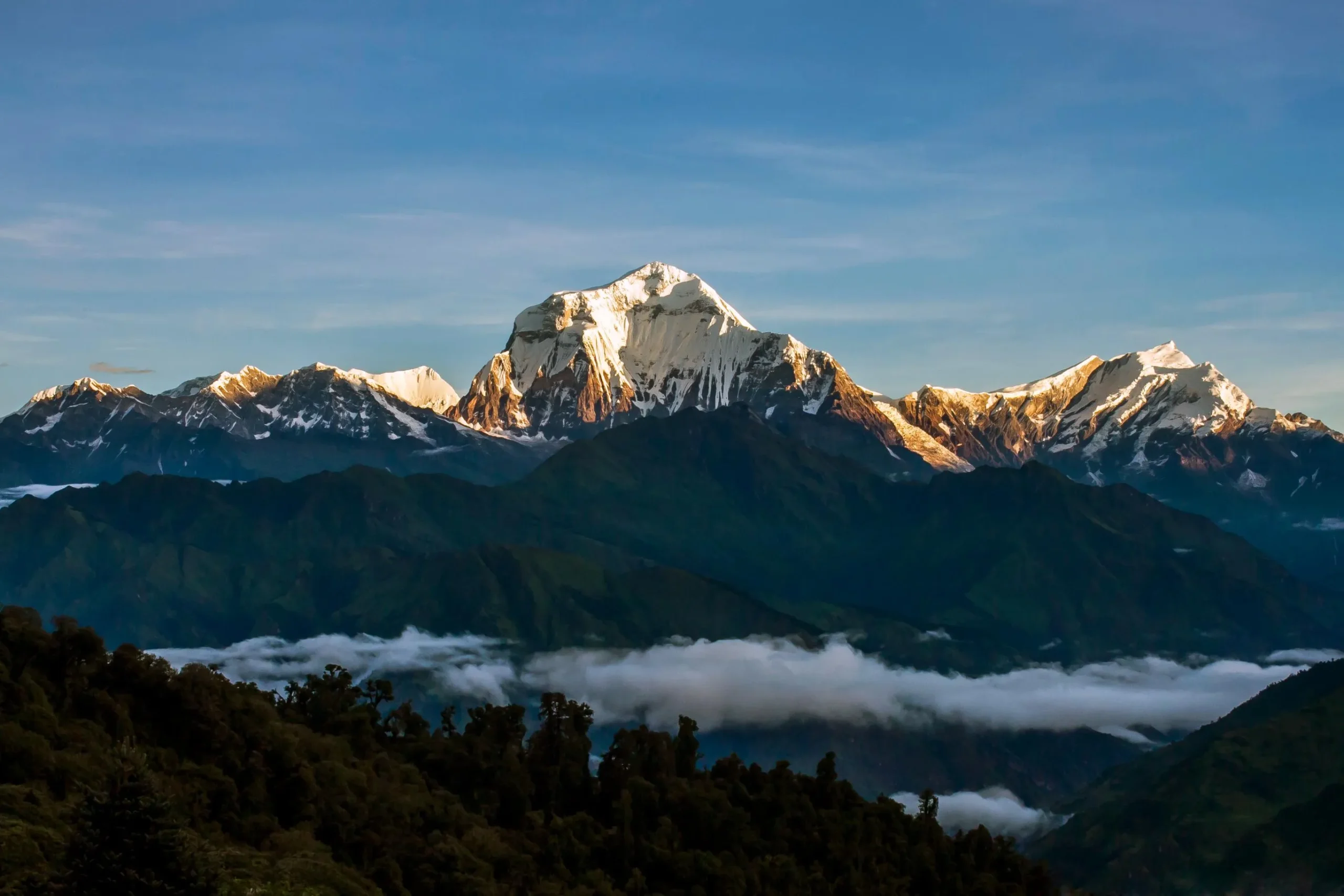
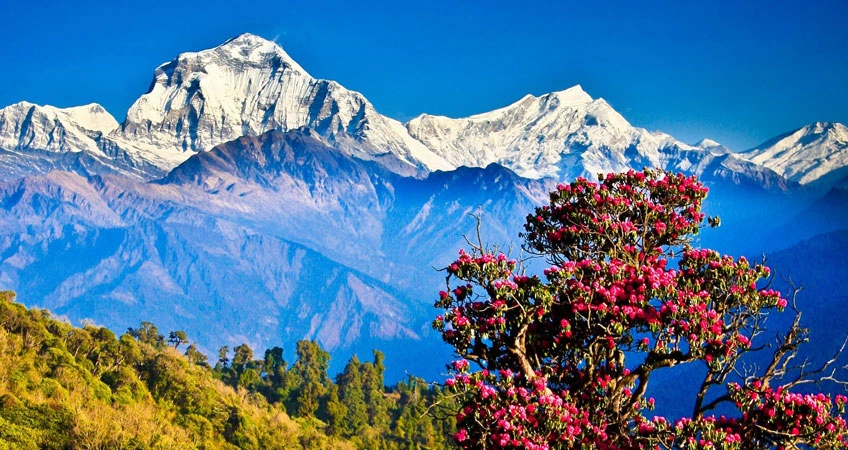
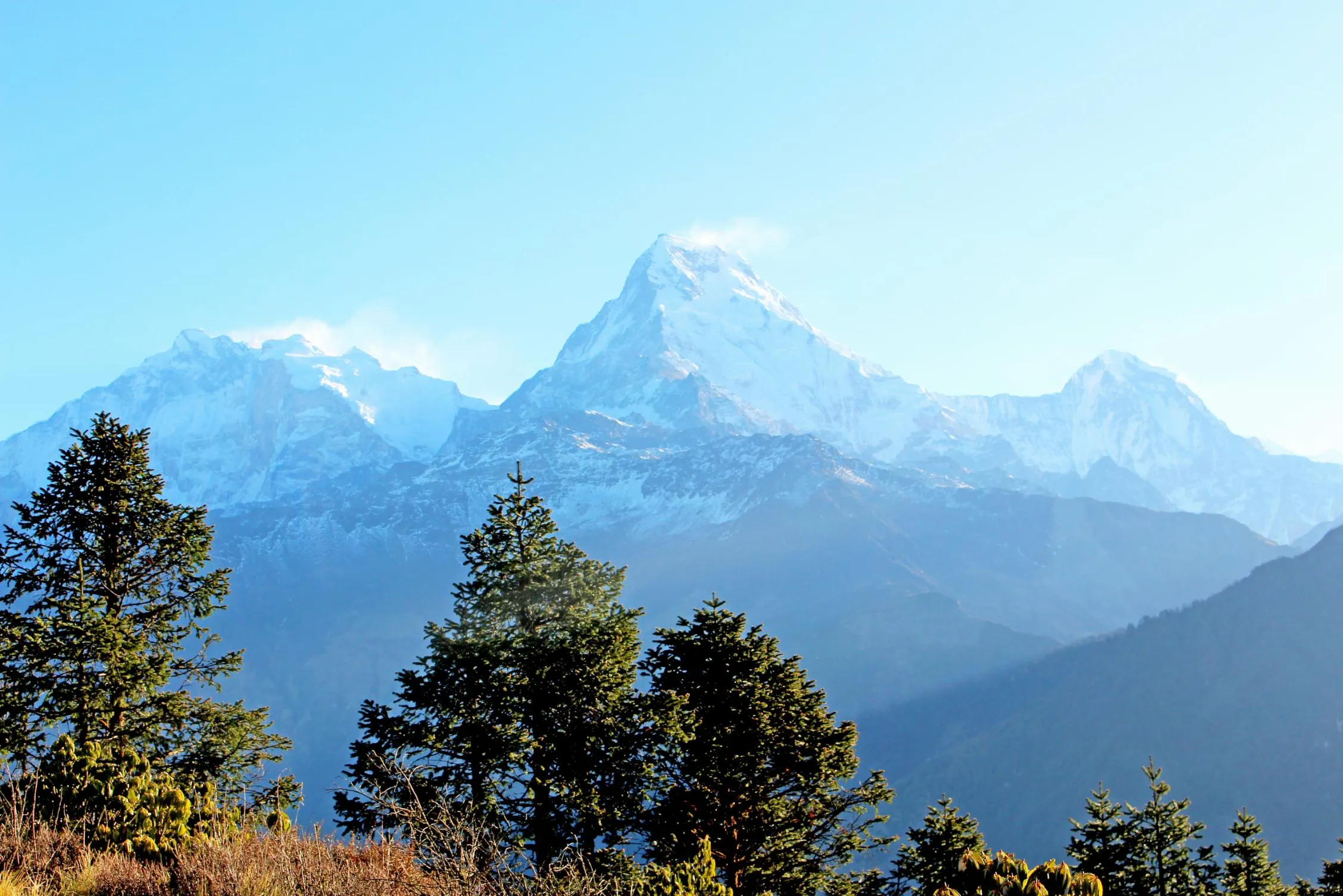
The early morning hike to Poon Hill is one of the trek's most memorable highlights. Watching the sunrise over the Annapurna and Dhaulagiri ranges is an experience that stays with you long after the journey ends. As the first rays of sunlight touch the snow-capped peaks, the mountains slowly change color, creating a peaceful and almost magical atmosphere.
Along the way, you will also pass through charming villages such as Ghorepani and Ghandruk, where you can experience the rich Gurung and Magar cultures. Stone houses, welcoming locals, and comfortable teahouse stays offer a genuine glimpse into everyday life in the hills of Nepal. Moreover, this trek is not just about the mountains but also about the people and their way of life.
Overall, the 5-day Ghorepani Poon Hill Trek offers an excellent blend of nature, culture, and comfort. It is short, easily accessible, and filled with unforgettable experiences, making it an ideal choice for first-time trekkers as well as those seeking a rewarding escape to the Himalayas in a limited timeframe.
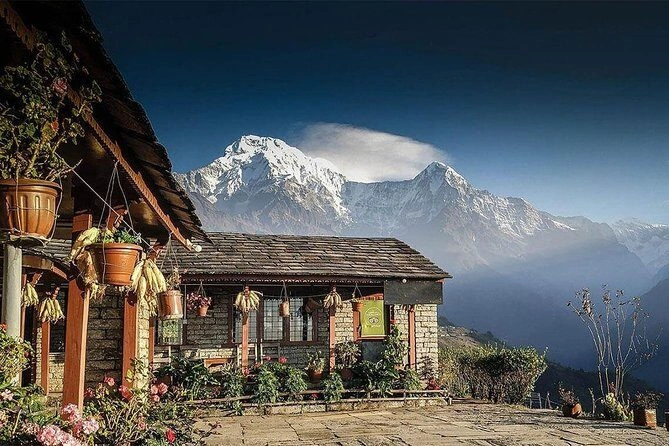
The Ghorepani Poon Hill Trek is more than a journey through forests and mountain landscapes. It is also an opportunity to experience the traditions and hospitality of the Gurung and Magar communities, who have lived in the Annapurna region for generations. Villages such as Ghandruk and Ghorepani showcase traditional stone houses, terraced farms, and a peaceful way of life shaped by farming, livestock, and tourism.
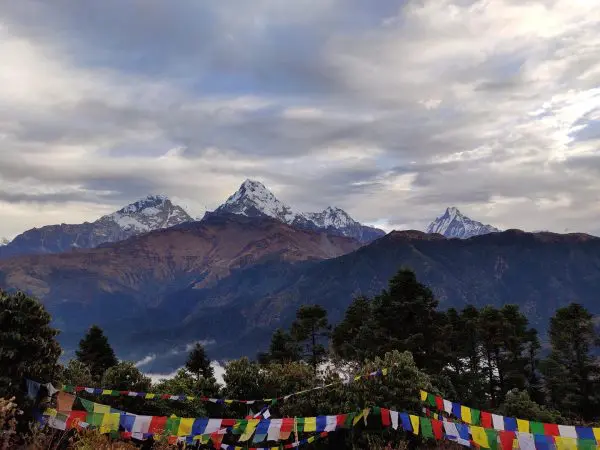
As you walk through these villages, you’ll encounter prayer flags, small shrines, and mani stones that reflect the region’s spiritual heritage. Greeting locals with a friendly “Namaste,” respecting local customs, and asking permission before taking photographs are simple ways to show appreciation for the local culture and create meaningful connections along the trail.
Tipping is not compulsory in Nepal, but it is a thoughtful way to show appreciation for good service during your trek. Many trekkers choose to leave a small tip at tea houses if they are satisfied with the hospitality and meals provided.
Guides and porters play a vital role in ensuring a safe and enjoyable trekking experience by managing logistics, carrying equipment, and providing local knowledge. Many travelers also choose to tip their driver for transportation between Pokhara and Nayapul as a gesture of gratitude for their service.
The Ghorepani Poon Hill Trek passes through the environmentally and culturally significant Annapurna region. Responsible trekking helps preserve its natural beauty while supporting the communities that welcome visitors throughout the year.
Simple actions can make a positive difference during your trek. Carry a reusable water bottle with purification tablets or a filter instead of purchasing single-use plastic bottles. Dispose of rubbish responsibly, stay on designated trails, and minimise waste whenever possible.
Mountain communities have limited access to water and electricity. Using hot water carefully and charging electronic devices only when necessary helps conserve local resources and supports sustainable tourism.
Guides and porters are essential to a successful trekking experience. They carry equipment, provide local knowledge, and ensure trekkers travel safely through the mountains. Choosing a responsible trekking company that provides fair wages, insurance, proper equipment, and reasonable load limits helps support their wellbeing.
Treating guides and porters with kindness, respect, and appreciation creates a positive experience for everyone involved throughout the journey.
Staying in locally owned tea houses, enjoying locally prepared meals, and purchasing handmade products directly support families and small businesses along the trail. These contributions help sustain mountain communities and preserve their traditions for future generations.
Learning a few Nepali greetings and taking an interest in local customs can also create meaningful cultural exchanges that often become lasting memories of the trek.
The Ghorepani Poon Hill Trek can be completed independently or with a professional guide. Independent trekking offers greater flexibility and is suitable for experienced trekkers who are comfortable managing accommodation, navigation, permits, and daily logistics on their own.
A guided trek provides additional convenience and peace of mind. Professional guides handle the planning, share insights into local culture and nature, and provide assistance throughout the journey. For first-time visitors to Nepal or those seeking a hassle-free experience, a guided trek is often the most enjoyable and rewarding option.
During the 5-day Ghorepani Poon Hill Trek, you will stay in traditional mountain lodges known as teahouses. These locally operated accommodations are simple, comfortable, and welcoming. While they do not offer luxury amenities, they provide everything you need to rest and recover after a full day of trekking.
Most teahouses offer basic twin-sharing rooms with two single beds, a mattress, a pillow, and a blanket. The rooms are simple, usually built with wooden interiors, but they are clean and comfortable. In lower villages such as Tikhedhunga and Ghandruk, some lodges may offer slightly better facilities, including attached bathrooms. As you gain altitude and reach places like Ghorepani, accommodation becomes more basic, and shared bathrooms are more common.
The dining hall is the warmest and most social area of the teahouse. It typically features a central stove where trekkers gather in the evening to enjoy their meals, relax, and exchange stories with fellow travelers. It is a welcoming space that adds to the overall trekking experience.
Electricity is available in most teahouses, although charging electronic devices such as phones and cameras usually requires a small additional fee. WiFi is available in many villages, but the connection can be slow and unreliable, particularly at higher elevations.
Meals on the Ghorepani Poon Hill Trek are simple, freshly prepared, and nutritious. Most teahouses serve a combination of traditional Nepali dishes and popular international meals to suit different preferences.
Dal bhat, a traditional meal consisting of rice, lentil soup, seasonal vegetables, and pickles, is the most popular choice among trekkers. It is filling, nutritious, and provides sustained energy for long trekking days. Many teahouses also offer free refills of dal bhat, making it an excellent value after a demanding hike.
In addition to dal bhat, you can choose from a variety of meals, including noodles, fried rice, pasta, soups, pancakes, eggs, and potato dishes. Breakfast typically includes porridge, toast, eggs, or traditional Tibetan bread served with tea or coffee.
Hot drinks such as black tea, milk tea, coffee, and ginger-lemon-honey tea are widely available and are especially comforting in the cool mountain weather. Food and beverage prices gradually increase with altitude because all supplies must be transported to the villages by porters or pack animals.
Proper preparation for the Ghorepani Poon Hill Trek makes your journey easier and more enjoyable. It is an easy to moderate hike, so you do not need to carry heavy or technical equipment. However, having the right gear helps keep you warm, safe, and comfortable throughout the trek. Weather conditions in the hills can change quickly, especially during early mornings and evenings. Therefore, it is important to pack smart and keep your backpack lightweight.

Tenzing Sherpa
Have questions? Our travel specialists are here to help plan your perfect adventure.
Chat on WhatsAppYour trip starts with a short and picturesque ride through Pokhara to Nayapul. The trail goes along streams and little villages, and it provides you with a pleasant introduction to the walk. Starting at Nayapul, you start walking through Birethanti, where there are local houses, small stores, and the daily life in the village. The path follows the river and over terraced fields and green hills. The further you go, the steeper the trail becomes, particularly before coming to Ulleri, where you ascend a lengthy line of stone steps. It is not easy, but it is also rewarding. You stay over at a warm teahouse in Ulleri, which is at the altitude of 1,960 meters.
You continue your walk through quiet woods with rhododendron and oak trees. The path is largely gradual and uphill, so you can stroll comfortably at your own pace. The walk is even better since the forest is colorful during the spring season due to the flowers in bloom. The higher you go, the colder and fresher the air. On the way you also might begin to glimpse the mountains surrounding you. By the afternoon, you arrive at Ghorepani, which is a beautiful, forest-covered village at an elevation of 2,860 meters. Here you spend the night in a teahouse.
This is the most special day of the trek. In the morning you hike to Poon Hill to see the sunrise. When the sun comes up, the mountains of the Annapurna and Dhaulagiri ranges gradually illuminate, which is a picturesque and peaceful scene. You go back to Ghorepani and have breakfast after admiring the scenery. Next, you follow a forest trail towards Tadapani. The walk is serene, and nature is all around you. A couple of hours of walking bring you to Tadapani at 3,210 meters, where you spend the night in a teahouse.
Today the walk is shorter and is downhill rather than up. You go through forest paths and arrive at Ghandruk, one of the most scenic villages of the area. The village is characterized by the traditional Gurung culture and stone houses. You are able to visit the village and the local museum and also have a sight of Annapurna South and Machhapuchhre. The atmosphere here is calm and friendly. You spend the night in a teahouse, Ghandruk (1,940 meters).
On the last day, you walk down from Ghandruk to Nayapul through Seaulibazar. The trail will cross small villages, farmland, and forested trails, which will provide you with an opportunity to appreciate the beauty of nature in the region one last time. When you get to Nayapul, you drive back to Pokhara (820 meters). Once you come back, you will be able to rest in your hotel and recollect the trip, taking back many positive memories.
See what past travelers are saying about their experience with Nepal Outdoor Expeditions.
Because your next adventure is impatiently waiting for you.
Last Minute Note: Grab incredible deals on the last minute departure / Book spontaneous trips to hip destinations with limited-time offers and discounted price
Not sure of your dates yet? Hold a departure with a 20% deposit. Cancel more than 60 days out and your deposit is refunded in full. Your first date change is free. If a departure doesn't reach minimum numbers, we'll offer you the nearest alternative date or a full refund, and we'll let you know at least 30 days out.
Before you think of or actually plan any adventurous or relaxing tours, travels, or treks with Nepal Outdoor Expeditions.
If you cancel more than 60 days before departure, we refund your deposit in full. Between 30 and 60 days, the 20% deposit is retained. Inside 30 days the trip cost is non-refundable, since by then we've already paid for your permits, flights, and teahouse bookings. Full detail on our booking page.
20% to reserve your place, with the balance due 60 days before departure. On this trek that's $85 to book and $340 two months before you fly. If you're booking within 7 days of departure, the full amount is due at booking.
Yes, as long as you let us know at least 30 days before your original departure date, your first change is free. Any change after that, or a change requested inside 30 days, is $200 per person.
5 Days Ghorepani Poon Hill Trek