
Offering group discounts!
Reserve with a 20% deposit. The balance isn't due until 60 days before departure, and cancellations more than 60 days out get a full deposit refund. How booking works →
 Region
Everest Region
Region
Everest Region
 Duration
12 Days
Duration
12 Days
 Difficulty
Challenging
Difficulty
Challenging
 Max. Altitude
5545 m
Max. Altitude
5545 m
 Prime Activity
Trekking In Nepal
Prime Activity
Trekking In Nepal
 Season
(March-May) (September-November)
Season
(March-May) (September-November)
 Group Size
1-12 people
Group Size
1-12 people
The Luxury Everest Base Camp Trek offers a unique and comfortable way to experience one of the world’s most famous trekking journeys. This incredible adventure takes you to the foothills of the world’s highest mountain, Mount Everest (8,849 meters / 29,032 feet), while allowing you to enjoy a much higher level of comfort than the traditional trekking experience.
Unlike the standard Everest Base Camp treks that focus mainly on reaching the destination, this luxury package enhances the journey by adding premium services and high-quality facilities throughout the trip. Over the course of this fully guided 12-day trek, you will explore the breathtaking landscapes and cultural highlights of the Khumbu region while enjoying excellent food, comfortable accommodation, and carefully arranged services that make the journey more relaxing and enjoyable.
Your experience begins in Kathmandu, where you will spend three nights in a 4- or 5-star hotel, giving you time to relax and prepare for the adventure ahead. During the trek itself, you will stay in some of the best available hotels and lodges along the Everest trail, where you can enjoy comfortable rooms, warm hospitality, and quality meals. Most luxury lodges also provide unlimited tea, coffee, and freshly prepared meals, helping you stay energized and comfortable throughout the trek.
Another highlight of this luxury experience is how the return journey is arranged. Instead of trekking all the way back to Lukla after reaching Everest Base Camp, you will return by helicopter from Gorakshep. This scenic helicopter flight not only saves time but also allows you to enjoy breathtaking aerial views of the Himalayas while avoiding the physical strain of trekking back down the same trail.
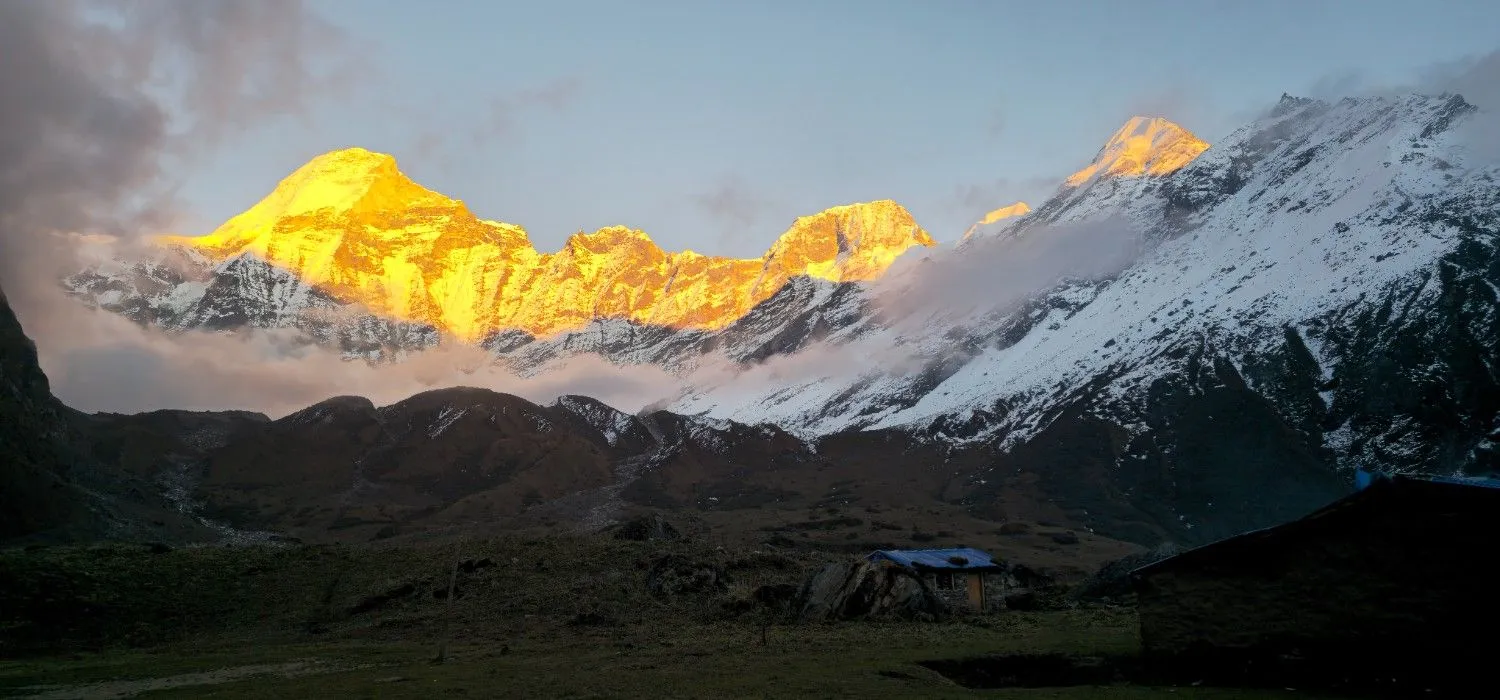


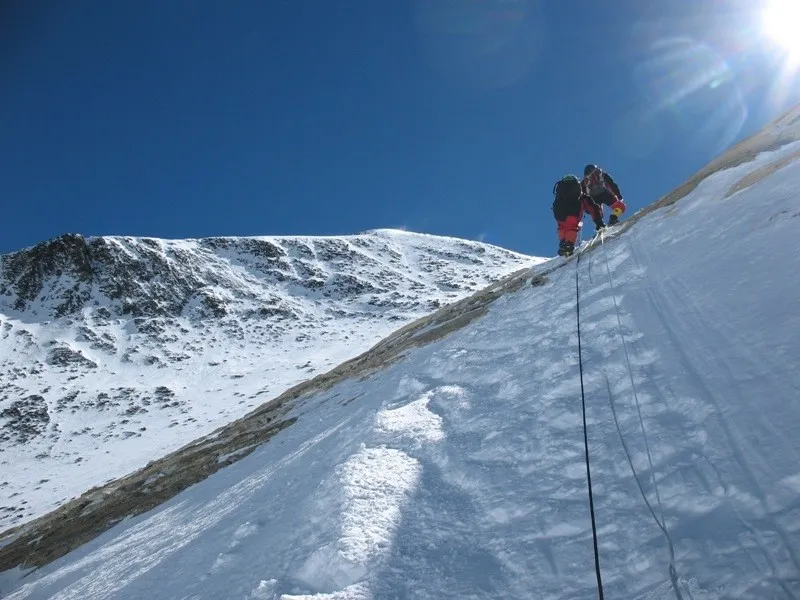
The Everest Base Camp Trek is not only about dramatic mountain scenery but also about experiencing the rich culture of the Khumbu region. As you make your way from Lukla to Everest Base Camp, you’ll pass through traditional Sherpa villages where ancient customs, warm hospitality, and deep-rooted Buddhist traditions remain an important part of everyday life. These settlements, nestled high in the Himalayas, offer a unique glimpse into a culture that has flourished in one of the world’s most challenging environments.
Buddhism is the predominant religion in the region, and its influence is visible throughout the trail. Trekkers encounter colorful prayer flags, mani walls, chortens, stupas, and monasteries that reflect the spiritual heritage of the Sherpa people. One of the most significant religious landmarks is Tengboche Monastery, the largest monastery in the Khumbu region. Besides its spiritual importance, it offers breathtaking views of Mount Everest, Ama Dablam, and several surrounding Himalayan peaks.
Meeting local Sherpa communities provides a deeper appreciation of mountain life and their renowned hospitality. Along the trail, you’ll see traditional stone houses, yak caravans, terraced fields, and everyday village life. Showing respect for local customs—such as walking clockwise around mani walls, asking permission before taking photographs, and greeting locals politely—enhances the cultural experience. These meaningful interactions make the Everest Base Camp Trek much more than a mountain adventure; they transform it into a memorable cultural journey.
Comprehensive travel insurance is an essential part of planning an Everest Base Camp Trek. Your policy should cover more than trip cancellations or lost luggage. It should also include emergency medical treatment, high-altitude trekking, helicopter evacuation, and rescue services. Since the Everest region is remote and medical evacuations are expensive, having appropriate insurance provides valuable financial protection and peace of mind.
Although insurance is not checked at every trekking checkpoint, most reputable trekking companies require proof of travel insurance before confirming your trip. Your policy should cover trekking at altitudes of at least 6,000 meters and include emergency helicopter evacuation. Many insurance providers offer dedicated high-altitude trekking policies, while others require an additional adventure sports rider.
Depending on the policy, travel insurance may also cover trip delays, cancellations, personal liability, lost baggage, and medical repatriation. While purchasing insurance is an additional expense, it is highly recommended for anyone planning to trek in the Everest region.
Most international travelers can obtain a tourist visa on arrival at Tribhuvan International Airport in Kathmandu or at designated land border entry points. A valid tourist visa is required before beginning any trekking activities in Nepal.
Visa fees vary depending on the length of your stay. Current fees are generally USD 30 for 15 days, USD 50 for 30 days, and USD 125 for 90 days, although these rates may change. Travelers should verify the latest fees before departure. Payment is typically made in cash, and your passport should be valid for at least six months from your planned date of entry.
Alternatively, travelers can apply for a Nepal tourist visa through a Nepalese embassy or consulate before departure. Many trekkers choose this option to avoid waiting in airport queues upon arrival. Regardless of how you obtain your visa, ensuring that your travel documents are in order before your trip will help your Everest adventure begin smoothly.
If you’re interested in similar adventures, you may also enjoy the following treks:
And here is where the luxury part truly begins to live up to its name. Instead of staying in traditional teahouses with basic facilities and shared bathrooms, you’ll spend your nights in carefully selected luxury mountain lodges and premium accommodations. Expect comfortable beds, quality linens, and, in many places, hot showers—a welcome comfort after a long day of trekking through rugged mountain terrain. At lower elevations, many lodges also provide Wi-Fi and electricity, allowing you to stay connected while surrounded by the breathtaking landscapes of the Himalayas.
As you move into higher and more remote villages such as Dingboche and Lobuche, accommodation naturally becomes more limited due to the challenging environment. However, the lodges are chosen for their cleanliness, warmth, and excellent hospitality. Heated dining rooms, comfortable bedding, and the best available facilities help create a relaxing atmosphere after each day’s trek. While these accommodations are not comparable to five-star city hotels, they provide one of the highest standards of comfort available in the Everest region. Even simple touches, such as a hot cup of tea, a cozy room, or a window overlooking snow-covered peaks, feel truly luxurious at high altitude.
Food on the Luxury Everest Base Camp Trek is much more than simply fuel for the journey. Each meal is designed to provide the energy needed for high-altitude trekking while also offering comfort and variety. Breakfasts typically include options such as eggs, pancakes, muesli, freshly baked bread, porridge, tea, and freshly brewed coffee, giving trekkers a hearty start to the day.
Lunch and dinner feature a combination of traditional Nepali dishes and international cuisine. Popular meals include dal bhat, momos, thukpa, fried rice, pasta, grilled vegetables, soups, potatoes, and, in some lodges, meat dishes such as yak steak. The menus are carefully prepared to provide balanced nutrition while offering a satisfying dining experience throughout the trek.
Proper nutrition is especially important at high altitude, where maintaining energy levels and hydration plays a key role in acclimatization. Fresh fruits, chocolate, energy bars, herbal teas, and hot chocolate are often available as snacks and refreshments. Some luxury lodges can also accommodate special dietary requirements, including vegetarian, vegan, and gluten-free meals with advance notice.
Although food supplies become more limited as you approach Everest Base Camp, the emphasis on fresh, hygienic, and well-prepared meals remains consistent throughout the journey. After completing the trek, many itineraries conclude with a celebratory meal in Kathmandu, providing a memorable way to mark the successful completion of your Himalayan adventure.
One of the greatest advantages of the Luxury Everest Base Camp Trek is the professional support provided by experienced guides and porters throughout the journey. Every trek is led by a government-licensed, English-speaking guide with extensive knowledge of the Everest region. Beyond leading the route, the guide shares insights into local culture, Buddhist traditions, mountain history, and the surrounding landscapes while carefully monitoring your health and acclimatization to help reduce the risk of altitude sickness.
Your guide also manages the daily logistics, ensuring the trek progresses safely and comfortably. From coordinating accommodation to providing assistance during challenging sections of the trail, their experience allows you to focus entirely on enjoying the journey.
Porters further enhance the trekking experience by carrying the majority of your luggage, typically up to 15 kg per trekker, with one porter assigned to every two trekkers. This allows you to walk with only a light daypack, making the trek significantly more comfortable and less physically demanding. Their support makes a noticeable difference during long ascents and high-altitude sections of the trail.
The package includes the salaries, food, accommodation, equipment, and insurance for both guides and porters. While gratuities are not included, tipping the trekking staff at the end of the journey is a common practice and a thoughtful way to show appreciation for their dedication, hard work, and support throughout your Everest adventure.
Hiking to Everest Base Camp is a high-altitude expedition that requires proper preparation to ensure both safety and an enjoyable experience. It is important to prepare physically and mentally, as the trek involves long walking days, changing terrain, high altitude, and unpredictable weather. With adequate planning, trekkers can fully enjoy the magnificent Himalayan landscapes while minimizing the risk of fatigue and injuries.
Since the trail passes through varying elevations and weather conditions, packing the right equipment is essential for a safe and comfortable trekking experience.

Tenzing Sherpa
Have questions? Our travel specialists are here to help plan your perfect adventure.
Chat on WhatsAppYour journey begins the moment you step off the plane. After clearing immigration and customs at Tribhuvan International Airport, a Nepal Outdoor Expeditions representative will be there waiting for you, holding up a banner so you won't miss them. They'll help with your bags and walk you to a comfortable private vehicle that'll take you straight to your hotel in the heart of the city. The drive into Kathmandu is a sensory experience in itself. The city is loud, colorful, and full of life, and even from the car window, you'll get a real sense of the energy this place carries. Once you reach your 4 or 5-star hotel, our representative will handle the check-in and sit with you to go over what the days ahead will look like. The rest of the day is yours. Freshen up, take a nap if the flight wore you out, or wander around the neighborhood a little if you're feeling curious. Kathmandu is the kind of city that rewards those who just step out and start walking.
After breakfast on your second morning, you'll head out with a guide to explore one of Asia's most historically layered cities. Kathmandu isn't just a stop on the way to the mountains. It has stories built into every courtyard, temple wall, and alleyway, and today you'll get to experience some of that firsthand. The city is home to 7 of Nepal's 10 UNESCO World Heritage Sites, and a good portion of your day will be spent at a few of these remarkable places. Pashupatinath Temple sits along the banks of the Bagmati River and is one of the holiest Hindu temples in the entire subcontinent, dedicated to Lord Shiva. The atmosphere here is unlike anything most travelers have encountered before. Boudhanath Stupa is one of the largest stupas in the world and holds deep religious significance for both Buddhist and Hindu communities. Standing at its base and looking up, you understand pretty quickly why people travel from all over the world just to see it. Swayambhunath Temple, perched on a hilltop above the Kathmandu Valley, is affectionately known as the Monkey Temple, and you'll see why when you arrive. The panoramic view of the valley from up here is genuinely stunning. Kathmandu Durbar Square was once the seat of Nepal's royal family, and wandering through its courtyards gives you a real window into the country's past. Note: There's more to Kathmandu than a single day can hold. Whatever you miss today, you'll have the chance to explore on your return after the trek. In the afternoon, we shift gears toward preparation. Your guide will walk you through the trekking briefing, review your packing list with you, and make sure everything is in order before the adventure begins tomorrow. If you need sleeping bags, down jackets, or trekking poles, Nepal Outdoor Expeditions has you covered.
Today is when things really begin. You'll wake up early, have breakfast, and head to the domestic terminal at TIA for your flight to Lukla. The flight itself is about 35 to 40 minutes, and it's quite something. You'll watch the flat green valley below slowly give way to the rising ridgelines of the Himalayas, and on a clear day, the sight of Everest towering above the surrounding peaks is hard to put into words. Landing at Tenzing-Hillary Airport is an experience in itself. It's consistently ranked among the most dramatic airports in the world, tucked into the mountainside with a short runway that ends at a cliff. Once you're on the ground and your heart rate is back to normal, you'll meet the rest of your crew: your guide, porters, and support staff. Gear gets distributed, introductions are made, and you're off. The trail from Lukla down to Phakding follows the Dudh Koshi River through terraced farmland and small villages. Prayer wheels, mani walls, and strings of colorful prayer flags line the route, giving the walk a calm, almost meditative quality. After crossing a few suspension bridges that sway gently over the rushing river below, you'll arrive in Phakding, where your lodge for the night offers surprisingly comfortable accommodation for this corner of the world.
After breakfast, you leave Phakding and head toward Namche Bazaar, widely known as the Sherpa Capital of the Khumbu. The trail continues alongside the Dudh Koshi River, weaving through forests of rhododendron and pine and passing through a handful of Sherpa villages including Chhuma, Jorsale, Monjo, and Benkar. At Monjo, you'll enter the boundaries of Sagarmatha National Park, a UNESCO World Heritage site in its own right. The final stretch to Namche is the day's main challenge: a steep, sustained climb that will have your lungs working harder than usual. But once you crest the hill and the view opens up, you'll understand why everyone talks about this moment. Everest, Lhotse, Kongde, Thamserku, Khumbila, Kwangde Ri — the peaks line the horizon in a way that feels almost theatrical. Namche itself is a surprisingly lively little town, full of bakeries, gear shops, cafes, and lodges that can keep up with the expectations of even seasoned travelers. Tonight you'll settle into one of the best lodges in town.
Rest days aren't really rest days in the mountains. At this altitude, your body needs time to catch up with where your feet have brought it, and the best way to help it along is to stay active without pushing too hard. If you're feeling good, a morning hike up to the Everest View Hotel at 3,880 meters is a great option. You'll get some of the best views of Everest available from any building on earth, and the altitude gain and descent is just enough to help your body adapt. Syangboche and the Sherpa villages of Khumjung and Khunde are also popular choices. If you'd rather take it easy, Namche itself has plenty to offer. Wander through the town, pick up some gear you forgot, visit the Khumjung Monastery, or stop in at the Hillary School. If you happen to be here on a Saturday, the weekly market is absolutely worth seeing. And if you just want to find a comfortable chair with a mountain view and a good book, that is a perfectly legitimate plan too. The lodge amenities here are genuinely impressive for this elevation: private rooms, attached bathrooms, hot showers, and more food options than you'd expect.
Leaving Namche behind, today's trail is one of the most visually memorable stretches of the entire route. The path climbs gently through thick rhododendron, pine, and magnolia forest, and on a clear day you'll be hiking with front-row views of Everest, Lhotse, Nuptse, and Ama Dablam for much of the journey. The landscape here feels almost impossibly beautiful. The trail passes through several monasteries and small stupas along the way, and the high point of the day is Thyangboche Monastery, one of the most important Buddhist sites in the Khumbu region. It was destroyed by fire and later restored thanks to Sir Edmund Hillary in 1989, and it has been carefully preserved ever since. Take some time here. The setting is extraordinary. From Thyangboche, you descend gently to Deboche, a quiet little settlement where your lodge for the night sits surrounded by peaks. After days of steady climbing, there's something especially satisfying about a good meal and a comfortable bed in a place this remote and this beautiful.
Today takes you deeper into the Khumbu, following the trail along the Imja Khola river through alpine forests and past Buddhist monasteries, chortens, and mani walls. The landscape begins to feel more open and raw as the tree line gradually gives way to rocky, windswept terrain. At Somare, the trail splits toward Pheriche or Dingboche. You'll take the path toward Dingboche, a beautiful high-altitude village tucked into the Imja Valley and sometimes called the "Summer Valley." The stone-walled houses and farmlands here have a timeless quality to them, and the ring of mountains surrounding the village — Ama Dablam, Island Peak, Lhotse, Nuptse and more — is simply breathtaking. You'll arrive with enough time to settle in, have a warm meal, and rest. Tomorrow is an acclimatization day, so tonight is about letting your body recover and taking in the fact that you're now well above 4,000 meters.
Your second acclimatization day of the trip, and it's an important one. At over 4,000 meters, the altitude is real, and your body will thank you for giving it a proper chance to adjust before you continue climbing. If you're feeling strong, a hike up to Nagarjun Hill (5,100m), Nagkartshang Peak (5,083m), or even Chukhung Ri (5,550m) will give you incredible views of Ama Dablam, Lhotse, Nuptse, Island Peak, and the surrounding glaciers, while also doing your acclimatization a genuine favor. These aren't casual strolls, but they're well worth the effort. If your body is asking for something gentler today, that's completely fine too. Wander through the village, chat with locals, observe the rhythms of daily life at altitude, and enjoy the luxury of having nowhere you need to be. Listen to what your body is telling you.
Today's trek isn't the longest in terms of distance, but the altitude gain is significant enough that you'll want to set a slow, steady pace from the start. Drink water consistently, breathe deliberately, and don't let the shorter distance fool you into rushing. The trail heads toward Dughla (also called Thukla), and along the way you'll pass the Thukla Pass memorial site, a moving collection of stone monuments dedicated to climbers who have lost their lives on Everest and the surrounding peaks. It's a sobering and humbling place, and worth pausing at for a few quiet minutes. Beyond Thukla, the terrain shifts as you approach the glacial moraines of the Khumbu Glacier. The walking gets more rugged, the views get bigger, and the air gets noticeably thinner. The peaks visible from this section are some of the most dramatic on the whole route: Khumbutse, Changtse, Pumori, Ama Dablam, Nuptse, and Lingtren. By the time you reach Lobuche, you'll have earned your dinner and your bed.
This is the day you've been building toward. Everything so far has led here. After an early breakfast, you head toward Gorakshep, the last inhabited settlement on the route to Everest. The trail follows the terminal moraines of the Khumbu Glacier, and the scenery around you becomes increasingly dramatic: icefall, towering ridgelines, and a sky that looks impossibly blue at this altitude. At Gorakshep, you'll drop your bags at the lodge and take a moment to prepare for the final push. The trail to Everest Base Camp from Gorakshep crosses glacial terrain and involves some rocky, uneven ground. It requires focus and steady footing. But when you finally arrive at the base of the world's highest mountain and let that reality sink in, everything else fades into the background. The scale of it is something you can't fully prepare for until you're standing there. After taking it all in, you'll retrace your steps back to Gorakshep for the night, where a warm meal and a comfortable bed await. Tonight, you've genuinely earned every bit of both.
The alarm goes off before dawn, and you'll be glad it did. Kalapatthar is the highest point of the entire trek at 5,545 meters, and climbing it in the dark to watch the sun rise over Everest is one of those experiences that stays with a person for a long time. The ascent is steep and challenging, especially in the cold pre-dawn hours, but the view from the top delivers on every promise. A full 360 degrees of Himalayan peaks: Everest, Lhotse, Nuptse, Changtse, Pumori, and the great expanse of the Khumbu Valley below. The first light hitting the summit of Everest is something you'll find yourself describing to people for years. After descending back to Gorakshep for a proper meal, you'll board the helicopter for the flight back to Lukla. From there, a regular flight brings you to Kathmandu. The transition from glacier to city in a single afternoon is genuinely surreal. Back in Kathmandu, after you've cleaned up and rested, there's time to explore anything you missed earlier in the trip and pick up souvenirs to bring home. In the evening, Nepal Outdoor Expeditions hosts a farewell dinner in your honor, complete with a cultural show, a proper sendoff for an adventure well done.
The last morning comes around, as last mornings always do. After breakfast, our representative will meet you at the hotel, help with checkout, and make sure you get to Tribhuvan International Airport in good time. We recommend arriving at least three hours before your scheduled departure. It has been a privilege sharing these mountains with you. We hope the memories from this journey carry you well, and we look forward to welcoming you back someday. Safe travels.
See what past travelers are saying about their experience with Nepal Outdoor Expeditions.
Because your next adventure is impatiently waiting for you.
Last Minute Note: Grab incredible deals on the last minute departure / Book spontaneous trips to hip destinations with limited-time offers and discounted price
Not sure of your dates yet? Hold a departure with a 20% deposit. Cancel more than 60 days out and your deposit is refunded in full. Your first date change is free. If a departure doesn't reach minimum numbers, we'll offer you the nearest alternative date or a full refund, and we'll let you know at least 30 days out.
Before you think of or actually plan any adventurous or relaxing tours, travels, or treks with Nepal Outdoor Expeditions.
If you cancel more than 60 days before departure, we refund your deposit in full. Between 30 and 60 days, the 20% deposit is retained. Inside 30 days the trip cost is non-refundable, since by then we've already paid for your permits, flights, and teahouse bookings. Full detail on our booking page.
20% to reserve your place, with the balance due 60 days before departure. On this trek that's $539 to book and $2,156 two months before you fly. If you're booking within 7 days of departure, the full amount is due at booking.
Yes, as long as you let us know at least 30 days before your original departure date, your first change is free. Any change after that, or a change requested inside 30 days, is $200 per person.
Luxury Everest Base Camp Trek