
Offering group discounts!
Reserve with a 20% deposit. The balance isn't due until 60 days before departure, and cancellations more than 60 days out get a full deposit refund. How booking works →
 Region
Everest Region
Region
Everest Region
 Duration
16 Days
Duration
16 Days
 Difficulty
Technical
Difficulty
Technical
 Max. Altitude
6189 m
Max. Altitude
6189 m
 Prime Activity
Trekking In Nepal
Prime Activity
Trekking In Nepal
 Season
(March-May) (September-November)
Season
(March-May) (September-November)
 Group Size
1-12 people
Group Size
1-12 people
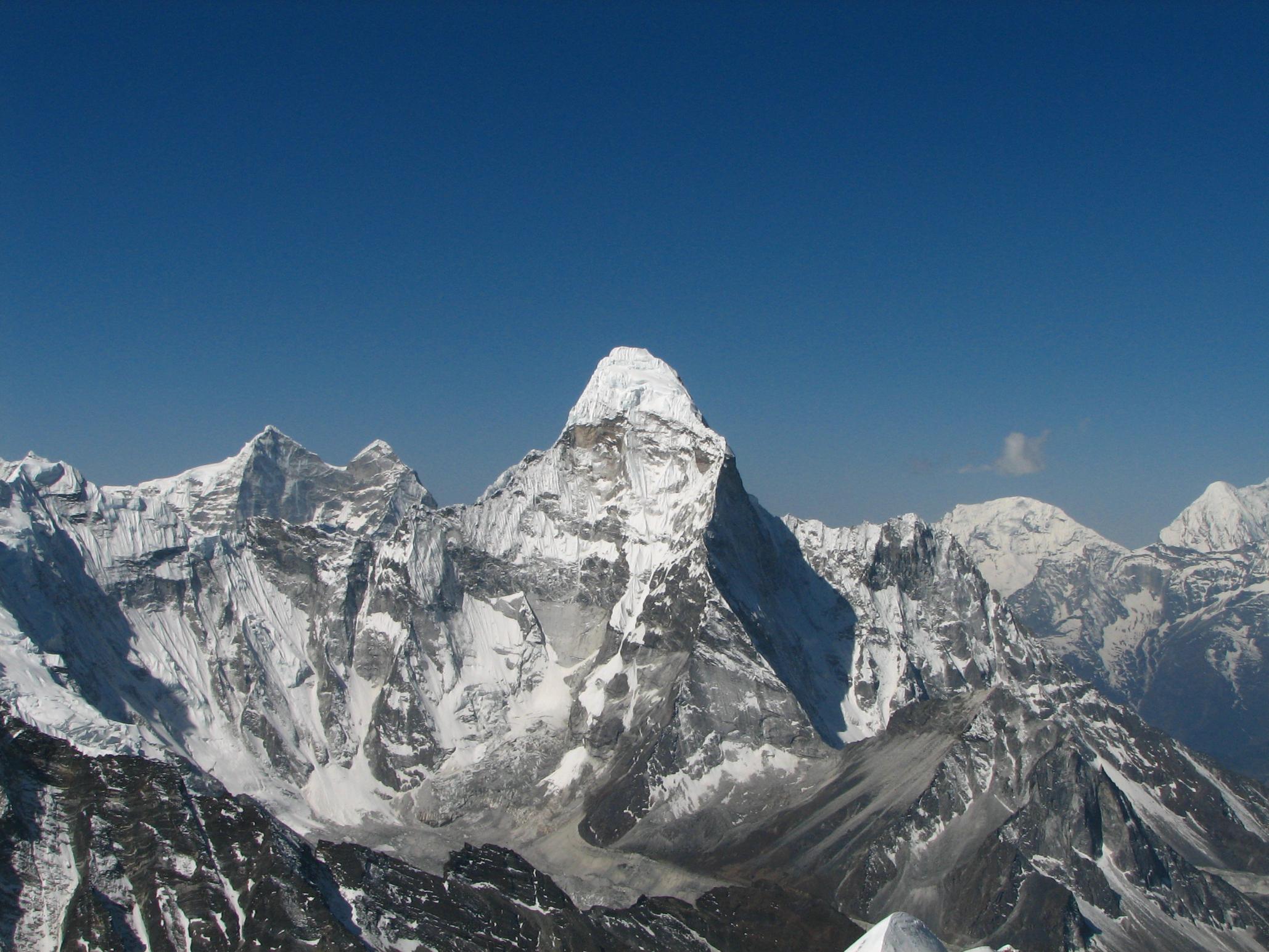
The Everest Base Camp Trek with Island Peak Climbing is one of Nepal’s most rewarding Himalayan adventures, combining the iconic Everest Base Camp Trek with the exhilarating ascent of Island Peak (Imja Tse), which stands at 6,189 meters. This carefully designed expedition allows trekkers to gradually acclimatize while following the classic Everest Base Camp route before attempting one of Nepal’s most popular trekking peaks. It is an ideal journey for those looking to experience both high-altitude trekking and introductory Himalayan mountaineering in a single expedition.
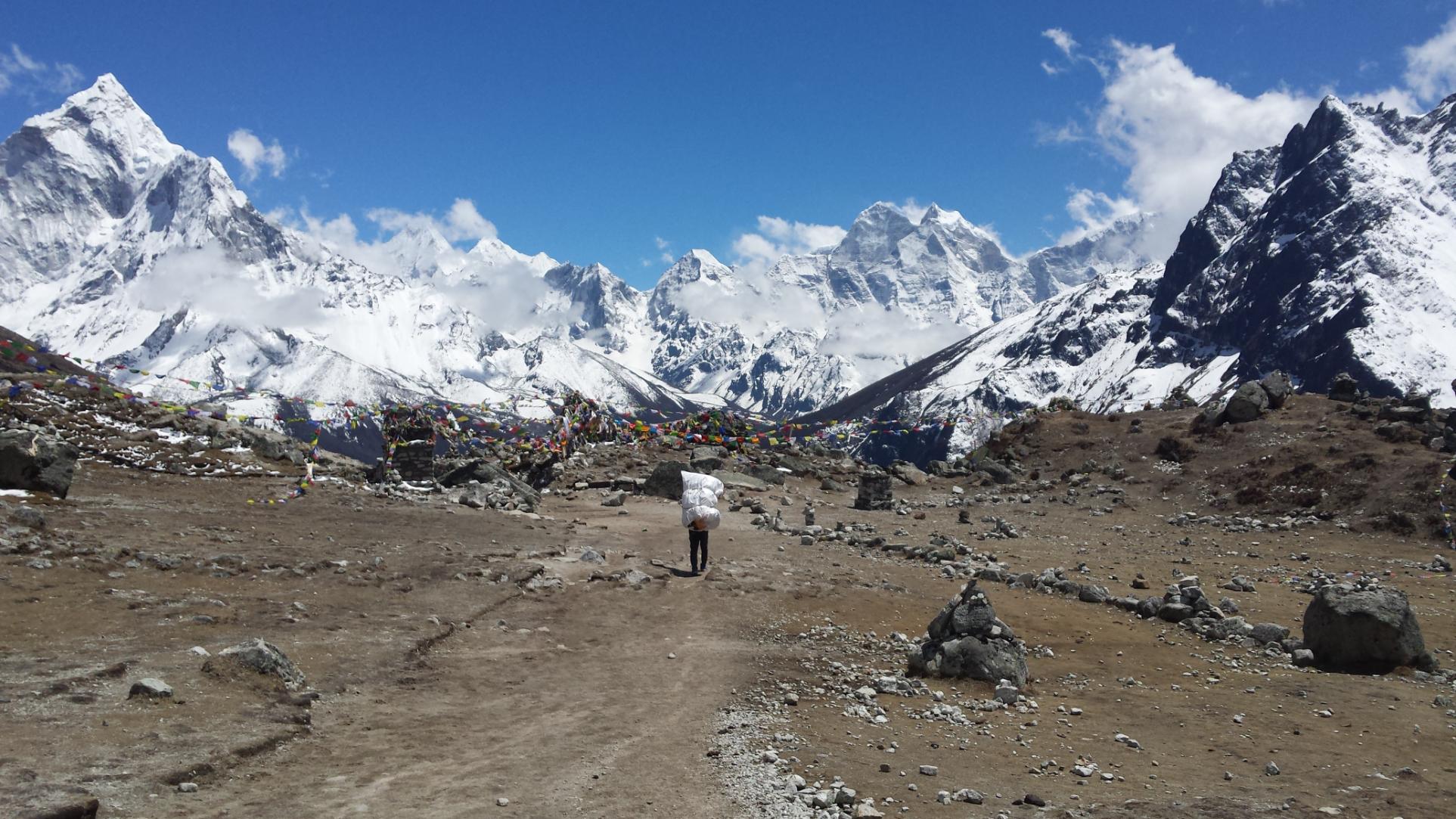
The adventure begins with a scenic flight to Lukla, the gateway to the Everest region. From there, the trail passes through traditional Sherpa villages, suspension bridges decorated with colorful prayer flags, and beautiful forests of pine and rhododendron. As you make your way deeper into the Khumbu Valley, spectacular mountain views gradually unfold, including Ama Dablam, Lhotse, Nuptse, and the majestic Mount Everest towering above the surrounding landscape.
After reaching Everest Base Camp and completing the essential acclimatization process, the journey continues toward Island Peak, also known as Imja Tse. Standing at 6,189 meters, Island Peak is one of Nepal’s most popular climbing peaks and serves as an excellent introduction to Himalayan mountaineering. Under the guidance of experienced climbing guides, you'll receive basic climbing instruction before attempting the summit. The climb includes glacier travel, the use of fixed ropes, and an exciting summit ascent, rewarding climbers with breathtaking panoramic views across the Everest region.
What makes this expedition truly special is its perfect combination of trekking, cultural experiences, and mountaineering. Along the way, you'll experience the warm hospitality of the Sherpa people, explore some of the world's most famous trekking trails, and enjoy the unforgettable achievement of standing on a Himalayan summit. For many adventurers, the Everest Base Camp Trek with Island Peak Climbing becomes far more than a trekking holiday—it becomes a lifelong achievement and an unforgettable Himalayan experience.





The fragile ecosystem of the Everest region has been increasingly affected by tourism. Every trekker plays an important role in preserving the natural beauty and cultural heritage of the Himalayas for future generations. Here are some responsible trekking practices to follow:
Today’s trekkers seek a balance between adventure, comfort, and connectivity. Throughout the Everest Base Camp Trek with Island Peak Climbing, we strive to meet these expectations by providing the following:
At Nepal Outdoor Expeditions, we believe trekking is about much more than simply reaching a destination. It is about creating unforgettable memories through adventure, cultural experiences, and exceptional service. Our experienced guides, professional climbing team, and dedicated support staff handle every aspect of your journey, ensuring a safe, well-organized, and rewarding Himalayan adventure. Whether you’re attempting your first Himalayan peak or pursuing your next mountaineering challenge, we’re committed to making your experience both memorable and successful.
During the Everest Base Camp Trek with Island Peak Climbing, accommodation is primarily provided in local teahouses and mountain lodges along the trekking route. These family-run lodges offer a warm and welcoming atmosphere after long days on the trail. Although the facilities are simple compared to city hotels, they provide comfortable accommodation with everything needed for a pleasant stay in the Himalayas.
Most rooms feature twin beds with mattresses, pillows, and warm blankets. The rooms are modest but cozy, providing a comfortable place to rest and recover. In most villages, bathrooms are shared, while hot showers are available at many lodges for an additional fee. Lower-altitude villages such as Lukla, Phakding, and Namche Bazaar generally offer better facilities, whereas accommodation becomes more basic as you continue toward Everest Base Camp and Island Peak Base Camp due to the remote mountain environment.
The dining hall is often the heart of each teahouse. After a day of trekking, trekkers gather around a warm stove to enjoy freshly prepared meals, relax with hot drinks, and share stories with fellow adventurers from around the world.
Food throughout the trek is fresh, nutritious, and designed to provide the energy needed for long days of trekking and climbing. The most popular meal is the traditional Nepali dal bhat, served with rice, lentil soup, vegetables, and pickles. It is hearty, nutritious, and often comes with free refills, making it a favorite among trekkers.
In addition to dal bhat, teahouses typically serve a wide selection of dishes, including fried rice, noodles, pasta, potatoes, momos (Nepali dumplings), pancakes, eggs, soups, and fresh bread. In larger villages such as Namche Bazaar and Dingboche, you’ll also find bakeries and cafés offering cakes, pastries, coffee, and other refreshments.
Hot beverages, including tea, coffee, hot lemon, and ginger honey tea, are widely available and provide welcome comfort in the cold mountain climate. As you ascend to higher elevations, menu options become more limited since all supplies are transported by porters or yaks.
During the Island Peak climbing phase, accommodation is provided in fully equipped tents at Island Peak Base Camp. The climbing crew prepares freshly cooked meals at the campsite, offering simple but nourishing food designed to provide sufficient energy for the summit attempt and the demanding climbing days.
Although accommodation and facilities become more basic at higher elevations, the combination of genuine Sherpa hospitality, freshly prepared mountain meals, comfortable lodges, and the unforgettable Himalayan surroundings makes the experience both rewarding and memorable.
Proper preparation is essential for a safe, comfortable, and successful Everest Base Camp Trek with Island Peak Climbing. Since this adventure combines high-altitude trekking with a non-technical Himalayan climb, preparing both physically and mentally will significantly improve your overall experience.

Tenzing Sherpa
Have questions? Our travel specialists are here to help plan your perfect adventure.
Chat on WhatsAppThe adventure begins the moment you board your flight out of Kathmandu. As the plane climbs, you get a last look at the sprawling valley below before the Himalayan giants start filling your window. The flight itself is short, around 35 to 40 minutes, but the approach into Lukla is something you won't forget. The runway looks impossibly short from the air, wedged into the mountainside, but pilots do this every day, and you'll be fine. Once you're on the ground, the real journey begins. From Lukla, you'll start walking down toward Phakding with your guide and porter by your side. The trail runs alongside the Dudh Koshi river, and you'll cross it a couple of times over swaying suspension bridges. The sound of the river rushing below, the prayer flags strung across the gorge, the smell of pine in the air—it all hits you at once and reminds you that you're somewhere truly special. After 3 to 4 hours of easy walking, you'll arrive in Phakding and settle into a local teahouse for the night.
Today's walk is one of the most scenic stretches of the entire trek. You'll follow the Dudh Koshi river again, crossing five suspension bridges throughout the day. The last one is quite remarkable, ranking among the tallest suspension bridges in the world, and walking across it with the gorge dropping away beneath your feet is quite the experience. About three hours in, you'll pass through the entrance of Sagarmatha National Park, home to rare Himalayan wildlife and some extraordinary plant life. From here, the trail climbs steadily until Namche Bazaar comes into view, terraced into the hillside like an amphitheater. It's a lively little town full of bakeries, gear shops, and friendly locals. Your lodge here is comfortable, and after dinner you'll fall asleep to the quiet of the mountains all around you.
Rest days on a high-altitude trek don't mean sitting still. In fact, the golden rule is "climb high, sleep low," which means today you'll go uphill for a few hours before coming back down to sleep at the same altitude. It sounds counterintuitive, but it genuinely helps your body adjust. You'll start the morning at the Sagarmatha National Park Headquarters, where on a clear day you can see Everest peeking above the ridgeline for the very first time. There's a small museum worth visiting too. From there, you'll walk uphill toward Hotel Everest View and then drop down to the twin villages of Khumjung and Khunde, both of which have a quiet, traditional feel that Namche has slightly lost to tourism. After lunch back in Namche, the rest of the afternoon is yours. Browse the bazaar, grab a coffee, chat with other trekkers, or simply sit outside and take it all in.
Leaving Namche behind, today's trail takes you deeper into the Khumbu region and the scenery gets increasingly dramatic. You'll have mountain views almost the entire way, with Everest, Ama Dablam, Lhotse, Nuptse, Thamserku, and Kwangde all visible at various points along the route. The trails are steep up to Sanasa, then ease off a little around Phunki Thanka before climbing again to Tengboche. The forest sections here are beautiful, lined with rhododendrons and old pine and fir trees. In spring, when the rhododendrons are in bloom, this stretch is absolutely stunning. Arriving at Tengboche, the first thing you'll notice is the monastery sitting quietly at the center of it all. It's one of the most important monasteries in the Khumbu, and spending time there in the evening, listening to the monks chant, is a genuinely moving experience. There's even a small bakery nearby if you need a treat after the long walk.
Today involves a bit of everything. You'll start with a gentle descent from Tengboche, cross a wooden bridge at the bottom, and then begin climbing again toward the dusty, forested village of Pangboche. Yak herds are a common sight along this stretch, often blocking the trail entirely and forcing you to navigate around them, which is all part of the charm. After Pangboche, you'll cross another river and push uphill toward Somare at around 4,000 meters, where you'll stop for lunch. Notice how the vegetation starts to thin out above this point; it's a subtle but striking reminder of just how high you are. Further along, there's a viewpoint that frames Ama Dablam perfectly, and most people stop here longer than planned. From there, it's another 30 to 40 minutes to Dingboche, a quiet village surrounded by stone-walled fields. Your lodge here will be simple but warm, and a good night's sleep goes a long way at this altitude.
Your second acclimatization day, and this one involves a hike up Nagarjun Hill, which rises directly above Dingboche to around 5,100 meters. The climb is steady rather than technical, and the reward at the top is an open panorama of some of the highest mountains on earth, including Ama Dablam, Makalu, Lhotse, and Island Peak, the very summit you'll be climbing in a few days. Keep your eyes open on the way up as well. The area around Nagarjun has interesting flora, and you might spot some Himalayan wildlife if you're quiet and observant. Once you've soaked in the views and taken far too many photos, you'll descend back to Dingboche for the rest of the afternoon. Use the downtime wisely: rest, hydrate, eat well. Tomorrow the real push toward Everest Base Camp begins.
The seventh day opens with a gentle walk to Thukla for a tea break or early lunch. After that, the trail steepens considerably as you ascend the Dughla Pass. Near the top of the pass, you'll come across a collection of stone cairns and memorial plaques dedicated to climbers who have lost their lives on Everest over the decades. It's a quiet, reflective spot, and most people walk through it slowly and with a great deal of respect. Above the pass, the trail continues across a high ridgeline with the Khumbu Glacier stretching out below you. You can see Kala Patthar in the distance, which you'll climb in two days. The final stretch into Lobuche is straightforward, and after checking in to your lodge, the evening is best spent eating a big meal and heading to bed early. The next day is the longest of the entire trek.
This is the day you've been building toward since you landed in Lukla. The trail from Lobuche to Gorakshep runs through a rocky, otherworldly landscape of boulders and glacier ice, and it demands your full attention underfoot. You'll arrive in Gorakshep around midday, drop your bags at the teahouse, and have lunch before continuing toward Base Camp. The trail to Base Camp winds through the lateral moraine of the Khumbu Glacier. It's slow going, partly because of the terrain and partly because of the altitude, but mostly because you keep stopping to look around. Reaching Base Camp itself is an overwhelming moment. Rows of colorful expedition tents fill the rocky ground, and mountaineers preparing for their Everest attempts are going about their routines all around you. It doesn't feel entirely real. After spending time there, absorbing it all, you'll make your way back to Gorakshep for the night.
Your alarm will go off well before sunrise, and dragging yourself out of a warm sleeping bag into the cold mountain air will require some motivation. But the moment you step outside and see the sky turning pink above the Himalayas, you'll have no regrets whatsoever. The climb to Kala Patthar takes about two hours from Gorakshep, and the view from the top is widely considered the finest view of Everest available to trekkers anywhere on earth. From up there, you can see Everest, Changtse, Nuptse, Lhotse, and a dozen other peaks all at once, with the early morning light bringing out colors you can't quite capture in a photograph. After spending time at the summit, you'll head back to Gorakshep, collect your belongings, and begin the long descent through Periche and back down to Dingboche. It's a full day, but you'll sleep well knowing you've just ticked off one of the great viewpoints of the world.
After several big days back to back, today's trek is a relatively short one, which your legs will appreciate. The trail from Dingboche to Chukkung climbs steadily through a high Himalayan valley, passing a handful of small settlements along the way. It takes roughly 2 to 3 hours before the village of Chukkung comes into view. Chukkung sits at the foot of some enormous mountains, with Lhotse, Nuptse, Ama Dablam, and Island Peak dominating the skyline. The Imja Khola river runs through the valley below, and the surrounding glaciers of Lhotse Shar and Imja add a sense of scale that's almost hard to process. Settle into your lodge, rest up, eat well, and get to bed early. Tomorrow the Island Peak climbing adventure officially begins.
Leaving Chukkung behind, today's trail heads south and upward before swinging east into the main valley. The landscape becomes increasingly raw and glacial as you gain altitude, with waterfalls threading down from snowfields above and the Imja Khola glacier coming back into view. At one point the trail crosses the moraine of the Lhotse glacier, which gives you a close-up look at just how dynamic this landscape is. As you approach base camp, Island Peak itself comes fully into view for the first time from this angle, its southwest face looking both beautiful and imposing. Your guides will help you find a good campsite and get the tents pitched before the evening cold sets in. Tonight you're sleeping in a tent on a glacier, surrounded by some of the highest mountains in the world. It's uncomfortable, exhilarating, and completely unlike anything else.
You'll be up at 2 am. The early start isn't optional: the weather at this altitude is most stable in the early morning hours, and the wind that picks up later in the day can make the upper sections genuinely dangerous. Your mountain guide will be with you every step of the way, and the technical sections of the climb involve crampons, ropes, and fixed lines that your guide will walk you through. The climb itself takes 2 to 3 hours of sustained effort through steep snow and ice. When you finally pull yourself onto the summit at 6,189 meters, the feeling is indescribable. Baruntse, Ama Dablam, Makalu, Lhotse, Nuptse all laid out around you in a full 360-degree panorama. Take your time up there. Breathe it in. After descending carefully back to base camp, you'll pack up the tents and walk back down to Chukkung for a proper bed and a well-earned meal.
The return journey begins today, and there's a certain bittersweet feeling to retracing your steps with the knowledge that the high mountains are slowly receding behind you. From Chukkung, the trail drops down to Pangboche and then climbs back up through Debuche to Tengboche. The paths are familiar now, which makes the walking feel easier and more relaxed. Pangboche village, which you may have passed through quickly on the way up, is worth pausing in this time. It's one of the oldest Sherpa villages in the Khumbu and has a quiet, timeless quality to it. By the time you reach Tengboche in the early afternoon, you'll have a few hours of daylight to revisit the monastery or simply sit with a cup of tea and reflect on what you've just accomplished.
Dropping down from Tengboche back to Namche, you'll notice how much easier breathing feels compared to a week ago. The body adapts in remarkable ways, and what felt like hard work on the way up now feels almost effortless on the descent. Namche greets you like an old friend, and after days of remote camps and high passes, its cafes and bakeries feel like genuine luxuries. You'll have most of the afternoon free to wander. If you haven't already, the Irish pub in Namche is worth a visit purely for the novelty of it. Sitting at what is said to be the world's highest-altitude pub, with a drink in hand after summiting Island Peak, is one of those small moments that somehow feels just as memorable as the big ones.
One last day of walking brings you back down to Lukla, where this whole adventure started two weeks ago. The trail is familiar, the altitude is lower, and there's a lightness in your step that comes partly from the descent and partly from the fact that you've done something genuinely extraordinary. Upon arrival in Lukla, your team will celebrate the completion of the trek with you, including the Island Peak summit. The evening in Lukla tends to be a relaxed and warm one. Dinner with your guides and porters, a chance to share stories from the trail, and an early night ahead of your morning flight.
The final morning starts early, as flights from Lukla depart at first light when the weather and visibility are at their best. The flight back to Kathmandu takes 30 to 40 minutes, and looking out the window, you'll catch one last sweeping view of the mountains, rivers, and forests you've been walking through for the past two weeks. Landing back in Kathmandu, a private vehicle will be waiting to take you to your hotel. The city will feel loud and warm and chaotic after the stillness of the Khumbu, and you'll probably find yourself already thinking about when you can go back.
See what past travelers are saying about their experience with Nepal Outdoor Expeditions.
Because your next adventure is impatiently waiting for you.
Last Minute Note: Grab incredible deals on the last minute departure / Book spontaneous trips to hip destinations with limited-time offers and discounted price
Not sure of your dates yet? Hold a departure with a 20% deposit. Cancel more than 60 days out and your deposit is refunded in full. Your first date change is free. If a departure doesn't reach minimum numbers, we'll offer you the nearest alternative date or a full refund, and we'll let you know at least 30 days out.
Before you think of or actually plan any adventurous or relaxing tours, travels, or treks with Nepal Outdoor Expeditions.
If you cancel more than 60 days before departure, we refund your deposit in full. Between 30 and 60 days, the 20% deposit is retained. Inside 30 days the trip cost is non-refundable, since by then we've already paid for your permits, flights, and teahouse bookings. Full detail on our booking page.
20% to reserve your place, with the balance due 60 days before departure. On this trek that's $439 to book and $1,756 two months before you fly. If you're booking within 7 days of departure, the full amount is due at booking.
Yes, as long as you let us know at least 30 days before your original departure date, your first change is free. Any change after that, or a change requested inside 30 days, is $200 per person.
Everest Base Camp Trek with Island Peak