
Offering group discounts!
Reserve with a 20% deposit. The balance isn't due until 60 days before departure, and cancellations more than 60 days out get a full deposit refund. How booking works →
 Region
Annapurna Region
Region
Annapurna Region
 Duration
15 Days
Duration
15 Days
 Difficulty
Technical
Difficulty
Technical
 Max. Altitude
6091 m
Max. Altitude
6091 m
 Prime Activity
Peak Climbing In Nepal
Prime Activity
Peak Climbing In Nepal
 Season
(March-May) (September-November)
Season
(March-May) (September-November)
 Group Size
1-12 people
Group Size
1-12 people
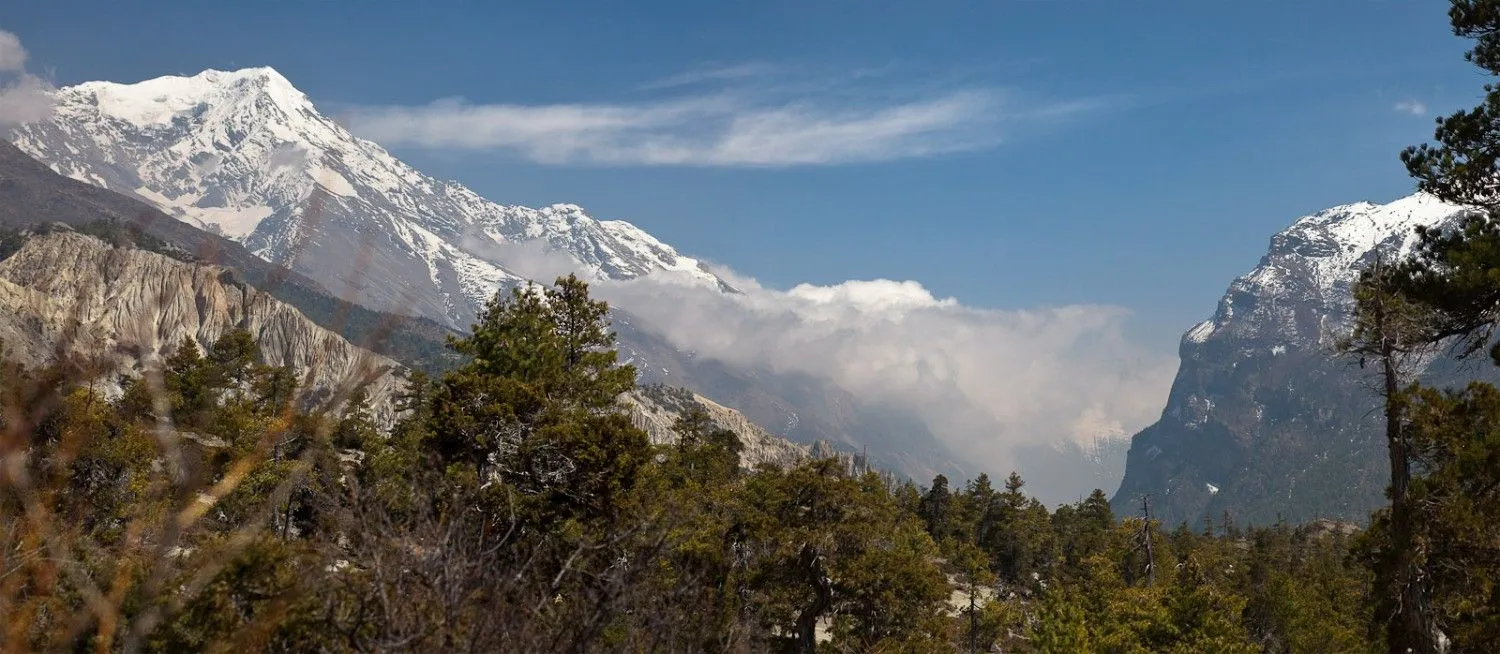
Pisang Peak, rising to 6,091 meters, is a beautifully shaped cone peak in the western Himalayas of Nepal. It stands above Upper Pisang village, gradually rising through yak pastures and snowy slopes before forming its final summit pyramid. Because of its location in the Annapurna region—between giants like Annapurna I and Manaslu—it has become one of the more popular climbing peaks in the area.
What makes Pisang Peak truly special is that it combines a rewarding climb with one of the most scenic trekking routes in Nepal. The journey allows you to explore the beauty of the Annapurna region before reaching the summit, making it more than just a climb—it’s a complete Himalayan experience.
Compared to other peaks in the region, Pisang Peak is considered relatively approachable. With good physical fitness and some basic understanding of climbing gear, it can be achieved by beginners, while still offering enough challenge for experienced climbers. Reaching the summit is an unforgettable moment. You’re rewarded with stunning views of the Annapurna range, Dhaulagiri, and other surrounding peaks stretching far into the horizon.
The journey to Pisang Base Camp is equally memorable. It begins from Besisahar, a small hillside town, and follows the classic Annapurna Circuit trail. Along the way, you’ll cross rivers, walk along rugged paths, and pass through villages rich in culture and tradition.
After the climb, the adventure continues as you descend towards the beautiful Manang Valley. From there, you’ll cross the famous Thorong La Pass (5,416 meters) and visit the sacred temple of Muktinath—both major highlights of the trip. The journey concludes with a scenic flight from Jomsom to Pokhara, followed by a drive back to Kathmandu, wrapping up a truly unforgettable Himalayan experience.


If you’re looking to take your Himalayan adventure to the next level, these trekking peaks offer the perfect mix of challenge and reward:
During the trekking section, you’ll stay in teahouses along the Annapurna Circuit trail. These are simple lodges run by local families, and while they’re not luxurious, they have a very warm and welcoming atmosphere. The rooms are usually basic—just a bed, blanket, and maybe a small table—but after a full day of trekking, that simplicity feels more than enough.
As you move through places like Chame, Upper Pisang, and Manang, you’ll notice that some teahouses are a bit more comfortable than others. A few might even offer attached bathrooms or hot showers, though those usually come at an extra cost. Evenings are often spent in a shared dining area, sitting around a heater and talking with other trekkers—it’s a simple routine, but one that you start to really enjoy.
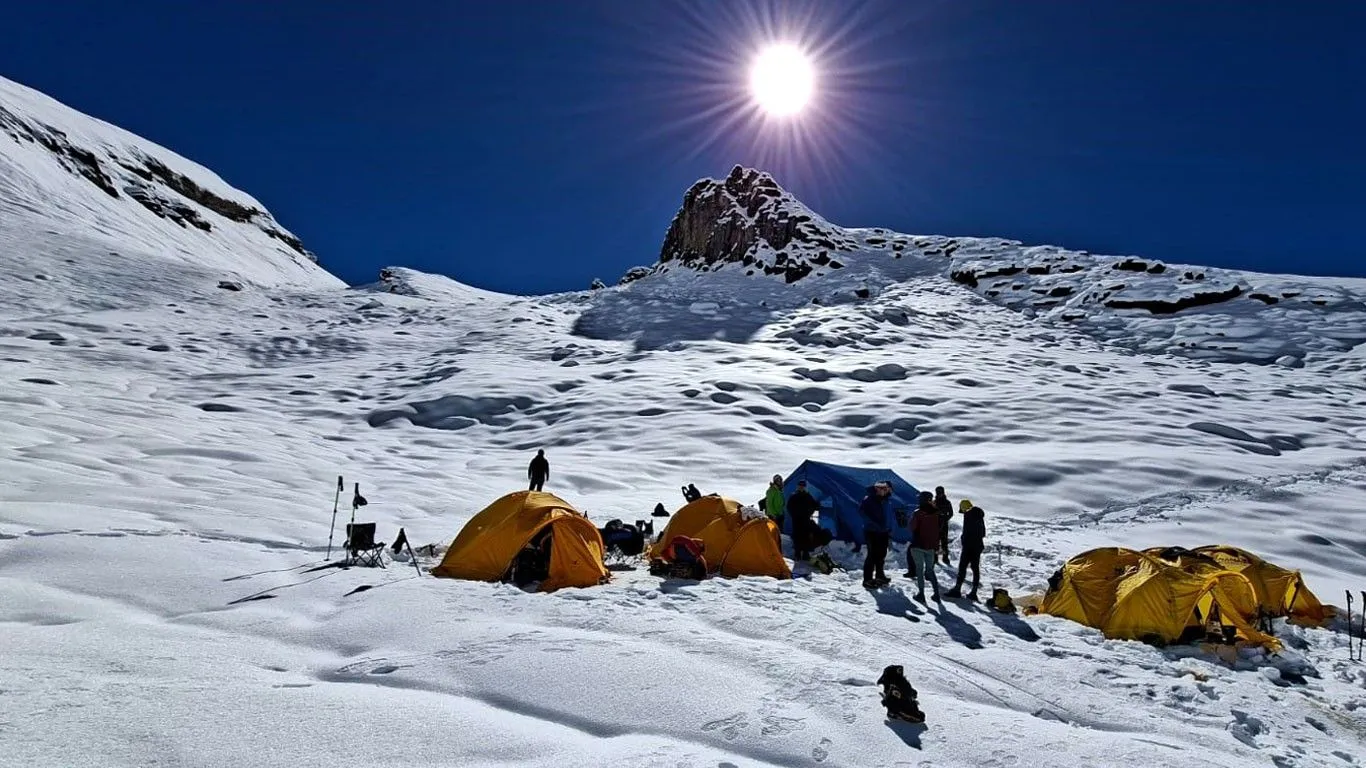
Once you reach Pisang Peak Base Camp, the setting becomes more rugged. Here, you’ll stay in tents. It’s a full camping experience, surrounded by open landscapes and towering peaks. It may feel a bit basic compared to teahouses, but it adds a sense of adventure that’s hard to match. Sleeping out there, closer to the mountain, makes the climb feel even more real.
Food during the trek is simple, fresh, and designed to keep your energy levels up. Teahouses offer a variety of meals, with dal bhat being the most popular choice. It’s filling, nutritious, and often comes with refills—something you’ll definitely appreciate after long walking days.
Apart from that, you’ll find options like noodles, fried rice, soups, pasta, eggs, pancakes, and bread. The variety is quite decent in the lower sections and becomes more limited as you go higher, but the meals remain warm and satisfying.
At Base Camp, meals are prepared by the expedition crew. The food is basic but hearty—usually rice, lentils, vegetables, potatoes, and sometimes noodles. It’s not about fancy dishes here; it’s about getting the right fuel for your body. After a cold day in the mountains, even a simple hot meal feels incredibly comforting.
Climbing Pisang Peak isn’t extremely technical, but it’s still a real Himalayan climb. You’ll be dealing with altitude, cold weather, and long trekking days—so having the right gear and a bit of preparation makes a big difference in how comfortable and confident you feel along the way.
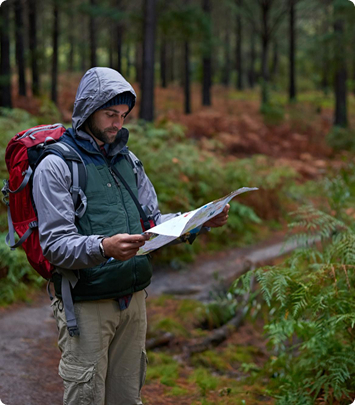
You don’t need to overpack, but you do need the essentials. It’s all about staying warm, dry, and ready for changing conditions.
Layering is your best friend in the mountains. Mornings can be freezing, afternoons can feel warm, and evenings get cold again.
Your feet will be doing most of the work, so don’t compromise here.
Make sure your boots are already broken in before the trip—new boots can quickly turn into a problem on long days.
Pisang Peak involves some snow and ice sections, especially near the summit, so basic climbing gear is required.
Most of this gear can be rented in Kathmandu, so you don’t have to invest in everything if you’re not a regular climber.

Tenzing Sherpa
Have questions? Our travel specialists are here to help plan your perfect adventure.
Chat on WhatsAppWe leave Kathmandu early in the morning, and honestly, the drive itself sets the mood for everything that follows. The road to Besisahar takes roughly seven to eight hours, but with the hills rolling past your window and the air getting fresher as you gain elevation, it rarely feels that long. Once we arrive in Besisahar, we take a breather, grab some tea, and then push on for a short drive to Chamje. The village is known for its impressive waterfall, and seeing it for the first time never really gets old. We settle in for the night at a local lodge in Chamje.
Morning in Chamje is quiet and cool, a good way to ease into what becomes a rewarding day of walking. We cross the Marshyangdi river and begin making our way uphill toward Tal village, a pretty little settlement that feels like it belongs in a painting. From Tal, we keep going for a few more hours before finally reaching Dharapani, one of the larger and more established villages in the Manang valley. After a full day on your feet, the lodge here feels like a real comfort. Overnight in Dharapani.
Today takes us through steep forested ridges, and the trail has a different character than the days before. As the altitude climbs, you start noticing the shift, in the trees, in the architecture, in the faces of the people you pass. The Tibetan cultural influence becomes quite strong here, visible in the prayer flags, the stone walls, and the general pace of life. To cap off the day, the Annapurna ranges and Lamjung Himal come into full view, making every uphill step feel worth it. We rest for the night at a lodge in Chame.
We head out early, walking through a thick pine forest that follows the bank of the Marshyangdi river. The sound of the river stays with you for most of the morning, which makes for a surprisingly peaceful stretch of trail. As the forest thins out, the Himalayan peaks begin to dominate the skyline on all sides. A short but steady ascent brings us up to Upper Pisang, a small village with big views. We stay overnight at a local guesthouse in Pisang Village.
After breakfast, we leave Upper Pisang behind and begin the climb toward Pisang Peak Base Camp. The trail moves through thin patches of forest before opening up into wide alpine pastures. This is where acclimatization really starts to matter, so we move at a measured pace and pay attention to how our bodies are responding. By the time we reach base camp at 4,380 meters, there is a real sense that the adventure has properly begun. We spend the night in tented camp.
Today is a focused and physically demanding day. We take the south-west ridge route up toward high camp, gaining significant elevation over three to four hours of steady climbing. High camp sits at 5,400 meters, and arriving there gives you a moment to pause and take stock of just how far you have come. Once the tents are set up, our experienced Sherpa guide walks everyone through the proper use of crampons and ice axes. It is a practical briefing, but it also does a lot for your confidence going into summit day. We sleep at high camp, as prepared as we can be.
This is the day the whole trip has been building toward. We set off in the early hours, moving carefully along the steep ridge toward the summit. The peak is not heavily snow-covered, which makes the technical climbing manageable, though it still demands full attention and steady nerves. Reaching the top is one of those moments that is genuinely hard to put into words. The Annapurna range spreads out all around you, and there is a deep, quiet satisfaction in standing there after everything it took to get up. We take it in, then make our way back down to base camp for the night.
Coming down from the peak and walking into the Manang valley feels like stepping into a different world. The landscape shifts constantly throughout the day, from rocky high-altitude terrain to gentler slopes with scattered vegetation. As you get closer to Manang, the air turns cold and dry, and the valley opens up beautifully. It is a long but satisfying day of walking. We settle into a local guesthouse in Manang for the night.
We have earned this. After summiting Pisang Peak and continuing the trek through high altitude terrain, a full rest day in Manang is exactly what the body needs. But Manang is not the kind of place where you just sit indoors. The surrounding lakes are worth a short walk, the nearby monasteries are peaceful and interesting, and spending time with the local people gives you a glimpse into a way of life that feels quite removed from the rest of the world. It is a slow, good day. Overnight at the lodge in Manang.
Feeling rested and ready, we continue north through the valley. The landscape here takes on an almost cinematic quality, open meadows scattered with grazing yaks and horses, steep slopes rising on either side, and a stillness that feels rare. Yak Kharka is a simple, quiet place, but that is part of its appeal. After the intensity of the past few days, there is something genuinely restorative about spending a night somewhere this calm.
We leave Yak Kharka and climb steeply through Letdar, where the views of Annapurna and Gangapurna are particularly striking. The valley narrows as we descend toward Thorung Phedi, and the combination of the river below, the meadows around you, and the mountains overhead gives the whole stretch a kind of wild, remote beauty. We arrive at Thorung Phedi knowing that tomorrow is one of the biggest days of the entire journey. Overnight at the lodge.
An early start is essential today. Thorung La Pass sits at 5,416 meters, and crossing it from east to west is the standard and safest approach. The climb is long and demands a slow, steady rhythm, but the rewards are extraordinary. Annapurna, Gangapurna, and the heavily glaciated face of Khatungkang surround you, and after the highest point, a long 1,600 meter descent reveals Dhaulagiri standing on the horizon like something out of a dream. The trail eventually softens into grassy fields before bringing you into Muktinath, a place of real spiritual significance for both Hindus and Buddhists. Overnight at a lodge in Muktinath.
From Muktinath, the trail descends through a landscape that feels surprisingly lush compared to what came before, meadows, streams, and even fruit trees lining the path down to Kagbeni. We arrive around lunchtime and take a proper break to visit the village, which holds some remarkable 14th century architecture that is worth exploring slowly. After lunch, we continue down to Jomsom, walking into a headwind that is pretty much guaranteed in the afternoons here, but the views of Nilgiri and Dhaulagiri more than compensate. Jomsom is a proper town with good food and comfortable lodges. We rest well. Overnight in Jomsom.
The morning flight from Jomsom to Pokhara is short but genuinely spectacular. Flying low over the mountains and river valleys gives you a completely different perspective on the terrain you have spent the last two weeks walking through. Landing in Pokhara feels like returning to the world. The rest of the day is yours to enjoy the lakeside, visit Davis Falls, or simply sit somewhere with a good view and let the experience sink in. Overnight at a hotel in Pokhara.
After breakfast, we begin the final leg of the journey, a scenic seven hour drive back to Kathmandu through river valleys and mountain villages. It is a comfortable, reflective ride, and by the time the city appears, there is a mix of pride and a little nostalgia for what you have just been through. The evening closes with a farewell dinner at a Nepali restaurant, a fitting way to celebrate everything the trip has been. Overnight at a hotel in Kathmandu.
See what past travelers are saying about their experience with Nepal Outdoor Expeditions.
Because your next adventure is impatiently waiting for you.
Last Minute Note: Grab incredible deals on the last minute departure / Book spontaneous trips to hip destinations with limited-time offers and discounted price
Not sure of your dates yet? Hold a departure with a 20% deposit. Cancel more than 60 days out and your deposit is refunded in full. Your first date change is free. If a departure doesn't reach minimum numbers, we'll offer you the nearest alternative date or a full refund, and we'll let you know at least 30 days out.
Before you think of or actually plan any adventurous or relaxing tours, travels, or treks with Nepal Outdoor Expeditions.
If you cancel more than 60 days before departure, we refund your deposit in full. Between 30 and 60 days, the 20% deposit is retained. Inside 30 days the trip cost is non-refundable, since by then we've already paid for your permits, flights, and teahouse bookings. Full detail on our booking page.
20% to reserve your place, with the balance due 60 days before departure. On this trek that's $530 to book and $2,120 two months before you fly. If you're booking within 7 days of departure, the full amount is due at booking.
Yes, as long as you let us know at least 30 days before your original departure date, your first change is free. Any change after that, or a change requested inside 30 days, is $200 per person.
Pisang Peak Climbing