
Offering group discounts!
Reserve with a 20% deposit. The balance isn't due until 60 days before departure, and cancellations more than 60 days out get a full deposit refund. How booking works →
 Region
Annapurna Region
Region
Annapurna Region
 Duration
5 Days
Duration
5 Days
 Difficulty
Easy
Difficulty
Easy
 Max. Altitude
1600 m
Max. Altitude
1600 m
 Prime Activity
Trekking In Nepal
Prime Activity
Trekking In Nepal
 Season
(March-May) (September-November)
Season
(March-May) (September-November)
 Group Size
1-12 people
Group Size
1-12 people
Tucked just outside the busy streets of Pokhara, the Dhampus Sarangkot Trek is one of those rare journeys that packs a remarkable Himalayan experience into a short itinerary. The trek connects two iconic hill destinations—Dhampus, a traditional Gurung village with panoramic views of the Annapurna range, and Sarangkot, Nepal's famous sunrise viewpoint overlooking the Himalayas. Along the way, the trail passes through rhododendron forests, terraced farmlands, and peaceful villages where visitors can experience the everyday lifestyle of rural Nepal. With gentle trails and moderate walking, this trek is ideal for beginners, families, and anyone looking for a rewarding Himalayan adventure without venturing to extreme altitudes.
Beyond the mountain scenery, the Dhampus Sarangkot Trek offers an authentic cultural experience. Trekkers can enjoy warm hospitality in local tea houses, interact with Gurung communities, and witness unforgettable sunrises over Annapurna, Machhapuchhre, Dhaulagiri, and other Himalayan peaks from Sarangkot. Whether you are taking your first trek in Nepal or seeking a short escape from Pokhara, this journey combines spectacular landscapes, rich local culture, and comfortable trekking into an unforgettable experience.



The weather in the Annapurna region changes with each season, shaping the overall trekking experience. Spring (March–May) offers pleasant temperatures, clear skies, and colorful rhododendron blooms along the trail. Autumn (September–November) is the most popular season, with stable weather, excellent visibility, and comfortable daytime temperatures for trekking.
Winter (December–February) brings colder conditions, especially at higher elevations, and some trails may experience snowfall. Monsoon (June–August) brings frequent rainfall, which can make trails wet and slippery. However, the lush green landscapes during this period offer a unique and peaceful trekking experience.
The Dhampus Sarangkot Trek offers a wonderful blend of cultural experiences and natural beauty. In Dhampus village, trekkers can explore the traditional lifestyle of the Gurung community, known for its stone houses, rich traditions, and warm hospitality. Sarangkot, a famous sunrise and sunset viewpoint, is home to diverse communities, including Gurung and Brahmin settlements.
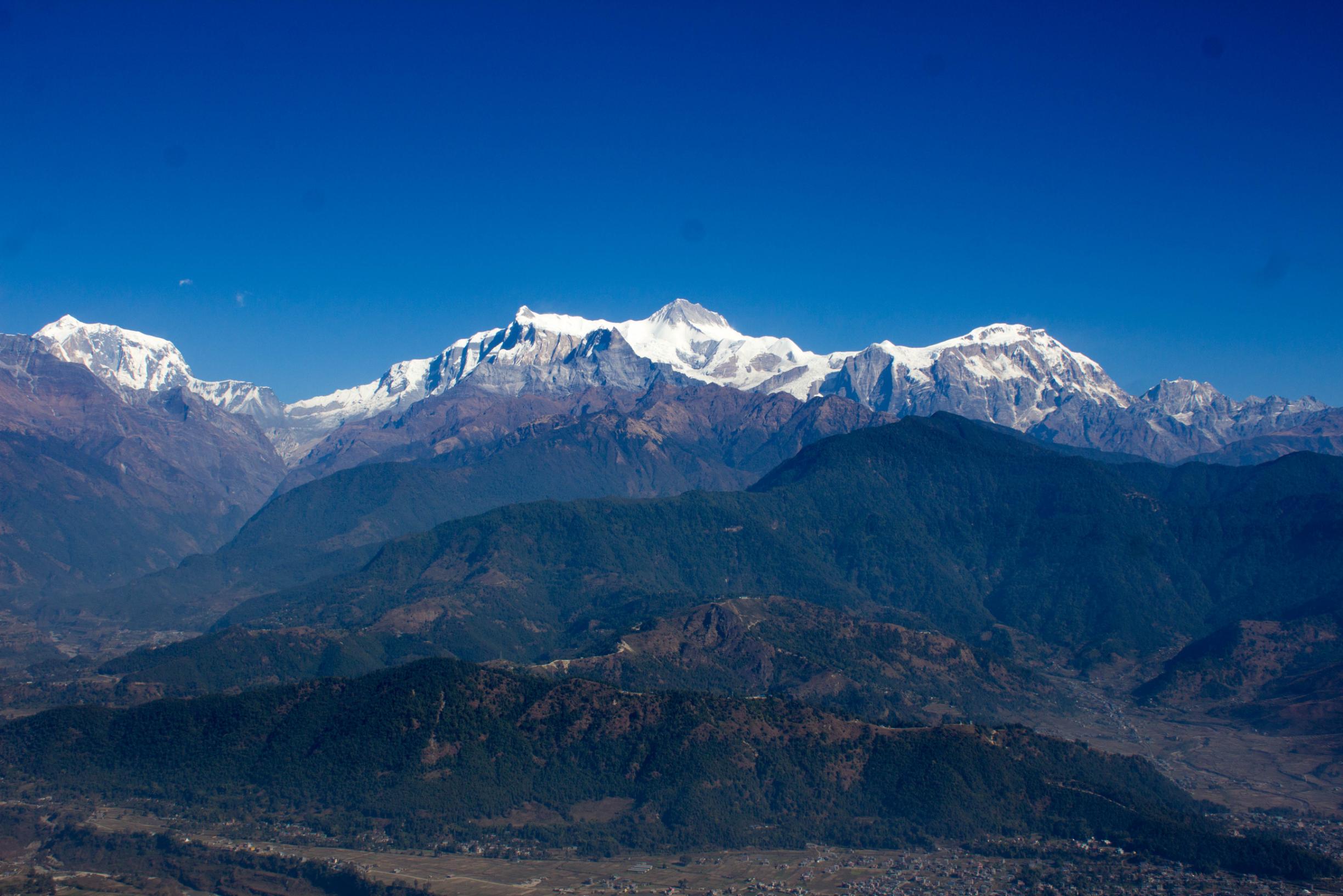
Along the trail, trekkers can enjoy breathtaking views of Annapurna South, Machhapuchhre, Dhaulagiri, and Lamjung Himal. The journey also passes through lush forests, terraced farmlands, and peaceful countryside landscapes, with opportunities to witness rhododendron forests, pine trees, and local bird species.
The growing popularity of trekking in the Annapurna region makes responsible travel essential to protect its natural beauty and local communities. Trekkers can contribute to sustainable tourism by following environmentally friendly practices:
Modern trekkers look for a balance between adventure, comfort, and connectivity. The Dhampus Sarangkot Trek meets these expectations by offering essential facilities while maintaining an authentic Himalayan experience.
During the Dhampus Sarangkot Trek, you will stay in comfortable local tea houses and lodges that offer an authentic Himalayan experience. These accommodations provide a warm and welcoming environment where trekkers can relax after a day of walking through villages, forests, and scenic mountain trails. Nepal Outdoor Expeditions selects clean and reliable lodges that provide essential facilities while allowing you to experience the local lifestyle.
The tea houses along the route offer simple yet comfortable rooms with beautiful views of the surrounding hills and mountains. Staying in these local lodges allows you to connect with Gurung communities, enjoy traditional hospitality, and experience the peaceful atmosphere of rural Nepal.
Packing the right equipment is essential for a comfortable and enjoyable Dhampus Sarangkot Trek. Although this is a short and easy trek, the trail includes forest paths, village walks, and changing weather conditions. Having suitable clothing, footwear, and personal essentials helps you stay prepared throughout the journey.
The trek does not require heavy mountaineering gear, but carrying lightweight and practical equipment ensures a smooth experience. Nepal Outdoor Expeditions recommends packing according to the season, as mornings and evenings can be cooler, especially at higher viewpoints like Sarangkot.

Tenzing Sherpa
Have questions? Our travel specialists are here to help plan your perfect adventure.
Chat on WhatsAppStart your morning with a hearty breakfast before hitting the road toward Pokhara along the Prithvi Highway. The drive itself is honestly half the experience, roughly 6 to 7 hours of winding roads hugging river valleys and terraced hillsides that'll have you reaching for your camera more than once. By the time you roll into Pokhara, you'll already feel the pace of life slow down. Spend the evening wandering at your own leisure, grab a lakeside tea, watch the boats drift on Phewa Lake, or simply soak in the mountain air. Tonight is yours. Overnight at hotel in Pokhara.
A short half-hour drive along the banks of the Seti River sets the tone for the day, and what a tone it is. Once you reach Phedi, the boots go on and the real adventure begins. The trail climbs steadily uphill, and yes, it earns its reputation, but every step rewards you with views of golden rice terraces, quiet village settlements, and forests that smell like the kind of green you can't find in a city. Around 3 to 4 hours later, Dhampus welcomes you with open arms and stunning Himalayan backdrops. Overnight at a hotel in Dhampus.
Breakfast in Dhampus deserves a slow morning; eat well, look around, and let it sink in that you're having a meal with the Annapurnas in the background. Then it's time to lace up again and head toward Sarangkot, weaving through rice paddies and rolling hills that feel almost too picturesque to be real. By the time you reach Sarangkot, the reward is waiting: a jaw-dropping panoramic sweep of the entire Annapurna range, painted gold by the setting sun. This is one of those evenings you'll talk about for years. Overnight at a hotel in Sarangkot.
Wake up before the sun does; trust us on this one. The sunrise over the Himalayas from Sarangkot is the kind of thing that quietly changes you. And if that wasn't enough, the morning gets even better: you'll paraglide your way back to Pokhara, riding thermals high above the valley like you genuinely own the sky. It's equal parts terrifying and glorious, and it never gets old. Back on solid ground, check into the hotel, enjoy a well-deserved lunch, and then head out for an afternoon of exploring the International Mountain Museum, the thundering Davis Falls, the serene World Peace Pagoda at sunset, and a few of Pokhara's shimmering lakes along the way. Overnight at a hotel in Pokhara.
The road back to Kathmandu feels different somehow, quieter, more reflective. After breakfast, you'll retrace the scenic Prithvi Highway with a full camera roll and a head full of memories that are entirely your own. Once back in the capital, the city's energy pulls you right back in. Use the evening to wander through local markets, pick up a few meaningful souvenirs, and maybe sit with a cup of something warm and think about how good the last five days actually were. Overnight at a hotel in Kathmandu.
See what past travelers are saying about their experience with Nepal Outdoor Expeditions.
Because your next adventure is impatiently waiting for you.
Last Minute Note: Grab incredible deals on the last minute departure / Book spontaneous trips to hip destinations with limited-time offers and discounted price
Not sure of your dates yet? Hold a departure with a 20% deposit. Cancel more than 60 days out and your deposit is refunded in full. Your first date change is free. If a departure doesn't reach minimum numbers, we'll offer you the nearest alternative date or a full refund, and we'll let you know at least 30 days out.
Before you think of or actually plan any adventurous or relaxing tours, travels, or treks with Nepal Outdoor Expeditions.
If you cancel more than 60 days before departure, we refund your deposit in full. Between 30 and 60 days, the 20% deposit is retained. Inside 30 days the trip cost is non-refundable, since by then we've already paid for your permits, flights, and teahouse bookings. Full detail on our booking page.
20% to reserve your place, with the balance due 60 days before departure. On this trek that's $115 to book and $460 two months before you fly. If you're booking within 7 days of departure, the full amount is due at booking.
Yes, as long as you let us know at least 30 days before your original departure date, your first change is free. Any change after that, or a change requested inside 30 days, is $200 per person.
Dhampus Sarangkot Trek with Paragliding