Offering group discounts!
Reserve with a 20% deposit. The balance isn't due until 60 days before departure, and cancellations more than 60 days out get a full deposit refund. How booking works →
 Region
Short Trekking
Region
Short Trekking
 Duration
4 Days
Duration
4 Days
 Difficulty
Easy
Difficulty
Easy
 Max. Altitude
2175 m
Max. Altitude
2175 m
 Prime Activity
Trekking In Nepal
Prime Activity
Trekking In Nepal
 Season
(March-May) (September-November)
Season
(March-May) (September-November)
 Group Size
1-12 people
Group Size
1-12 people
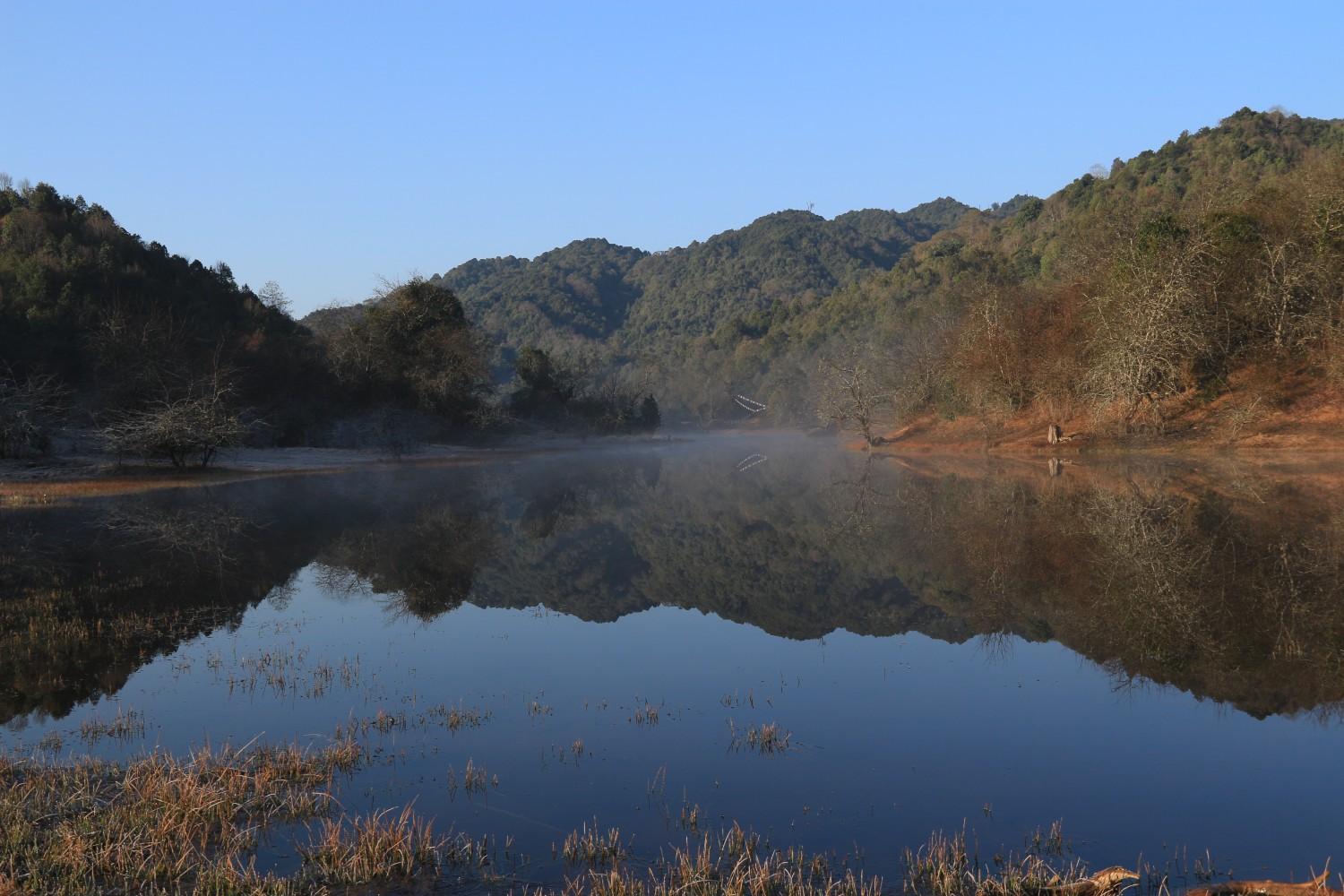
The Chisapani-Nagarkot Trek is a short and refreshing escape from the city, ideal for travelers looking for a gentle Himalayan adventure without reaching extreme altitudes. The trail takes you across peaceful ridges, lush forests, and traditional villages where life moves at a slower pace. Along the way, you experience beautiful contrasts, from distant snow-capped mountains and green hills to waterfalls and authentic local communities.
The journey begins with a short drive from Kathmandu to Sundarijal, where the walking trail starts. As you enter Shivapuri Nagarjun National Park, the fresh air and peaceful surroundings immediately create a sense of escape. The route passes through charming settlements like Mulkharka, Chisapani, and Chauki Bhanjyang, where Tamang communities welcome trekkers with their traditional lifestyle and warm hospitality. The trek offers not only scenic views but also a closer connection with rural Himalayan culture.
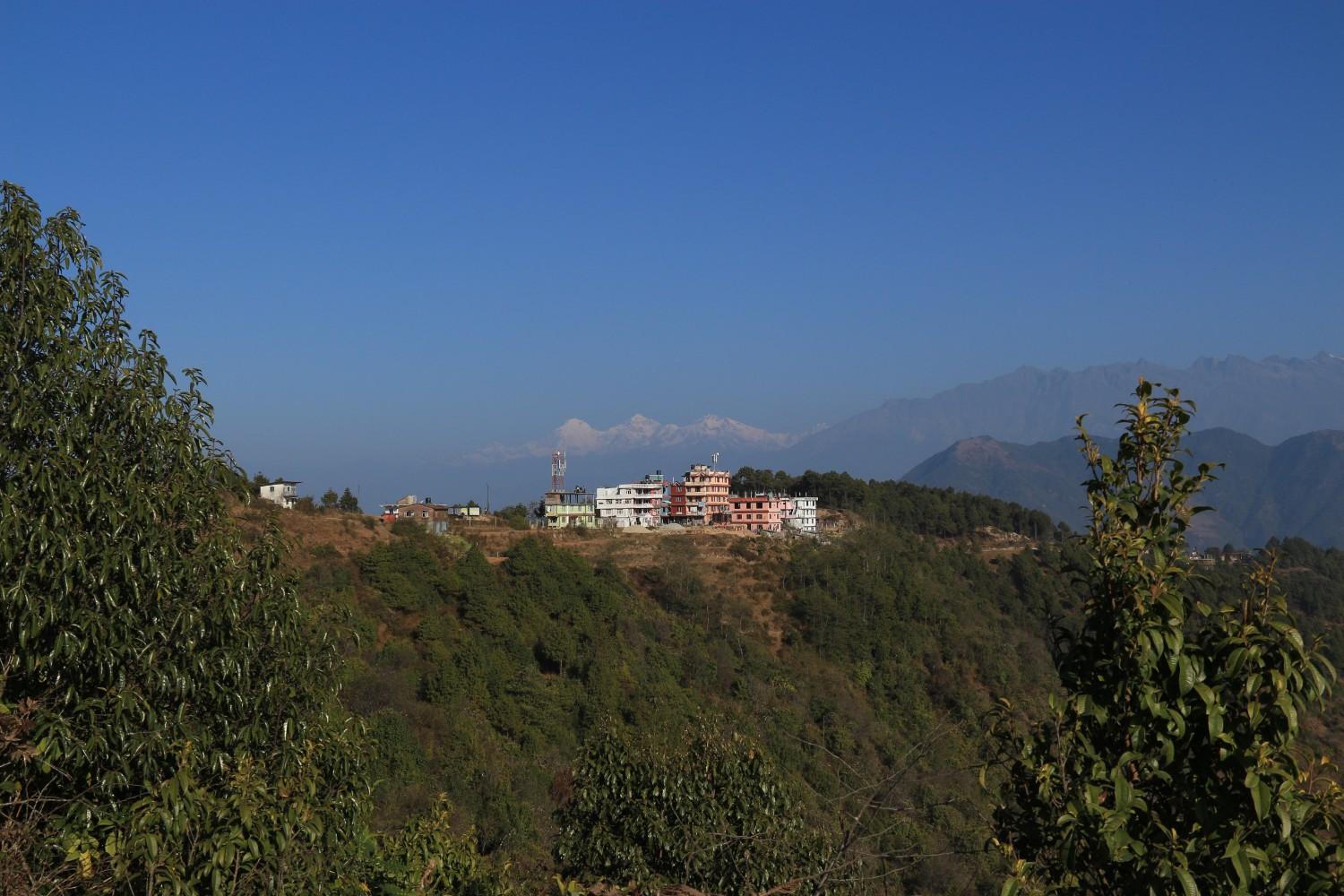
Nagarkot is the major highlight of this trek, famous for its breathtaking sunrise views over the Himalayas. On clear mornings, trekkers can witness panoramic views of peaks such as Everest, Langtang, Ganesh Himal, and distant ranges including Kanchenjunga and Dhaulagiri. The entire trail also offers excellent photography opportunities, with scenic viewpoints, forests, villages, and mountain landscapes throughout the journey.
On the return journey, trekkers can visit Changu Narayan Temple, one of the oldest temples in the Kathmandu Valley, before exploring Bhaktapur Durbar Square. With a combination of nature, culture, and comfortable walking distances, the Chisapani-Nagarkot Trek is a perfect choice for travelers seeking a short but memorable Himalayan experience close to Kathmandu.
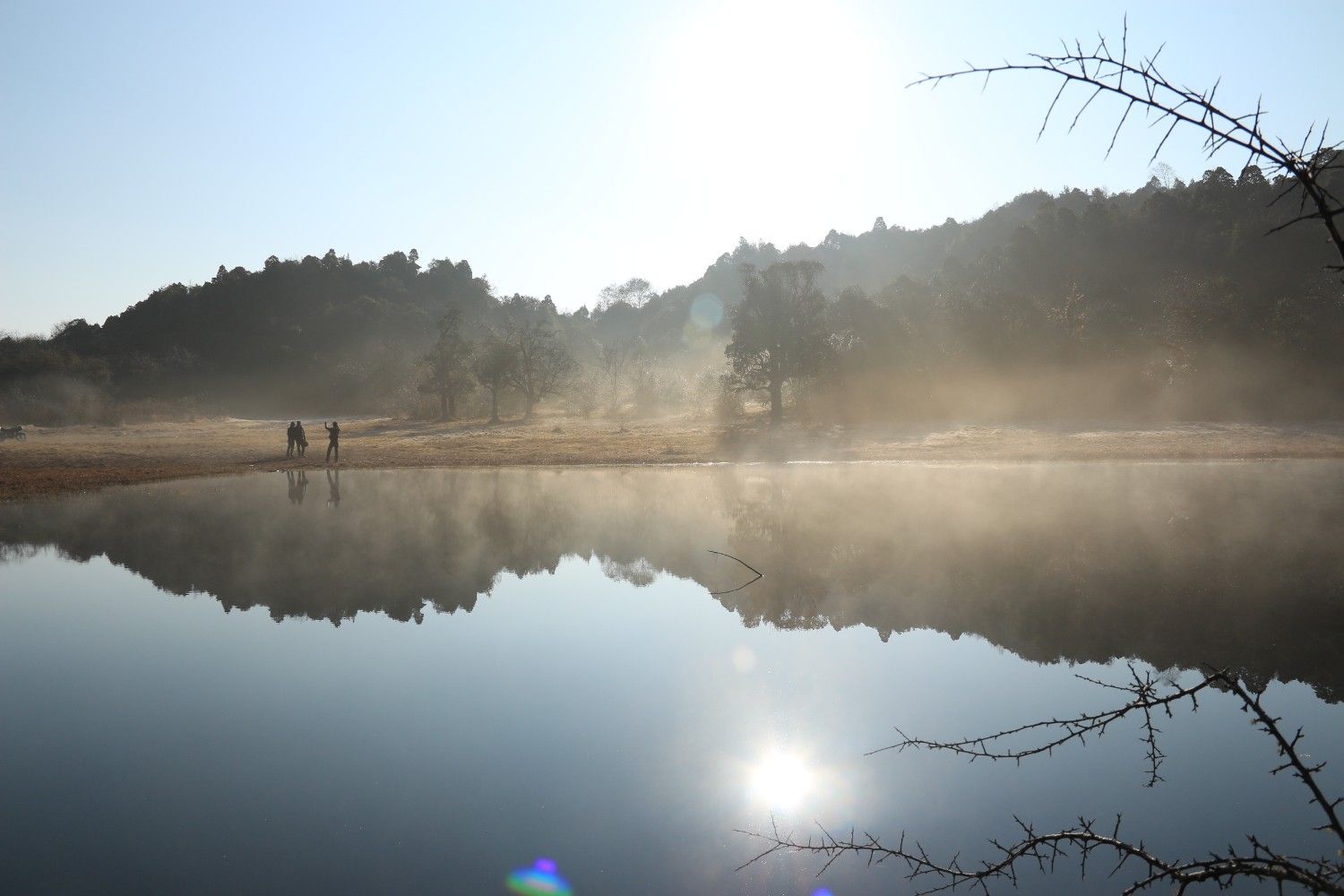
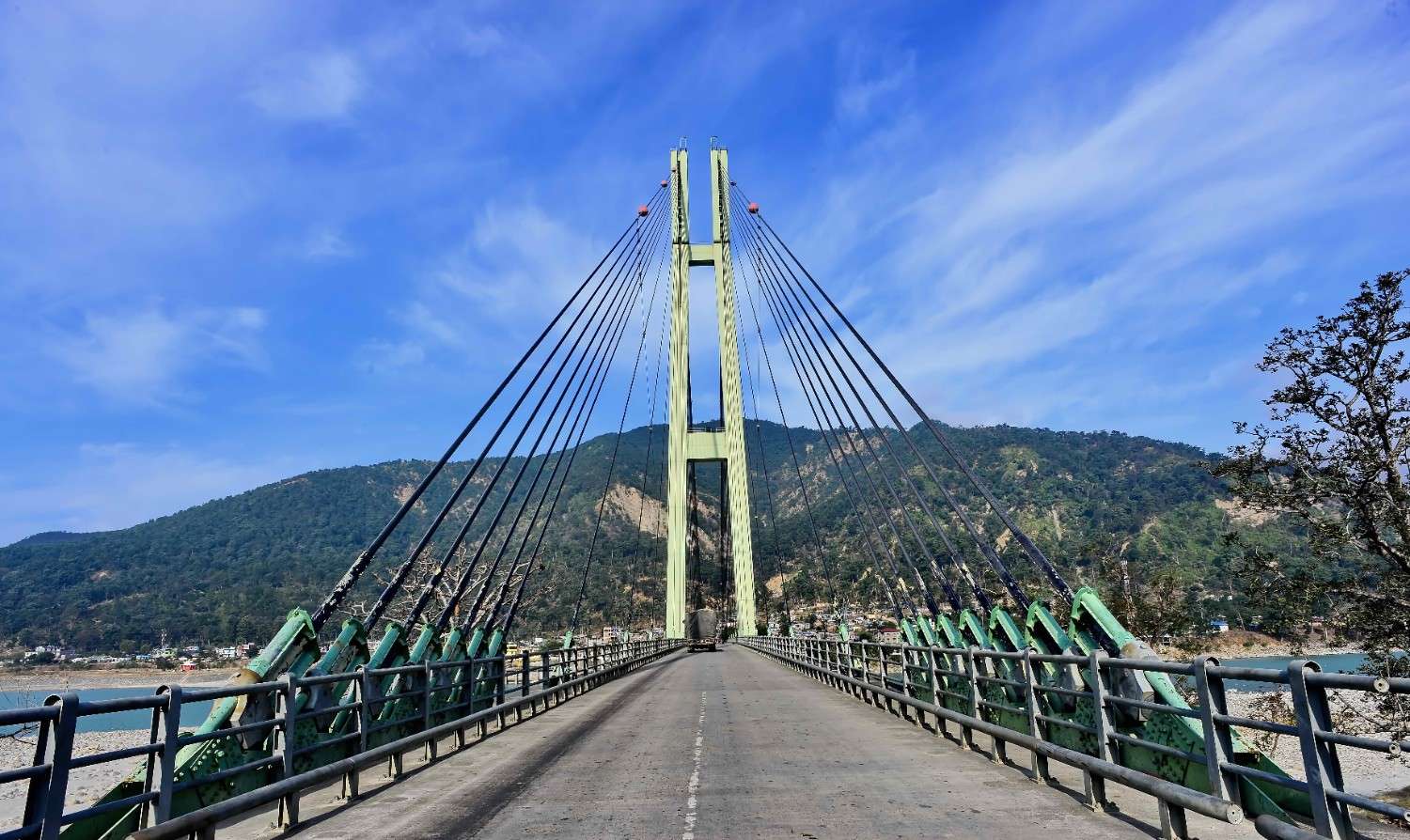
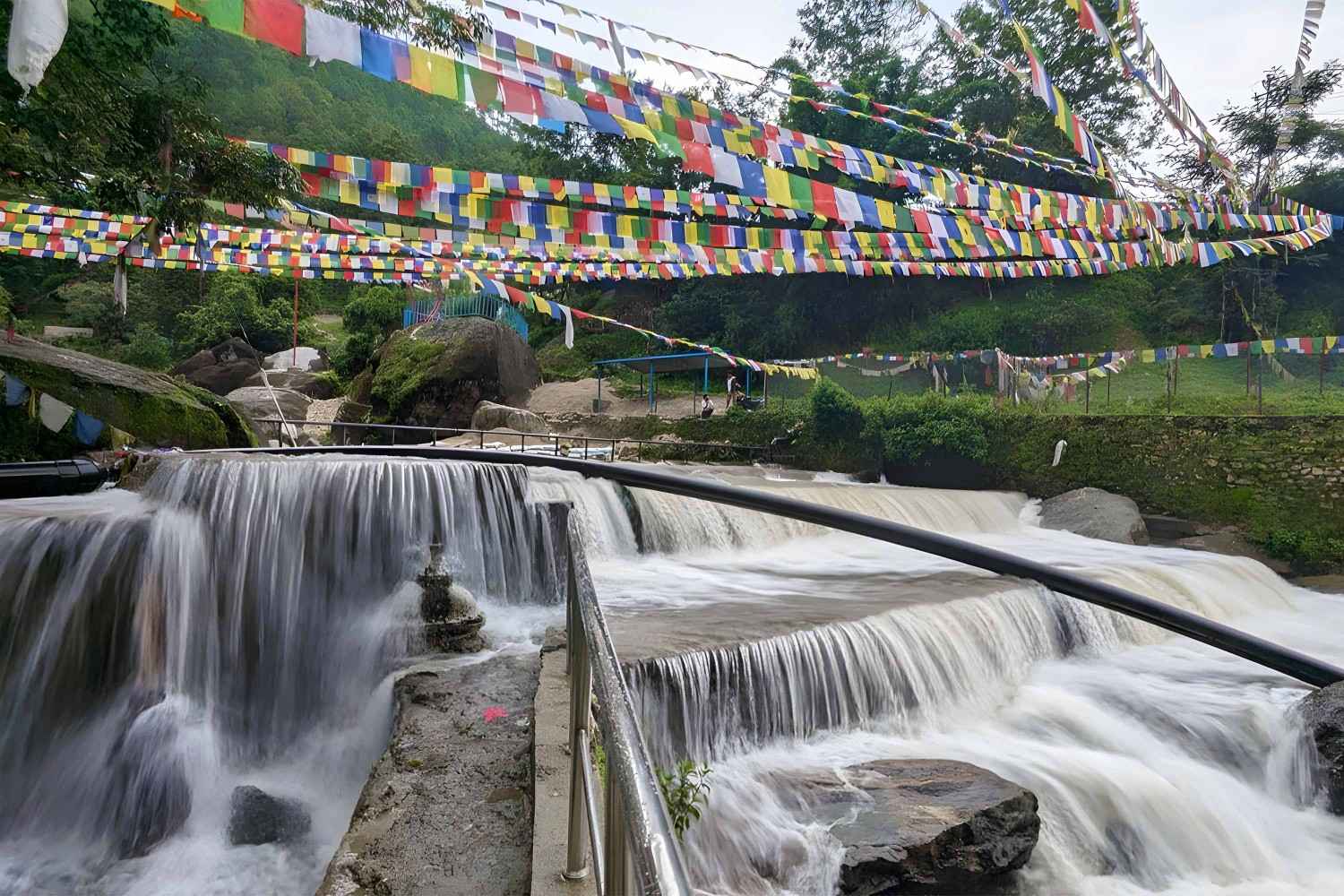
Planning the Chisapani–Nagarkot Trek is quite easy because it can be done almost any time of the year, but each season has its own feel. Spring (March to May) is probably the most enjoyable, with blooming rhododendrons, clear skies, and pleasant temperatures. Autumn (September to November) is another favorite, especially for those clear mountain views and crisp weather. Winter is quieter and peaceful, though mornings can be cold and a bit foggy. During the monsoon (June to August), the hills turn lush and green, but you might have to deal with rain and limited views—still, if you enjoy greenery and fewer crowds, it has its own charm.
What makes this trek special isn’t just the scenery, but the small cultural moments you experience along the way. As you walk through villages like Mulkharka and Chisapani, you’ll notice a slower, simpler way of life. People are warm and welcoming, often greeting you with a smile or a friendly “namaste.” Many of the communities belong to Tamang and other ethnic groups, and you’ll see their traditions reflected in their homes, food, and daily routines. Prayer flags, small monasteries, and local farming practices all add to the experience.
If you’re lucky, your trek might even coincide with local festivals like Dashain or Tihar, when villages feel extra lively and colorful. Even without festivals, just sitting down for a cup of tea, watching the sunset over the hills, or chatting with locals can become the most memorable part of the journey. It’s a trek that’s less about pushing limits and more about slowing down, taking in the surroundings, and connecting with both nature and people.
Accommodation on the Chisapani–Nagarkot Trek is comfortable and convenient compared to more remote Himalayan routes. Most nights are spent in small lodges or guesthouses in places like Chisapani and Nagarkot. Rooms are generally simple but clean, with twin beds, basic furniture, and shared or private bathroom options depending on the lodge. Nagarkot offers more developed accommodation choices, including hotels with better facilities and panoramic mountain views. While the trek does not focus on luxury, the lodges provide a warm and relaxing place to rest after each day’s walk.
Food on the trek is diverse and satisfying, thanks to its proximity to Kathmandu. Teahouses and lodges serve traditional Nepali meals such as dal bhat (rice, lentils, and vegetables), along with popular options like noodles, fried rice, pasta, momos, and soups. Breakfast usually includes eggs, toast, pancakes, porridge, tea, coffee, or hot chocolate. Meals are freshly prepared and provide the energy needed for comfortable trekking days.
Overall, food and accommodation on the Chisapani–Nagarkot Trek offer a balance of simplicity and comfort. With reliable facilities, varied meals, and shorter walking distances, this trek is an excellent choice for beginners, families, and travelers who want to experience Nepal’s landscapes and culture without venturing too far into remote mountain regions.
Packing for the Chisapani–Nagarkot Trek is simple and practical. Since this is a short and relatively easy trek, you do not need to carry heavy expedition gear. The main focus should be comfort and convenience. A good pair of comfortable walking shoes or trekking shoes is essential, as the trail includes several hours of walking each day. Layered clothing works best, with light clothes for warmer daytime walks and a warm jacket or fleece for cooler mornings and evenings. Weather in the hills can change quickly, so carrying a lightweight rain jacket is always recommended.
A few essential accessories can make the trek more comfortable. A small daypack, reusable water bottle, sunglasses, sunscreen, and a cap are useful for daily walks. A headlamp or torch can be helpful during early mornings or evenings when lodge lighting is limited. Basic toiletries, personal medicines, and a power bank are also recommended. While trekking poles are not necessary for most trekkers on this route, they can provide extra support during longer downhill sections.
Overall, the Chisapani–Nagarkot Trek does not require extensive preparation or heavy packing. With comfortable clothing, essential personal items, and a lightweight bag, you can enjoy this peaceful journey without unnecessary hassle. The trek’s comfortable lodges, accessible location, and shorter walking distances make it an easy and enjoyable Himalayan experience.

Tenzing Sherpa
Have questions? Our travel specialists are here to help plan your perfect adventure.
Chat on WhatsAppStart your morning with a good breakfast before heading out to explore some of the most remarkable places the Kathmandu Valley (1,400 meters) has to offer. Your guide will take you through four UNESCO World Heritage Sites: the sacred Hindu temple of Pashupatinath, the hilltop Buddhist shrine of Swayambhunath (fondly called the Monkey Temple), the massive and meditative Bouddhanath Stupa, and the historic Kathmandu Durbar Square. Each of these sites carries centuries of stories, and your guide will help bring those stories to life. Once you've soaked it all in, you'll head back to the hotel for a well-deserved rest. Overnight at a hotel in Kathmandu.
After breakfast, you'll hop in the vehicle for a roughly 90-minute drive to Sundarijal, a charming spot that's popular with locals and visitors alike. From here, your trek begins. The trail winds through the lush greenery of Shivapuri Watershed and National Park, and along the way you'll pass through Mulkharka, a quiet and welcoming Tamang village that gives you a genuine glimpse into mountain community life. From there, the path descends through dense forest before finally opening up at Chisapani. The whole walk takes about four hours, so you'll have earned your dinner tonight. Overnight at hotel in Chisapani, which at an altitude of 2,165 meters.
Wake up early because the morning view from Chisapani is something you won't want to miss. The northern peaks glow a deep red as the first light hits them, and it's the kind of moment that makes you glad you got out of bed. Once you've taken it all in, you'll set off toward Nagarkot via Chaukai Bhanjyang. The trail rolls up and down through the hills, keeping things interesting throughout the day. Nagarkot is one of Nepal's most beloved viewpoints, and on a clear day the panorama is genuinely jaw-dropping: a long sweep of Himalayan peaks running from Dhaulagiri in the west all the way to Everest and Kanchenjunga in the east. Overnight at hotel in Nagarkot (2,175 meters).
Your last morning on the trail starts with another sunrise over the Himalayas from Nagarkot's hilltop, a quiet and peaceful way to wrap up the trek. You'll then head down an old historic route that leads through Changunarayan, standing at an altitude of 1,500 to 1,600 meters, a small Newari town with a beautiful temple complex that's often overlooked by travelers in a rush. From there you'll make your way into Bhaktapur, easily the best-preserved medieval town in Nepal. Wandering through Bhaktapur Durbar Square, another UNESCO World Heritage Site, feels like stepping back several hundred years. After exploring at your own pace, you'll drive back to Kathmandu to round off the journey. Overnight at hotel in Kathmandu.
See what past travelers are saying about their experience with Nepal Outdoor Expeditions.
Because your next adventure is impatiently waiting for you.
Last Minute Note: Grab incredible deals on the last minute departure / Book spontaneous trips to hip destinations with limited-time offers and discounted price
Not sure of your dates yet? Hold a departure with a 20% deposit. Cancel more than 60 days out and your deposit is refunded in full. Your first date change is free. If a departure doesn't reach minimum numbers, we'll offer you the nearest alternative date or a full refund, and we'll let you know at least 30 days out.
Before you think of or actually plan any adventurous or relaxing tours, travels, or treks with Nepal Outdoor Expeditions.
If you cancel more than 60 days before departure, we refund your deposit in full. Between 30 and 60 days, the 20% deposit is retained. Inside 30 days the trip cost is non-refundable, since by then we've already paid for your permits, flights, and teahouse bookings. Full detail on our booking page.
20% to reserve your place, with the balance due 60 days before departure. On this trek that's $75 to book and $300 two months before you fly. If you're booking within 7 days of departure, the full amount is due at booking.
Yes, as long as you let us know at least 30 days before your original departure date, your first change is free. Any change after that, or a change requested inside 30 days, is $200 per person.
Chisapani Nagarkot Trek