Offering group discounts!
Reserve with a 20% deposit. The balance isn't due until 60 days before departure, and cancellations more than 60 days out get a full deposit refund. How booking works →
 Region
Manaslu Region
Region
Manaslu Region
 Duration
8 Days
Duration
8 Days
 Difficulty
Challenging
Difficulty
Challenging
 Max. Altitude
5106 m
Max. Altitude
5106 m
 Prime Activity
Trekking In Nepal
Prime Activity
Trekking In Nepal
 Season
(March-May) (September-November)
Season
(March-May) (September-November)
 Group Size
1-12 people
Group Size
1-12 people
The Short Manaslu Circuit Trek is a perfect choice for trekkers who want to experience the wild beauty of the Himalayas but have limited time. In just 8 days, this trek takes you through dramatic mountain landscapes, quiet villages, and ancient cultural trails surrounding the majestic Mount Manaslu. Even though it is shorter than the classic route, the journey still captures the essence of the Manaslu region—raw nature, rich culture, and breathtaking Himalayan views.
Unlike some of Nepal’s busier trekking routes, the Manaslu trail still feels peaceful and authentic. The path winds along the Budhi Gandaki River, through deep gorges, suspension bridges, terraced fields, and traditional villages where the influence of Tibetan culture is clearly visible. Life here moves slowly, and trekkers often get a glimpse of a lifestyle that has remained unchanged for generations.
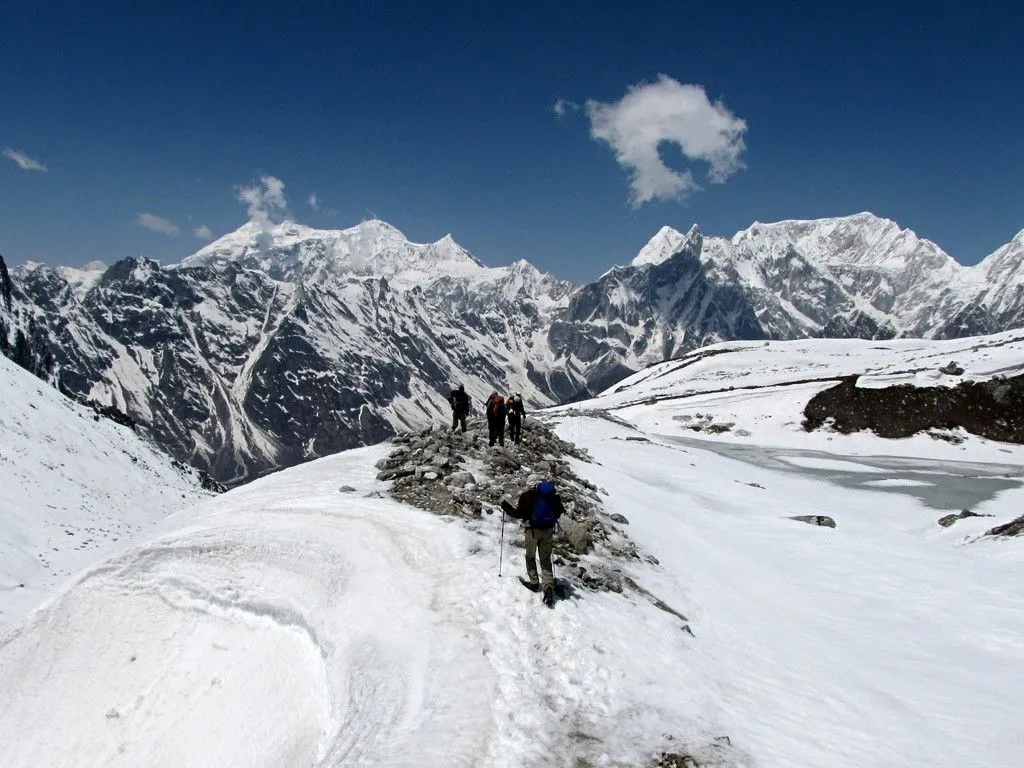
One of the most thrilling parts of the trek is crossing the high mountain pass of Larkya La Pass, which sits at over 5,000 meters. Standing at the top, surrounded by towering snow-covered peaks and colorful prayer flags fluttering in the wind, is a moment that makes every step of the journey worthwhile.
The 8-day short Manaslu Circuit Trek is designed for those who want a more time-efficient adventure without missing the highlights of the region. It combines challenging mountain trails, incredible scenery, and the warmth of local Himalayan hospitality. By the end of the trek, what stays with you is not just the views of the mountains, but the quiet beauty and simplicity of life in the Manaslu region.


Modern Travel Expectation:
Now trekkers seek balance between adventure and the outside world while in trek to be connected. Here are some expectation of modern traveler that we try to meet:
During this 8-day trek, most nights are spent in cozy teahouses along the trail. The rooms are usually basic, with two single beds, a mattress, pillows, and warm blankets. The walls are often wooden, and although the rooms are simple, they provide a comfortable place to rest after a long day of trekking.
In the evenings, trekkers usually gather in the common dining room, which is often the warmest part of the lodge because of a central heater or stove. This shared space quickly becomes a place where people relax, chat about the day’s journey, and enjoy a warm meal together.
Bathroom facilities depend on the altitude and the village. In the lower sections of the trek, you may find attached bathrooms, Western-style toilets, and sometimes hot showers. As you go higher into the mountains, the facilities become more basic. Hot showers may not always be available, but many teahouses offer a bucket of hot water if you want to wash up after trekking.
Even though the accommodation is simple, the hospitality of the local families often makes the stay feel welcoming and memorable.
Food is one of the most comforting parts of trekking in the mountains. After hours of walking on the trail, a warm and filling meal is exactly what every trekker looks forward to. Teahouses along the Manaslu route usually offer a surprisingly wide menu, influenced by Nepali, Tibetan, and sometimes even simple Western dishes.
The most common meal on the trek is dal bhat, the traditional Nepali dish made of rice, lentil soup, vegetables, and sometimes pickles. It’s a favorite among trekkers because it is nutritious, filling, and often comes with free refills, which is very helpful after a long day of hiking.
For breakfast, trekkers can usually choose from items like bread, toast, eggs, porridge, pancakes, Tibetan bread, chapati, muesli, tea, or coffee. These meals are simple but provide enough energy to start the day.
For lunch and dinner, the menu often includes dishes like momo (dumplings), chowmein, fried rice, pasta, spaghetti, thukpa (Tibetan noodle soup), and sometimes even yak meat dishes in higher villages. These meals are warm, hearty, and perfect for the cold mountain environment.
Hot drinks such as ginger tea, lemon tea, milk tea, and coffee are also very popular among trekkers, especially during the chilly mornings and evenings.
Overall, the accommodation and food on the Short Manaslu Circuit Trek are simple but satisfying. What makes the experience special is not luxury, but the comfort of warm meals, welcoming teahouses, and the genuine hospitality of the people living in the mountains. After a long day on the trail, even the simplest meal and a warm bed can feel incredibly rewarding.
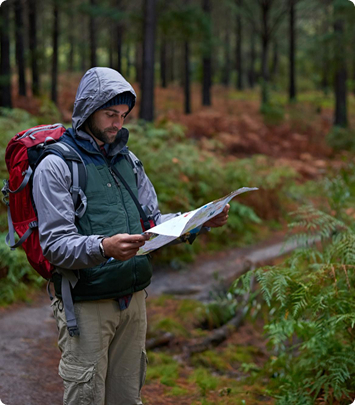
Preparing the right gear for the Short Manaslu Circuit Trek is very important because the trail passes through remote mountain villages and high alpine landscapes around Mount Manaslu. Weather in the Himalayas can change quickly, mornings may be cold, afternoons warm, and nights freezing, especially near higher areas like Larkya La Pass.
Packing wisely doesn’t mean carrying too much; it simply means bringing the essentials that keep you warm, comfortable, and safe during the trek.
Layering your clothes is the best way to stay comfortable in the mountains.
Your feet will do most of the work during the trek, so good footwear is essential.
Keeping your belongings organized and protected from rain is helpful during the trek.
Teahouses usually provide blankets, but extra warmth is always helpful at higher altitude.
These items make the trek easier and safer.
Basic hygiene items are useful since facilities on the trail are simple.
A small medical kit is always recommended during trekking.
A few small items can make your trek much more comfortable.
In the end, packing for the Short Manaslu Circuit Trek is really about finding the right balance. You want to carry what you truly need without making your bag too heavy. With the right gear and preparation, you can focus less on discomfort and more on enjoying the incredible landscapes, peaceful villages, and unforgettable Himalayan moments along the trail.

Tenzing Sherpa
Have questions? Our travel specialists are here to help plan your perfect adventure.
Chat on WhatsAppThe journey begins early. You'll roll out of Kathmandu valley while most of the city is still waking up, heading northwest along the Trishuli and Marsyangdi Rivers toward Dhading Besi. Once you leave the main highway, the road gets rougher and the scenery gets better, a fair trade-off. You'll pass through Arughat, a quiet village sitting on the far bank of the Budhi Gandaki River, and continue through scattered Gurung and Magar settlements where life moves at its own unhurried pace. Soti Khola and Machha Khola come and go before you finally pull into Jagat (1,340 meters), the official gateway into the Manaslu restricted area. By the time you settle in for the night, the peaks of Tewa Himal, Lapuchen Shiringi Himal, and Lumbo Himal are already putting on a show. It's a long first day in the vehicle, but this is where the real adventure quietly begins.
Lace up your boots. Today you're properly on foot, and the trail wastes no time showing you what this region is made of. Out of Jagat, the path winds through farmland, past small waterfalls, and along rocky ridgelines before dropping down toward Sirdibas, where Shiringi Himal fills the background like a postcard you didn't know existed. The valley slowly opens up as you move through Ghatte Khola and on toward Philim. A suspension bridge carries you north to Ekle Bhatti, and from there you'll descend grassy slopes, cross the Budhi Gandaki, and follow its banks through a stretch of bamboo forest. There's something quietly satisfying about walking beside a river like this, with nothing demanding your attention except the trail ahead. Deng at an 2,130 meters appears after a seasonal stream crossing, a modest but welcoming stop for the night.
This is the kind of day that reminds you why people come to the Manaslu region in the first place. After breakfast, you cross the Budhi Gandaki and begin a steady climb toward Rana Gaon, then turn west into the Budhi Gandaki Valley. The trail takes on a more distinctly Himalayan character here. Prayer flags snap in the breeze, mani walls line the path, and chortens mark the way through small settlements that feel genuinely untouched by the modern world. The Buddhist village of Ghap is a highlight, and the views of Shiringi Himal from above Prok Village are worth every step of the climb. The final push to Namrung at an 2,630 meters involves crossing the Budhi Gandaki a few more times before a steep forested climb brings you to a hilltop Buddhist gompa. Namrung sits just beyond it, a peaceful perch with good mountain views and a well-earned dinner waiting.
Today you cross into alpine territory. The trail out of Namrung opens up above the treeline, and suddenly the full drama of the Himalayas is right in front of you: Ganesh Himal, Shiringi Himal, and Himalchuli standing in a row like they've been waiting for you. The small Buddhist village of Lihi comes first, followed by a descent into the Simang Himal Valley. The settlements of Sho, Lho, and Shyala each have their own personality, and from Shyala's viewpoint, the sight of Manaslu, Himalchuli, and Peak 29, along with the Ribung Gompa down in Lho Village, is genuinely hard to describe. A photo won't quite do it either, though you'll take one anyway. Samagaon (3,500 meters) is just a short stretch beyond Shyala. At 3,500 meters, you'll want to take the afternoon easy, drink plenty of water, and let your body catch up with the altitude.
Shorter in distance, but bigger in feel. Today's trek climbs nearly a thousand meters, and the landscape shifts with every hour. You'll drop down to the Budhi Gandaki River first, then cross a wooden bridge over the Dudh Koshi before pushing toward Larkya Bazaar. The trail follows a long line of mani walls and prayer flags, and somewhere along the way, the Larkya Glacier comes into view. It's a humbling sight, one of those moments where the scale of the mountains really hits you. Dharamsala (4,480 meters), also called Larkya La base camp, is your stop for the night. It's a stone guest house at nearly 4,500 meters, simple and functional, but the view of Manaslu and the glacier from outside more than makes up for the no-frills accommodation. Rest well tonight. Tomorrow is the big one.
There's no easing into today. You'll start before sunrise, headlamp on, moving across glacial moraine in the cold and quiet of early morning. A small lake appears below the pass, and frozen lakes mark the approach to the steepest section of the climb. Larkya La Pass sits at 5,106 meters, and the effort it takes to get there is real. But at the top, the world opens up completely. Cheo Himal, Kang Guru, Himlung Himal, Annapurna, Himalchuli, and Ganesh Himal surround you in every direction. You've earned this view. The descent from the western side brings you down through grassy moraine, past wide meadows and more mani walls, until the valley broadens and Bhimthang appears below. It's a warm, welcoming place after a physically demanding day, and most trekkers find themselves asleep surprisingly early.
The last day of trekking is a long walk down, and it's a beautiful one. From the high pastures of Bhimthang, you drop steadily toward the basin of the Dudh Khola, crossing a suspension bridge before entering a lovely stretch of rhododendron and oak forest. The trail passes through the villages of Karche, Gho, Tilje, and Thonje, each one a little lower and a little warmer than the last. There's a bittersweet feeling to these final few hours on the trail, the kind you only get when a journey has genuinely gotten under your skin. Dharapani at an 1,960 meters is where the trail ends and the road begins again. The views of Manaslu and Annapurna from here are a fitting send-off, two great giants watching as you close this chapter.
The jeep picks you up after breakfast, and the long road home begins. The drive follows the Marsyangdi River through the Annapurna region, passing Bhulbhule, Khudi, and Besisahar before joining the paved Prithvi Highway. From there, the ride smooths out. Waterfalls, riverside settlements, and forested hillsides roll past the window, and somewhere between the confluence of the Marsyangdi and Trisuli Rivers and the outskirts of Kathmandu, it sinks in: you just crossed a Himalayan pass above 5,000 meters. Not a bad week's work.
See what past travelers are saying about their experience with Nepal Outdoor Expeditions.
Because your next adventure is impatiently waiting for you.
Last Minute Note: Grab incredible deals on the last minute departure / Book spontaneous trips to hip destinations with limited-time offers and discounted price
Not sure of your dates yet? Hold a departure with a 20% deposit. Cancel more than 60 days out and your deposit is refunded in full. Your first date change is free. If a departure doesn't reach minimum numbers, we'll offer you the nearest alternative date or a full refund, and we'll let you know at least 30 days out.
Before you think of or actually plan any adventurous or relaxing tours, travels, or treks with Nepal Outdoor Expeditions.
If you cancel more than 60 days before departure, we refund your deposit in full. Between 30 and 60 days, the 20% deposit is retained. Inside 30 days the trip cost is non-refundable, since by then we've already paid for your permits, flights, and teahouse bookings. Full detail on our booking page.
20% to reserve your place, with the balance due 60 days before departure. On this trek that's $195 to book and $780 two months before you fly. If you're booking within 7 days of departure, the full amount is due at booking.
Yes, as long as you let us know at least 30 days before your original departure date, your first change is free. Any change after that, or a change requested inside 30 days, is $200 per person.
8 Days Short Manaslu Circuit Trek