Offering group discounts!
Reserve with a 20% deposit. The balance isn't due until 60 days before departure, and cancellations more than 60 days out get a full deposit refund. How booking works →
 Region
Short Trekking
Region
Short Trekking
 Duration
6 Days
Duration
6 Days
 Difficulty
Moderate
Difficulty
Moderate
 Max. Altitude
3800 m
Max. Altitude
3800 m
 Prime Activity
Trekking In Nepal
Prime Activity
Trekking In Nepal
 Season
(March-May) (September-November)
Season
(March-May) (September-November)
 Group Size
1-12 people
Group Size
1-12 people
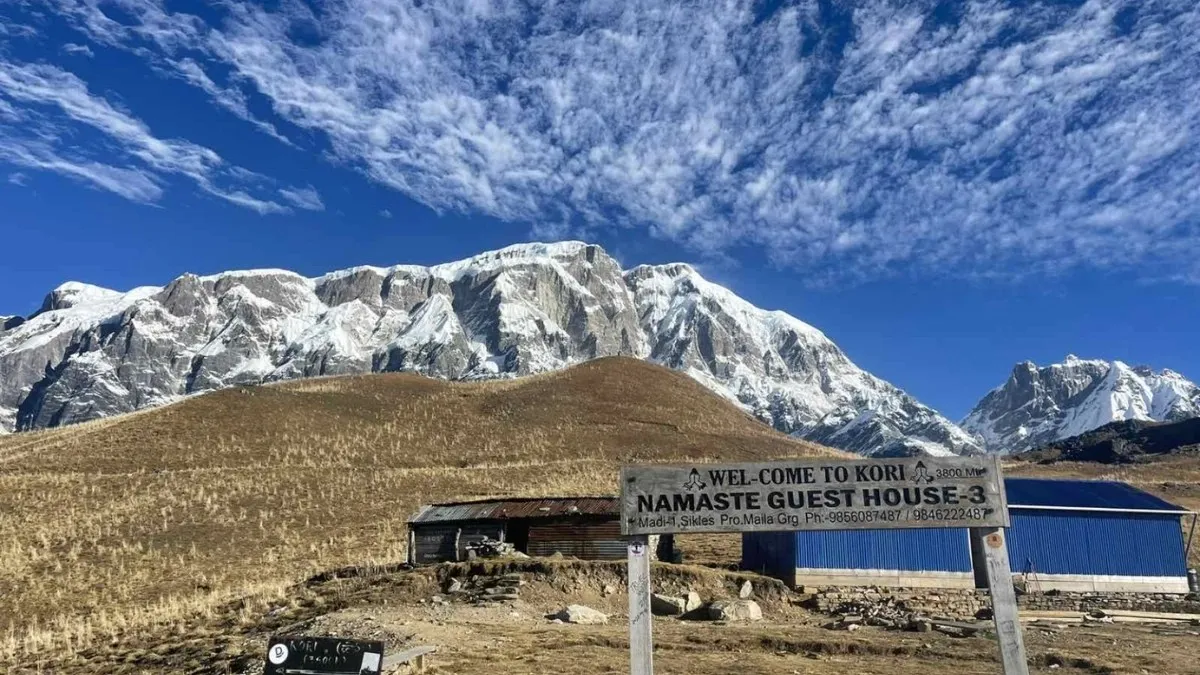
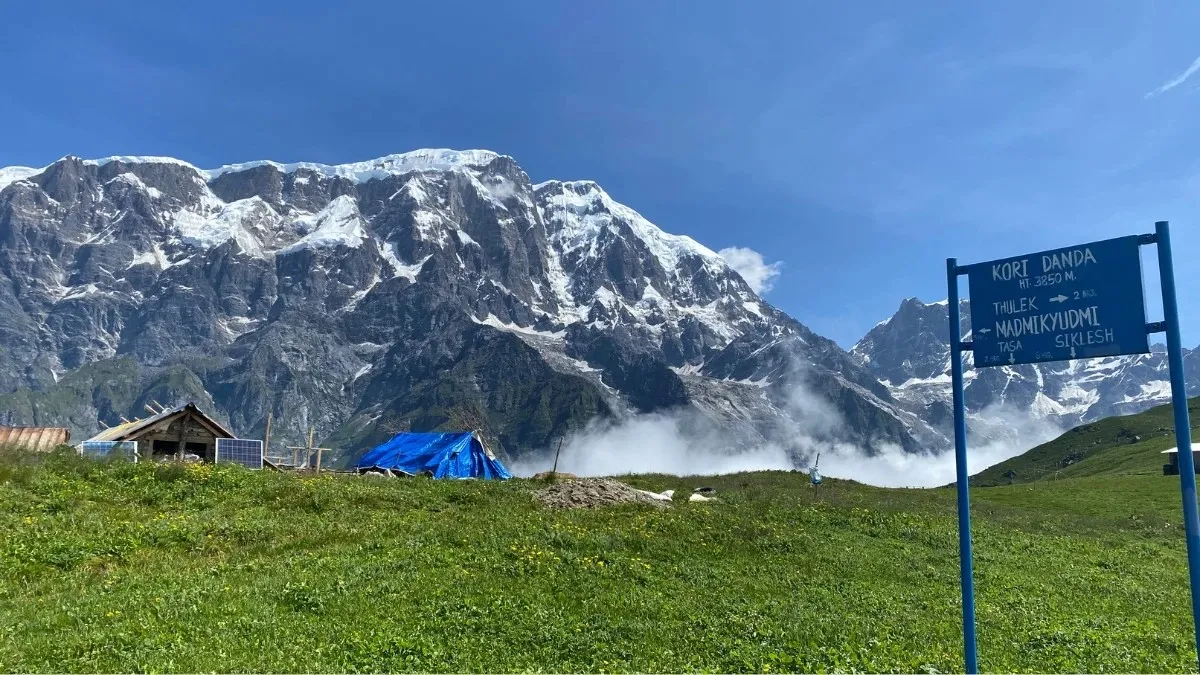
The Kori Trek is a short but rewarding adventure in the Annapurna region of Nepal, perfect for trekkers looking for peaceful trails, authentic village experiences, and stunning Himalayan views away from the crowds. The journey begins from the Gurung village of Sikles near Pokhara and gradually climbs through terraced fields, rhododendron forests, and alpine landscapes before reaching Kori Danda at around 3,800 metres. From this viewpoint, trekkers can enjoy panoramic views of Annapurna II, Lamjung Himal, Machhapuchhre, Hiunchuli, and Manaslu, making it one of the most scenic short treks in central Nepal.
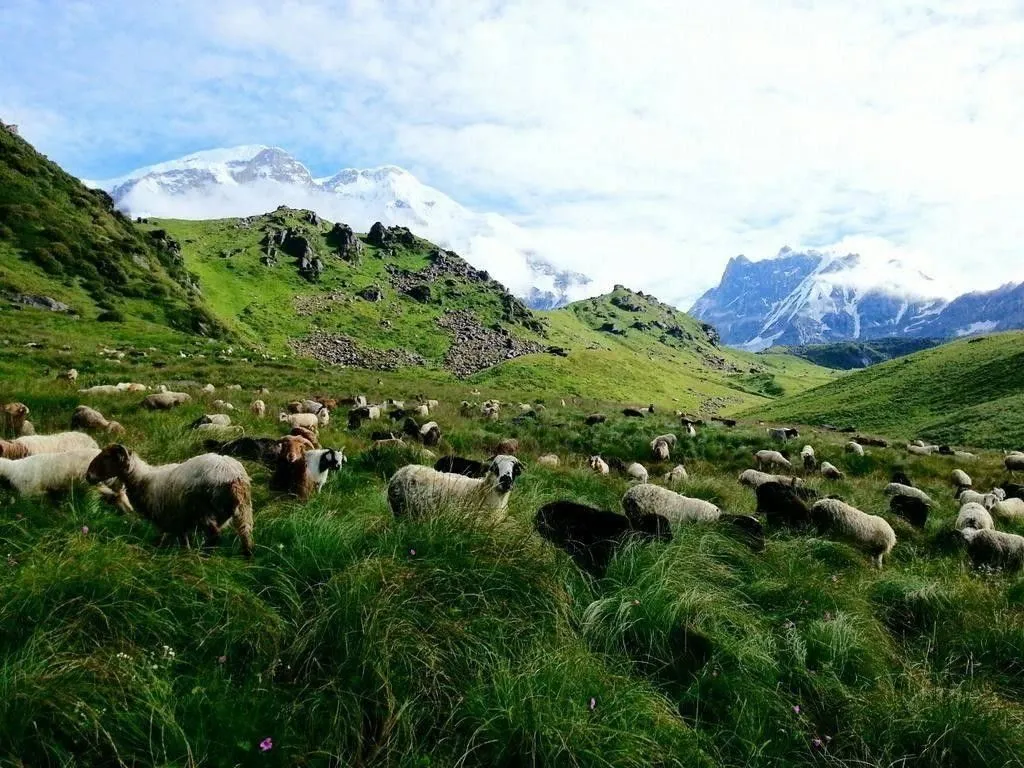
The trek offers a unique blend of culture and nature, especially through the lower villages inhabited by the Gurung community. Along the trail, travelers can experience traditional stone houses, monasteries, prayer walls, and the simple mountain lifestyle shaped by farming and livestock. Homestays and community lodges provide opportunities to connect with local families, while the higher sections of the trail offer a more remote Himalayan experience with alpine pastures, seasonal herding camps, and untouched landscapes.
The Kori Trek is a moderate-level adventure suitable for trekkers with a reasonable level of fitness and limited time. Usually completed within 4 to 7 days, the trek combines gradual climbs, forest trails, and alpine paths without extreme altitude challenges. Spring and autumn are the best seasons for this journey, offering clear mountain views and comfortable trekking conditions. It is an ideal choice for those seeking a quieter Himalayan experience with breathtaking scenery and authentic local culture.
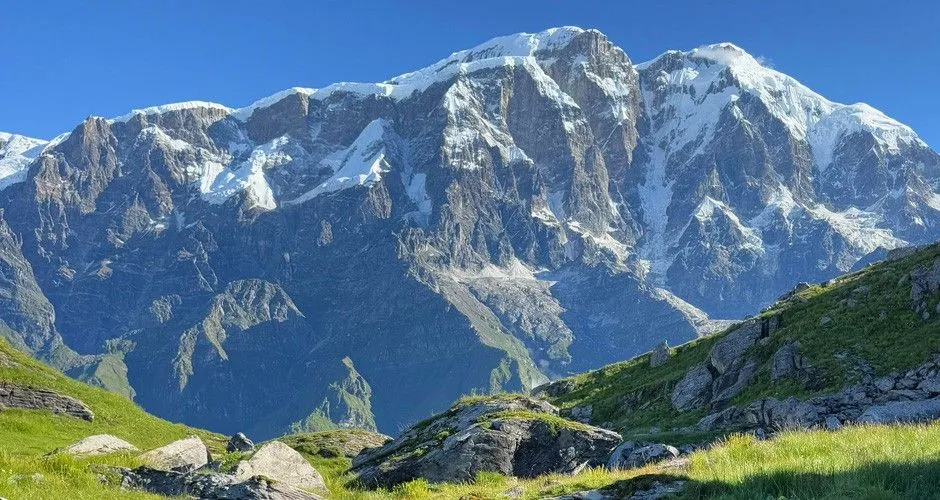
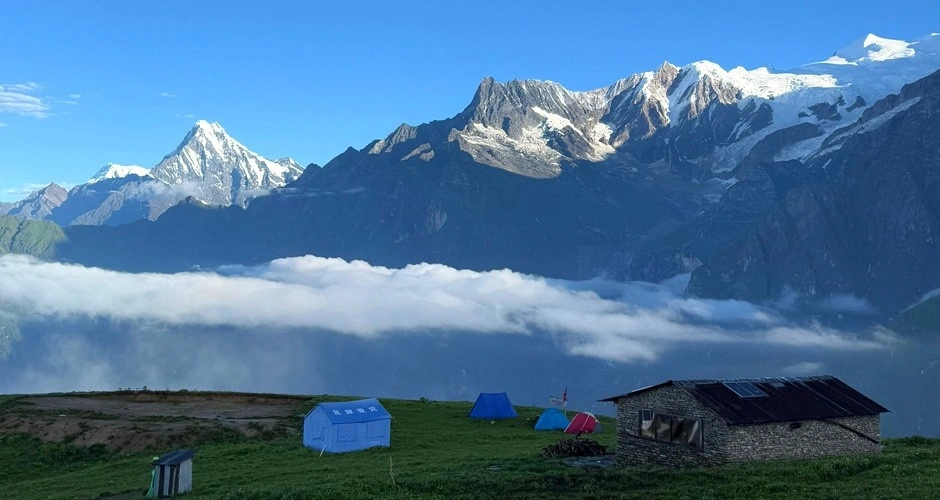
Kori Trek passes through villages mostly inhabited by the Gurung community, one of Nepal’s most respected indigenous groups with a rich culture, strong traditions, and a deep connection to the mountains. Gurungs have a long history of military service, community cooperation, and storytelling. Their heritage is reflected in traditional stone houses, slate-roofed architecture, and well-preserved village layouts. As trekkers arrive in Sikles, they will notice prayer symbols, small shrines, and communal gathering spaces that reflect local beliefs influenced by both Buddhism and traditional animist practices.
Daily life in the villages along the Kori Trek revolves around subsistence farming, livestock rearing, and seasonal trade. Families cultivate millet, maize, and vegetables on terraced hillsides, while goats and yaks graze in the surrounding mountain pastures. Trekkers often see villagers working in the fields during the early morning hours. Staying in local homestays provides an authentic cultural experience, allowing visitors to share meals with host families, listen to local stories, and observe traditional cooking methods and handicrafts. These genuine interactions offer valuable insight into rural Himalayan life beyond Nepal’s more popular trekking routes.
Local festivals and religious ceremonies add another cultural dimension to the trek. Although festival dates vary each year, celebrations commonly include traditional Gurung dances, folk music, and communal feasts, especially during harvest seasons and important religious occasions.
Morning and evening prayers at village shrines are also part of daily life, even outside festival periods. Trekkers are encouraged to observe local customs respectfully, ask questions when appropriate, and engage with the community in a considerate manner. This respectful approach helps preserve local traditions while creating meaningful cultural exchanges throughout the journey.
Nepal offers a Visa on Arrival (VoA) facility for citizens of most countries, making entry straightforward and convenient. Visitors can obtain a tourist visa at Tribhuvan International Airport in Kathmandu and selected land border crossings. To apply, travelers need a passport with at least six months of validity, a recent passport-sized photograph, and payment of the applicable visa fee, which can usually be made in major foreign currencies or by card at selected immigration counters.
Nepal currently offers 15-day, 30-day, and 90-day tourist visas, with the 30-day option being the most common choice for trekkers. As visa fees and immigration procedures may change, travelers should confirm the latest requirements before departure. Completing the arrival form accurately also helps speed up the immigration process.
Travelers with complex itineraries or those requiring multiple entries may prefer to apply for a visa in advance through a Nepalese embassy or consulate. Carrying accommodation details, onward travel information, and other supporting documents can make the arrival process smoother before beginning your Kori Trek.
Travel insurance is essential for trekking in Nepal, particularly on remote routes like the Kori Trek, where high-altitude trails, rugged terrain, and unpredictable mountain weather increase the risks. Your policy should cover high-altitude trekking, emergency medical treatment, helicopter evacuation, and rescue services up to or above the trek’s highest point of approximately 3,800 metres.
Without appropriate insurance, helicopter evacuations and emergency medical treatment can become extremely expensive and may need to be paid personally.
When selecting a travel insurance policy, make sure it includes:
It is also advisable to choose a policy that covers trip delays or cancellations caused by severe weather, natural disasters, or other unexpected disruptions. Always carry a printed or digital copy of your insurance policy, emergency contact details, and policy number, and share the relevant information with your guide or trekking company before starting the trek.
If you’re looking for similar adventure experiences, consider these popular trekking routes in Nepal:
Accommodation choices have been carefully selected along the trail to make each stop comfortable and welcoming. Trekkers will spend their nights in family-run homestays and clean lodges in villages such as Sikles, Tasa, and Hugu Goth. Each accommodation is selected based on its location, safety, cleanliness, and warm hospitality, providing a comfortable place to rest after a day of trekking. Rooms usually include basic bedding, blankets, and essential facilities to ensure a pleasant stay at higher altitudes.
Beyond comfort, the accommodation experience focuses on cultural immersion. Staying in traditional Gurung homestays allows trekkers to experience local lifestyles, customs, and the genuine warmth of mountain communities. These stays provide opportunities to interact with local families, learn about village traditions, and support sustainable tourism while creating meaningful travel memories.
All accommodations along the Kori Trek are arranged as part of the package, allowing trekkers to enjoy a hassle-free journey without worrying about daily bookings or last-minute arrangements.
Food on the Kori Trek includes a combination of traditional Nepali dishes and familiar international meals. Trekkers can enjoy local favourites such as dal bhat (rice and lentils), vegetable curry, momos, noodles, soups, and porridge. Meals are prepared using fresh local ingredients, providing the energy required for long days of trekking. Special dietary requirements, including vegetarian and vegan options, can be arranged with prior notice.
Breakfast is designed to provide enough energy for the morning hike, while lunch offers a balanced meal to keep trekkers active throughout the day. Dinner usually includes warm soups, hot beverages, and comforting meals to help trekkers recover after hours on the trail. Local herbal teas and traditional drinks also add a cultural touch to the dining experience.
Safe drinking water arrangements are also managed throughout the trek. With meals and hydration support included, trekkers can focus on enjoying the landscapes, interacting with local communities, and experiencing the beauty of the Kori Trek.
Professional guides are an essential part of the Kori Trek experience. Our certified guides provide support with route navigation, altitude awareness, weather conditions, and first aid to ensure a safe and enjoyable journey. Beyond trekking support, guides also help trekkers understand Gurung culture, local traditions, and hidden highlights along the trail.
The package also includes porter services to help carry heavy trekking equipment and luggage. Experienced porters allow trekkers to walk more comfortably, conserve energy, and enjoy the challenging sections of the trail without carrying heavy loads. Their knowledge of the route and mountain conditions ensures a smoother and more comfortable trekking experience.
Our team manages important logistics, including permits, accommodation, and meals, allowing trekkers to enjoy the journey without worrying about arrangements. With professional guide and porter support, trekkers can fully experience the stunning Annapurna views, peaceful forests, and traditional Himalayan villages along the Kori Trek.
Electricity is available in most villages along the Kori Trek, although power availability becomes limited at higher elevations. Lower settlements such as Sikles and Tasa usually have electricity through local micro-hydropower or solar systems. Charging facilities for phones, cameras, and power banks are available in many accommodations, usually for an additional fee.
As the trail reaches higher areas like Hugu Goth and Kori Danda, electricity becomes more limited. Most remote lodges and camps depend on solar power, which can vary depending on weather conditions. Trekkers should carry a power bank, extra batteries, and a headlamp to stay prepared in areas with limited electricity.
Mobile connectivity also varies throughout the route. Larger villages may have coverage from Nepalese networks such as Ncell and Nepal Telecom, but the connection can be slow or unreliable. In remote sections, especially around ridges and alpine areas, phone signals may disappear completely. Carrying a local SIM card, downloading offline maps, and staying connected through the guide when necessary are recommended for a smoother trekking experience.

Tenzing Sherpa
Have questions? Our travel specialists are here to help plan your perfect adventure.
Chat on WhatsAppYour guide meets you at your hotel bright and early; expect a firm handshake, a warm smile, and probably a thermos of tea. The drive to Sikles takes roughly three hours, and honestly, it's half the adventure. The road winds and climbs through forested hillsides, river crossings, and little roadside villages where chickens have the right of way. Sikles itself is something special. One of the oldest Gurung settlements in the Annapurna region, it sits comfortably at around 1,980 meters, high enough to feel the mountain air, low enough to sleep soundly your first night. Wander the cobbled lanes without a plan. Peek into the local museum. Notice how the houses are built, how the elders sit in doorways, and how kids chase each other through the narrow alleys. If the sky cooperates, Lamjung Himal and Annapurna II will be watching over everything from a distance. You'll sleep well tonight.
This is the day the mountains really start talking to you. The trail out of Sikles climbs through a gorgeous patchwork of rhododendron, oak, and pine, in spring, the rhododendrons are almost aggressively beautiful. The walk takes around 6 to 7 hours, but it rarely feels like a slog. Terraced fields give way to grazing pastures, and the sound of cowbells replaces the sounds of the village below. Keep your eyes open. Himalayan langurs crash through the canopy overhead, barking deer dart between the trees, and if you're lucky and quiet, you might spot the Himalayan monal, Nepal's national bird, flashing its iridescent feathers in the undergrowth. By the time you reach Tasha, at an elevation of 2,700 meters, your legs will be pleasantly tired and your lungs will be full of something clean and cold. Dinner at the teahouse will taste like the best meal you've had in months.
Today is the one you'll talk about when you get home. A steady five-hour climb takes you up to Kori Danda at 3,850 meters, where the tree line drops away and the world opens up in every direction. The trail moves through high meadows and yak pastures; you'll hear the yaks before you see them, and with every step upward, the Himalayas inch closer and grow taller. At the top, it hits you. Annapurna II, Annapurna IV, Lamjung Himal, and, on a clear day, the unmistakable silhouette of Machhapuchhre (Fishtail) rising impossibly above everything else. Kori Danda is also a sacred place for the Gurung people, marked by prayer flags and a quiet reverence that adds something intangible to the experience. Tonight, whether you're in a tent or a seasonal teahouse, the stars above 3,800 meters are not to be missed.
Set your alarm. Seriously, don't sleep through the sunrise at Kori Danda. As the first light spills across the snowfields and the peaks glow amber and pink, you'll understand why people come back to Nepal again and again. Brew a cup of something hot, find a good rock to sit on, and just watch. After breakfast, you head back down toward Tasha, retracing yesterday's trail, though somehow it always looks different on the way down. The light sits differently; you notice things you missed on the climb, and the pressure is off. It's a gentler, more contemplative kind of walking. Back in Tasha (2,700 meters) by early afternoon, with the rest of the day to rest your legs and breathe it all in.
The final walking day has its own quiet rhythm. The trail descends back through the forest and out onto open terraces, with Sikles growing slowly visible below. There's something bittersweet about the last trekking days; the body is ready for rest, but the mind isn't quite finished with the mountains yet. Back in Sikles (1,980 meters), take an evening stroll through the village again. It might feel different now, more familiar, more yours. Maybe you recognize a face or two. Dinner at the lodge, a warm bed, and the low hum of village life drifting through the window.
After a slow breakfast, the jeep loads up, and the road unwinds back toward Pokhara. The three-hour drive through forested hills, river valleys, and roadside villages is a gentle re-entry into the wider world. The city will feel louder and flatter than you remember it, but you'll carry the mountains with you. That part doesn't leave quickly. The official end of the journey is in Pokhara at an altitude of 820 meters.
See what past travelers are saying about their experience with Nepal Outdoor Expeditions.
Because your next adventure is impatiently waiting for you.
Last Minute Note: Grab incredible deals on the last minute departure / Book spontaneous trips to hip destinations with limited-time offers and discounted price
Not sure of your dates yet? Hold a departure with a 20% deposit. Cancel more than 60 days out and your deposit is refunded in full. Your first date change is free. If a departure doesn't reach minimum numbers, we'll offer you the nearest alternative date or a full refund, and we'll let you know at least 30 days out.
Before you think of or actually plan any adventurous or relaxing tours, travels, or treks with Nepal Outdoor Expeditions.
If you cancel more than 60 days before departure, we refund your deposit in full. Between 30 and 60 days, the 20% deposit is retained. Inside 30 days the trip cost is non-refundable, since by then we've already paid for your permits, flights, and teahouse bookings. Full detail on our booking page.
20% to reserve your place, with the balance due 60 days before departure. On this trek that's $140 to book and $560 two months before you fly. If you're booking within 7 days of departure, the full amount is due at booking.
Yes, as long as you let us know at least 30 days before your original departure date, your first change is free. Any change after that, or a change requested inside 30 days, is $200 per person.
Kori Trek