
Offering group discounts!
Reserve with a 20% deposit. The balance isn't due until 60 days before departure, and cancellations more than 60 days out get a full deposit refund. How booking works →
 Region
Annapurna Region
Region
Annapurna Region
 Duration
7 Days
Duration
7 Days
 Difficulty
Easy
Difficulty
Easy
 Max. Altitude
3210 m
Max. Altitude
3210 m
 Prime Activity
Trekking In Nepal
Prime Activity
Trekking In Nepal
 Season
(March-May) (September-November)
Season
(March-May) (September-November)
 Group Size
1-12 people
Group Size
1-12 people
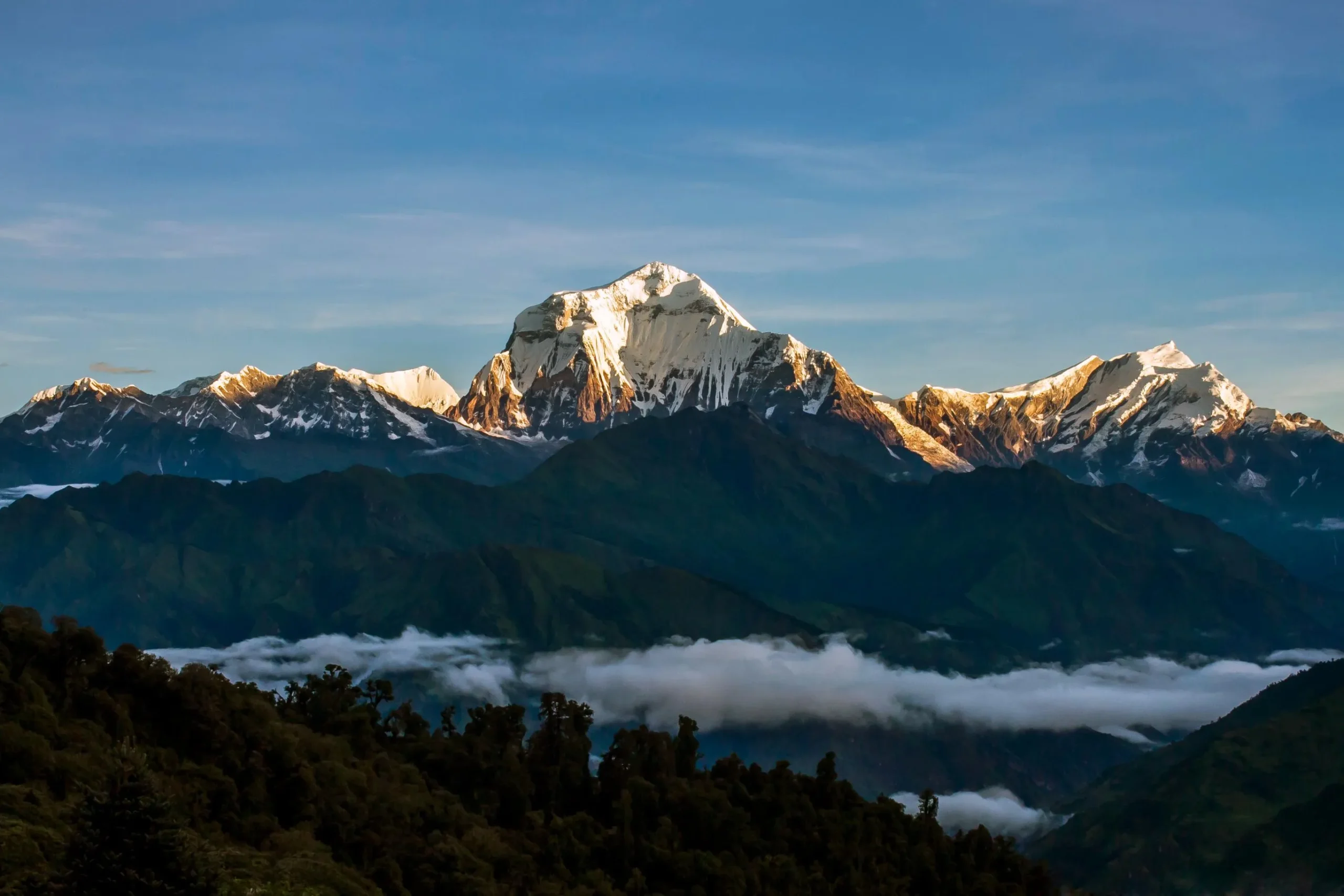
The Ghorepani Poon Hill Ghandruk Trek is one of the most beautiful and rewarding short treks in the Annapurna region. It combines two popular destinations—Ghorepani Poon Hill and the traditional village of Ghandruk, making the journey both scenic and culturally rich. The trail passes through charming villages, lush rhododendron forests, and terraced hillsides, offering a peaceful walking experience in the lap of nature. One of the highlights of the trek is the early morning hike to Poon Hill, the highest point of the trek, where trekkers are rewarded with a breathtaking sunrise over the Himalayan range, including Annapurna and Dhaulagiri.
As the journey continues toward Ghandruk, you get a closer look at the daily life and culture of the Gurung community, one of the prominent ethnic groups in the region. The stone-paved streets, traditional houses, and warm hospitality of the locals make the village experience truly special. Along the way, you will also encounter beautiful mountain views, small tea houses, and peaceful landscapes that make the trek enjoyable from start to finish. With its moderate trails and shorter duration, the Ghorepani Poon Hill Ghandruk Trek is a perfect choice for beginners, families, and travelers who want to experience the beauty of the Himalayas without committing to a long and demanding trek.




The weather varies according to the season in the Annapurna region, which influences the experience of trekkers. During the spring season (March–May), the temperature is moderate, and you get to see clear skies with vibrant rhododendron blooms. Likewise in the autumn season (September–November), which is the most popular for trekking, which offers stable weather and excellent visibility. Also the temperatures at daytime are comfortable compared to night one. For the winter season (December–February), the region suffers cold temperatures, primarily at higher altitudes, and snow may cover some of the trails, which makes it more challenging for trekkers. Lastly, for Monsoon (June–August), rainfall can make trails slippery and risky. Despite that, the rich greenery gives a unique perspective to the region.
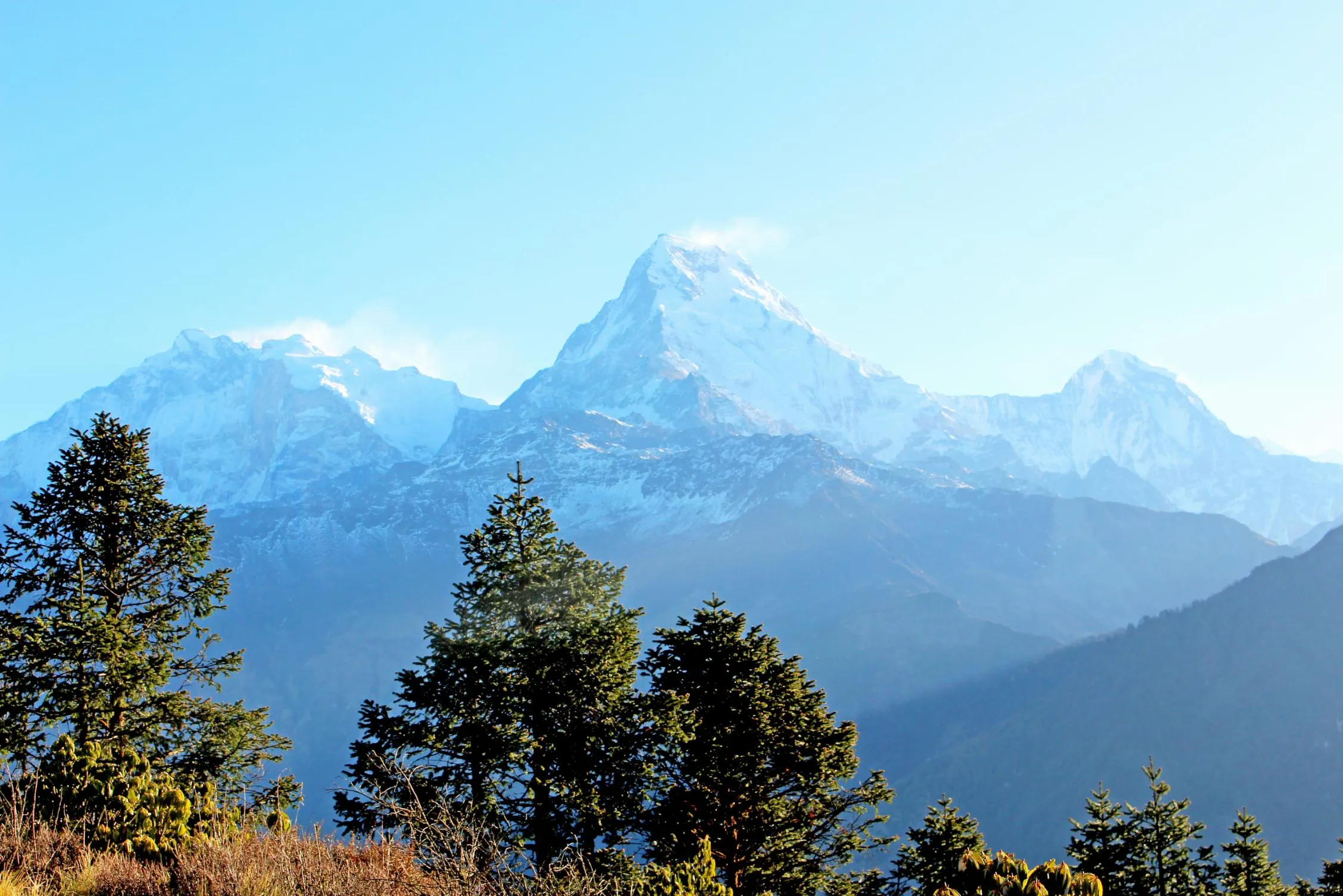
For cultural aspects, you get to explore remote villages inhabited by Gurung and Magar communities. If you trek during the autumn season, you can enjoy the festivals like Dashain, Tihar, and Lhosar with the locals. You can experience cozy lodges and tea houses that deliver delicious meals like dal, bhat, and also the famous yak cheese. Ghandruk offers you insights into local history, customs, and craftsmanship. It is very famous for its old Gurung museum. For natural aspects, the main attraction of this trek is Poon Hill View Point (3210 m). From this viewpoint you can witness the views of sunrise over the Annapurna and Dhaulagiri Mountains. You can see rhododendron forests, especially in the spring season. This adds a unique and vibrant experience to your trekking. You can encounter langurs, mountain goats, Himalayan monals, red pandas, and Himalayan thar.
The ecosystem of the Annapurna region has been significantly impacted by increasing tourism. Trekkers have some responsibilities towards the environment to preserve the beauty of the Himalayas for our own good and for the future generation. Here are some ways to practice environmental responsibility:
Now trekkers seek balance between adventure and the outside world while on a trek to be connected. Here are some expectations of modern travelers that we try to meet:
If you’re looking for a short and scenic trek in the Everest region, similar in vibe to Ghorepani Poon Hill, these treks offer incredible views without the high altitude or long duration of the Everest Base Camp trek. Here are some treks that you might like:
Before starting the Ghorepani Poon Hill Ghandruk Trek, it is important to prepare properly to make your journey comfortable and enjoyable. Although this trek is considered beginner-friendly, the trail includes several ascents and descents along stone staircases and forest paths. Being physically prepared will help you enjoy the trek more and avoid unnecessary fatigue during long walking days.

Tenzing Sherpa
Have questions? Our travel specialists are here to help plan your perfect adventure.
Chat on WhatsAppThe journey to Pokhara is honestly one of the most enjoyable parts of the trip. You'll spend around 6 hours on the road, but it doesn't feel that way when you're winding along the banks of the Trishuli River with tiny villages and terraced fields passing by your window. Once you arrive in Pokhara, take your time settling in and wander down to the lakeside. The mountains reflecting off the water at this time of day are something you won't forget in a hurry. Rest up tonight at your hotel.
You'll want to have a good breakfast before setting off, because the day ahead is a full one. A short one-hour drive brings you to Nayapul, where you lace up your boots and officially start the trek. The next 3 hours on foot feel less like a hike and more like a slow, peaceful walk through countryside that actually looks too beautiful to be real. Rivers rushing alongside you, birds doing their thing in the trees, and eventually, the warm little village of Hile welcoming you in. Your lodge here is simple, cozy, and exactly what you need after a day like this.
Things get a bit more physical today, but in the best possible way. You'll pass through Tikhedhunga in the early hours, cross a few streams and climb some seriously steep stone staircases before landing in Ulleri. Catch your breath here because the views of Himchuli, Annapurna and Machhapuchhre are genuinely jaw-dropping from this spot. From Ulleri, the trail takes you through thick rhododendron and oak forests, and if you're trekking during bloom season, the colors are absolutely wild. Ghorepani awaits at the end of the day, tucked into the hills and full of character.
Set your alarm early. Really early. The pre-dawn climb up to Poon Hill is completely worth every sleepy step because what greets you at the top is one of the most breathtaking sunrises you will ever witness. The entire Annapurna and Dhaulagiri ranges light up in front of you in shades of gold and pink, and for a good reason, photographers have been coming to this exact spot for decades. Take it all in, take too many photos, then head back down to Ghorepani for a well-deserved breakfast. The rest of the day carries you through bamboo and pine forests toward Tadapani, a 5 to 6 hour walk that somehow never gets boring.
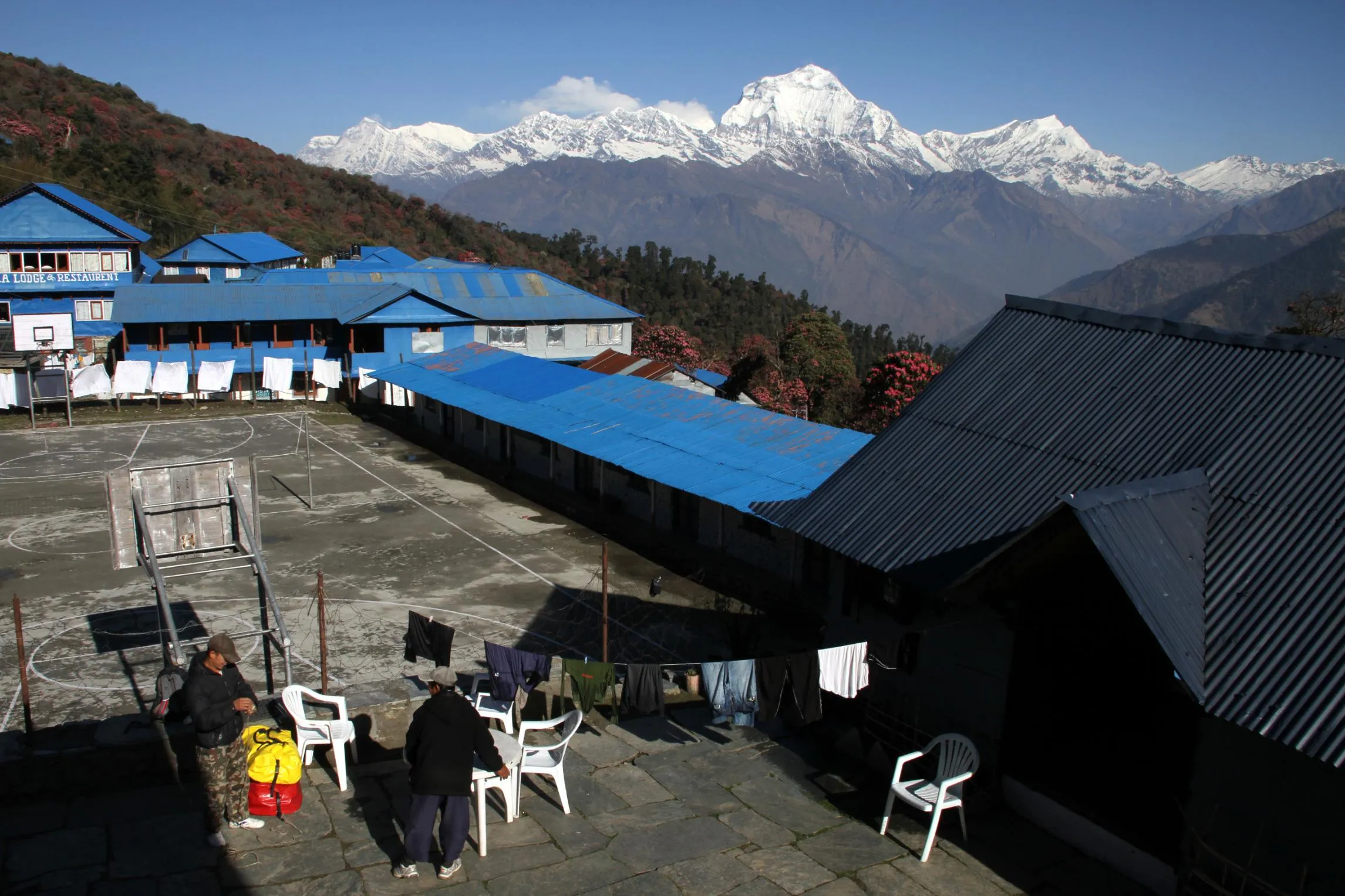
Today's destination is Ghandruk, one of those places that stays with you long after you've left. The 2 to 3 hour walk through forests and across little streams is gentle and scenic, almost like the trail is easing you in before revealing the village itself. Ghandruk is a Gurung settlement with deep roots and a proud history, widely known as home to the legendary Gurkha soldiers. The locals here are genuinely warm and welcoming, and if you have the time, a visit to the Gurung Museum is well worth it. It gives you a real window into a culture that is rich, layered and very much alive. Spend the evening soaking it all in.
The last day of trekking is a gradual descent back to Nayapul, and there is something bittersweet about it. The landscapes on the way down are just as beautiful as anything you've seen over the past few days, and you'll probably find yourself stopping more than you planned just to look around. Once you reach Nayapul, a car whisks you back to Pokhara where you can either crash at the hotel or take one last stroll around the lakeside city before tomorrow's drive.
After breakfast, it's time to head home. The 6 hour drive back to Kathmandu gives you plenty of time to reflect on the week and maybe flip through all the photos you've taken. Once back in the city, the afternoon is yours to explore Thamel, pick up a few souvenirs or simply sit somewhere nice with a cup of tea and let the whole experience sink in. It's been quite a trip.
See what past travelers are saying about their experience with Nepal Outdoor Expeditions.
Because your next adventure is impatiently waiting for you.
Last Minute Note: Grab incredible deals on the last minute departure / Book spontaneous trips to hip destinations with limited-time offers and discounted price
Not sure of your dates yet? Hold a departure with a 20% deposit. Cancel more than 60 days out and your deposit is refunded in full. Your first date change is free. If a departure doesn't reach minimum numbers, we'll offer you the nearest alternative date or a full refund, and we'll let you know at least 30 days out.
Before you think of or actually plan any adventurous or relaxing tours, travels, or treks with Nepal Outdoor Expeditions.
If you cancel more than 60 days before departure, we refund your deposit in full. Between 30 and 60 days, the 20% deposit is retained. Inside 30 days the trip cost is non-refundable, since by then we've already paid for your permits, flights, and teahouse bookings. Full detail on our booking page.
20% to reserve your place, with the balance due 60 days before departure. On this trek that's $105 to book and $420 two months before you fly. If you're booking within 7 days of departure, the full amount is due at booking.
Yes, as long as you let us know at least 30 days before your original departure date, your first change is free. Any change after that, or a change requested inside 30 days, is $200 per person.
Ghorepani Poon Hill Ghandruk Trek