Offering group discounts!
Reserve with a 20% deposit. The balance isn't due until 60 days before departure, and cancellations more than 60 days out get a full deposit refund. How booking works →
 Region
Everest Region
Region
Everest Region
 Duration
8 Days
Duration
8 Days
 Difficulty
Moderate
Difficulty
Moderate
 Max. Altitude
3860 m
Max. Altitude
3860 m
 Prime Activity
Trekking In Nepal
Prime Activity
Trekking In Nepal
 Season
(March-May) (September-November)
Season
(March-May) (September-November)
 Group Size
1-12 people
Group Size
1-12 people
The Everest Panorama Trek is an outstanding experience into the core of the Khumbu region, where people can access the Himalayas and have a very rewarding experience. Intended either as a time-saving alternative or targeted more toward an adventure in a lower-altitude setting, this trek offers the same classic scenery as the longer Everest Base Camp trek but omits the taxing climb to 5,364 m.
It is a perfect option for families, amateur trekkers, or anyone who wants to witness the grandeur of Mount Everest. Our path takes us through beautiful rhododendron woods, charming Sherpa villages, and exciting suspension bridges, forming an ideal combination of nature and exercise.
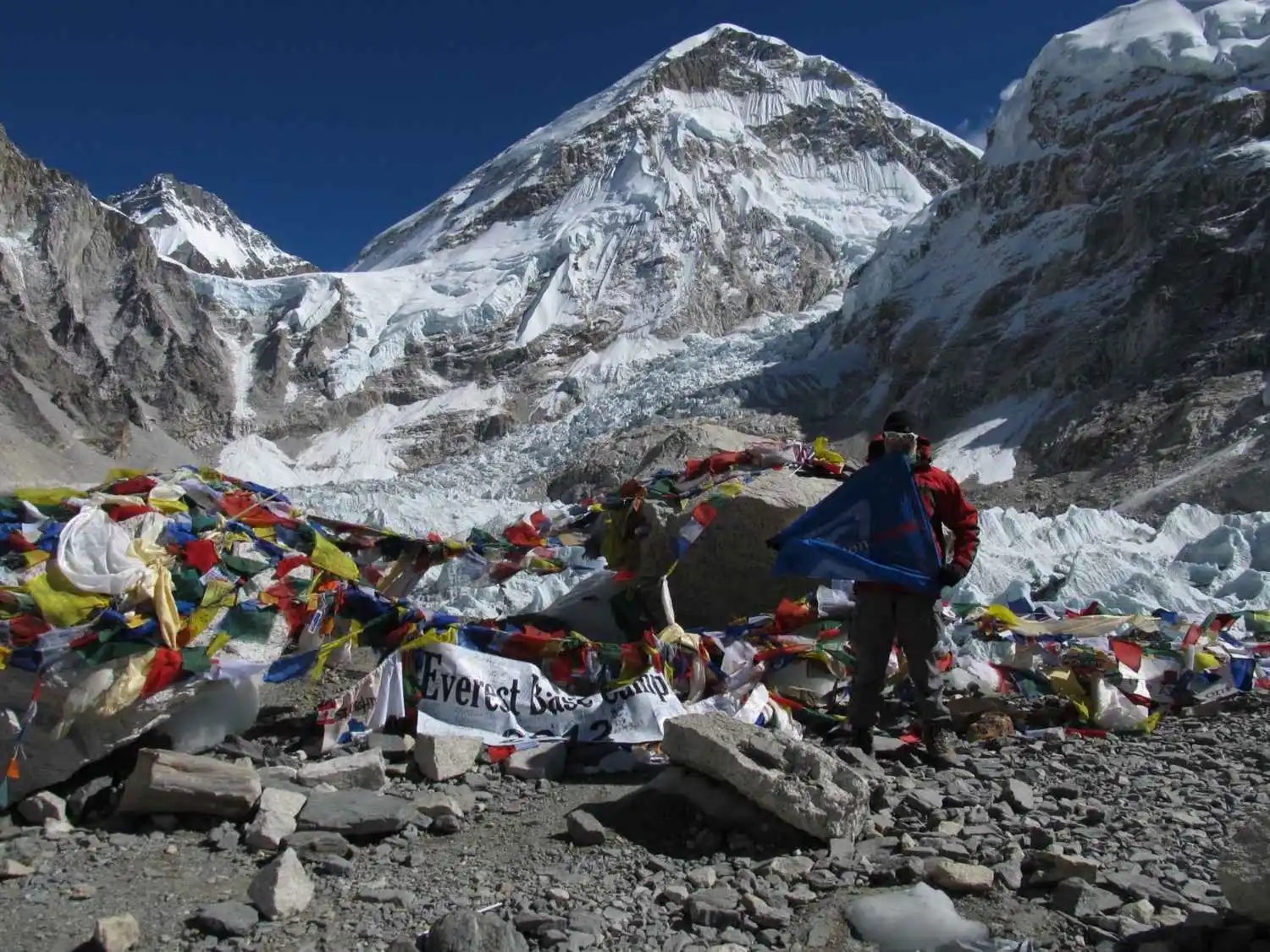
The trail brings you to the land of the ancient Sherpa community, where you can truly observe their way of life, the strong Buddhist influence, and their renowned hospitality. You will get a chance to visit old monasteries, turn prayer wheels, and see how people live in villages such as Namche Bazaar and Khumjung. The rainbow-colored prayer flags swinging in the wind and the intricately carved mani stones lining the trail are constant reminders of the spiritual significance of these mountains, and every step feels enriched with meaning.
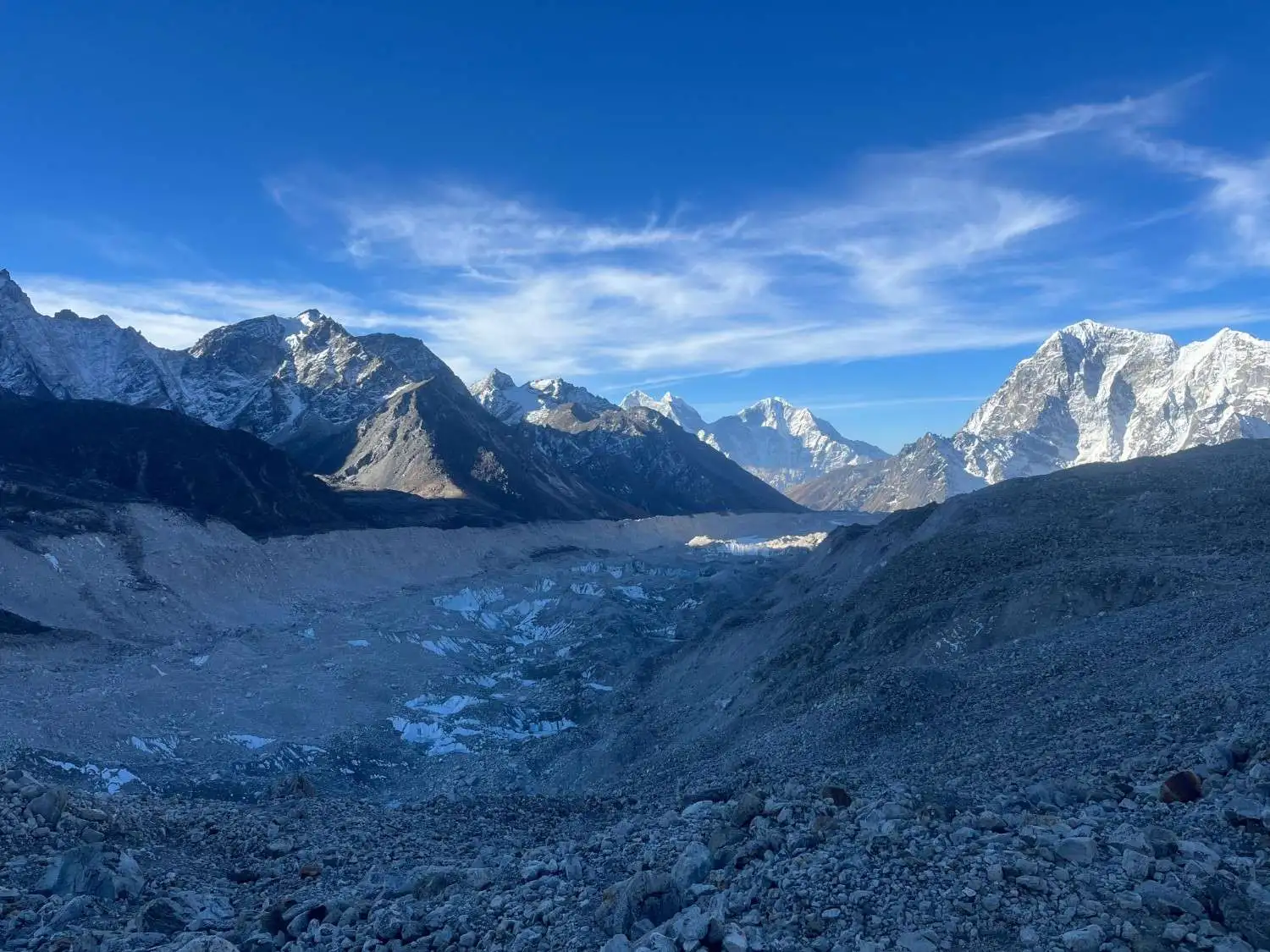
Beyond cultural interactions, the natural beauty of Sagarmatha National Park is truly breathtaking. The trail offers panoramic views of some of the highest and most beautiful peaks in the world. From strategic viewpoints, you will be able to see Everest, Lhotse, Nuptse, and the magnificent Ama Dablam, often referred to as the Matterhorn of the Himalayas.
The cool mountain air, the sound of the Dudh Koshi River, and the presence of native wildlife such as Himalayan tahr and musk deer make this an unforgettable experience. Nepal Outdoor Expeditions is here to make your trek a true summary of what the Himalayas are all about, in a nutshell.

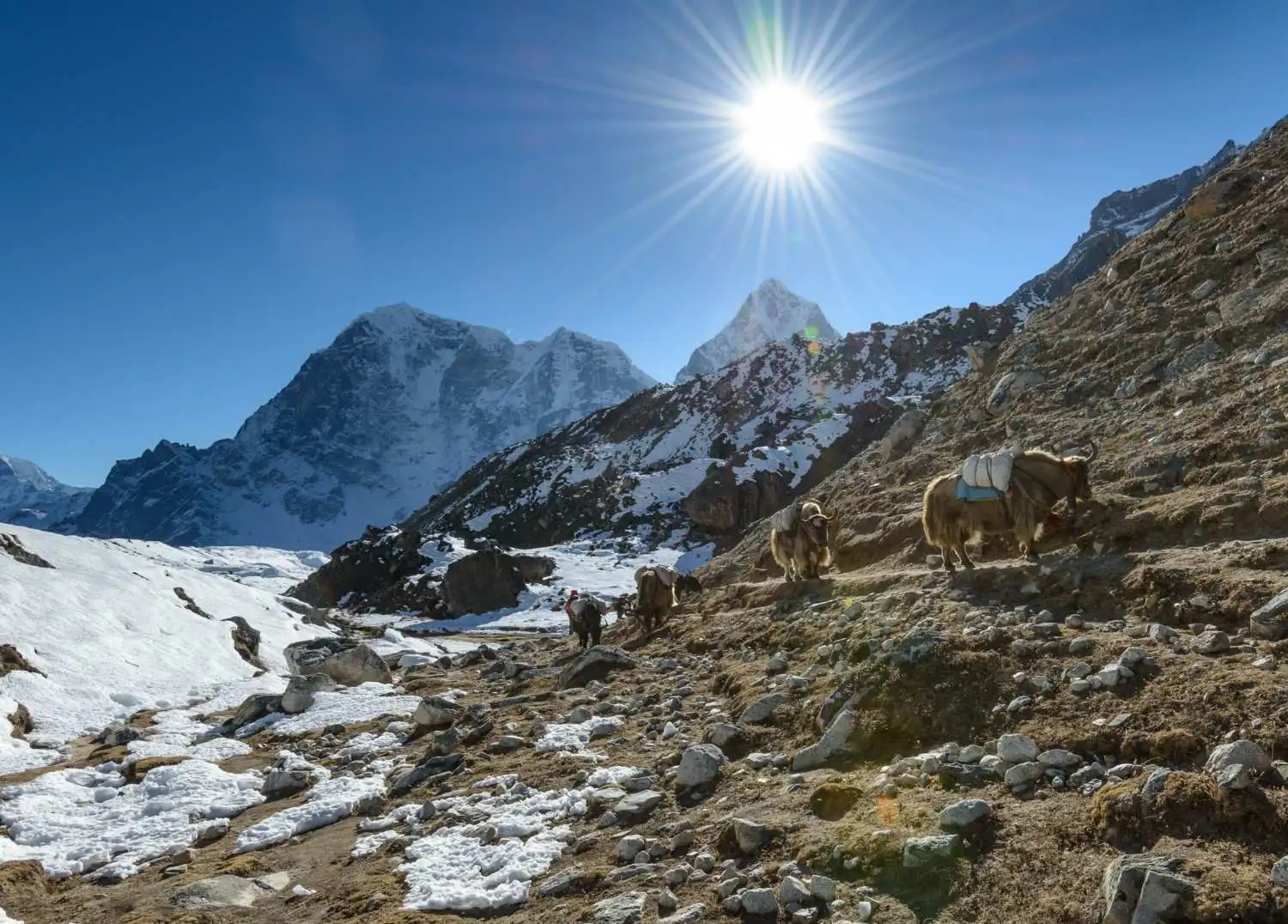
Travel insurance is the most important part of the organization of your Everest Panorama Trek. High-altitude trekking is unpredictable, and hence the need to be covered in case of medical emergencies such as altitude sickness, injuries, and illnesses, which could involve evacuation. Helicopter evacuations that are prevalent in the Himalayas may prove to be very expensive without insurance. Also, the travel insurance will cover the cancellation of family trips, delays, and lost or damaged baggage, so that you do not lose your money due to unexpected events.
The best policy to buy should include high-altitude trekking cover that covers a minimum of 5000 m high, as typical traveling insurance policies do not cover these activities. This will have you well covered against the special dangers of trekking in the Himalayas.
Sherpa people are renowned due to their hospitable nature, unmatched climbing skills, and Buddhist culture. Communicating with them is also a rare chance to get to know their lifestyle and their connection with the mountains.
One of the spiritual and cultural centers is Tengboche Monastery, which is located in the middle of the beautiful Himalayan landscape. It offers trekkers a peaceful environment to observe Buddhist practices and connect to the heritage of the area.
Sherpa people hold colorful festivals such as Mani Rimdu, which unite them during specific seasons. These are accompanied by masked dances, prayers and the traditional music, which can give a peek into the rich cultural practices of the area to the trekkers.
Village life is based on agricultural activities, commercial activities and socialization. The trekkers would be able to have the real-life experience of the Himalayan way of life and understand the nature of the simplicity and strength of the local way of life.
Buying handcrafted goods like woolen clothing, prayer flags, traditional jewelry, etc., is a source of valuable souvenirs as well as a way of giving back to the local economy.
A majority of the teahouses on the trek have electricity that is available in 220 V. This is, however, limited since in remote areas, access is usually limited to certain hours because of a short power supply.
Furthermore, there can be extra charges to charge the electronic devices such as cameras and phones. In order to prevent inconvenience, it is best to have a power bank or solar charger as an additional source.
The Wi-Fi is also offered in some teahouses, though not free. The speed of connection is very low compared to the one in the city world, and, therefore, trekkers must not have high expectations.
Ncell and Nepal Telecom SIM cards are usable in most of the treks, although the service is intermittent in some areas. The trekkers must expect the lack of communication facilities and take advantage of the possible disconnection and immersion into the beauty of nature of the Himalayas.
Nepal does not have many restrictions on the visa on arrival for most nationalities. There are facilities at Tribhuvan International Airport in Kathmandu where visitors can apply to be given a visa.
Nepal has a variety of visa periods that can be availed to suit various trip periods:
At the immigration office in Kathmandu or Pokhara, one can have extensions at extra charges in case the travelers have plans to extend their stay.
In order to have a smooth visa-on-arrival process, prepare the following:
If you are interested in a similar adventure in Nepal:
The Everest Panorama Trek is located in the lap of the Himalayas. It is accommodated in traditional teahouses that are small, family-run lodges that specifically serve trekkers. The teahouses are a sort of icon of trekking in Nepal, with a unique combination of cultural experience and simple comfort. These teahouses have rooms that are normally twin rooms, which implies that you will share the room with another individual.
Every room has basic furnishings; there will be a bed, mattress, pillow, and blanket. Though the rooms are not fancy, they are neat and well-kept, with a comfortable environment to sleep in after a day of hiking. The walls tend to be thin, and it is worthwhile to carry earplugs, which will ensure that a more peaceful sleep is obtained at night. The ease of these lodges is also what makes the trek even more interesting, as you have an opportunity to know about the local lifestyle.
The majority of teahouses on the way contain shared bathroom facilities, which are most commonly situated outside the rooms. These are simple types of bathrooms with squat or western toilets owing to the site. Facilities are perhaps a little better at lower altitudes, but as you get higher in altitude, the facilities are fewer and less, owing to the inaccessibility of the country. Some of the villages have available hot showers, though this is usually an extra charge to the users, since in these places heating of water needs extra resources such as gas or solar power. A large number of trekkers also avoid taking a shower on a daily basis, particularly when climbing higher areas, because they need to save on energy and resources. Although this is very basic, the teahouses are in good condition and offer a comfortable starting point to your trekking trip.
The communal eating place is one of the attractions of staying in the teahouses, and it becomes very active during evenings. These dining areas at elevations are usually warmed using a wood or yak-dung stove, providing a cozy and comfortable feel to the trekkers as they can sit down and tell stories, eat and rest. Although the facilities might not be that modern, the experience of a stay in teahouses is a part of the Everest Panorama Trek and gives one an insight into the culture and way of life in the Himalayan territory.
The meals at the Everest Panorama Trek are a vital component of the trip since they will give the trekkers the energy necessary to overcome the trails, as well as the experience of the local foods. You will have 3 meals per day, breakfast, lunch and dinner, at the teahouses you will stay or have a meal at on the road. The menus are quite varied with an assortment of Nepali, Asian and Western food to suit the diverse tastes.
Many trekkers choose a traditional Nepali meal, dal bhat, as one of their main meals, which is made of lentil soup, rice, and many kinds of vegetable curries. The meal is tasty, and it is very nutritious and satisfying, so it is adopted during the whole year by those who want to restore their energy after spending a long day trekking.
Besides local foods, teahouses also serve Western foods like pancakes, pasta, fried rice and omelettes and hence trekkers are guaranteed foods that they are used to and that make them feel comfortable. Breakfasts can be served with such dishes as porridge, toast, and eggs, lunch and dinner can be served with soups, noodles, and momos (Nepali dumplings).
Vegetarianism is very common, and it can be suggested sometimes because the meat in the area is brought in from the lowland, and it may not be fresh all the time. A number of trekkers prefer to adopt a vegetarian diet on the trek to prevent any stomach complications. Food is hygienically prepared in the teahouses, with much focus on cleanliness and safety, so you will not need to worry about it when taking your meals.
Eating in the teahouses is not only the possibility to have something to eat, but also a possibility to communicate with the other trekkers, to enjoy the hospitality of local people. Dining is also usually taken in the common dining room, where guests who come to visit the country have an opportunity to share their stories, strategize the following day’s trek and get to enjoy the home-like ambience. The dining areas in the higher altitudes are usually warmed and thus become a good place to rest after a day on the trail. Although the food can be less diverse as you rise higher in the mountain because of the logistical hurdle that goes with the delivery of food, the food is wholesome and satisfying. The delicious food, friendly folks and the magnificent mountain sceneries are what make the Everest Panorama Trek memorable in terms of the food consumed during the journey.
The Everest Panorama Trek, you must follow the safety and altitude management tips, as trekkers will enjoy the trip without their health and well-being being affected. Though the trek may be easy to moderate and does not have high-altitude extremes, it does entail high-altitude climbs that may face the issues of elevation. The trek will be well scheduled to handle these issues with safety precautions, a highly experienced guide, and emergency procedures. We will discuss the most important safety mechanisms and altitude control measures below.
The fact that an acclimatization day is added to the itinerary is one of the most significant safety precautions regarding the Everest Panorama Trek. The day is normally spent in Namche Bazaar, a lively Sherpa market that is at an elevation of about 3440 m (11,286 feet). This rest day is meant to enable the trekkers to get used to the thinner air in the higher altitudes to minimize the chances of getting altitude sickness. The acclimatization day allows the trekkers to tour the town, see the local attractions such as the Everest View Hotel or the Sherpa Museum, and do brief hikes to the points of view. These are exercises that enable the body to become accustomed to the altitude and reduce body strain.
Acclimatization is a very important process in altitude management as it provides the body an opportunity to synthesize additional red blood cells to transport oxygen more effectively. Failure to do so may raise the chances of experiencing Acute Mountain Sickness (AMS), which may lead to some symptoms such as headaches, nausea and fatigue. This is because of the fact that the inclusion of an acclimatization day helps in ensuring the fact that the trekkers are able to proceed with the journey safely and comfortably.
One of the best methods of being safe is to have a guide who is quite experienced to accompany you on the trek. The guides are also trained to watch the health and well-being of the trekkers and be keen on any signs of altitude sickness or other health conditions. They are conversant with AMS symptoms and would offer a recommendation on the process of managing mild symptoms, which includes maintaining hydration, taking moderate walks, and avoiding alcohol. In case the condition of a trekker deteriorates, the guide is able to make wise choices on whether to switch to a lower altitude or seek medical care.
Besides keeping an eye on the health conditions, the guides know the road network, weather conditions, and local culture, and they will be of invaluable use to guide you through the trek safely. They are able to raise or slow down the speed of the hike based on the fitness of the group and see that all the members keep up. This is because of their experience and leadership skills, which bring peace of mind to the trekkers to enable them to enjoy the journey.
Trekking groups also carry compulsory medical equipment such as an emergency oxygen cylinder and a first-aid kit in order to increase the safety level. An oxygen cylinder is an essential tool in the management of extreme instances of altitude sickness, as it can immediately rescue the trekkers who have difficulty breathing or any other severe symptoms. Although the Everest Panorama Trek has been modelled to reduce the risks associated with the elevation, the availability of emergency oxygen means that the trekkers will be ready to endure any emergencies.
The first-aid kit contains such products as adhesive bandages, antiseptic wipes, pain relievers, as well as medicine against common trekking ailments such as blisters, headaches, and stomach problems. Guides receive basic first aid training and are able to offer first aid care to minor injuries or illnesses. These precautions make sure that trekkers can be provided with medical assistance during the journey, even in distant places.
Emergency evacuation is provided in case of any serious medical emergency so as to secure the safety of the trekkers. The most prevalent means of transporting people to health centers in Kathmandu or other areas with lower altitudes is the helicopter evacuation. Although evacuations are not a first resort in most cases, they serve as an important safety measure for the trekkers who develop severe altitude sickness or other life-threatening diseases. Travel insurance, such as high-altitude trekking and emergency evacuations, should also be included because it is very costly.
An evacuation support increases the level of security and gives trekkers reassurance that they can access it in case of need. Guides and trekking firms have a good understanding of how to organize evacuation, and they would take immediate action to guarantee the safety of their clients.
To make the Everest Panorama Trek a safe, enjoyable and stress-free experience, it is a critical component to have a well-educated and experienced guide and porter. Guides and porters not only help with orientation and logistics but also offer useful information on the local culture, history and environment. We shall discuss the conditions, services and the advantages of having a guide and a porter with you as you trek below.
Everest Panorama Trek guides are well-trained professionals, and they are certified by the Nepal Mountaineering Association (NMA). This certification is a sign of their knowledge in trekking and mountaineering since it is under strong training and testing to deliver the best standards of safety and professionalism. Besides their NMA accreditation, these guides have also attained a bachelor’s degree, which adds more knowledge to them as well as the skills of interacting appropriately with trekkers with varied backgrounds.
The guides are also trained in first aid and have emergency response certification to make sure that the safety and well-being of trekkers are assured. Such training enables them to deal with the most common health problems associated with trekking, including altitude sickness, minor injuries, and exhaustion. The fact that they can help you in the event of an emergency situation is an added bonus to your trekking experience, as these people can be reached anytime.
Besides having the necessary technical qualifications, one must have a strong understanding of the Everest region, its trails, weather conditions, and cultural sites. They are conversant with English and can speak other languages, thus making communication with the trekkers easier and making the region known to them. Their familiarity with the area and their amiable personas make them the best people to accompany you on the hike, as they will tell you some interesting stories, show you some secrets, and provide you with a learning experience that is more culturally rich.
The main work of the guide is to make the group reach the trekking path safely and make sure that all of them are comfortable and informed. They also have to lay out the daily schedule, determine the speed of the trek and make changes depending on the fitness of the group and weather. Guides take care of all the logistical details of the trek, including accommodation, food, and permits, leaving you with only the task of enjoying the trek.
Besides logistical roles, guides serve as cultural ambassadors who expose the trekkers to the cultures, customs, and history of the Everest region. They would be able to tell you about the meaning of sights such as Tengboche Monastery and tell you a little about the Sherpa culture, and even teach you some Nepali phrases. Their presence adds to the trekking experience in general, and the experience becomes more than a journey in itself.
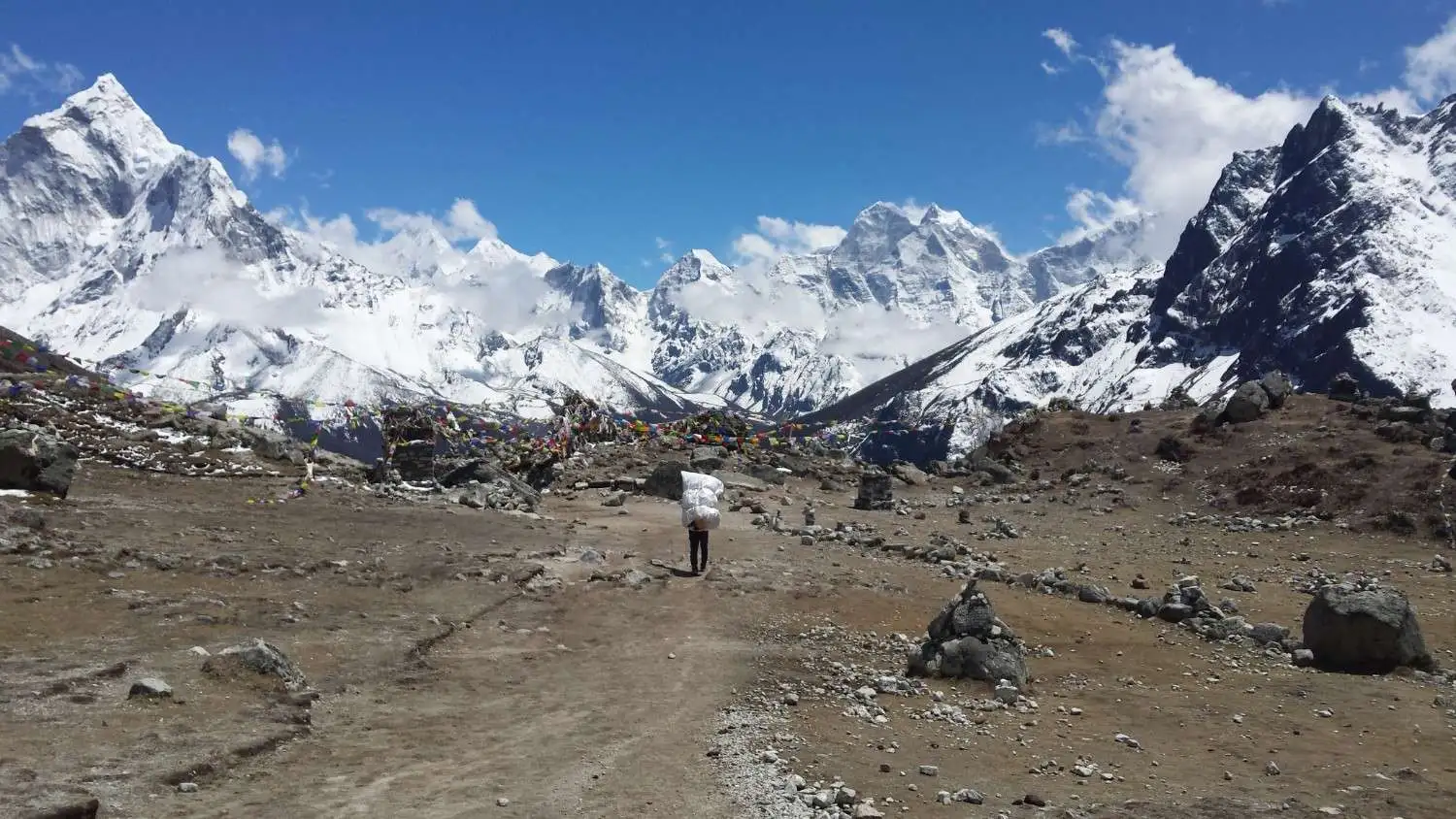
Porters are important to help you make the trek more manageable and enjoyable since they help to carry most of your luggage. This will enable you to walk with a light daypack and save physical stress, and be able to enjoy the amazing view and the cultural experience. The porters are extremely powerful and used to difficult conditions in the Himalayas and frequently have a load of up to 20-25 kilograms (44-55 pounds).
Although their main work is to bring your stuff there, porters are also friendly and approachable, and they tend to smile and tell stories on their way. A lot of porters have the dream of becoming guides soon, and they are now acquiring experience and training. It is good to treat them with respect and gratitude because their efforts and effort are the major reason why your trek will succeed.
Acute Mountain Sickness or Altitude Sickness is a frequent illness in trekking within the Everest region since it is characterized by a rapid elevation ascent. Precautions and appropriate awareness are necessary even in moderate treks such as the Everest Panorama Trek to make the experience enjoyable and safe.
In the case of the Everest Panorama Trek, where the symptoms of altitude sickness appear, the treatment would best be achieved by moving to a lower altitude. A little drop of several hundred meters will help relieve the nagging headaches, nausea, lightheadedness and even shortness of breath. Certain trekkers can also take some acetazolamide (Diamox) to assist the body to acclimatize more effectively; however, these should not be used without a doctor. There is the availability of oxygen supplementation with guides to provide temporary relief, although it does not substitute for the proper acclimatization.
To make the Everest Panorama Trek a successful and comfortable experience, it is important to pack the right gear. The hike takes you through diverse altitudes and weather conditions, so you must be prepared for warm sunny days as well as cold, windy nights. Here is a step-by-step guide to the essential items you will need on the trek, along with some optional items that can enhance your experience.
Everest is a region where weather conditions can change drastically during the day, which is why layered clothing is essential. Layering allows you to adjust your clothing based on the weather and the level of physical activity. Start with a base layer that wicks moisture away from your body to keep your skin dry. Add an insulating middle layer, such as a fleece or down jacket, to retain warmth. Finally, pack an outer layer that is waterproof and windproof to protect you from rain, snow, or strong winds. This system ensures comfort whether you are hiking under the sun or facing cold mountain air.
For the lower body, carry lightweight, quick-drying trekking pants. Convertible pants that turn into shorts during warmer conditions are especially practical. Cold evenings and higher altitudes also require thermal leggings or base layers. Do not forget to pack a warm hat, gloves, and a buff or scarf to protect your face and neck from cold and wind.
A warm jacket is one of the most essential items for the Everest Panorama Trek, especially during early mornings and evenings when temperatures can drop significantly. A down or synthetic insulated jacket is ideal, as it provides excellent warmth without adding too much weight. Make sure it is compact enough to fit easily into your daypack when temperatures rise during the day.
In addition to a warm jacket, you will need waterproof protection to shield yourself from rain and snow. A reliable rain jacket and waterproof trekking pants will help keep you dry and comfortable during sudden weather changes. Choose gear that is lightweight, breathable, and easy to pack, as keeping your load light is important while still being prepared for unpredictable conditions.
Footwear is one of the most important aspects of the trek, as you will be walking for several hours each day on uneven terrain. Invest in a good pair of sturdy, well-fitted trekking boots with strong ankle support and durable soles. It is essential to break in your boots before the trek to avoid blisters and foot pain. Waterproof boots are highly recommended, as trails can be wet or muddy.
Pair your boots with high-quality trekking socks made from moisture-wicking materials such as merino wool. These socks help keep your feet dry and reduce the risk of blisters. Pack at least three to four pairs of socks so you can change into a fresh pair daily. It is also advisable to bring lightweight camp shoes or sandals for the evenings, allowing your feet to relax and breathe after a long day of walking.
Personal hygiene remains important even in remote mountain areas. Carry a small toiletry kit with essentials such as a toothbrush, toothpaste, biodegradable soap, and a quick-drying towel. Wet wipes and hand sanitizer are useful where water access is limited. Women should carry necessary feminine hygiene products, as they may not be easily available along the trail.
The sun can be quite strong at higher altitudes, so pack UV-protective sunglasses and a high-SPF sunscreen. A wide-brimmed hat or cap is also useful for protecting your face from direct sunlight. Lip balm with SPF is essential to prevent chapped lips caused by the dry mountain air.
A basic first-aid kit is essential for any trek. Include items such as adhesive bandages, blister pads, antiseptic wipes, pain relievers, and any personal medications you may need. Medication for altitude sickness, such as Diamox, may also be included, but only after consulting your doctor. Even a small roll of duct tape can be surprisingly useful for quick fixes, whether for gear or foot care.
Staying hydrated at high altitude is crucial, so bring a reusable water bottle or hydration bladder. Many trekkers also carry water purification tablets or a portable water filter to ensure access to safe drinking water throughout the trek. Avoid using single-use plastic bottles, as they contribute to environmental waste in the region.
While the essentials cover your basic needs, several optional items can improve comfort and enjoyment:
The Everest Panorama Trek is a moderate and relatively easy trek, though it does demand a certain level of physical and mental preparation to make the experience safe and enjoyable. Although it is suitable for novices and first-time trekkers, the daily walking hours, changes in altitude, and shifting weather conditions require endurance, strength, and mental stability.
While the Everest Panorama Trek is not as demanding as other treks in the Everest region, a basic level of physical fitness is required. Trekkers typically spend between 4 and 6 hours on the trail each day, involving gradual ascents, descents, and some rough terrain.
Although the trek is not highly technical or extremely strenuous, it cannot be completed comfortably without sufficient stamina and the ability to sustain several days of moderate physical activity. If you can walk for several hours at a steady pace without excessive fatigue, you are likely fit enough for this trek. Keep in mind that as altitude increases, even simple activities may feel more challenging, so being moderately fit will help your body adapt more easily.
For individuals who are not accustomed to regular physical exercise, it is advisable to begin training at least 6 to 8 weeks prior to the trek. This preparation will help you enjoy the journey more fully while reducing the risk of injury or exhaustion by building a solid fitness foundation.
Regular walking or hiking is one of the best ways to prepare for the Everest Panorama Trek. Training on uneven surfaces, hilly trails, or stairs is particularly helpful, as it closely simulates trekking conditions. The goal is to gradually increase both distance and duration. Start with shorter walks and slowly progress to longer hikes. Weekend training on hills or mountainous terrain is especially beneficial for building endurance and familiarizing yourself with the landscape you will encounter.
In addition to walking and hiking, cardiovascular exercises such as jogging, cycling, swimming, or brisk walking are recommended to improve overall fitness. Cardio training helps your body cope with the physical demands of trekking at higher altitudes where oxygen levels are lower. Aim for 3 to 4 cardio sessions per week, each lasting 30 to 60 minutes. This will strengthen your heart and lungs and make it easier to manage physical exertion during the trek.
While endurance is crucial, strength training is also beneficial when preparing for the Everest Panorama Trek. Trekking places significant strain on the legs, so conditioning them through exercises such as squats, lunges, step-ups, and calf raises is recommended. These workouts target the muscles most used during trekking and help improve stability while reducing the risk of muscle fatigue or injury.
Core strength is equally important, as it supports balance and stability on uneven trails. Exercises such as planks, sit-ups, and Russian twists can be incorporated into your routine to strengthen the core. A strong core also helps maintain proper posture while carrying a daypack, reducing strain on the shoulders and back. An intensive strength program is not necessary, as even 2 to 3 light or moderate sessions per week can noticeably improve trekking performance.
Physical fitness alone is not enough when trekking in the Himalayas; mental preparation also plays a vital role. Weather conditions in the Everest region can be unpredictable, with sudden changes in temperature, wind, and visibility. You may experience warm and sunny days followed by freezing temperatures at night, especially at higher elevations.
Being mentally prepared to accept these fluctuations helps maintain composure and adaptability during challenging moments. Packing appropriate clothing, including warm layers and waterproof gear, also builds confidence and ensures readiness for sudden weather changes.
Altitude is another important factor to consider. Although the Everest Panorama Trek avoids extreme high-altitude zones, you will still reach elevations of up to 3,860 m (12,664 feet) at Tengboche. At this height, thinner air can cause mild altitude-related symptoms such as shortness of breath, fatigue, or headaches. Managing these challenges requires mental resilience.
A gradual ascent and acclimatization stops, particularly in Namche Bazaar, are safety measures designed to minimize altitude risks. However, trekkers should always pay attention to their physical condition and communicate any health concerns to their guide.

Tenzing Sherpa
Have questions? Our travel specialists are here to help plan your perfect adventure.
Chat on WhatsAppThere's something about that first morning in Kathmandu, bags packed, boots laced, knowing you're about to board a tiny plane headed straight for the mountains. The 40-minute flight to Lukla is one of those experiences you simply don't forget. You'll fly over deep river valleys, terraced hillsides, and eventually the raw, rocky terrain of the high Himalayas before touching down at one of the world's most talked-about mountain airstrips. Once you've landed and taken a moment to breathe in that crisp mountain air, the walking begins. The trail drops about 200 meters down to the Thado Koshi River, where you'll cross a suspension bridge and make your way into the peaceful Buddhist village of Ghat. Keep your eyes open along the way as Kusum Kanguru shows itself above the ridgeline. A short walk beyond Ghat, and you'll reach Phakding, where a warm teahouse meal and a good night's rest are well earned. Note: During peak trekking months like March, April, May, September, October, and November, the Kathmandu to Lukla flight may be rerouted via Manthali.
Today is the kind of day that stays with you. The trail north along the Dudh Koshi River is full of character, swinging bridges, small Sherpa settlements, and the constant sound of rushing water below. You'll cross several suspension bridges including the well-known Hillary Bridge, and there's a good chance you'll stop mid-crossing just to take it all in. The village of Monjo marks the entrance to Sagarmatha National Park, so have your permits ready at the checkpoint. The trail winds down to Jorsale for a short rest at the riverbed before the real climb begins. The final push up to Namche Bazaar is steep and honest, but the moment the town comes into view, clinging to the hillside in a natural amphitheater, you'll understand why people call it the gateway to Everest. And if the sky is clear, you might just catch your first glimpse of Everest itself peering over the ridge.
Leaving the buzz of Namche behind, today's trail takes you into a quieter, less-traveled corner of the Khumbu. The path climbs gently through forests of rhododendron and juniper, and on a clear morning, the views of Everest, Lhotse, Nuptse, Ama Dablam, and Thamserku are the kind that make you stop walking just to stare. You'll follow the Bhote Koshi River upstream, passing through Phurte, where a centuries-old mud-plastered stupa stands as a quiet reminder of how long people have called these mountains home. After a rest at Tesho, the trail leads up to Thame Village, a place that feels genuinely untouched. Life here moves at its own pace, shaped by Sherpa traditions that go back generations. Before calling it a day, take some time to visit Thame Gompa, a 350-year-old monastery perched above the valley that hosts the vibrant Mani Rimdu festival each year.
Today's walk brings you to Khumjung, the largest village tucked inside the Khumbu Valley. The route from Thame is a scenic one, passing through small mountain settlements with the Himalayan peaks keeping you company the whole way. After roughly five hours on the trail, you'll arrive at Khumjung, settled comfortably at the base of the sacred Mt. Khumbilla. The village has a few surprises worth exploring. The local monastery reportedly holds a Yeti scalp, which has fascinated visitors and researchers alike for decades. Then there's the Khumjung Edmund Hillary School, built in 1961 by the legendary Sir Edmund Hillary himself. Walking through its grounds, knowing the story behind it, is quietly moving. The Sherpa museum nearby adds more context to the rich culture of this valley. It's a shorter trekking day, but there's plenty to keep you curious once you arrive.
If you've been waiting for a day that feels truly spiritual, this is it. The trail descends from Khumjung toward the Dudh Koshi River, and the mountain views today, Everest, Lhotse, Nuptse, and Ama Dablam framing the horizon, are as good as they get on this route. Through forests of rhododendron and pine, the path crosses a suspension bridge over the river before climbing the rocky trail into Tengboche. The moment you arrive and see the monastery sitting against that mountain backdrop, it's clear why this place holds such significance for the Sherpa community. Tengboche Monastery, the largest in the Khumbu Valley, was founded by Lama Gulu back in 1916. Stepping inside in the late afternoon, with the light fading and the mountains glowing behind it, is one of those rare travel moments.
You'll want to be up early this morning. The views of Everest, Nuptse, Lhotse, and Ama Dablam from Tengboche at sunrise are the kind of thing you'll talk about for years. With that send-off, the trail heads back toward Namche on a gentler, mostly descending path. The first stop is Phunki Thenga, a small village sitting beside a river, a lovely spot to catch your breath. From there, the trail weaves through pine and rhododendron forest, passing Sansa Village before picking up alongside the Dudh Koshi River again. There's one last climb before Namche, but it's manageable, and stepping back into the energy of the Sherpa capital after a few days in the quieter hills always feels like a welcome return.
The final day of walking has a bittersweet quality to it. You've covered a lot of ground on this trek and as the trail descends back toward Lukla, you'll find yourself taking it a little slower, not because it's hard, but because you're not quite ready for it to end. After breakfast, the path drops down to the Dudh Koshi River and moves through familiar ground: Jorsale, Monjo, and Phakding. The suspension bridges, the river sounds, the teahouse signs, all of it feels different when you know you're on the way out. After passing through Dudhkoshi Ghat and Chaurikharka Village, the trail delivers you back to Lukla where this adventure first began. A proper dinner with your team, and maybe a toast to the mountains, feels just right.
And just like that, it's the last morning. After breakfast, you'll board the flight back to Kathmandu and watch the Himalayas slowly give way to green hills, river valleys, and eventually the sprawl of the city below. It's a short flight, but a full one. Our representative will be waiting at Tribhuvan International Airport to drive you back to your hotel. The rest of the day is yours. Whether you want to wander through the old streets of Thamel, pick up a few last-minute souvenirs, or simply sit somewhere quiet and let the whole experience settle, there's no wrong way to spend it.
See what past travelers are saying about their experience with Nepal Outdoor Expeditions.
Because your next adventure is impatiently waiting for you.
Last Minute Note: Grab incredible deals on the last minute departure / Book spontaneous trips to hip destinations with limited-time offers and discounted price
Not sure of your dates yet? Hold a departure with a 20% deposit. Cancel more than 60 days out and your deposit is refunded in full. Your first date change is free. If a departure doesn't reach minimum numbers, we'll offer you the nearest alternative date or a full refund, and we'll let you know at least 30 days out.
Before you think of or actually plan any adventurous or relaxing tours, travels, or treks with Nepal Outdoor Expeditions.
If you cancel more than 60 days before departure, we refund your deposit in full. Between 30 and 60 days, the 20% deposit is retained. Inside 30 days the trip cost is non-refundable, since by then we've already paid for your permits, flights, and teahouse bookings. Full detail on our booking page.
20% to reserve your place, with the balance due 60 days before departure. On this trek that's $205 to book and $820 two months before you fly. If you're booking within 7 days of departure, the full amount is due at booking.
Yes, as long as you let us know at least 30 days before your original departure date, your first change is free. Any change after that, or a change requested inside 30 days, is $200 per person.
Everest Panorama Trek