Offering group discounts!
Reserve with a 20% deposit. The balance isn't due until 60 days before departure, and cancellations more than 60 days out get a full deposit refund. How booking works →
 Region
Manaslu Region
Region
Manaslu Region
 Duration
12 Days
Duration
12 Days
 Difficulty
Challenging
Difficulty
Challenging
 Max. Altitude
5106 m
Max. Altitude
5106 m
 Prime Activity
Trekking In Nepal
Prime Activity
Trekking In Nepal
 Season
(March-May) (September-November)
Season
(March-May) (September-November)
 Group Size
1-12 people
Group Size
1-12 people
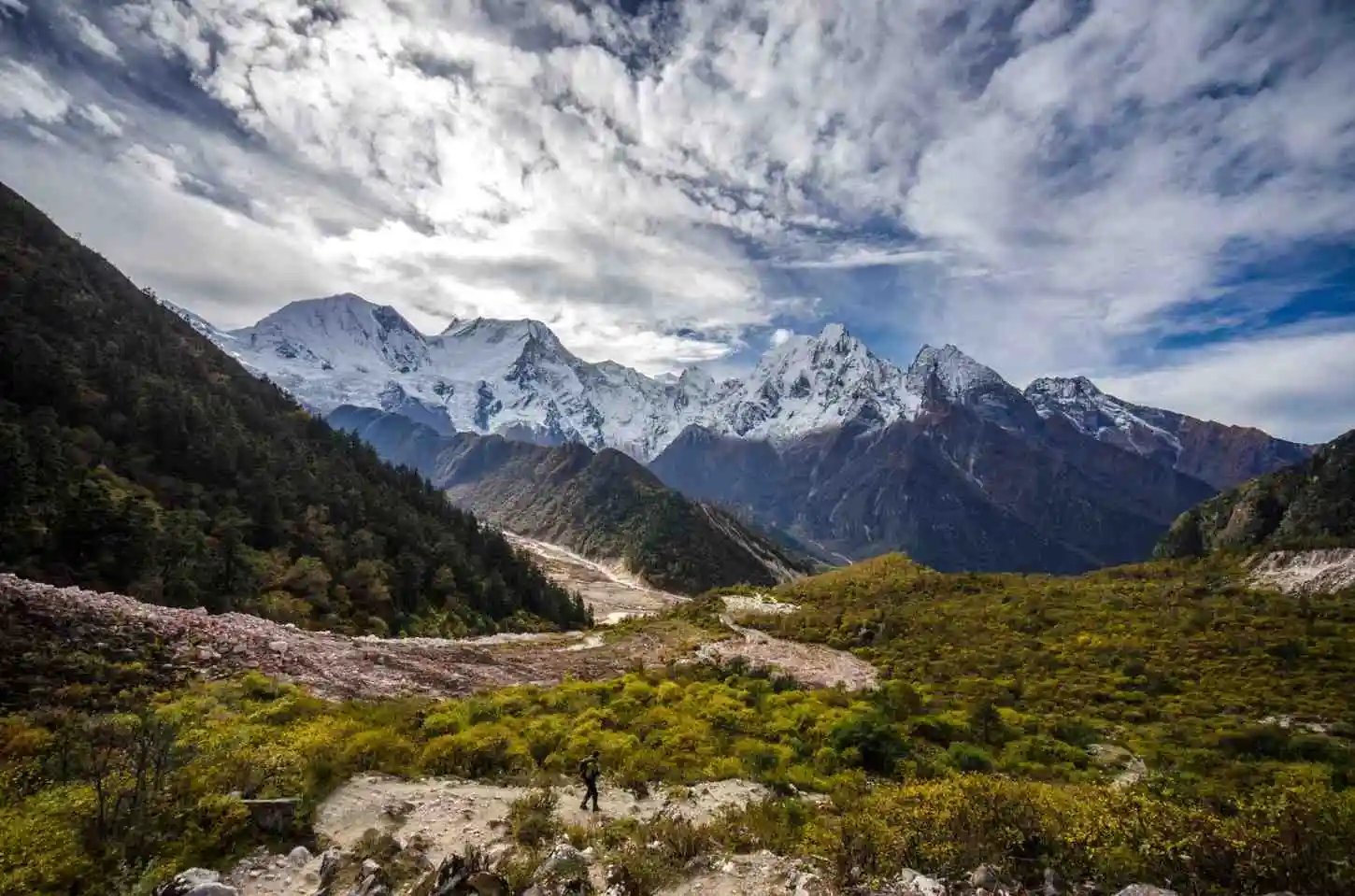
One of the most beautiful things about the Manaslu Circuit is how gently it introduces itself to you. The journey begins at a comfortable altitude, where the sound of rushing rivers follows you along stone trails, terraced hillsides, and small mountain villages. With each passing day, the landscape slowly transforms. The forests become thinner, the valleys grow wider, and the trail gradually leads you into peaceful alpine environments where the mountains feel closer and life feels calmer.
The colours shift from deep greens to soft greys and finally to bright snow-covered peaks. This transformation does not happen overnight; it unfolds naturally throughout the trek, making every stage feel unique. By the time you reach the higher sections, the crisp mountain air, quiet surroundings, and breathtaking Himalayan views remind you that the Manaslu Circuit is not just about reaching a destination—it is about experiencing every moment of the journey.
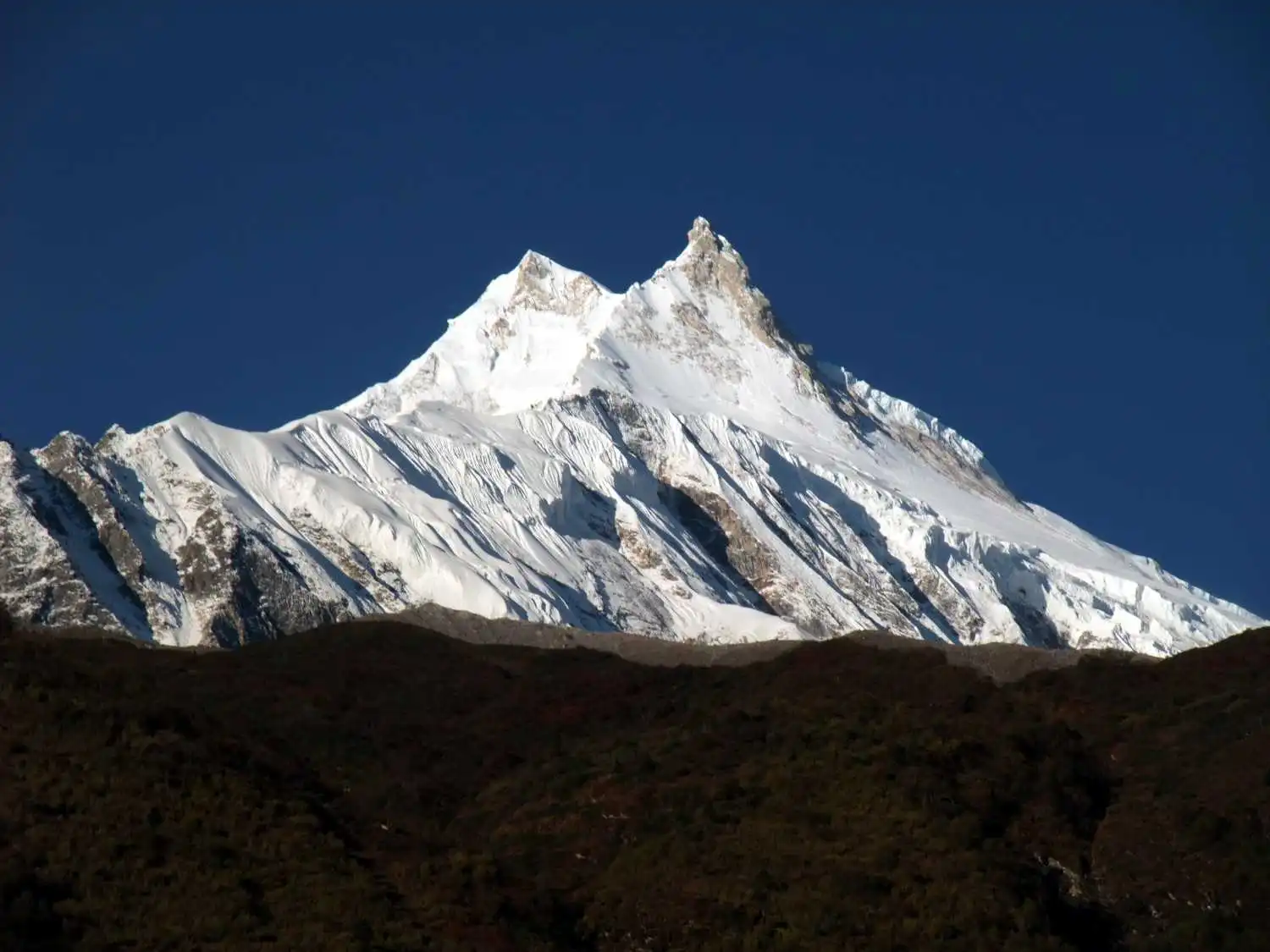
Another major highlight of the trek is the constant presence of Mount Manaslu. Sometimes it appears distant and mysterious, while at other times it rises dramatically above the trail. This towering peak becomes a defining part of the journey, guiding trekkers through the changing landscapes and adding a sense of grandeur to every step.
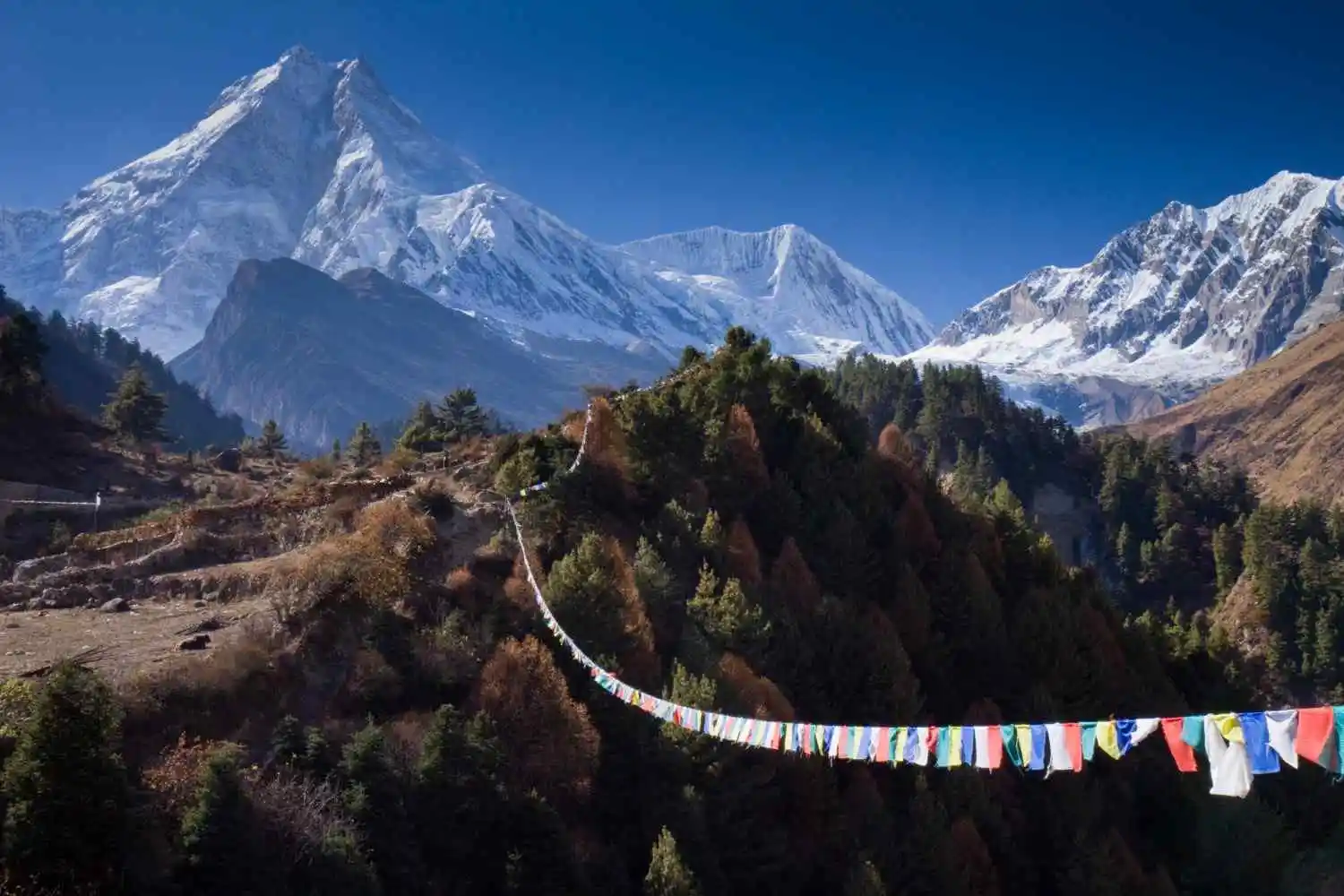
Cultural immersion is one of the most rewarding parts of the Manaslu Circuit. The trail passes through Tibetan-influenced villages where daily life remains closely connected to monasteries, prayer flags, and traditional customs. Villages like Samagaon and Samdo are not just stops along the route—they are living communities where trekkers experience authentic Himalayan lifestyles through shared teahouse meals, peaceful evenings, and warm interactions with local families.
Crossing Larkya La Pass is the physical and emotional highlight of the trek. Standing at 5,106 metres, the pass offers incredible views of glaciers, frozen landscapes, and surrounding Himalayan peaks. The climb is challenging, but reaching the top creates a deep sense of accomplishment. It feels less like a victory and more like a quiet moment of appreciation for the journey, effort, and landscapes that brought you there.
The sense of remoteness is another unforgettable part of the Manaslu Circuit. As a restricted trekking region, the trail receives fewer visitors compared to the popular Annapurna and Everest regions. The quieter trails, peaceful teahouses, and untouched surroundings allow trekkers to enjoy the mountains at their own pace. You become more connected with the sounds of nature, your surroundings, and the simple rhythm of walking through the Himalayas.
Finally, the pace of the Manaslu Circuit is what makes the experience truly special. The carefully planned acclimatization days encourage slow and steady progress, allowing you to appreciate the landscapes, cultures, and small moments along the way. This trek is not about rushing from one place to another—it is about taking the time to experience the mountains deeply. By the end, it feels less like a trek you completed and more like a journey you became part of.
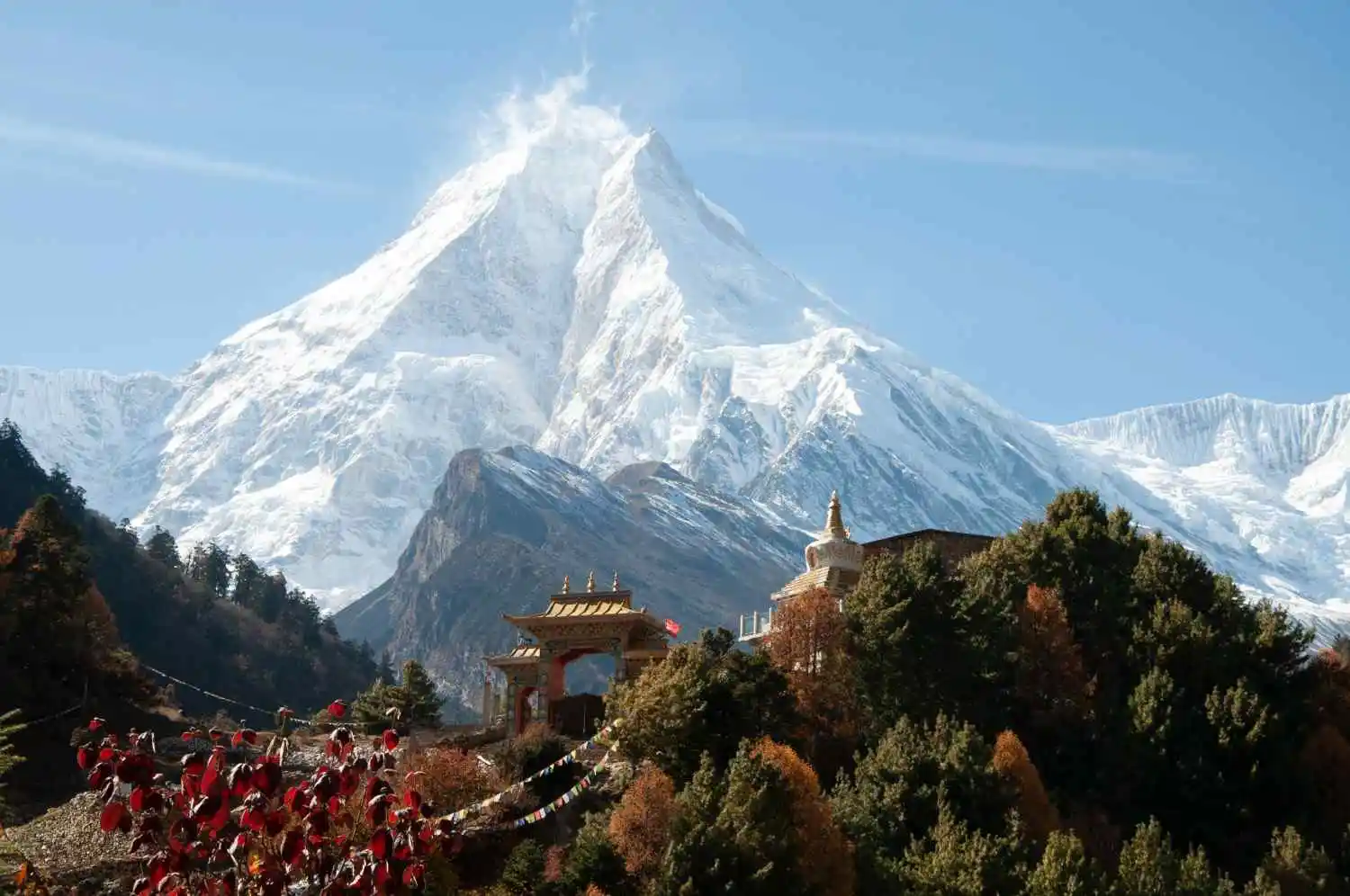
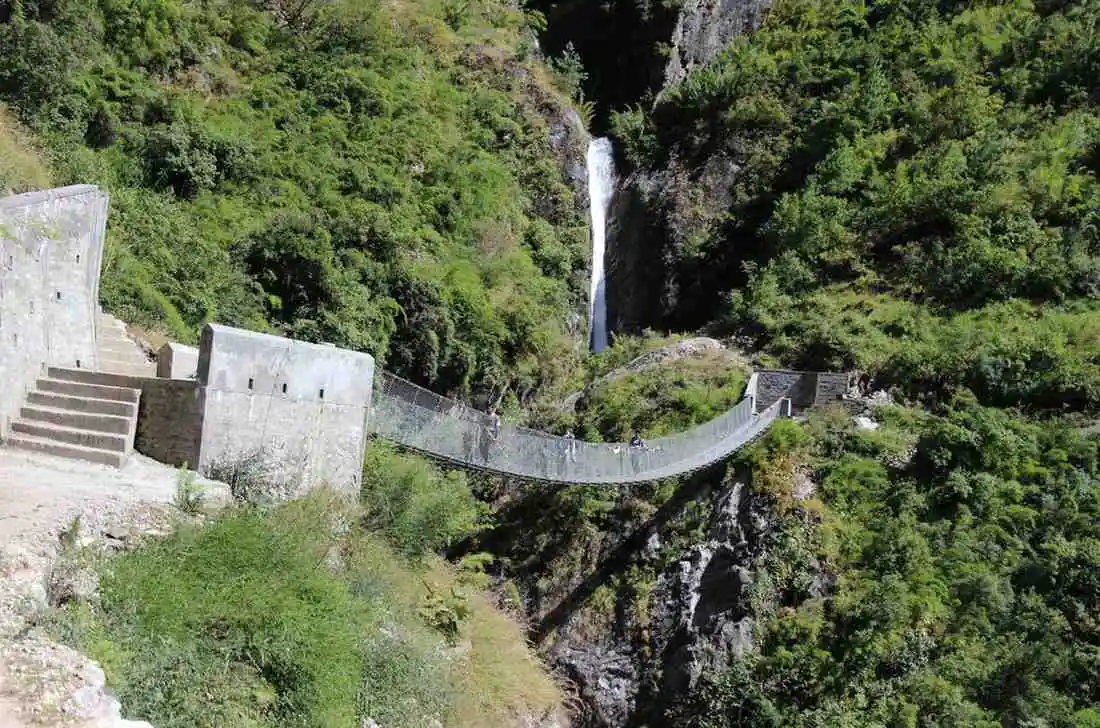
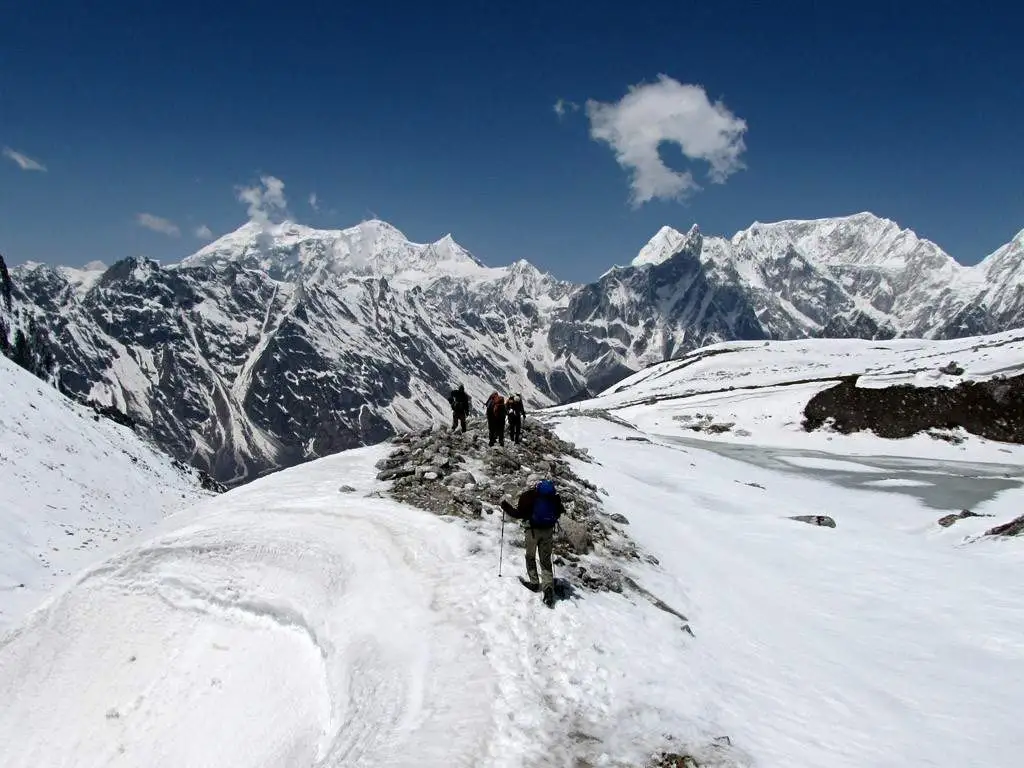
The Manaslu Circuit Trek falls under the moderate to challenging category. It is not a trek for complete beginners, but you don’t need mountaineering experience either. If you can walk 5 to 7 hours a day on uneven ground and you’re reasonably fit, you can do this trek with the right preparation.
What makes it moderate:
The daily walking is steady rather than extreme. Most days you’ll walk for 5 to 8 hours through forest trails, along river valleys, and past small villages. There are ups and downs every day, but nothing technical is involved. Good trekking boots and a decent fitness base are enough to get through most of the route comfortably.
What makes it challenging:
Three things push the difficulty up a notch:
Travel insurance is not just recommended for the Manaslu Circuit Trek; it is essential. The trail reaches remote areas of the Himalayas where medical facilities are limited. If a serious illness, injury, or altitude-related issue occurs, evacuation may be the only safe option. Having proper insurance ensures you can receive timely support without worrying about unexpected rescue costs.
The Manaslu region combines high altitude, long trekking days, and unpredictable mountain weather. In some sections, the nearest health post can be several hours or even a full day away. Travel insurance helps cover risks such as:
Make sure your travel insurance includes:
Several international providers offer trekking-specific insurance coverage, while local Nepali companies also provide suitable policies for Himalayan adventures.
Good insurance allows you to focus on the mountain views, villages, and cultural experiences instead of worrying about possible emergencies. Knowing that medical care and evacuation support are covered provides confidence for both trekkers and their families back home.
Before starting the Manaslu Circuit Trek, foreign travelers must obtain a Nepal tourist visa. For most nationalities, Nepal offers a visa-on-arrival facility, making the entry process simple and convenient.
Most trekkers receive their visa at Tribhuvan International Airport in Kathmandu after arrival. Visa forms can be completed at airport kiosks or submitted online before traveling to save time. Some nationalities may need to apply through a Nepalese embassy in advance, so checking the latest immigration requirements before departure is recommended.
Nepal provides different tourist visa options based on the duration of stay. The fees remain the same whether you apply on arrival or through a Nepalese embassy.
Payment can usually be made in foreign currency or by card, depending on the available facilities. Your passport must remain valid for at least six months beyond your arrival date.
Travelers can extend their Nepal tourist visa through the Department of Immigration offices in Kathmandu or Pokhara. Visa extensions may be required if you:
The extension process requires proper documentation and an additional fee based on the extension period. For the latest updates, travelers should check the official Nepal Immigration website before applying.
The Manaslu Circuit is a restricted trekking area with special regulations designed to protect the environment, culture, and local communities. All trekkers must obtain the required permits before entering the region.
The Manaslu Restricted Area Permit (MRAP) is the main permit required for the trek.
Purpose: The permit helps regulate tourism, protect the fragile Himalayan environment, and maintain safety in the restricted region.
Validity: The permit is issued according to your trekking dates and itinerary.
Checkpoint Inspections: Authorities check permits at several points along the trail, so trekkers must carry their original documents throughout the journey.
The MRAP must be arranged through a registered trekking agency, and hiring a licensed guide is mandatory because independent trekking is not allowed in the Manaslu restricted area.
Trekkers may also require Manaslu Conservation Area Project (MCAP) and Annapurna Conservation Area Project (ACAP) permits depending on the trekking route.
Purpose: These permits support the conservation of wildlife, forests, and cultural heritage in the region.
Flexibility: Most trekking agencies arrange these permits together with the MRAP, allowing trekkers to focus on the adventure rather than paperwork.
Looking for more Himalayan adventures? You might also enjoy:
Spending the night on the Manaslu Circuit is an experience in itself, offering a genuine glimpse into traditional rural mountain life. Unlike more commercial trekking destinations such as Everest or Annapurna, accommodation here is simple and functional, focusing on warmth and rest rather than luxury. The primary form of accommodation along the trail is teahouses, locally known as lodges, which vary depending on the village, altitude, and accessibility.
Teahouses along the Manaslu Circuit provide basic accommodation with wooden beds, blankets, and shared bathrooms. Some lower villages offer attached bathrooms and hot showers. However, as altitude increases, especially around villages like Samagaon and Samdo, facilities become more basic.
Some lodges have limited running water and rely on solar power or small generators. Despite these limitations, local hospitality makes the experience special. Trekkers are welcomed with warm tea, simple meals, and a strong sense of community among guests and hosts.
Most teahouses serve Nepali and Tibetan dishes, including dal bhat (rice and lentils), noodles, soups, and occasional Western-style meals like pasta and omelets. When traveling with a trekking package, meals are usually included. Independent trekkers pay separately for meals and should carry snacks or energy bars for remote sections of the trail.
Hot water, drinks, and basic hygiene items are generally available but may come with additional charges. Showers can also cost extra in some locations. Dining in warm communal rooms creates a memorable experience, allowing trekkers to relax after long walking days and connect with local culture.
Above 3,500 metres, accommodation becomes increasingly basic, and cold nights can be challenging. Rooms often have thin walls, minimal heating, and limited facilities. Trekkers should carry a warm sleeping bag, thermal layers, and use extra blankets when needed.
Teahouses in higher locations such as Samdo, Dharmasala, and Bhimtang mainly provide shelter and food, prioritising safety and basic comfort over luxury.
Despite their simplicity, teahouse stays are one of the most memorable parts of the Manaslu Circuit Trek. They allow trekkers to interact with local communities, experience Tibetan-influenced architecture, and spend nights in peaceful mountain villages surrounded by prayer flags and Himalayan landscapes.
The limited amenities encourage travelers to disconnect from modern distractions and focus on the journey. Many trekkers find that the authenticity, charm, and human connection of teahouse life are more rewarding than luxury facilities.
Food on the Manaslu Circuit combines culture, comfort, and nourishment. Teahouses along the route provide simple but wholesome meals that keep trekkers energised during long walking days and high-altitude crossings.
The main cuisine along the trek is Nepali and Tibetan-inspired. The staple meal is dal bhat (lentil soup with rice), usually served with seasonal vegetables, pickles, and sometimes meat. This nutritious meal provides the energy needed for demanding trekking days.
Other common dishes include momos (Tibetan dumplings), thukpa (noodle soup), noodles, porridge, and simple curries. Breakfast options usually include porridge, eggs, toast, or noodles to prepare trekkers for the day ahead.
Above 3,500 metres, menus become more limited due to transportation challenges. Villages such as Samdo, Dharmasala, and Bhimtang usually offer simple meals like dal bhat, noodles, and instant soups. Prices may be higher in remote areas, so carrying additional snacks is recommended.
Vegetarians can easily find options such as dal bhat and vegetable noodles. Meat dishes, including chicken or yak, are available but become less common at higher elevations. Trekkers with special dietary requirements should carry snacks, protein bars, or instant meals as choices become limited in remote villages.
Food flavors are generally mild, so travelers who prefer stronger spices can carry their preferred seasonings.
Dining on the Manaslu Circuit is about more than food. Most teahouses have communal dining rooms where trekkers gather around a stove, share meals, and exchange stories from the trail. These quiet evenings provide a chance to rest, recharge, and experience the warmth of Himalayan hospitality.
The Manaslu Circuit passes through remote Himalayan villages, meaning electricity and connectivity are limited compared to popular trekking regions. While this allows trekkers to disconnect and enjoy nature, preparation is important for staying powered.
Most teahouses provide electricity, but availability can be irregular. Lower and mid-altitude villages often use solar panels or generators, while higher villages such as Samagaon, Samdo, and Dharmasala have limited power access.
Charging electronic devices usually comes with an additional cost, and available plugs may not suit every device. Carrying a power bank or solar charger is strongly recommended.
Mobile connectivity becomes unreliable above 3,500 metres. Some villages may receive signals from Nepal Telecom (NTC) or Ncell, but calls and internet speeds are often limited. Higher settlements such as Samdo, Dharmasala, and Bhimtang may have little or no coverage.
Internet access is also limited, with only occasional Wi-Fi available at some teahouses. Trekkers should not depend on regular connectivity and should prepare accordingly.
A professional guide and porter can significantly improve the Manaslu Circuit Trek experience. This remote and challenging route includes high passes, rugged terrain, and unpredictable weather. Guides and porters provide safety support while helping trekkers enjoy the landscape and local culture without unnecessary stress.
Our trekking guides are licensed by the Nepal Tourism Board (NTB) and affiliated with registered trekking agencies under TAAN. They are experienced, professional, and trained to handle high-altitude trekking challenges.
Certified guides receive training in:
With their training and experience, guides act as safety supporters, cultural interpreters, and mentors. Their role becomes especially important during the Larkya La Pass crossing, acclimatization days, and changing trail conditions.
Porters play an important role by carrying luggage and supplies, allowing trekkers to travel comfortably and conserve energy. Experienced porters receive training in basic first aid, safety procedures, and responsible trekking practices.
When hired through a registered trekking agency, porters receive fair wages, insurance, proper equipment, and adequate rest. Supporting local porters also contributes directly to communities in the remote Manaslu region.
Together, guides and porters create a safer, smoother, and more meaningful trekking experience. Guides manage routes, coordinate with teahouses, monitor health conditions, and share cultural knowledge. Porters reduce physical strain and help trekkers conserve energy for the journey.
With this support team, your Manaslu Circuit Trek becomes safer, lighter, and more rewarding.
Completing the Manaslu Circuit Trek requires physical preparation, mental readiness, and the correct permits for entering the restricted region. Proper preparation helps you enjoy the journey while reducing challenges on the trail.
The trek demands fitness due to long walking hours, steep climbs, descents, rough terrain, and increasing altitude. Recommended preparation includes:
Consistent training before the trek reduces fatigue, improves endurance, and helps your body adapt better to high-altitude conditions.
The Manaslu Circuit also challenges trekkers mentally because of its remoteness, long days, and changing mountain conditions. Prepare by:
The right attitude is as important as physical preparation. With proper training and preparation, you can fully enjoy the breathtaking landscapes and unique experiences along the Manaslu Circuit.
To stay comfortable and safe on the Manaslu Circuit Trek, packing the right equipment is essential. The trail passes through changing climates, high-altitude landscapes, and remote mountain areas, so strategic packing helps you prepare for both physical challenges and daily trekking needs.

Tenzing Sherpa
Have questions? Our travel specialists are here to help plan your perfect adventure.
Chat on WhatsAppThe adventure kicks off right from Kathmandu. After a hearty breakfast, you'll hop into a private vehicle and head out on the Prithvi Highway, and honestly, the drive itself is half the experience. The road winds through lush hilly country, passing Dhading Besi and a string of small settlements that feel worlds away from the capital's buzz. Once the tarmac gives way to rougher roads past Dhading Besi, you know you're getting somewhere real. The route hugs the Budhi Gandaki River, with green terraced hillsides on one side and tumbling water on the other, before finally dropping you into Machhakhola at an 870 m altitude. It's a long day in the vehicle, so settle into the teahouse, put your feet up, and get a good night's rest; the walking starts tomorrow.
After breakfast, you lace up your boots and set off from Machhakhola on foot. The trail wastes no time showing you what this trek is all about: narrow paths carved into hillsides, rivers crashing below suspension bridges, and the kind of raw, unfiltered scenery that makes you forget about everything back home. The route threads through Tharo Khola and Khola Besi before rewarding you with a soak or at least a look at the Tatopani hot springs. From there, you cross the Budhi Gandaki on a swaying suspension bridge, tackle some stony staircases, pass through landslide-scarred terrain, and push through to Doban and then Thado Bharyang. The west bank of the Budhi Gandaki opens up as you climb a ridge and follow the river upstream into the village of Jagat (1,350 m), where a warm teahouse meal and a bed are waiting for you.
Breakfast done, you say goodbye to Jagat and head deeper into the gorge. This section of trail is a proper adventure, with steep drops, narrow passages, and the constant roar of the Budhi Gandaki keeping you company. The path swings across the east bank of the river and dips through forests thick with bamboo, which have a way of making the whole world feel quieter and greener. Eventually you reach Deng Khola, and just beyond it, the small and wonderfully unhurried village of Deng (2,130 m). It's a simple place, but after a day of solid trekking, the teahouse here will feel like exactly what you need. Dinner, conversation with fellow trekkers, and then sleep.
The trail from Deng starts to reveal the Himalayan character that defines the upper reaches of this route. You cross the Budhi Gandaki and climb toward Rana, where the valley opens up and the views start to reward the effort. The path continues along the western flank of the Budhi Gandaki valley, passing mani stone walls and Buddhist monuments that remind you this is as much a spiritual landscape as a physical one. Through the village of Ghap, on to Prok, where Siring Himal makes its first proper appearance on the horizon, and across rivers and through bamboo forests before the trail finally flattens out and climbs into Namrung at an 2,630 m. Settle in for the night with views of Ganesh Himal, Siring, and Mt. Himal Chuli catching the last light of the day. Moments like this are why you came.
Today's trail pushes uphill through forested ground, and the elevation gain is real, but so are the rewards. You pass through Lihi, a pretty village surrounded by chortens and barley terraces that seem to have been placed there purely to be photographed. The trail continues across the Simnang valley and through Sho before delivering you into Lho. It's worth stepping outside the teahouse in the evening if the skies are clear. Lho at an altitude of 3,180 m sits with one of the most dramatic Manaslu backdrops of the entire trek, and standing there with a cup of tea while that mountain fills your field of vision is one of those quiet, unforgettable moments.
The walk from Lho begins with an easy stride to Shyala village before the trail winds its way to Sama, and this is where Manaslu truly commands your attention. The mountain fills the sky ahead of you, massive and close, draped in glaciers that glint in the light. At Sama, the Ribung Gompa is worth a visit; the monks here have been keeping watch over this valley for generations. From Sama, it's a short push into Samagaon (3,500 m), the last significant village before the high passes. Take the afternoon to settle in, explore the village lanes, and breathe in the mountain air. Samagaon has a distinct Tibetan flavor in the architecture, the faces, and the prayer flags snapping in the wind, and it's a genuinely special place to spend a night or two.
Rest days on high-altitude treks rarely feel like rest, and this one is no exception, in the best possible way. Your body needs time to adjust to the elevation, and Samagaon gives you the perfect reason to wander rather than push. The hike up to Pungyen Gompa is the natural choice for the morning. It's a solid climb, but the monastery perched above the valley is extraordinary, and the views of the surrounding glaciers from up there justify every step. Come afternoon, take it easy, explore the village, chat with locals, or simply sit and watch Manaslu change color as the sun moves across the sky. A slower day today means a stronger body tomorrow.
Leaving Samagaon, the trail follows the Budhi Gandaki upstream, crossing it a couple of times on suspension bridges as the valley narrows. The path toward Larkya La begins to show its character here; mani walls line the route, juniper trees give way to rockier ground, and the air carries that particular crispness that only exists above 3,500 meters. A stone arch along the way frames a sweeping Himalayan panorama that stops most trekkers in their tracks. After that, it's a steady walk into Samdo at an altitude of 3,860 m is a small village close to the Tibetan border. The energy here is different, quieter, and more remote, and there's a sense that you're genuinely far from the everyday world. Settle in early and rest well; the hardest and most spectacular days are just ahead.
Today's stage is all about getting into position for the big day. The trail crosses wooden bridges over the Budhi Gandaki multiple times and works steadily upward, crossing several water streams as you gain altitude. The Larkya glacier comes into view along the way, a slow-moving river of ice that makes the scale of this landscape click into perspective. Dharamsala which is at the altitude of 4,480 meters (also called Larkya Phedi) is basic, with teahouses perched at the foot of the pass with no-frills accommodation, but everyone here is in the same boat: eating well, sleeping early, and mentally preparing for tomorrow's crossing. It's a good kind of anticipation. Go to bed early.
This is the day the whole trek has been building toward. You'll set out before sunrise, headlamps on, breath visible in the cold air, and start the long climb toward Larkya La. The trail moves through moraines and alongside the glacier before the final steep push to the pass at 5,106 meters. When you get there and turn around, the view is one of those that stops you completely: Annapurna, Himlung, Kangguru, Cheo Himal, and the great bulk of Manaslu itself, all spread out in front of you. It's worth every step of the climb. The descent to Bimtang (5,106 m) is long, and your legs will know it by the end, but the lower you drop, the warmer and greener the world becomes. Rhododendron forests, open pastures, and finally the sweet relief of arriving at Bimtang with Manaslu still watching over you from the north. Tonight, the beers are well earned.
The final trekking day eases you back toward the lower world. High pastures give way to forested trails as you descend, crossing the Dudh Khola on a suspension bridge and winding through rhododendron stands that, in season, are ablaze with color. You pass through Gho, climb to Tiliche, and then push on through Thonje, prayer flags and mani walls marking your passage at the village entrance, before arriving at the police checkpoint at Dharapani. Dharapani sits at the junction of the Manaslu and Annapurna Circuit trails, and there's something poetic about finishing on a path that other trekkers have just begun. After checking permits, it's a short walk to the roaring waterfall at Tal, and then the final stretch into Dharapani proper. From here, a jeep whisks you along the Marsyangdi Khola valley, through broadening landscapes and river-hugging roads, down to Besisahar for a final night in a comfortable teahouse.
The last morning on the road. The drive back to Kathmandu follows the Marsyangdi and Trishuli rivers through a landscape of rice paddies, cascading waterfalls, terraced hills, and roadside villages that blur pleasantly past the window. It's a good journey for reflection; three weeks ago you were sitting in a Kathmandu hotel, and now you're returning with 5,000-meter passes, glacier views, and remote Himalayan villages tucked into your memory. By the time the city traffic closes in around you, you'll have earned every bit of the rest that follows.
See what past travelers are saying about their experience with Nepal Outdoor Expeditions.
Because your next adventure is impatiently waiting for you.
Last Minute Note: Grab incredible deals on the last minute departure / Book spontaneous trips to hip destinations with limited-time offers and discounted price
Not sure of your dates yet? Hold a departure with a 20% deposit. Cancel more than 60 days out and your deposit is refunded in full. Your first date change is free. If a departure doesn't reach minimum numbers, we'll offer you the nearest alternative date or a full refund, and we'll let you know at least 30 days out.
Before you think of or actually plan any adventurous or relaxing tours, travels, or treks with Nepal Outdoor Expeditions.
If you cancel more than 60 days before departure, we refund your deposit in full. Between 30 and 60 days, the 20% deposit is retained. Inside 30 days the trip cost is non-refundable, since by then we've already paid for your permits, flights, and teahouse bookings. Full detail on our booking page.
20% to reserve your place, with the balance due 60 days before departure. On this trek that's $235 to book and $940 two months before you fly. If you're booking within 7 days of departure, the full amount is due at booking.
Yes, as long as you let us know at least 30 days before your original departure date, your first change is free. Any change after that, or a change requested inside 30 days, is $200 per person.
Manaslu Circuit Trek