Offering group discounts!
Reserve with a 20% deposit. The balance isn't due until 60 days before departure, and cancellations more than 60 days out get a full deposit refund. How booking works →
 Region
Everest Region
Region
Everest Region
 Duration
5 Days
Duration
5 Days
 Difficulty
Moderate
Difficulty
Moderate
 Max. Altitude
3880 m
Max. Altitude
3880 m
 Prime Activity
Trekking In Nepal
Prime Activity
Trekking In Nepal
 Season
(March-May) (September-November)
Season
(March-May) (September-November)
 Group Size
1-12 people
Group Size
1-12 people
The Everest View Trek is a short and relatively easy trek into the Khumbu region for trekkers who want spectacular Everest views without committing to the full Everest Base Camp trek. It follows the same initial route, including a scenic flight to Lukla, the Dudh Koshi Valley, and Namche Bazaar, but turns back before the altitude and distance become more demanding. The highest point, around Khumjung and the Everest View Hotel, sits at approximately 3,880 metres, well below the elevations reached on the Everest Base Camp route. This makes it a practical choice for first-time trekkers, families, and travelers with limited time.
A key stop on the trek is Hotel Everest View, one of the highest hotels in the world, offering panoramic views of Everest, Lhotse, Ama Dablam, and Thamserku. Most itineraries include breakfast or a stop here to enjoy the mountain views.
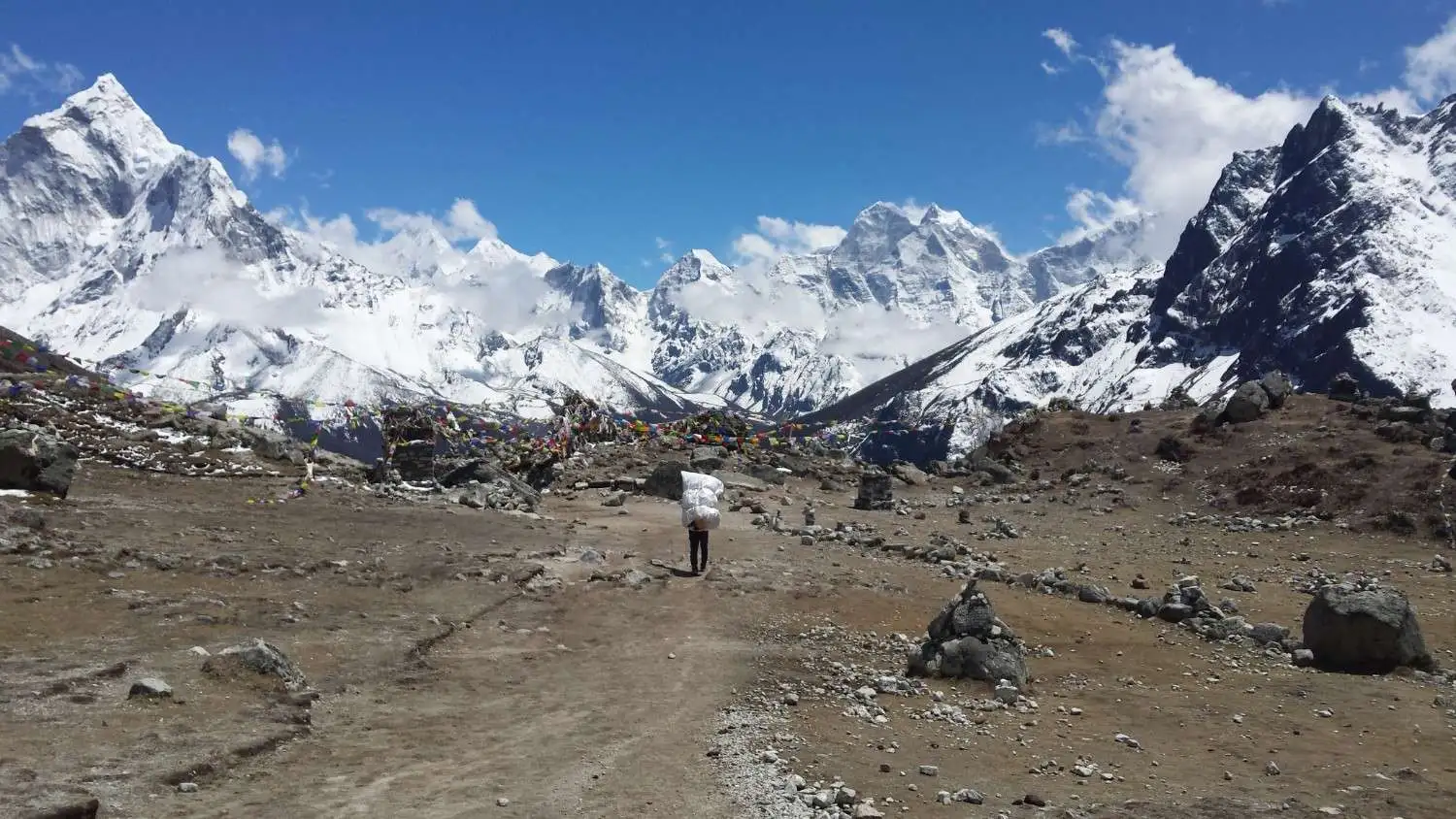
The route also passes through traditional Sherpa villages that have preserved much of their local culture. You'll experience Namche's bustling market streets, visit Khumjung's monastery, and see everyday mountain life, including yak caravans and colorful prayer flags. It's a short trek, but it still offers an authentic glimpse into life in the Khumbu.
Nepal Outdoor Expeditions runs this trek with certified local guides who understand the trail, weather, and villages well enough to adjust the pace for different groups, including families, seniors, and photographers.
The trek begins with a gentle walk from Lukla through small Sherpa settlements to Phakding, allowing trekkers to adjust gradually to the increasing altitude.
From Phakding, the trail climbs gradually along the Dudh Koshi River, crossing several suspension bridges, including the famous Hillary Suspension Bridge, before entering Sagarmatha National Park. The trail then makes its final ascent into Namche Bazaar, the main trading hub of the Khumbu and a natural place to rest and acclimatize.
A day is spent around Namche exploring the surrounding higher elevations. Many itineraries include a hike to Khumjung and Khunde, quiet Sherpa villages above Namche with clear views of the surrounding peaks. This is also where the route reaches Hotel Everest View, positioned to offer views across Everest, Lhotse, and Ama Dablam.
After reaching this high point, the route retraces the trail back through Namche to Lukla for the return flight to Kathmandu. The same trail feels different on the descent, with changing perspectives of the mountains and a much easier pace than the journey up.
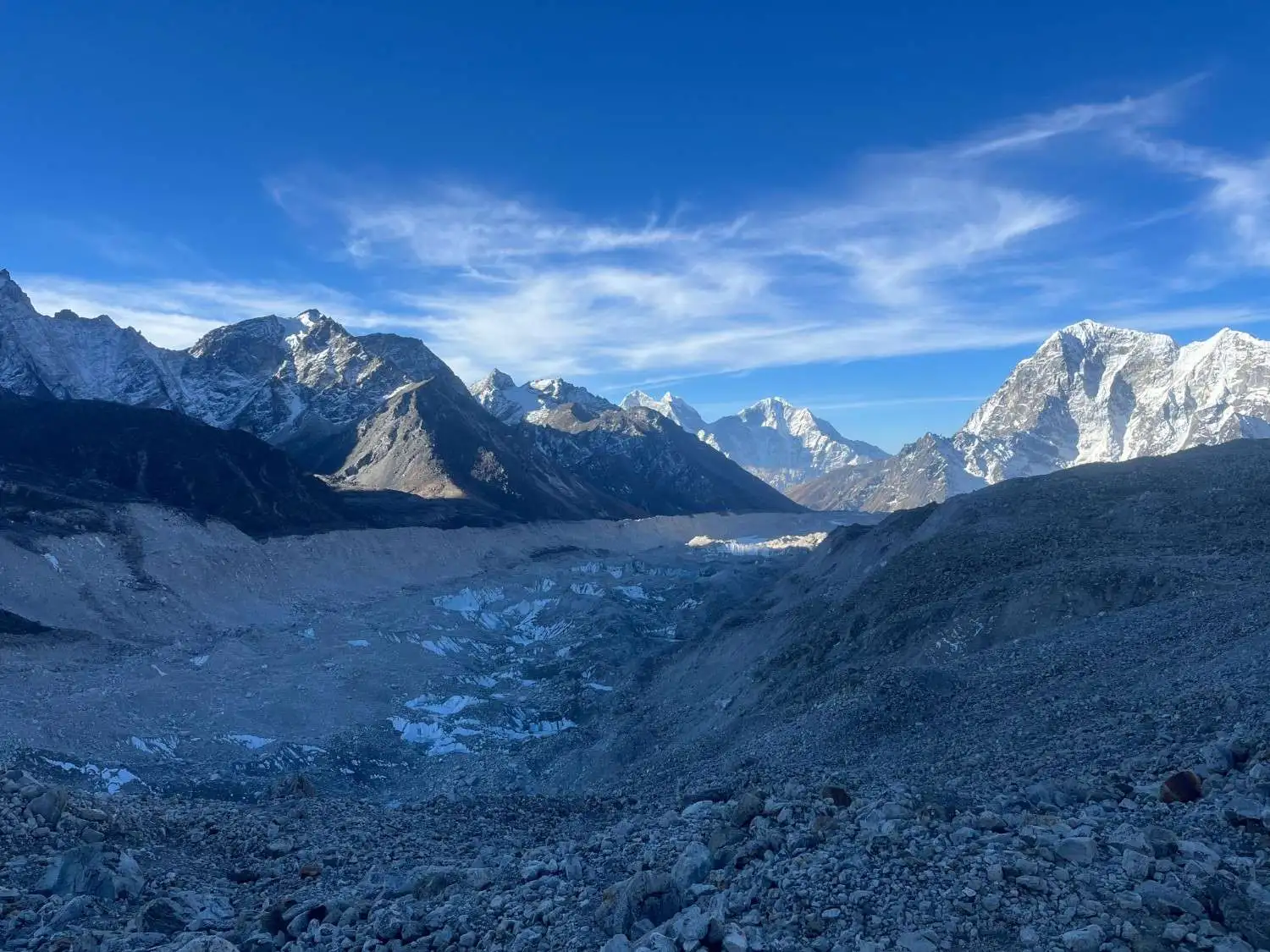
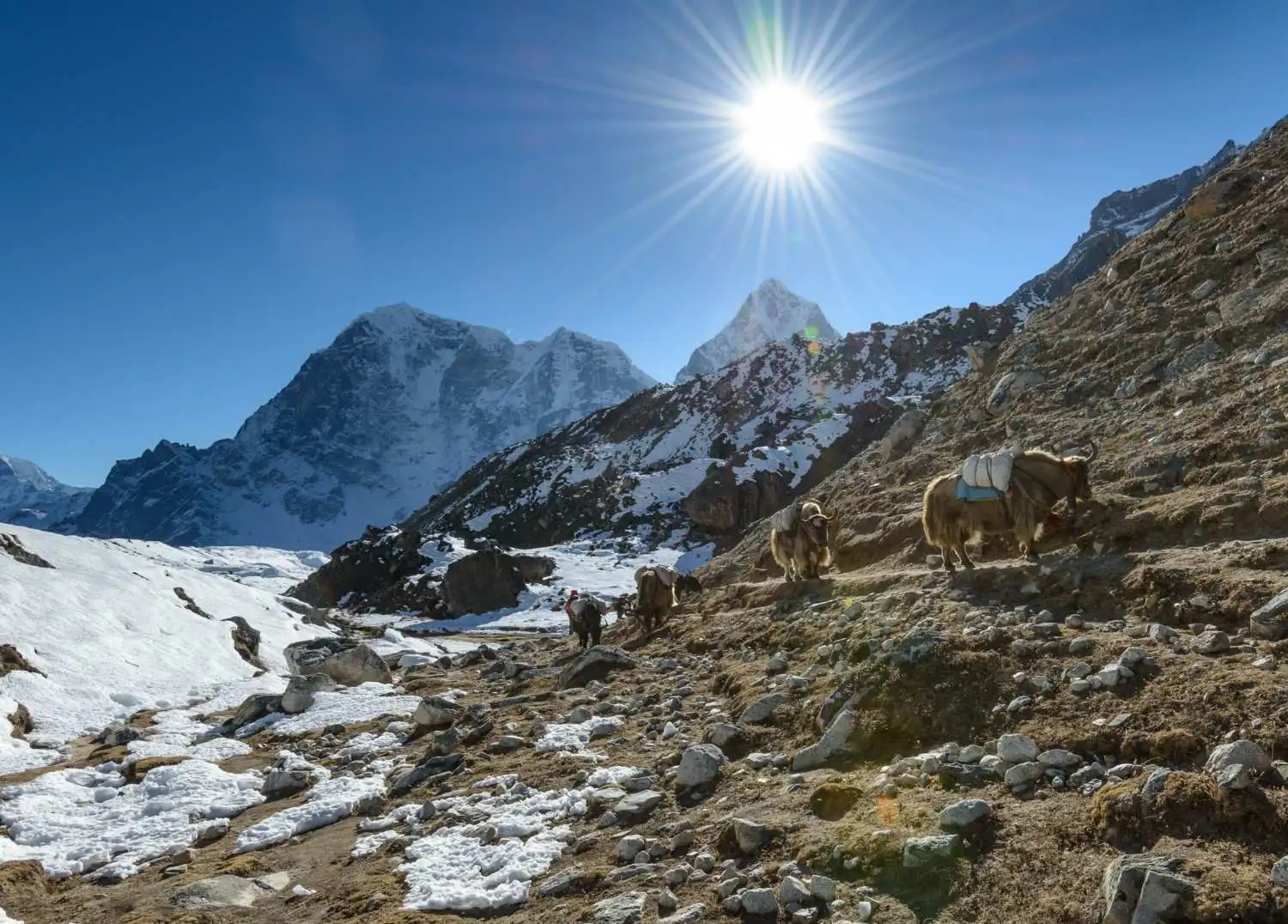
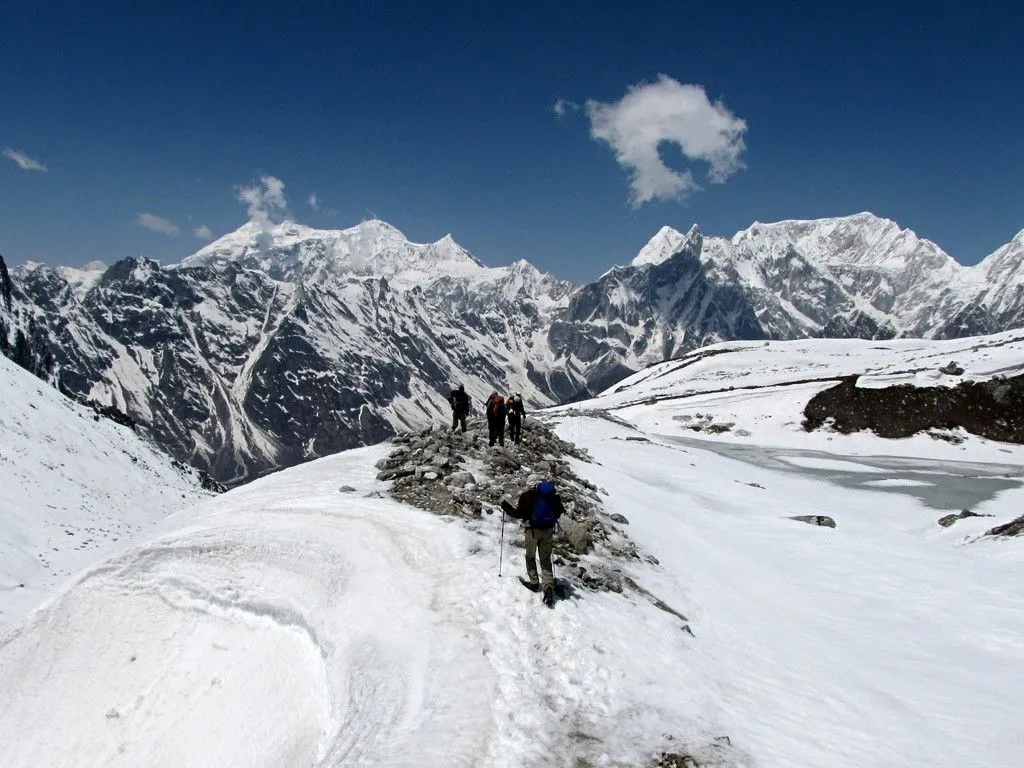
Temperature and rainfall only tell part of the story on this trek. Visibility, crowd levels, trail conditions, and flight reliability also change significantly between seasons and can matter just as much when planning your journey.
Clear skies and strong visibility make spring one of the best windows for photography, with Everest and Ama Dablam often visible on clear mornings. Rhododendron forests bloom along the lower trail sections around Phakding, adding color that is largely absent during the rest of the year. Trails and accommodations become busy, especially in April, while Lukla flights generally operate reliably during suitable weather.
Autumn generally offers the clearest and most stable conditions of the year, with excellent visibility and little snow at these elevations. It is also peak trekking season, so expect busy trails and fuller teahouses around Namche, particularly in October. Flight reliability is generally good, although occasional weather disruptions can occur at the beginning and end of the season.
Visibility is often excellent during winter, with crisp, haze-free views of the mountains. The trade-off is colder temperatures and an increased possibility of snow above Namche. Trails are considerably quieter, making winter appealing to travelers seeking solitude. However, Lukla flights can experience more frequent weather-related delays during this period.
Cloud cover can obscure mountain views for much of the day, although brief clear windows may appear during the early morning. Lower sections of the trail can become muddy and leech-prone, while Lukla flights are generally less reliable during the monsoon. Some flights may operate from Ramechhap Airport instead of Kathmandu during this period. Crowds are minimal, but the monsoon is generally the least favorable season for this trek.
For many visitors, the Everest View Trek is one of the most practical ways to see the world’s highest mountain up close. It follows the same trail as the Everest Base Camp Trek for the first few days but turns back before the altitude and distance become more demanding, keeping the elevation below 3,900 metres. This makes it significantly easier on the body and reduces the risk of altitude-related problems compared with higher routes. The trek can also be completed in just 5 days rather than the two weeks typically required for Everest Base Camp.
It works well as an introduction to Everest trekking, whether you want to test your fitness before attempting a longer trek or simply experience genuine Himalayan mountain views without the longer commitment.
It’s also a relatively comfortable trek by Himalayan standards. Namche Bazaar has some of the best teahouses in the region, with comfortable beds, hot showers, and a wide range of food options. This makes the route particularly appealing to families with children, senior travelers, and anyone who prefers a slower pace. Despite the shorter itinerary, the views remain impressive. Everest, Lhotse, and Ama Dablam can all be seen from Hotel Everest View and the trails above Namche, offering the same mountain scenery that longer Everest routes are known for.
The Everest View Trek is ideal for travelers who want an authentic Everest experience without the physical demands of a longer high-altitude trek. It’s well suited to beginners with no previous high-altitude trekking experience, families traveling with children, and older travelers who prefer comfortable teahouses and manageable daily walking distances.
Couples looking for a shorter Himalayan getaway and visitors with limited travel time can also find this route practical, as the complete trip can be finished within a week, including flights.
The trek is also popular among photographers because of the close, unobstructed views of Everest, Lhotse, and Ama Dablam from Hotel Everest View and the trails above Namche. Travelers seeking a little more comfort can also find better-equipped teahouses around Namche than in the higher settlements along the Everest Base Camp route.
Overall, this trek is an excellent choice for anyone who wants genuine Himalayan scenery and a taste of Sherpa culture without committing to the altitude, distance, and preparation required for Everest Base Camp.
| Point | Everest View Trek | Everest Base Camp |
|---|---|---|
| Duration | 5 days | 12–14 days |
| Difficulty | Easy | Moderate to strenuous |
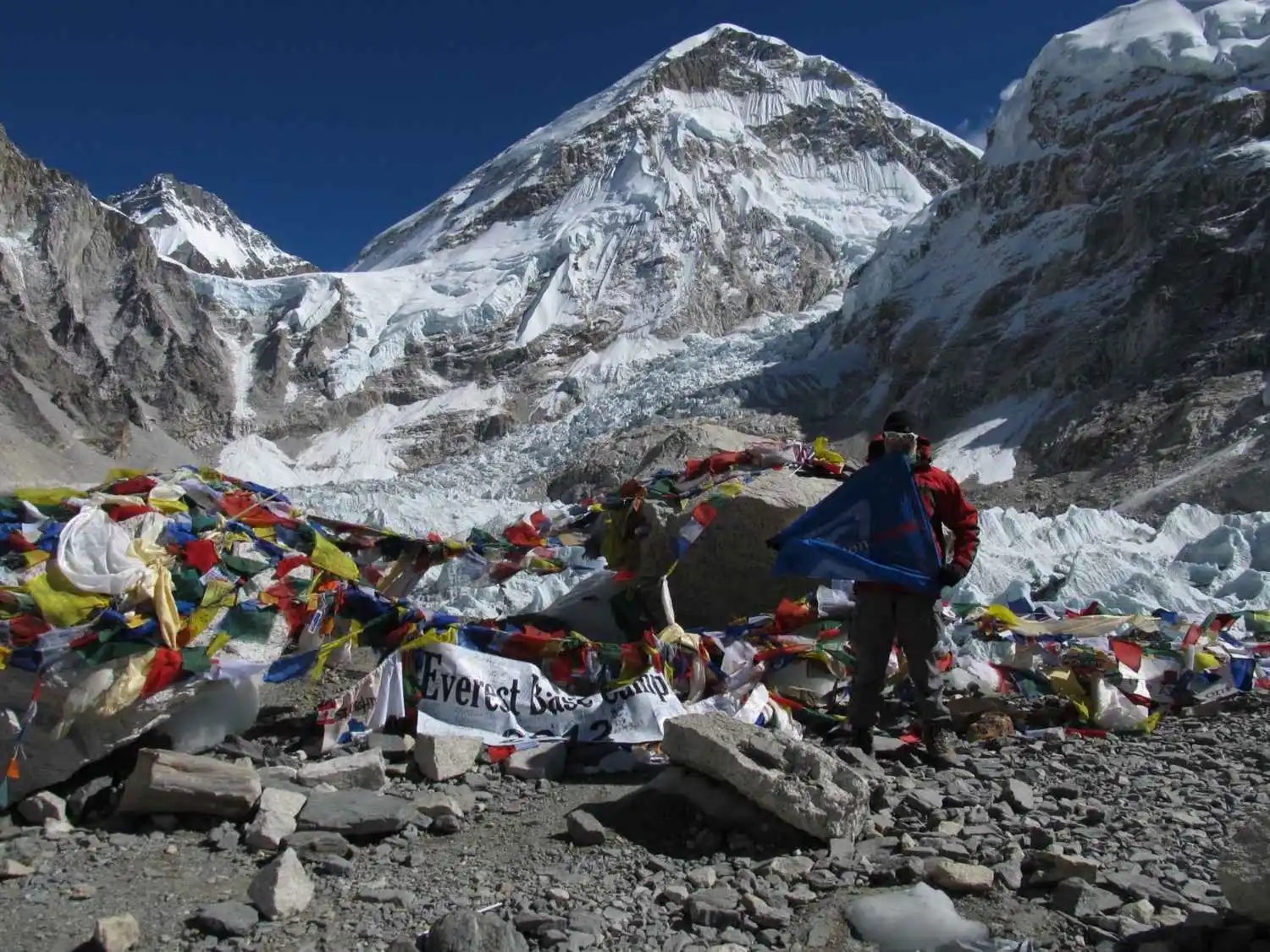
| Max Altitude | 3,880m (Hotel Everest View) | 5,364m (Everest Base Camp) |
| Cost | Lower cost and shorter duration | Higher cost and longer duration |
| Crowds | Fewer trekkers beyond Namche | Heavy foot traffic throughout the route |
| Fitness Required | Basic fitness; no previous trekking experience required | Good fitness and some trekking experience are recommended |
| Views | Everest, Lhotse, and Ama Dablam from Hotel Everest View | Everest, Lhotse, and Nuptse from Kala Patthar and Everest Base Camp |
| Accommodation | Comfortable teahouses in Namche and Phakding | Basic teahouses, with fewer comforts at higher elevations |
| Ideal Traveler | Beginners, families, seniors, and short-holiday travelers | Experienced or fit trekkers wanting to reach Everest Base Camp |
The core difference comes down to altitude and time. The Everest View Trek remains below 3,900 metres throughout, which reduces altitude-related risk and removes the need for multiple acclimatization days. The Everest Base Camp Trek climbs well above 5,000 metres, requiring a longer itinerary, additional acclimatization, and a higher level of physical preparation.
Neither trek is objectively better. It depends on what you want from the experience. Someone who wants to stand at Everest Base Camp needs the full EBC route. Someone who wants spectacular Everest views, Sherpa culture, and a shorter, less demanding journey may be better suited to the Everest View Trek.
Most listings mention Everest views without explaining that the mountain isn’t visible for most of the early trek. Everest remains hidden behind surrounding ridgelines around Lukla, Phakding, and much of the climb to Namche. It becomes more prominent once you reach the higher trails around Khumjung and Hotel Everest View. Trekkers expecting continuous mountain views from day one are often surprised by how much of the early route passes through forests and river valleys.
Lukla flight reliability is another factor that is often overlooked. Flights can be delayed or cancelled because of weather, particularly during the monsoon and winter months. It’s worth allowing an extra day in your Kathmandu schedule rather than booking a tight onward connection immediately after the trek.
Timing also matters. Mountain views are generally clearer early in the morning before clouds build over the valleys later in the day. For the best photographs and clearest panoramas from Hotel Everest View, an early start is usually better than a leisurely morning.
The acclimatization day in Namche isn’t necessarily a complete rest day either. Most itineraries use it for an active hike towards Khumjung or nearby viewpoints. This helps your body adjust to the elevation while also becoming one of the most rewarding parts of the trek.
You need previous high-altitude experience: You don’t necessarily need previous high-altitude trekking experience. The route remains below 3,900 metres, and a sensible pace makes it accessible to many beginners with reasonable fitness. However, altitude can still affect individuals differently.
It’s simply a shortened Everest Base Camp Trek: The Everest View Trek is a distinct trek in its own right. It is built around Namche, Khumjung, and Hotel Everest View rather than being a shortened attempt at reaching Everest Base Camp. Its highlights, pacing, and itinerary are designed specifically around the shorter route.
Lower altitude means there is no risk of altitude sickness: Namche and Khumjung sit above 3,400 metres, which is high enough for some trekkers to experience mild symptoms of altitude sickness. Acclimatization and a sensible pace still matter.
All teahouses are basic: Teahouses in the region are generally simple, but Namche offers several more comfortable options with better rooms, hot showers, and additional facilities. Travelers looking for more comfort have options around the town.
Teahouses along this route are simple but comfortable by Himalayan standards, particularly around Namche. Rooms generally include a bed, blankets, and basic furnishings, while some higher-end accommodations may offer attached bathrooms. Hot showers are often available for an additional fee, although water availability and heating can vary between lodges and throughout the day.
Internet and mobile coverage can be patchy or unavailable in some sections. Many teahouses provide Wi-Fi through Everest Link for an additional fee, while mobile coverage is generally stronger around Namche and weaker along quieter sections of the trail.
Charging devices also usually costs extra, either by the hour or per device. Carrying a power bank is useful for keeping your phone and camera charged during longer trekking days.
Weather in the Khumbu can change quickly. Clear mornings can give way to clouds or light rain by afternoon, which is another reason early starts are recommended. The trail can be busy around Namche and Phakding because it overlaps with the Everest Base Camp route, although crowds generally thin out towards Khumjung.
Lukla flights remain one of the more unpredictable parts of the journey. Delays ranging from a few hours to a full day can occur during poor weather, so allowing a buffer day before onward travel is a sensible precaution.
The trip price covers essentials such as food, guide services, permits, and accommodation. However, some everyday expenses are worth budgeting for separately.
Although this trek remains at a moderate altitude, the daily walking and elevation gain still require physical effort, particularly during the climb to Namche.
Mobile coverage in the Khumbu is provided mainly by Ncell and Nepal Telecom. Both can provide useful coverage in Lukla, Phakding, and Namche, although the signal becomes weaker or unavailable along some higher and more exposed sections of the trail.
Nepal Telecom SIM cards can be purchased in Kathmandu before departure and may provide useful coverage in parts of the region. However, network availability can vary depending on location and weather.
For Wi-Fi, many teahouses use the Everest Link network, a paid service commonly available along the Khumbu trekking route. It can provide reasonable connectivity for messaging and light browsing, although speeds may slow when many users are connected. Charges are generally applied per day or device rather than being included in the room rate.
Charging is available at most lodges but usually comes at an additional cost. Farther from Lukla, electricity may depend more heavily on solar or micro-hydro systems with limited capacity. Carrying a power bank is therefore a practical way to keep your phone and camera charged while reducing your reliance on teahouse electricity.
The Everest View Trek is a shorter, lower-altitude route, but Himalayan conditions still require proper precautions. Nepal Outdoor Expeditions builds safety into every stage of the journey.
Accommodation along the Everest View Trek is provided in local teahouses, family-run lodges that serve as your bedroom, dining hall, and a window into everyday Sherpa life along the trail.
Rooms are simple, usually arranged on a twin-sharing basis with wooden walls, a mattress, and a small table. Rooms are generally unheated, except for the communal dining area. Most teahouses provide blankets, but a sleeping bag rated for sub-zero temperatures is still worth carrying for colder nights.
Bathrooms are shared along most of the route, with squat or Western-style toilets depending on the lodge. A few teahouses offer attached bathrooms for an additional charge.
The dining hall becomes the heart of the trek in the evenings. It is often warmed by a central stove and filled with trekkers sharing stories after a day on the trail. Heating is generally limited to this communal space and may use wood or yak dung. Charging facilities and Wi-Fi are available at many stops for an additional fee, with costs generally increasing at higher elevations.
Food along the trail is freshly prepared and filling, ranging from traditional dal bhat to pasta, soups, pancakes, and other familiar trekking meals.
Meals are provided throughout the trek, with Namche Bazaar offering the widest variety thanks to its larger selection of teahouses and more regular supply routes.
Breakfast typically includes porridge, eggs, toast, pancakes, or Tibetan bread with tea or coffee. Lunch is often eaten at a teahouse along the trail, with options such as fried noodles, momos, or dal bhat, Nepal’s staple combination of rice, lentils, and vegetables.
Dinner is generally the most substantial meal of the day. Common choices include dal bhat, soups, pasta, and fried rice, depending on the teahouse kitchen and available ingredients.
Vegetarian food is widely available and can be a practical choice at altitude. Vegan options are more limited but can usually be arranged with advance notice. Drinking water should always be treated by boiling, filtering, or purification before consumption, as untreated tap or stream water may not be safe.
Basic hygiene also matters throughout the trek. Regular handwashing or using hand sanitizer can help reduce the risk of stomach problems that sometimes affect trekkers in the Himalayas.
The Everest View Trek relies primarily on flights rather than road travel, as Lukla is the main practical entry point for this section of the Khumbu.
For physical fitness:
For Packing Essentials:

Tenzing Sherpa
Have questions? Our travel specialists are here to help plan your perfect adventure.
Chat on WhatsAppThe adventure kicks off with one of the most thrilling short flights in the world. As your small aircraft weaves through the mountain corridors toward Lukla, you will start getting a real sense of just how grand this landscape is. Once you land and gather your gear, the trek begins almost immediately. The trail down to Phakding is gentle and a wonderful way to ease into things. You will walk past local homes, terraced fields, and small settlements where life moves at a slower, quieter pace. The path follows the Dudh Koshi River for much of the way, and the sound of rushing glacial water becomes your constant companion. After about three to four hours of easy walking, you roll into Phakding and settle into a cozy teahouse for the night.
This is the day things start to feel a little more serious, and honestly, a little more magical. After breakfast, you head out along the trail that winds through pine forests, crosses several swinging suspension bridges, and gradually pulls you deeper into the Khumbu. Passing through the village of Monjo, you will check into Sagarmatha National Park, so make sure your permits are handy. From there, the trail hugs the Dudh Koshi River all the way to Jorsale. The final stretch before Namche is a sustained uphill climb that will get your lungs working, but crossing the famous Hillary Suspension Bridge with the river thundering far below makes every step worth it. By the time Namche Bazaar comes into view, perched like an amphitheater on the hillside, you will feel a genuine sense of accomplishment.
Today is one of those days you will talk about for a long time. The morning hike up to Khumjung rewards you with sweeping views of the high peaks, including Everest, Lhotse, and the unmistakable silhouette of Ama Dablam. At the Khumjung Monastery, you can peek at what locals claim is an actual Yeti skull, which is either fascinating or slightly unsettling depending on how you look at it. From there, the trail continues to the Everest View Hotel, sitting at around 3,880 meters and widely considered one of the finest viewpoints in the entire region. On a clear day, the views of Everest from the terrace are simply unforgettable. On the way back down, take some time to wander through Namche Bazaar itself. The local bakeries, gear shops, and Sherpa culture make it a genuinely interesting place to spend an evening.
The return journey carries its own kind of charm. Walking paths that were once unfamiliar now feel like old friends, and you notice things you might have rushed past on the way up. The descent from Namche back toward Lukla is steady and pleasant, passing through the same forested trails and river crossings that opened your trek a few days ago. By the time you reach Lukla, your legs are tired in the best possible way. Grab a warm meal, swap stories with fellow trekkers at the teahouse, and let it all sink in before your final morning in the mountains.
Another short but spectacular flight brings you back to Kathmandu, carrying memories of mountain views, suspension bridges, monastery visits, and the kind of quiet satisfaction that only a trek like this can give you.
See what past travelers are saying about their experience with Nepal Outdoor Expeditions.
Because your next adventure is impatiently waiting for you.
Last Minute Note: Grab incredible deals on the last minute departure / Book spontaneous trips to hip destinations with limited-time offers and discounted price
Not sure of your dates yet? Hold a departure with a 20% deposit. Cancel more than 60 days out and your deposit is refunded in full. Your first date change is free. If a departure doesn't reach minimum numbers, we'll offer you the nearest alternative date or a full refund, and we'll let you know at least 30 days out.
Before you think of or actually plan any adventurous or relaxing tours, travels, or treks with Nepal Outdoor Expeditions.
If you cancel more than 60 days before departure, we refund your deposit in full. Between 30 and 60 days, the 20% deposit is retained. Inside 30 days the trip cost is non-refundable, since by then we've already paid for your permits, flights, and teahouse bookings. Full detail on our booking page.
20% to reserve your place, with the balance due 60 days before departure. On this trek that's $199 to book and $796 two months before you fly. If you're booking within 7 days of departure, the full amount is due at booking.
Yes, as long as you let us know at least 30 days before your original departure date, your first change is free. Any change after that, or a change requested inside 30 days, is $200 per person.
Everest View Trek