
Offering group discounts!
Reserve with a 20% deposit. The balance isn't due until 60 days before departure, and cancellations more than 60 days out get a full deposit refund. How booking works →
 Region
Annapurna Region
Region
Annapurna Region
 Duration
7 Days
Duration
7 Days
 Difficulty
Easy
Difficulty
Easy
 Max. Altitude
3200 m
Max. Altitude
3200 m
 Prime Activity
Trekking In Nepal
Prime Activity
Trekking In Nepal
 Season
(March-May) (September-November)
Season
(March-May) (September-November)
 Group Size
1-12 people
Group Size
1-12 people
The Annapurna Panorama Trek offers a 7-day Himalayan adventure that blends stunning mountain scenery, rich culture, and relatively easy trekking, making it ideal for travelers seeking a short but rewarding experience. This is not like longer high-altitude treks that demand extreme stamina, but rather a trail that presents the spectacular Annapurna and Dhaulagiri.
Beginning in Pokhara, the trail crosses forests, terraced slopes, and Gurung and Magar villages, revealing rural Nepal’s traditional lifestyle. During spring, there are brilliant rhododendron flowers, and during autumn, the skies are clear with clear mountain views. You will also visit quaint teahouses where locals serve warm meals and butter tea, offering a comfortable refuge after each day.
The best stop on this trek is Poon Hill, where an early morning hike rewards trekkers with one of the most iconic Himalayan sunrises. As the first rays touch the snow-capped peaks, the view stretches across Annapurna, Dhaulagiri, and Machhapuchhre, creating a breathtaking yet peaceful experience. Along the route, trekkers pass through beautiful villages, flowing streams, and rhododendron forests, making every step scenic and memorable.
The Annapurna Panorama Trek offers a moderate challenge with steep climbs and 4–6 hours of daily walking, making it suitable for fit beginners and experienced trekkers seeking a shorter adventure. The manageable altitude, with the highest point reaching approximately 3,210 metres at Poon Hill, reduces the risk of severe altitude issues while still delivering an authentic Himalayan trekking experience.
The Annapurna Panorama Trek starts in Kathmandu, where trekkers experience Nepal’s rich culture and vibrant city atmosphere before entering the Himalayas. Trekkers travel from Kathmandu to Pokhara by scenic flight or a cross-country journey through Nepal’s beautiful landscapes. Pokhara is the entry point to the trek, with opportunities for lakeside sightseeing, local markets, and adventure sports such as paragliding or ziplining as trekkers prepare for the journey.
At Pokhara, the trek actually begins as you head towards Ulleri, a village characterised by its extensive terraced scenery and a long staircase made of stones. The trail cuts across green forests, small creeks, and hillside farmland before gradually rising to approximately 2,070 metres. The 4–5 hour trip to Ulleri offers trekkers an easy introduction to Himalayan trekking, with manageable climbs and scenic views along the path.
The trail then proceeds to Ghorepani, a major destination point located at around 2,850 metres. This section is more demanding, with 5–6 hours of hiking through dense rhododendron forests and some steep ascents. Ghorepani is the starting point of the legendary early-morning hike to Poon Hill, where sunrise illuminates Annapurna and Dhaulagiri with a golden glow. From this viewpoint, trekkers enjoy a 360-degree Himalayan panorama, which many consider one of the greatest highlights of the trek.
After enjoying sunrise views, trekkers descend towards Tadapani (2,610 metres), a village surrounded by pine and rhododendron forests. The route continues towards Ghandruk, a major cultural destination and home to the Gurung community. Here, trekkers explore traditional stone houses, taste local cuisine, and experience authentic village hospitality with panoramic Himalayan views.
The final trekking section descends to Nayapul through terraced fields and small villages, generally taking around 5–6 hours. The team transfers trekkers to Pokhara, where they relax, enjoy leisure activities, and return to Kathmandu by road or air.


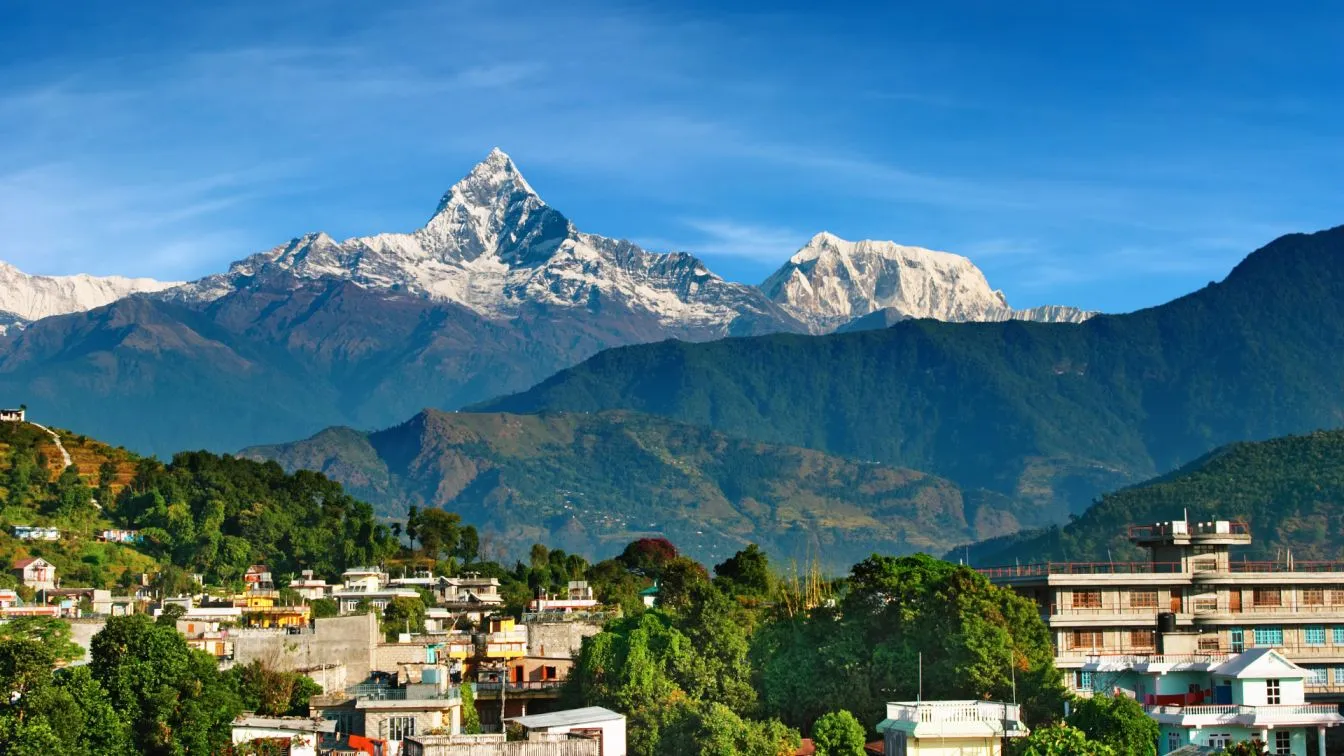

The decision of the appropriate season to use the Annapurna Panorama Trek can make a significant difference in weather, trail conditions, mountain views, and overall enjoyment. Understanding the nature, opportunities, and challenges of each season will help ensure a safe, enjoyable, and memorable trekking adventure.
Spring is among the most colorful and pleasing periods to hike the Annapurna Panorama Trail. Temperatures during the day in lower areas such as Ulleri and Ghandruk range between 15°C and 22°C, while higher altitudes like Ghorepani and Poon Hill can experience temperatures between 5°C and 10°C during early mornings and nights. The favorable climate makes hiking comfortable, even during extended and steep climbs.
In spring, the trail is frequently surrounded by rhododendrons, orchids, and other Himalayan plants, offering vibrant colours across forest paths and open ridges. Wildlife activity also increases, with birds such as the Monal becoming more visible and adding life to the trek. Villages become more active as locals prepare for spring festivals and farming activities, providing trekkers with opportunities to experience local customs.
Spring challenges include occasional rainfall, slippery stone steps, and slightly swollen streams. To overcome these conditions, trekkers should wear waterproof boots, carry trekking poles, and use suitable clothing while allowing extra time to navigate wet sections safely.
Nevertheless, these small challenges cannot stop spring from exploring Nepal, as the season offers beautiful scenery, blooming flowers, and a perfect blend of nature and culture.
The Annapurna Panorama Trek is considered to be at its best during autumn because of favorable weather, clear skies, and colorful surroundings. Temperatures remain pleasant during the day, ranging between 16°C and 24°C in valleys and 8°C to 12°C at higher altitudes. The weather is usually clear, offering excellent views of Annapurna, Dhaulagiri, Machapuchhre, and Hiunchuli, making it ideal for photography and sunrise hikes such as Poon Hill.
Autumn weather conditions are generally dry and stable, reducing the chances of accidents or slippery trails compared to the monsoon season. Lower humidity and predictable weather make it easier to maintain a comfortable trekking pace. The season also coincides with the harvest period in villages, allowing trekkers to witness traditional farming practices, festivals, and community activities.
Autumn has very few challenges, although mornings can feel cold, especially during the early pre-dawn hike to Poon Hill. Warm clothing, gloves, hats, hot beverages, and snacks can help maintain comfort. The combination of ideal weather, cultural experiences, and panoramic views makes autumn the most popular trekking season.
The monsoon season brings heavy rainfall, making trekking more challenging. Trails can become muddy and slippery, rivers may overflow, and visibility is often reduced due to clouds and fog. Humidity can also make walking more physically demanding, especially on stone stairways and steep sections.
During this season, trekkers experience lush forests, blooming vegetation, and impressive waterfalls that create a unique atmosphere. However, monsoon trekking is less suitable for first-time trekkers or those seeking clear mountain views due to risks such as landslides, blocked trails, and reduced visibility. Hiring local guides, using high-traction waterproof boots, and carrying proper rain protection are essential.
Despite the challenges, monsoon trekking can be rewarding for those seeking solitude, fewer crowds, and vibrant green landscapes. With careful planning, slower pacing, and proper safety measures, trekkers can still enjoy a unique Himalayan experience.
Winter offers a peaceful off-season trekking experience with snowy peaks and quiet trails. Average daytime temperatures range between 0°C and 5°C in valley areas and can fall below freezing at higher locations such as Ghorepani and Poon Hill, particularly during early mornings. Trails may become icy, and early morning hikes require additional preparation.
Winter provides clear skies, crisp air, and fewer crowds, allowing trekkers to enjoy uninterrupted mountain views and a peaceful trekking experience. Village life becomes quieter, and photography opportunities improve with sharp mountain silhouettes against clear blue skies.
Extreme cold, icy trails, and shorter daylight hours are the main challenges. Trekkers should carry trekking poles, thermal layers, headlamps, and insulated clothing. Starting hikes after sunrise and staying in warm tea houses can improve comfort. Winter trekking rewards travelers with solitude, clear mountain views, and a memorable Himalayan adventure.
The Annapurna Panorama Trek is considered a beginner-to-moderate-level trek, making it suitable for first-time trekkers, families, and travelers with limited trekking experience. Although the altitude is lower compared to longer Himalayan treks, the trail includes daily uphill sections, stone staircases, and moderate ascents and descents that require physical preparation.
The trek requires moderate physical fitness. Trekkers usually walk 4–6 hours daily, covering approximately 7–13 kilometres and gaining around 500–1,280 metres in elevation each day. Sections such as the climb from Ulleri to Ghorepani include long stone staircases that test leg strength and endurance. Although the pace is manageable, continuous walking and climbing can be challenging for beginners.
The reward is immediate, with mountain panoramas, rhododendron forests, and traditional villages providing motivation throughout the journey. Trekkers should maintain a steady pace, take regular breaks, and use trekking poles to reduce pressure on their knees and joints.
Pre-trek exercises such as walking with a weighted backpack, climbing stairs, and strengthening leg muscles can significantly improve endurance for daily hiking.
The Annapurna Panorama Trek does not involve extreme high-altitude risks, but locations such as Ghorepani (2,850 metres) and Poon Hill (3,210 metres) may cause mild altitude effects for some trekkers. Symptoms can include mild headaches, fatigue, or difficulty breathing during climbs.
Slow ascents, proper hydration, and listening to your body are key to managing altitude. Maintaining a steady pace and avoiding overexertion can reduce discomfort. Some trekkers use Diamox for altitude prevention; however, proper acclimatization, rest, and pacing are usually sufficient for this trek.
Trail conditions vary depending on the season. The route mainly consists of stone pathways, forest trails, and village paths, but trekkers may encounter uneven surfaces, slippery stones, and narrow ridges. Spring and autumn usually offer stable trails, while monsoon brings mud, slippery sections, and swollen streams. Winter may bring icy patches, especially during the early morning climb to Poon Hill.
These challenges can be managed with waterproof trekking boots, trekking poles, and layered clothing. Proper footwear improves stability, poles reduce pressure on steep sections, and layered clothing helps adapt to changing weather conditions. Walking slowly and following maintained trails makes the trek achievable for most trekkers.
Despite moderate physical demands and trail challenges, the Annapurna Panorama Trek offers incredible rewards. Trekkers experience 360-degree Himalayan views, rhododendron and pine forests, cultural encounters in Gurung and Magar villages, and the famous Poon Hill sunrise. Every climb is rewarded with breathtaking scenery and unforgettable experiences.
The key to enjoying this trek is preparation. Fitness training, proper equipment, hydration, steady pacing, and awareness of altitude effects help transform challenges into rewarding experiences. This trek provides an ideal introduction to the Himalayas for beginners, families, and travelers with limited time.
Yes, most travelers can obtain a visa on arrival when entering Nepal. Tourist visas are available at Tribhuvan International Airport in Kathmandu and selected land border entry points, including Birgunj, Bhairahawa, Kakarbhitta, Nepalgunj, Dhangadi, Mahendranagar, and Belhiya. Travelers entering from Tibet may also receive visas at Kodari, although additional restrictions may apply.
Alternatively, visitors can apply for a visa in advance through a Nepalese embassy or consulate in their home country. While this is not mandatory for most nationalities, it can save time during peak travel seasons.
Nepal offers different tourist visa durations, allowing travelers to choose based on their stay requirements. The fees remain the same whether the visa is obtained on arrival or through an embassy.
The current visa prices are:
Payment can be made in foreign currency or by card, depending on facilities available at the entry point. Passports must remain valid for at least six months beyond the arrival date.
Visa extensions are available through the Department of Immigration offices in Kathmandu or Pokhara. Extensions are useful for travelers who wish to stay longer due to extended treks, illness, or itinerary changes. The process requires documentation and payment of additional fees based on the extension period.
Travelers should check the official Nepal Immigration website or contact immigration offices directly for the latest information.
If you are interested in similar adventures, then
The local tea houses and mountain lodges are the main sources of accommodation on the Annapurna Panorama Trek and the heart of trekking facilities in the Annapurna region. These tea houses are also a guesthouse, a dining hall, and a social center in one, providing trekkers with a venue to rest, eat, replenish, and exchange stories with other hikers following every day of the trail.
The accommodation on this trek is usually simple yet comfortable, aimed at fulfilling the basic needs of shelter, warmth, food, and a community feeling. The logistics are also simple and easy to access for any trekker.
Tea houses range from simple rooms with twin beds, blankets, and pillows to more comfortable lodges with larger rooms and additional facilities in bigger villages. The rooms are mostly twin-shared, and the bathroom may either be shared or attached, depending on the location. These accommodations are simple but clean and practical, while the surrounding mountain views add to the Himalayan experience.
Most tea houses provide meals on-site, and it is traditional to eat where you sleep. The costs of accommodation and meals are normally combined, meaning breakfast and dinner are often included with your room. This benefits local businesses and supports sustainable operations at high altitude. Various locations offer hot showers, Wi-Fi, and charging options, usually at a minor additional fee, particularly at higher elevations.
Tea house rooms usually consist of basic twin rooms with two beds, mattresses, pillows, and blankets. In lower and mid-altitude villages such as Ulleri, Ghandruk, and Tadapani, rooms may be slightly larger and offer additional amenities such as attached bathrooms and improved comfort. Rooms become smaller in higher locations such as Ghorepani, where shared bathrooms are more common.
Blankets are provided, but insulation in tea house rooms is minimal, and temperatures can drop significantly at night. Due to this, trekkers are encouraged to carry a sleeping bag or liner for extra warmth, especially during colder seasons. Many trekkers also bring their own sleeping liners to maintain hygiene and comfort during the trek.
Bathrooms along the trail vary. Western toilets with running water are more common in larger and lower-altitude villages, while squat toilets are more common at higher elevations. Toilets and washrooms can be basic, and cold weather may cause water shortages or frozen pipes in the mornings. Trekkers should carry towels, wet wipes, hand sanitiser, and toilet paper, as these are not usually provided.
Most tea houses offer full meals, including breakfast, lunch, and dinner, with traditional Nepali dishes such as dal bhat, noodles, soups, and local vegetable meals. Food prices increase with altitude due to the transportation costs involved in supplying remote areas.
Hot showers are available in some mid-trek villages and may cost up to USD 25. Hot water availability at higher elevations depends on weather conditions and water supply and usually comes at a higher cost. Wi-Fi and charging facilities are common in lower and mid-altitude tea houses but are less reliable at higher elevations and usually require an additional fee.
Socialising in tea house dining areas is a common part of the trekking experience. Trekkers often sit around shared tables or central wood or gas stoves to eat, warm up, exchange stories, and receive advice about the following day’s hike. This atmosphere allows travelers to connect and share experiences from the trail.
The accommodation costs on the Annapurna Panorama Trek are affordable compared to urban hotels but vary depending on altitude and season. Room prices generally range from USD 7–10 per night in lower-altitude areas and may vary at higher-altitude lodges, where prices are often connected with meal purchases.
Dining costs also vary. Simple breakfasts and dinners in lower villages may cost around USD 5–10 at tea houses, with prices increasing at higher elevations. Staying in tea houses supports local communities, and trekkers should carry Nepalese rupees because card payments are generally unavailable along the trail.
Carrying extra cash is important because payment options are limited. ATMs are not available between Pokhara and the trekking villages, so trekkers should carry enough cash before starting the trek to cover accommodation, food, hot showers, Wi-Fi, and charging services.
Food on the Annapurna Panorama Trek is not just a necessity but an important part of the journey. It provides energy for long trekking days, warmth during cold mountain nights, and insight into Nepali culture through traditional meals. Most meals are served in tea houses along the trail, with options ranging from classic Nepali dishes to familiar Western meals.
Food variety changes with altitude. Lower areas offer more fresh produce and choices, while higher villages rely more on staple foods transported by porters or mules, making menus simpler but still nutritious.
Tea house meals are usually served at the same lodge where you stay. Most tea houses expect trekkers to have breakfast, lunch, and dinner at the same location.
To be comfortable and safe and enjoy the Annapurna Panorama Trek, it is necessary to pack the appropriate equipment. The trail has fluctuating temperatures, moderate altitudes, and evolving weather patterns; therefore, having a plan or packing strategically will help us be ready for both the physical and cultural needs of the journey.
That is why our Annapurna Panorama Trek has professional guides and porters to provide a smooth, safe, and fulfilling trekking experience throughout the journey. These services are well planned to minimise stress, increase safety, and help trekkers make the most of the trail, allowing them to focus on the scenery, culture, and adventure.
Trekking guides are hired by every trek group and are licensed and certified to undertake treks according to Nepal’s official trekking standards. Our guides undergo formal education and certification, with training based on first aid, high-altitude safety, navigation, environmental awareness, and cultural interpretation. Guides are experienced and competent in English, and many also speak additional languages to assist international trekkers.
Guides manage logistical preparations such as route planning, accommodation, meal arrangements, and permits. They also monitor the health and acclimatization of the group while providing advice on hydration, rest, and altitude precautions.
We also hire professional porters who carry trekking equipment, luggage, and supplies so trekkers do not need to manage heavy loads themselves. Each porter receives training on safely carrying gear, following trail regulations, and navigating mountainous terrain. Their duties also include helping with luggage arrangements at tea houses and assisting trekkers during accommodation stops.
Porter loads are strictly maintained within a limit of 20–25 kg per individual, ensuring safety and comfort for both trekkers and porters. Their support allows travelers to conserve energy for walking, enjoying scenic views, and experiencing local culture rather than carrying heavy backpacks.
For groups or individual trekkers, packages may include porter-guides who combine load-carrying responsibilities with basic guiding services such as navigation, cultural interpretation, and trail assistance. This option is suitable for travelers seeking a more affordable trekking experience without compromising comfort and safety.

Tenzing Sherpa
Have questions? Our travel specialists are here to help plan your perfect adventure.
Chat on WhatsAppThere's something quietly exciting about the drive to Pokhara. The city fades behind you, the road opens up, and before long you're rolling through villages where life moves at its own unhurried pace, with kids waving from doorways, farmers tending terraced fields, and the occasional herd of goats holding up traffic like they own the road. It's roughly six hours, but honestly, it doesn't feel like a chore. Once you arrive, drop your bags, take a breath, and just wander. The lakeside has this easy, laid-back energy in the evenings. Walk over to Fewa Lake, watch the Barahi Temple shimmer in the reflection of the water, and let the pace of Pokhara work its magic on you before the trekking begins. Overnight at a hotel.
After breakfast, we hit the road again, this time heading up toward Ulleri. The drive itself is half the adventure, winding past Birethanti and Tikhedhunga, crossing small streams, and threading through landscapes that feel almost too picturesque to be real. About four hours in, we lace up the boots, and the real journey begins. The trail from Ulleri to Ghorepani takes you through dense rhododendron and oak forest, the kind that makes you forget you're even trying to get somewhere. Around four hours of walking later, you arrive at Ghorepani, perched on a ridge with the Annapurna and Dhaulagiri ranges spread out before you like a painting. It's the kind of place that earns its reputation. Overnight at a lodge.
Set your alarm. Seriously. The 45-minute predawn climb to Poon Hill is one of those experiences that stays with you long after the trip is over. As the sky shifts from black to deep purple to gold, the mountains slowly reveal themselves, Dhaulagiri, Annapurna I, Machhapuchhre, and a whole lineup of giants that make you feel very small in the best possible way. It's cold, it's early, and it's completely worth it. Back down for breakfast in Ghorepani, and then the day's second act begins, ascending through more rhododendron forest toward Deurali, stopping for lunch at Banthati, and pushing on to Tadapani. By the time you arrive, you'll have earned your rest. Overnight at the lodge.
Today is a gentler one, a long, easy descent that gives your legs (and your eyes) something to enjoy. Birdwatchers in the group will want to keep their ears open; this stretch of trail is a favorite. Ghandruk itself is the kind of village that reminds you why you came trekking in the first place. The Gurung community here has a warmth that feels completely genuine, not performed for tourists, just how they are. Settle in, watch the light change on Annapurna South and Hiunchuli, and let the evening be simple. Overnight at a trekking lodge.
Breakfast first, then a descent down stone staircases that goes on for a good hour and a half, your knees will have opinions, but the views of the terraced hillsides make the conversation worthwhile. The trail passes through small villages that don't see as many trekkers, which gives the day a quieter, more personal feel. About four hours of walking brings you to Tolkha, a small settlement where the pace slows right down. A good place to reflect on how far you've come. Overnight at the lodge.
A relaxed morning to close out the trek, Dhampus is a short, easy walk away, and it's a fitting final stop. The Gurung village has a lived-in charm, traditional homes alongside curious locals who seem genuinely interested in who you are and where you've come from. From Dhampus, it's a 30-minute drive back into Pokhara, back to hot showers, restaurant menus, and that beautiful lake. You'll look at the mountains differently now that you've walked among them. Overnight at a hotel.
The last morning comes around faster than you'd expect. Breakfast, bags, and then the long drive back through the hills to Kathmandu. Use the journey to decompress, flip through your photos, think about the moments that caught you off guard, and make a list of what you'd do differently next time (there's always a next time). Back in Kathmandu, the city hums along like you never left. There's time to wander Thamel, pick up a few things to bring home, and quietly hold onto whatever it was the mountains gave you. Overnight at a hotel.
See what past travelers are saying about their experience with Nepal Outdoor Expeditions.
Because your next adventure is impatiently waiting for you.
Last Minute Note: Grab incredible deals on the last minute departure / Book spontaneous trips to hip destinations with limited-time offers and discounted price
Not sure of your dates yet? Hold a departure with a 20% deposit. Cancel more than 60 days out and your deposit is refunded in full. Your first date change is free. If a departure doesn't reach minimum numbers, we'll offer you the nearest alternative date or a full refund, and we'll let you know at least 30 days out.
Before you think of or actually plan any adventurous or relaxing tours, travels, or treks with Nepal Outdoor Expeditions.
If you cancel more than 60 days before departure, we refund your deposit in full. Between 30 and 60 days, the 20% deposit is retained. Inside 30 days the trip cost is non-refundable, since by then we've already paid for your permits, flights, and teahouse bookings. Full detail on our booking page.
20% to reserve your place, with the balance due 60 days before departure. On this trek that's $130 to book and $520 two months before you fly. If you're booking within 7 days of departure, the full amount is due at booking.
Yes, as long as you let us know at least 30 days before your original departure date, your first change is free. Any change after that, or a change requested inside 30 days, is $200 per person.
Annapurna Panorama Trek