Offering group discounts!
Reserve with a 20% deposit. The balance isn't due until 60 days before departure, and cancellations more than 60 days out get a full deposit refund. How booking works →
 Region
Makalu Region
Region
Makalu Region
 Duration
15 Days
Duration
15 Days
 Difficulty
Moderate
Difficulty
Moderate
 Max. Altitude
3470 m
Max. Altitude
3470 m
 Prime Activity
Trekking In Nepal
Prime Activity
Trekking In Nepal
 Season
(March-May) (September-November)
Season
(March-May) (September-November)
 Group Size
1-12 people
Group Size
1-12 people
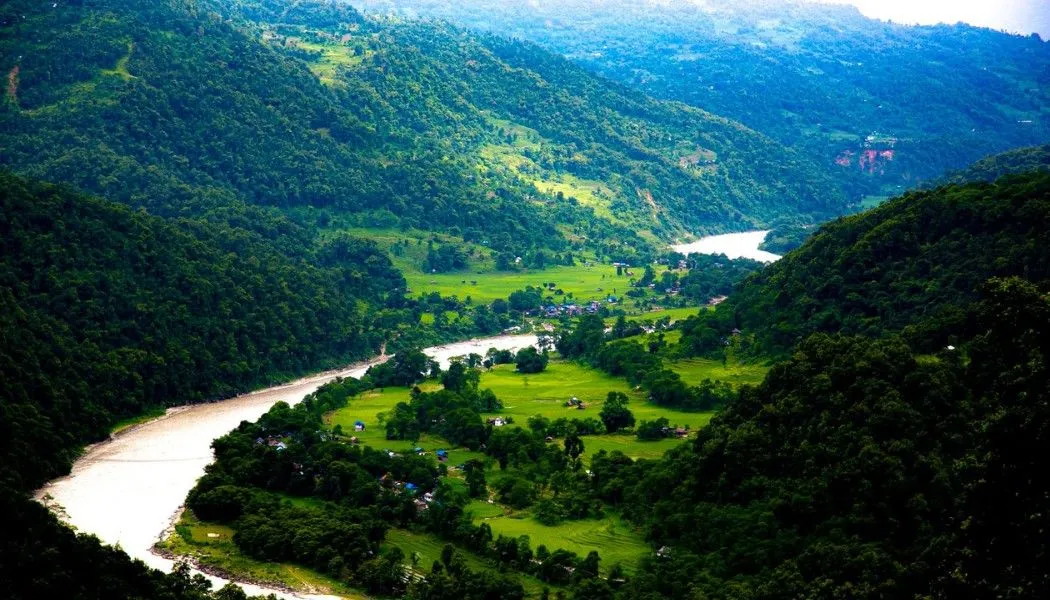
The Arun Valley Trek is a peaceful and culturally rich journey through one of Nepal’s lesser-explored regions. Located in eastern Nepal between the Everest and Makalu areas, this trek follows the Arun River through quiet valleys, traditional villages, and untouched landscapes. Instead of focusing only on dramatic mountain viewpoints, the trail offers a deeper connection with nature, local communities, and the simple rhythm of Himalayan life.
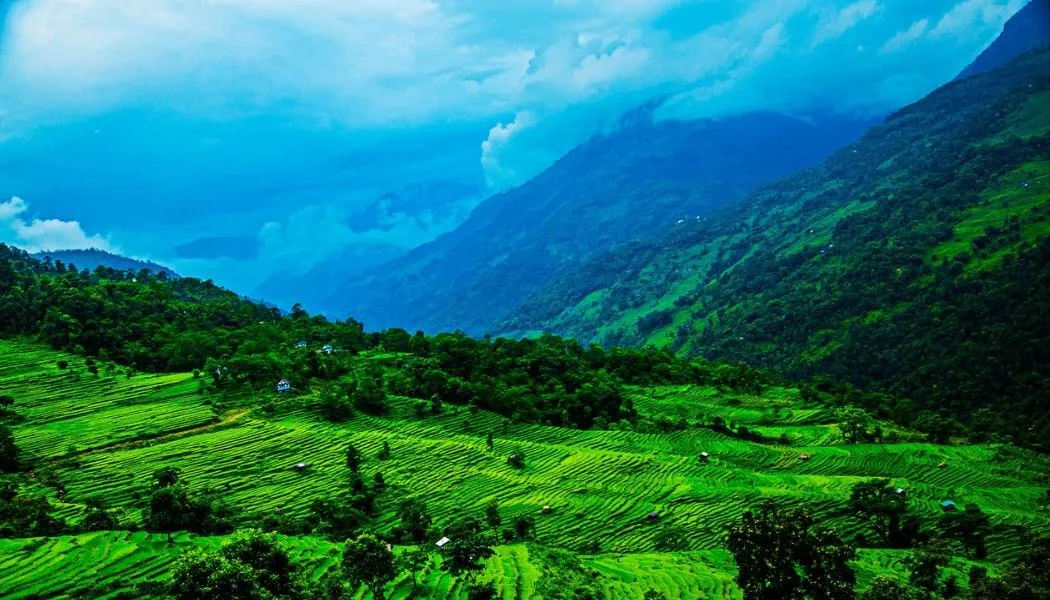
The route passes through diverse landscapes, from subtropical forests and bamboo groves to terraced farmland and hillside settlements. Trekkers cross suspension bridges over the Arun River, walk through peaceful villages, and experience the daily lifestyle of local communities. The region is home to Rai, Limbu, and other ethnic groups whose traditions, hospitality, and cultural practices add a unique dimension to the journey. Small moments, such as sharing tea with locals or observing village life, become some of the most memorable parts of the trek.
As the trek continues, the scenery gradually changes, revealing distant views of magnificent Himalayan peaks, including Everest and Makalu, on clear days. However, the true charm of the Arun Valley lies in its tranquillity. The sound of flowing rivers, quiet forest trails, and the absence of large crowds create an authentic trekking experience that feels far removed from Nepal’s busier routes.
The Arun Valley Trek is ideal for travelers seeking a unique adventure away from crowded trails. It offers a balanced combination of nature, culture, and moderate physical challenge, making it a rewarding choice for those who want to experience a more authentic side of Nepal. More than just a trekking route, it is an opportunity to explore a hidden part of the Himalayas and connect with the landscapes and communities that make the region special.

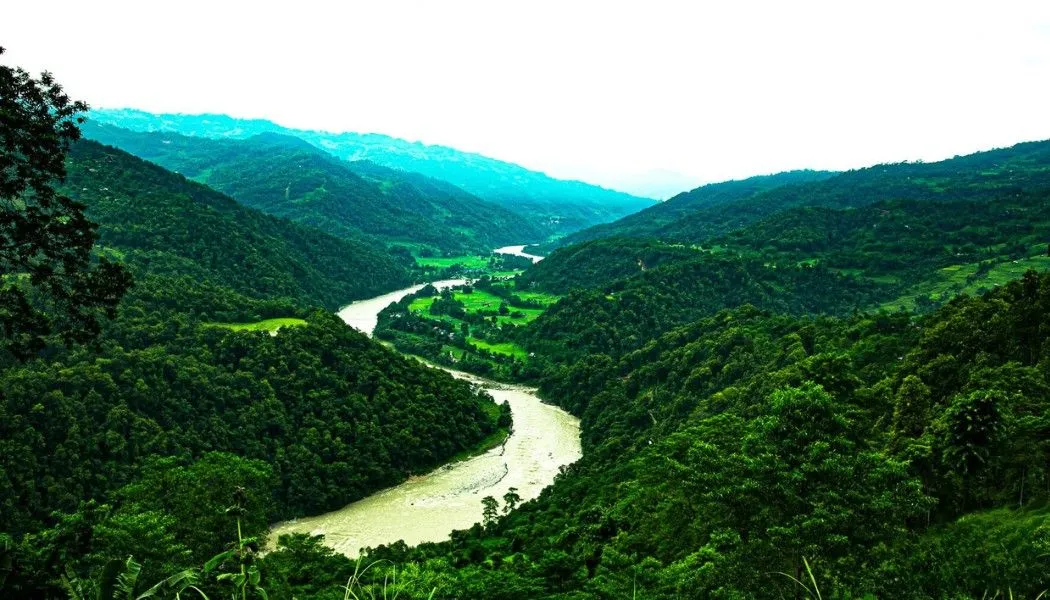

The trek takes you through Arun Valley and Makalu Barun National Park, offering breathtaking views of the Himalayan ranges.
You can experience the rich culture, traditions, and hospitality of Sherpa, Brahmin, and Rai communities.
You can witness diverse flora and fauna while trekking through forests, valleys, and protected landscapes.
You can enjoy changing landscapes, from lush subtropical forests and farmland to high-altitude mountain scenery.
This less crowded trek offers a peaceful and authentic adventure away from Nepal’s popular trekking routes.
Cost of domestic flights
Cost of Makalu Barun National Park and TIMS permits
Standard meals during the trek
Accommodation in teahouses
First aid and medical services
Cost of guides and porters
International airfare
Nepal visa fees
Cost of travel insurance
Personal expenses
Extra accommodation in Kathmandu
Tips for guides and porters
Modern Travel Expectation:
Modern trekkers look for a balance between adventure and staying connected with the outside world. While exploring remote trails, they still expect comfort, convenience, and responsible travel practices. Here are some expectations of today’s travelers that we aim to meet:
Accommodation along the Arun Valley Trek feels simple, personal, and very close to local life. Most nights are spent in small teahouses or family-run lodges, and in some villages, you might even stay in a homestay. These places aren’t fancy—rooms are basic with wooden beds, simple bedding, and shared bathrooms—but they have a warmth that’s hard to describe. It’s the kind of comfort that comes from being welcomed rather than served. In more remote sections, facilities can be quite minimal, but the genuine hospitality more than makes up for it.
Food on this trek is home-style and nourishing, often prepared with ingredients grown locally. The most common meal you’ll come across is dal bhat—rice, lentil soup, vegetables, and sometimes a bit of pickle or curry. It’s filling, healthy, and exactly what your body needs after long hours of walking. You’ll also find simple options like noodles, fried rice, potatoes, eggs, and occasionally bread or pancakes, especially in slightly larger villages. The meals might not be elaborate, but they’re made with care and always served warm.
One of the nicest parts of this trek is how meals bring people together. Evenings are often spent in a shared dining space, sometimes around a small stove, where trekkers and hosts gather, chat, and unwind. You might find yourself exchanging stories with locals or simply enjoying the quiet after a long day. A cup of hot tea or coffee becomes more than just a drink—it’s a moment to pause and take it all in.
Overall, accommodation and food in the Arun Valley are less about comfort in the modern sense and more about connection. You’re not just passing through; you’re stepping into someone’s home, sharing their food, and experiencing a way of life that feels grounded and real. And somehow, that makes every meal and every night’s stay feel a little more meaningful.
Getting ready for the Arun Valley Trek is more about being practical than overprepared. This isn’t a highly technical trek, but it does involve long days of walking, plenty of ups and downs, and changing weather as you move through different elevations. A decent level of fitness goes a long way—regular walking, a bit of uphill hiking, and some stamina-building beforehand will make the journey feel much more enjoyable. It’s not a race, though. Taking your time and settling into a steady rhythm is what really helps.
When it comes to equipment, think simple but reliable. A good pair of broken-in trekking boots is probably the most important thing you’ll carry—your feet will thank you later. Comfortable clothing that you can layer is key, since mornings and evenings can be cool while daytime walking can get warm and humid. Go for moisture-wicking base layers, a light fleece, and a waterproof jacket just in case. A small to medium backpack, trekking poles, a hat, sunglasses, and sunscreen are all things you’ll end up using every day.
Because the trek passes through rural and less commercialized areas, it’s smart to be a little self-sufficient. Carry a basic first aid kit, any personal medicines, and something for water purification like tablets or a filter. Snacks like nuts, energy bars, or even some local treats can be helpful between meals. Electricity and charging points can be limited in some villages, so a power bank is always a good backup to have.
In the end, preparation is also about mindset. Arun Valley isn’t about luxury or perfectly paved trails—it’s about quiet paths, real villages, and a slower pace of life. If you go in with flexibility and a bit of patience, the small challenges along the way start to feel like part of the adventure. And that’s what makes this trek so memorable—it feels honest, simple, and deeply connected to the place you’re walking through.

Tenzing Sherpa
Have questions? Our travel specialists are here to help plan your perfect adventure.
Chat on WhatsAppYou land at Tribhuvan International Airport and your guide or a company representative will be waiting right outside the arrival gate, holding a sign with your name. The drive to your hotel in Thamel takes about 30 minutes, depending on traffic (and Kathmandu traffic has a personality of its own). Once you've settled in and shaken off the long-haul exhaustion, take a slow walk around Thamel. The streets here are wonderfully chaotic — shops selling trekking poles and down jackets sit right next to small temples and incense sellers. In the evening, your guide will sit down with you over dinner and walk you through the entire plan for the days ahead, weather patterns, packing tips, and what to realistically expect on the trail. Try dal bhat if you haven't already. You will be eating a lot of it over the next two weeks and you will not get tired of it.
This day is yours to use wisely. The practical reason for it is to sort any last-minute gear, get your permits arranged, and let your body adjust to Nepal's time zone before the serious walking begins. But it also gives you a full day to properly take in Kathmandu, which deserves more than a rushed morning. Start with Pashupatinath Temple on the banks of the Bagmati River, one of the most sacred Hindu shrines in Asia. The atmosphere here is unlike anything else, especially if you arrive in the early morning. Then walk over to Boudhanath Stupa, a massive circular structure with those calm painted eyes gazing out in all directions. On the way back, stop at Swayambhunath (the Monkey Temple) perched on a hilltop west of the city for a view over the entire valley. By evening you should have your bags packed and be in bed early. Tomorrow is an early morning.
The flight to Tumlingtar is one of those short hops in a small propeller plane where the mountains feel close enough to touch. As you roll across the Kathmandu Valley and gain altitude, ridgelines appear below you and eventually you spot the braided green threads of the Arun River winding through the hills. The landing strip at Tumlingtar is a simple one, and the town itself is a relaxed little place. From Tumlingtar, you descend gently through terraced farmland and cross a bridge over the Arun River. The trail hugs the east bank, passing through small villages where children will likely stop and stare or shout "Namaste!" with big grins. The air down here is warm and humid, very different from what you'll encounter higher up. You pass through Bheteni and Chyawabesi, good places to stop for a quick bite, before reaching Kartike for the night.
Today's walk starts getting more interesting. After breakfast, the trail climbs away from the flat riverbank and into Sal tree forests. As you gain height above the Arun Valley, you'll get your first proper view down into the green corridor of the valley. It's worth stopping here and just looking. The scale of it is surprising. You pass through the scattered settlements of Bharta and Nepali Danda before the trail opens up to rice field terraces and banana plantations. Gothe Bazaar is a lively little market town that feels like it has a genuine pulse to it — locals gather here, there are small shops, and the teahouses are welcoming. After several hours of walking through humid jungle and open farmland, arriving in Gothe Bazaar feels like a proper reward.
The trail today follows the Likhuwa (Irkhuwa) Khola, a river valley that branches west from the main Arun corridor. This is where the route starts feeling genuinely remote. You leave the main valley behind and enter a narrower, quieter world. The path crosses and recrosses the river on wooden bridges, passes through tiny settlements, and stays generally above the river for good stretches. You'll pass through Chalise and Tabular, both small communities with limited but adequate lodging options. Dobhane, where you'll spend the night, is modest — basic teahouses with simple meals, but the setting more than compensates. By this point, you'll likely have not seen another foreign trekker since Tumlingtar, which is one of the real pleasures of this route.
The trail climbs steadily today, moving away from the river and through alternating stretches of dense forest and open hillside. The vegetation starts changing as you gain altitude—tropical plants give way to temperate forest, and on clear days the first white peaks start appearing above the ridgelines ahead of you. Tending is a small settlement sitting at a comfortable altitude, surrounded by fields and forest. The evenings here are cooler than what you've been experiencing down in the valley, and after days of warm, humid trekking, that cool mountain air in the evening feels wonderful. The families running the teahouses here are warm hosts, and these smaller, out-of-the-way guesthouses often serve the best meals on the whole trek.
This is a serious day of climbing. The trail gains nearly a thousand meters of elevation as it works its way up through increasingly dramatic terrain toward the base of the Salpa La Pass. Rhododendron and oak forests surround you for most of the morning, and if you're trekking in spring, the rhododendron blooms can be extraordinary—deep reds and pinks against the gray stone. "Salpa Phedi" means "foot of the Salpa Pass," and that is exactly what it is: a cluster of basic lodges sitting at the bottom of the final climb. It can be cold here, especially at night, so have your warmer layers ready. Tomorrow is the highest point of the entire trek, so rest well.
This is the big day. The crossing of Salpa La Pass at 3,415 meters is the highest point of the Arun Valley Trek and the moment where both the effort and the reward feel most clearly matched. The climb from Salpa Phedi is steep and can take 3–4 hours to reach the top. Go slowly, take breaks, and drink water regularly. As you near the pass, the forest thins and rocky slopes open up into wide views. On a clear day, you'll be able to see Chamlang (7,321 m) and Makalu (8,463 m) standing proud to the north. These giants of the Himalaya suddenly feel much less distant from up here. The descent into Sanam on the other side is equally steep but brings you into Sherpa country. The stone houses change in style, prayer flags appear, and the atmosphere shifts noticeably. Sanam is a traditional Sherpa village and a good place to rest your legs and take in the cultural shift.
After the exertion of the previous day, today offers a gentler but still beautiful stretch. The trail descends through forested ridgelines with views back toward the pass you crossed yesterday. This section passes through classic Sherpa territory — small monasteries, mani walls lined with carved stones, and yak pastures. Gudel is one of the larger Sherpa villages in this part of eastern Nepal, sitting on a sunny ridge with good views of the surrounding hills. The people here have a reputation for friendliness, and you'll likely be invited in for butter tea or offered local raksi if you look like you need warming up. It's worth walking around the village in the evening before dinner.
The trail from Gudel drops through a mix of forested slopes and cultivated terraces. This part of the route transitions from Sherpa villages into Rai territory, and the cultural texture changes again. Rai people are one of Nepal's indigenous communities, known for their distinctive traditions, language, and warm hospitality. Bung is a sizable Rai village spread across a hillside, and it's one of the more charming overnight stops on the entire route. The views from Bung look back toward the higher ridges you've crossed and out across the rolling green hills toward the south. There's usually a small bazaar area where local life goes on entirely on its own terms, with or without trekkers passing through.
Today the trail climbs again, heading northeast through forests and across ridgelines toward the higher terrain around Pangma. This is a longer day with consistent elevation gain, and you'll pass through several smaller settlements along the way. The views improve steadily as you climb. Makalu appears again on the northern horizon, and in clear conditions you can also spot the jagged ridgelines of Mera Peak. The trail here is less used than the routes to Everest Base Camp, so you'll often have it entirely to yourself. That quiet—just the sound of birds, wind, and your own footsteps—is something many trekkers remember long after the details of each day have blurred.
The descent toward Khiraule is a pleasant change after several days of significant climbing. The trail winds through rhododendron and pine forest, offering filtered views of the surrounding mountains before eventually dropping into a broader valley. Khiraule sits in a quieter, more sheltered part of the landscape. Trekking days like this one, without a major dramatic highlight, are often where you find yourself actually looking around and noticing the small things: the light on the hillside in the late afternoon, the sound of a river below, the smell of woodsmoke from a village chimney. Give yourself permission to slow down today.
The trail climbs gently toward Sete, passing through mixed forest and a few small settlement clusters. This section connects the deeper trail of the Arun Valley route to the fringes of the Lukla approach, so the path gradually becomes slightly more defined, and the occasional trekking group may begin to appear again. Sete is a quiet overnight stop, often used by trekkers on both the Arun Valley approach and the Jiri to Lukla historic route. It's a good spot to restock any essentials you may be running low on before the final push toward Lukla the next day. The stars on a clear night at this altitude can be something quite special.
The final trekking day brings you into Lukla, and the change in atmosphere is immediate and unmistakable. Lukla is the main gateway to the Everest region, and after nearly two weeks of walking through remote valleys with very few outsiders, suddenly arriving here feels like stepping back into a different world. The streets are busier, there are bakeries selling apple pie and espresso, and the sound of small planes coming and going fills the air constantly. Take the afternoon to walk the main street of Lukla at your own pace. Have a celebratory meal, share stories from the trail with your guide, and raise a glass of local tongba or whatever sounds good. You've crossed one of Nepal's deepest valleys, climbed a mountain pass, and walked through communities that most visitors to Nepal will never see. That deserves a proper acknowledgment.
The early morning flight from Lukla is one of the most dramatic short flights anywhere in the world. The runway drops away at the edge of a cliff and the plane climbs steeply into the mountain air, with Himalayan ridges filling the windows on all sides. Within 40 minutes, you're back in Kathmandu. Depending on your onward travel plans, you'll have time to shop for last-minute souvenirs in Thamel, pick up some Nepali tea or spices, or simply find a rooftop cafe and sit quietly with a good coffee watching the city below. If your international flight is later in the evening, your guide can arrange a drop-off at the airport when the time comes. The Arun Valley doesn't feature on most Nepal itineraries, and walking away from it, you'll understand exactly why that should change.
See what past travelers are saying about their experience with Nepal Outdoor Expeditions.
Because your next adventure is impatiently waiting for you.
Last Minute Note: Grab incredible deals on the last minute departure / Book spontaneous trips to hip destinations with limited-time offers and discounted price
Not sure of your dates yet? Hold a departure with a 20% deposit. Cancel more than 60 days out and your deposit is refunded in full. Your first date change is free. If a departure doesn't reach minimum numbers, we'll offer you the nearest alternative date or a full refund, and we'll let you know at least 30 days out.
Before you think of or actually plan any adventurous or relaxing tours, travels, or treks with Nepal Outdoor Expeditions.
If you cancel more than 60 days before departure, we refund your deposit in full. Between 30 and 60 days, the 20% deposit is retained. Inside 30 days the trip cost is non-refundable, since by then we've already paid for your permits, flights, and teahouse bookings. Full detail on our booking page.
20% to reserve your place, with the balance due 60 days before departure. On this trek that's $364 to book and $1,456 two months before you fly. If you're booking within 7 days of departure, the full amount is due at booking.
Yes, as long as you let us know at least 30 days before your original departure date, your first change is free. Any change after that, or a change requested inside 30 days, is $200 per person.
Arun Valley Trek