
Imagine looking at the world’s highest peak, Mount Everest, instead of spending two weeks hiking through rugged trails, but from a helicopter window, within a single morning. That’s exactly what the Everest Base Camp Helicopter Tour offers, and it quickly emerges as one of the most talked-about experiences in Nepal.
For travelers who dream of seeing Everest up close but don’t have the time, fitness, or choice to do the overall trek, this excursion looks like the perfect solution. You get the views, the altitude, and the experience, all without spending weeks on the trail. It’s no wonder that thousands of tourists from around the sector select this option every 12 months.
But with that excitement comes real questions. How much does it actually cost? Is it safe to fly at that altitude? Does the helicopter really land at Base Camp? And when you add it all up, is the experience genuinely worth it?
Whether you’re a first-time visitor to Nepal, a busy professional with limited vacation days, or simply someone who wants to see Everest without the physical demands of trekking, this article will help you decide if the Everest Base Camp Helicopter Tour is the right choice for you in 2026.
What Is the Everest Base Camp Helicopter Tour?
The Everest Base Camp Helicopter Tour is a scenic flight that takes you from Kathmandu, or once in a while from Lukla, all the way to the Everest region in the Himalayas. The entire trip usually takes between 4 and 5 hours, making it one of the most time-efficient ways to experience the world’s highest mountain region.
The usual flight course takes you over dramatic mountain landscapes, past snow-covered peaks, and into the Khumbu region. Most tours encompass a stop at Kala Patthar, which sits at around 5,545 meters and offers one of the clearest views of Mount Everest you could get. Some tours additionally encompass a touchdown near Everest Base Camp itself, at about 5,364 meters.
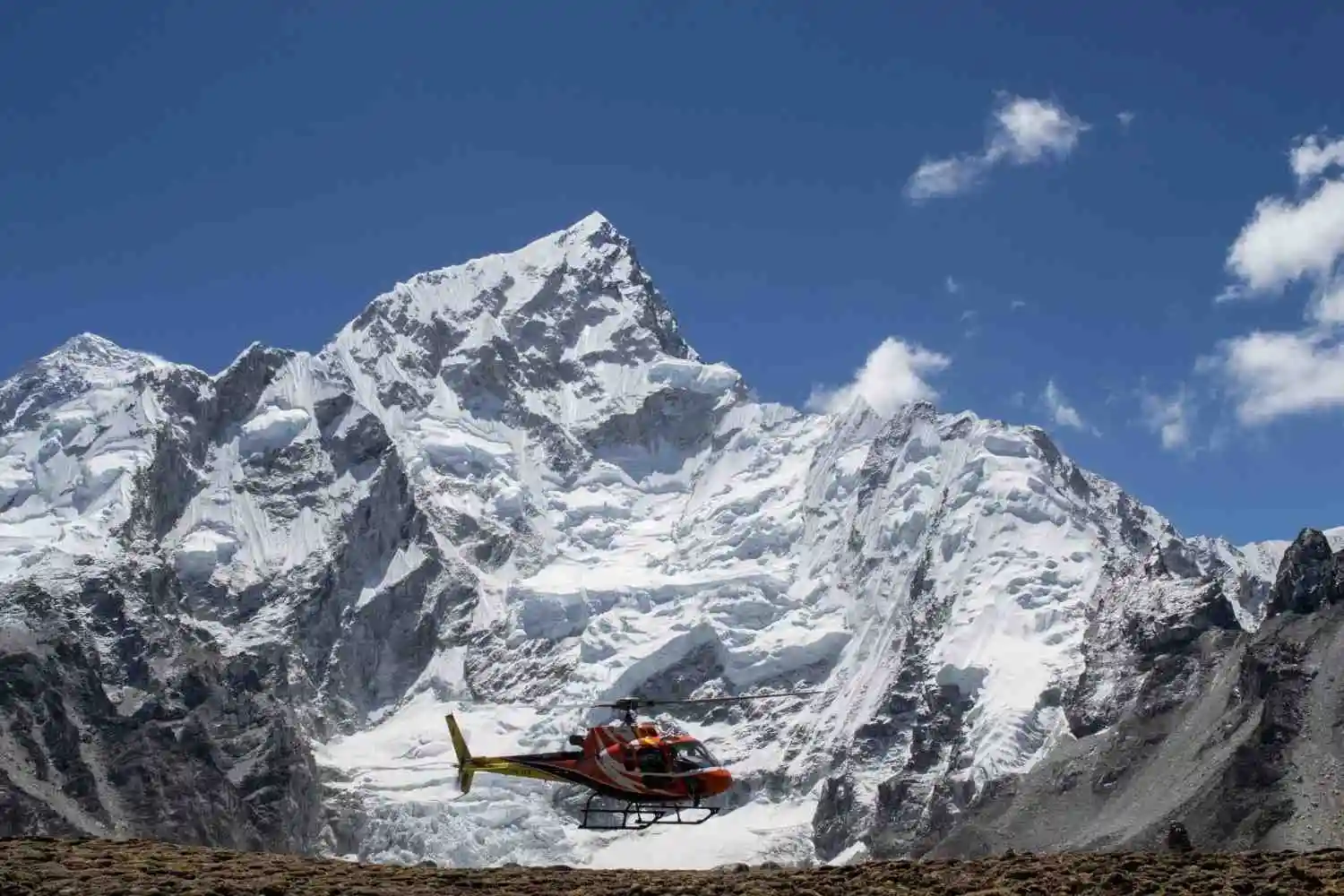
It’s crucial to recognize that now not all helicopter excursions are the same. Some are natural sightseeing flights in which you circle the peaks from the air and go back. Others include a real landing, in which you step out, take snapshots, breathe inside the thin mountain air, and soak in the views before flying back. The touchdown tours are more popular because they provide you with an experience of being there.
So why do human beings pick this over the classic trek? The reasons are pretty truthful. The EBC trek takes 12 to 14 days, calls for a very good fitness degree, and involves long days of walking at high altitude. The helicopter excursion offers you a taste of that Himalayan environment in only a few hours.
Here’s a quick look at how the two compare:
| Feature | EBC Trek | EBC Helicopter Tour |
| Duration | 12 to 14 Days | Few Hours |
| Walking | Extensive | Minimal |
| Accessibility | Moderate | Excellent |
Why Is the Everest Base Camp Helicopter Tour So Popular?
A few years ago, the Everest Base Camp Helicopter Tour became seen as a luxury experience. Today, it’s one of the most booked tours in Nepal.
The biggest draw is time. Not each person who desires to see Everest can take two weeks off work, arrange childcare, or spend months getting ready physically for an extreme-altitude trek. The helicopter tour solves that hassle completely. You can fly in from Kathmandu in the morning, reach the Everest vicinity, and be returned to the city by afternoon. For busy specialists and vacationers on tight itineraries, that type of performance is hard to overcome.
Then there’s the luxury facet of it. Nepal has historically been associated with backpacking and budget tours, but it really is changing. More travelers are actually seeking out top-class reviews, and a private helicopter flight over the Himalayas suits them perfectly. It feels exclusive, it is visually beautiful, and it comes with a tale worth telling.
Accessibility is another major factor. The EBC trek requires a good level of fitness and several days of acclimatization. For older vacationers, families with younger kids, or anybody managing physical boundaries, trekking to Base Camp virtually is not an alternative. The helicopter excursion opens up the Everest experience to those who would in any other case never get the chance.
This developing mix of luxury tour appeal, time-saving convenience, and wider accessibility is exactly why the Everest Base Camp Helicopter Tour maintains getting more popular every year.
What Is the Landing Experience Really Like?
Does the Helicopter Actually Land at Everest Base Camp?
This is one of the most common questions humans have, and the solution is slightly more nuanced than a simple yes or no.
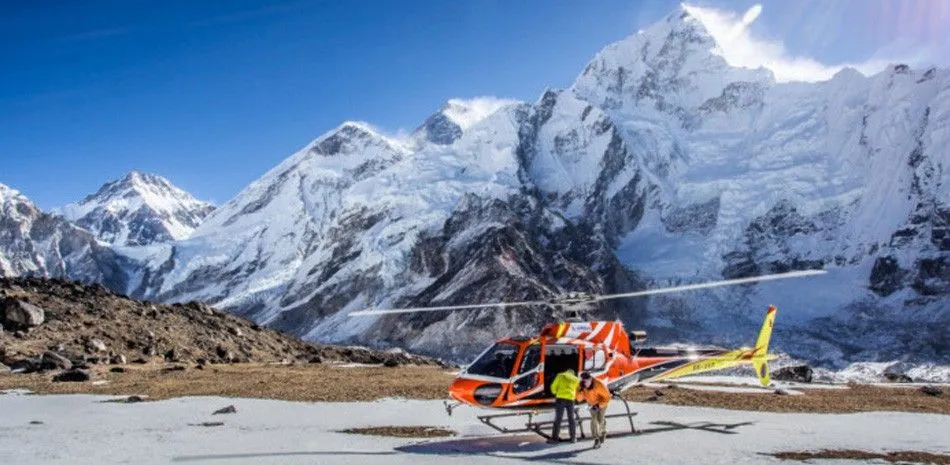
Most helicopter excursions that promote it as a “Base Camp touchdown” truly land at Kala Patthar in preference to at Everest Base Camp itself. This is due to the fact that Kala Patthar gives a clearer and greater dramatic view of Everest, while the real Base Camp is surrounded by the Khumbu Glacier and doesn’t provide the identical open sightlines. Some tours do land in the direction of Base Camp, and Kala Patthar has a tendency to be the preferred spot for most operators.
It’s additionally worth understanding that landings are in no way absolutely assured. Weather in the Himalayas can shift quickly, and pilots make the final call based on conditions on the day. Operational elements like wind pace, visibility, and air traffic at high altitudes can all have an effect on whether a touchdown happens or not. Reputable operators will usually prioritize safety over sticking to an agenda.
What Can You Expect During the Stop?
When the helicopter does land, you normally get around 10 to 15 mins on the floor. It sounds quick, however, without a doubt, it is sufficient to leave a lasting impression.
The perspectives from Kala Patthar are clearly breathtaking. You’ll have Mount Everest, Lhotse, and Nuptse proper in front of you, with nothing but open sky and snow-capped peaks all around. Most tourists spend the time taking images, catching their breath (actually, given the altitude), and just standing there taking all of it in.
Weather plays a large role in the ordinary revel. Clear mornings generally tend to provide fine visibility, which is why most flights are scheduled early in the day. Cloud cover can roll in through midday, so timing truly does count.
Is the Everest Base Camp Helicopter Tour Worth the Cost?
Let’s speak about the factor that makes most travelers pause before reserving: the fee.
The Everest Base Camp Helicopter Tour isn’t always cheap. Depending on whether or not you book a shared or private flight. The fee normally ranges from $1,000 to $1,500 USD consistent with man or woman for a shared tour, and might range up to $4,000 to $5,000 USD or greater for a fully private helicopter. These charges commonly include the flight, a permit at Kala Patthar or Base Camp, and breakfast at a mountain resort like Syangboche or Lukla on the way.
So why does it price that a good deal? A significant portion comes from running fees. Flying a helicopter at excessive altitudes requires specialized planes, surprisingly skilled pilots, aviation gasoline, and strict renovation standards. Add in the lets in, the coordination worries, and the limited flying windows every day, and the pricing starts to make more sense.
Now the real query: is it worth it?
When you evaluate it to the value of the EBC trek, which can run everywhere from $1,500 to $3,000 USD, while you factor in guides, permits, accommodation, equipment, and food over two weeks, the difference is not as large as people expect. And with the helicopter tour, you are getting the Everest experience in a single day with much less physical strain.
Here’s a simple cost-value breakdown:
| Factor | EBC Trek | EBC Helicopter Tour |
| Total Cost | $1,500 to $3,000+ | $1,000 to $5,000+ |
| Time Required | 12 to 14 Days | 4 to 5 Hours |
| Physical Demand | High | Low |
| Experience Depth | Immersive | Scenic highlight |
Is the Everest Base Camp Helicopter Tour Safe?
Safety is certainly one of the first things humans reflect onconsideration on when booking this excursion, and the sincere solution is that it’s miles commonly safe when accomplished through a good operator.
Nepal’s civil aviation authority regulates helicopter operations, and certified organizations observe strict guidelines around aircraft protection and pilot qualifications. The pilots flying these routes have masses of hours of excessive-altitude experience, so you’re in experienced hands.
That stated, climate is the most important variable. The Himalayas are regarded for instant-converting conditions, which is why maximum flights are scheduled early in the morning when visibility is first-rate. Good operators will put off or cancel flights without hesitation if conditions are not proper. For context on Everest’s broader safety record, our guide to how many people have died on Mount Everest covers what the real risk looks like across the mountain as a whole, not just this flight.
Altitude is also well worth keeping in mind. The excursion reaches above 5,000 meters, where oxygen levels are a whole lot lower than everyday. Most healthy travelers cope with the fast exposure exceptionally, but anyone with heart conditions, respiratory troubles, or a history of altitude illness should consult a physician first.
One easy rule: continually book with an authorized, properly-reviewed operator and ensure your travel insurance covers excessive-altitude helicopter flights.
Best Time for an Everest Base Camp Helicopter Tour
Spring and Autumn: The Best Seasons
Spring (March to May) and autumn (September to November) are broadly considered the best times to book. The skies are clearer, the climate is more stable, and visibility is at its best. You’re much more likely to get an easy flight and a successful landing for the duration of these months. It’s additionally, while most climbers are lively in the place, this provides a positive strength to the whole experience.
The drawback is that those are peak travel seasons, so availability fills up fast. If you’re making plans to go throughout spring or autumn, reserving properly in advance is strongly recommended.
Winter and Monsoon: What to Expect
Winter (December to February) brings cold temperatures and occasional snowfall, clean days do happen, and the mountains appear beautiful with sparkling snow. Flights are feasible but much less predictable.
Monsoon season (June to August) is the most difficult time. Heavy rainfall, thick cloud cover, and poor visibility make flights difficult, and cancellations are not unusual. Most skilled operators propose booking throughout this period, except you have a totally flexible timetable.
In short, in case you want the exceptional threat of clear skies and a memorable experience, plan your Everest Base Camp Helicopter Tour for spring or autumn.
Everest Base Camp Helicopter Tour vs Everest Base Camp Trek
Both options lead you to the equally breathtaking vacation spot; the adventure and experience are very specific.
The trek is a 12 to 14-day journey that takes you through Sherpa villages, Buddhist monasteries, and dramatic mountain landscapes. It’s physically demanding but deeply profitable. You acclimatize regularly, connect with neighborhood culture, and earn each view in a manner.
The helicopter tour condenses all of that into a few hours. You pass the trails but get the long-lasting Everest views. It’s best for those who want the highlight without the overall dedication.
Cost-sensitive, the 2 alternatives are closer than most people anticipate when you factor in everything included in the trek.
| Factor | EBC Trek | EBC Helicopter Tour |
| Duration | 12 to 14 Days | 4 to 5 Hours |
| Cost | $1,500 to $3,000+ | $1,000 to $5,000+ |
| Physical Demand | High | Low |
| Cultural Experience | Deep | Limited |
| Best For | Adventure seekers | Time-limited travelers |
Simply put, choose the trek if the journey matters as much as the destination. Choose the helicopter tour if you want Everest without the weeks of walking.
Who Should Choose the Everest Base Camp Helicopter Tour?
This tour isn’t for everybody, but for the right vacationer, it’s definitely the best.
- Luxury travelers who need a top-rate Himalayan experience without roughing it on mountain trails will love every minute of it.
- Busy experts with restrained holiday time can tick Everest off their bucket list in a single day without taking weeks off work.
- Senior tourists and those with physical limitations who cannot control the needs of high-altitude trekking can nevertheless enjoy the magic of Everest up near.
- Families with younger kids who need to share the Everest experience without setting the kids through weeks of strenuous trekking.
- First-time Nepal site visitors who need a short but unforgettable introduction to the Himalayas.
On the other hand, the helicopter excursion won’t be the right fit if cultural immersion is important to you, if you experience the process of trekking, or if you want the entire bodily and emotional journey that the EBC trek offers. For those travelers, the trek will constantly be the more pleasing preference.
Everest Helicopter Tour: What to Bring?
While the tour is short, the weather in the mountains is unreliable. We need some items along with you, including:
1. Passport (Passport or ID)
At the airport, you will go through a check-in procedure with a valid passport or any government-issued ID to authenticate and permit you to board. Take it with you in some empty pocket or pouch.
2. Warm jacket (fleece/ waterproof)
Although Kathmandu may be hot, the Himalayas are cold- especially above 4,000 meters. A windproof/waterproof coat or a fleece will also make you comfortable in short landings.
3. Gloves, Hat, Sunglasses, sunscreen
The sun is so intense at high altitude, and the wind is so nasty. With sunglasses to avoid glare on the snow, sunburn-preventing sunscreen, gloves, and a hat to keep off the cold breeze, you are now set.
4. Camera or Smartphone and additional batteries
The landscape is just stunning and will make you desire to record all of it. Batteries get depleted at a faster rate in cold weather conditions; hence, pack a power bank or an extra set of batteries to capture those once-in-a-lifetime moments.
5. Light and Water Snacks
The tour is brief; however, it is worthwhile to be hydrated at altitude. Always have a small bottle of water and a few light snacks (energy bar or chocolate) to have a mid-day pick-me-up.
6. Pack Light: Weight Limitations
Helicopters are restricted in their weights, and it is therefore important not to overpack. Keep things easy and safe by bringing only the bare necessities in a small backpack.
Final Thoughts: Is It Worth It?
Once in Nepal, and Everest starts calling your name, all you have to do is take a shortcut to the top of the world via a helicopter tour. It may be a bucket list entry, a last-minute adventure, or a well-thought-out trip, but the trip to Everest Base Camp Helicopter Tour is a genius option to experience touching the sky without even sweating. Trekking strengthens the soul, but flying creates memories quickly, bright, and stunning.
It is the experience that you will reminisce about to your grandchildren. If you’re planning around a specific month, our guide to how cold Everest Base Camp gets in March covers what to expect from the ground, whether you fly or walk in. No blisters. None of those altitude tents. Only the glimpse of the Himalayas from the bird’s eye and the total silence of the rooftop of the world in the lens of your very feet. Whether you are a photographer and need a perfect shot of the Himalaya, a couple on a honeymoon looking to make some lifetime memories, or a working tourist who will be glad to afford extra height of pleasure, the Everest Base Camp Helicopter Tour is that type of vacation that takes away more than it takes. Loved the idea of our Everest Base Camp helicopter tour, but crave the iconic trekking experience? We also offer the perfect hybrid adventure: the Everest Base Camp Trek with helicopter return.
For more on what to expect and where to book with confidence, our guides to choosing an Everest Base Camp trek agency in Kathmandu and safe trekking places in Nepal for March 2026 cover what to look for before you commit.
Frequently Asked Questions (FAQs) about EBC Helicopter Tour
Is the Everest Base Camp Helicopter Tour worth it?
If you have limited time and need to peer Everest up close, actually. It gives you one of the most breathtaking perspectives on earth without requiring weeks of hiking. For most vacationers, it’s an experience they keep in mind for the relaxation in their lives.
Does the helicopter land at Everest Base Camp?
Most tours land at Kala Patthar in preference to Base Camp itself, because it gives clearer and extra dramatic perspectives of Everest. Some tours do include a stop in the direction of Base Camp, so it’s well worth confirming the precise itinerary together with your operator earlier than reserving.
How long is the tour?
The full trip commonly takes 4 to 5 hours, including the flight, the landing stop, and breakfast at a mountain inn along the way. It’s designed to be a comfortable 1/2-day experience that fits effortlessly into a tight tour timetable.
What is the highest altitude reached?
Most tours attain around 5,545 meters at Kala Patthar. This is substantially better than the maximum people ever get in their lifetime, and the skinny air is major even during the short time you spend on the ground.
Is it safe for children and seniors?
Generally, yes, as long as they’re in reasonable fitness. However, absolutely everyone with heart conditions, respiratory issues, or a history of altitude sickness should seek advice from a medical doctor before booking to make sure it’s a safe alternative for them.
What happens if the weather is bad?
Reputable operators will reschedule or offer a refund if the flight can’t depart on time because of terrible situations. This is why it is always an amazing concept to maintain a buffer day on your itinerary, so a weather postponement would not disrupt your complete trip.