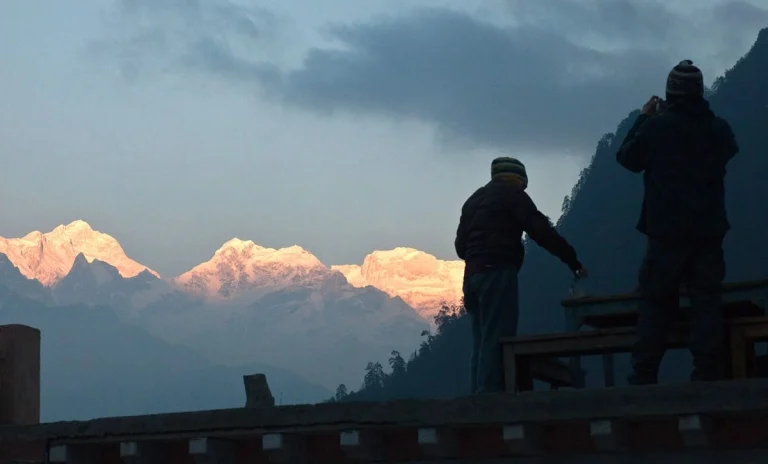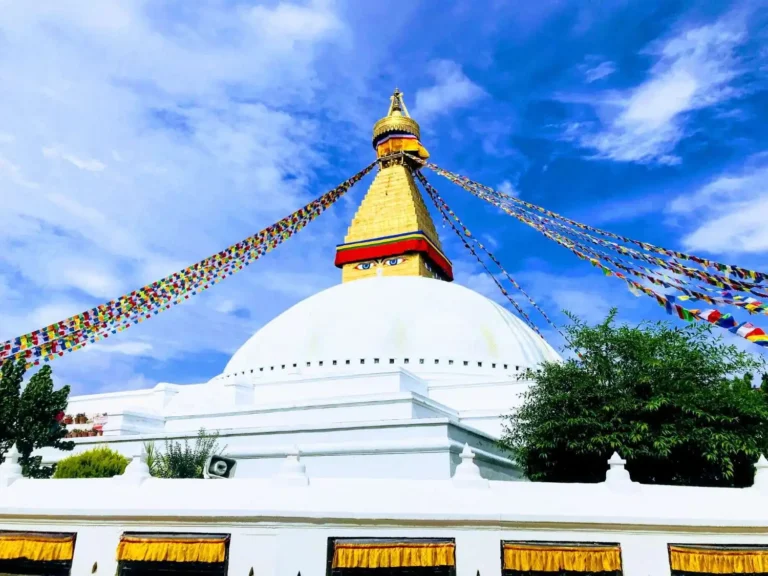
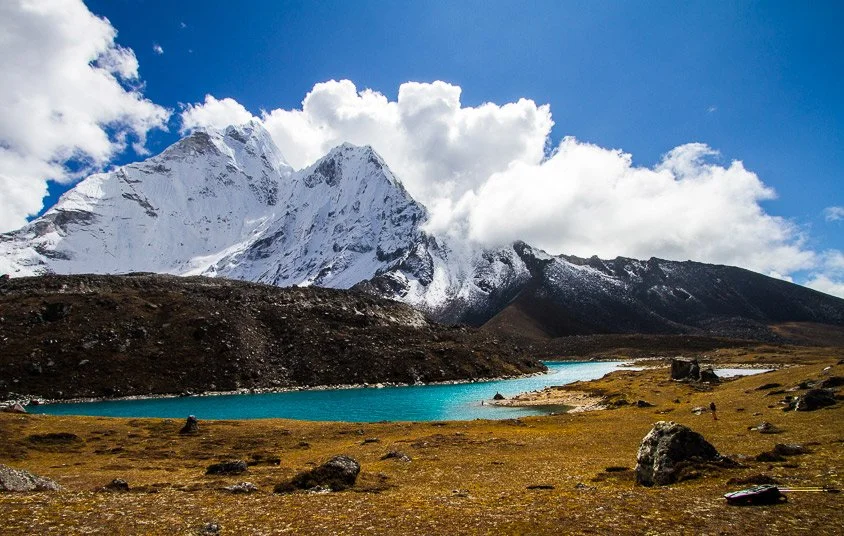
Nepal transforms every autumn. The monsoon clears, the Himalayas reveal themselves in sharp, stunning detail, and the whole country steps into its most celebrated festive season. Exploring Nepal during Dashain and Tihar places you right at the center of that transformation, where clear mountain trails meet streets filled with marigold garlands, oil lamps, and the sound of Deusi-Bhailo songs echoing through ancient courtyards.
These fairs do not just mark dates on a calendar. Dashain and Tihar are deeply woven into Nepali identity. They bring households back home from across Nepal and abroad, fill temple squares with worshippers, turn towns into rivers of light, and deliver trekking trails a cultural heartbeat that no other season can replicate.
This guide covers everything you need to know before you go: the fairs themselves, the must-see attractions, the best locations to be, the top trekking routes, and the realistic hints that make your journey easy.
Why Dashain and Tihar Are the Best Times to Explore Nepal
The Autumn Weather Makes Every Day Count
September through November offers Nepal’s most stable and rewarding weather. The monsoon retreats through mid-September, leaving behind landscapes that appear freshly painted. Rivers run clear. Forests glow in deep inexperienced. And most significantly, the skies above the Himalayas stay open.
Daytime temperatures inside the Kathmandu Valley comfortably sit between 15°C and 25°C. At hiking altitudes, you can count on cool mornings and evenings with hot afternoons, perfect situations for long days on the trail without the warmth exhaustion of spring or the bitter cold of winter. Visibility from viewpoints like Poon Hill and Kalapatthar reaches its annual peak in the course of these months, providing you with unobstructed panoramas of Annapurna, Dhaulagiri, and Everest.
Post-monsoon flora adds another layer of splendor. The rhododendron forests along the Annapurna and Everest trails appear lush and alive, and the terraced fields around mountain villages flip golden as harvest arrives.
Nepal’s Biggest Festivals Create a Once-in-a-Lifetime Atmosphere
Dashain and Tihar collectively span almost three weeks of celebrations. Dashain, Nepal’s longest festival, runs for 15 days and centers on the worship of Goddess Durga. Tihar follows without delay, bringing five days of lighting, animal worship, and community singing that spill into every neighborhood throughout the country.
International travelers who visit Nepal outside this period experience its temples, mountains, and trekking routes. Travelers who come during Dashain and Tihar see the soul of Nepal. Teahouses in mountain villages dangle Tika and marigold decorations. Local courses return home for family gatherings and are available again to the paths with stories. Cities light up in ways that rival festivals everywhere in the world.
The aggregate of the autumn hiking season and the festival season makes this the best time to visit Nepal.
Understanding the Dashain Festival in Nepal
What Is Dashain and Why Do Nepalis Celebrate It?
Dashain stands as Nepal’s most vital Hindu festival. Celebrated throughout 15 days, normally falling in October, Dashain marks the victory of Goddess Durga over the demon Mahishasura, a triumph of good over evil that Nepali Hindus honor with prayers, family gatherings, and ritual offerings.
The festival follows a lunar calendar, so the precise dates shift every year. The maximum considerable days are Ghatasthapana (the first day, whilst sacred clay pots are planted with barley seeds known as Jamara), Fulpati (the 7th day, when the Jamara reaches the royal palace in Kathmandu), Maha Ashtami and Maha Navami (days of extensive worship and animal sacrifice), and Vijaya Dashami (the 10th and most celebrated day, when elders bless more youthful family participants with Tika).
Dashain pulls Nepalis home from everywhere. Workers leave cities. Students return from overseas. Entire communities reunite beneath one roof. For a vacationer, witnessing this mass homecoming and the warmth it carries offers insight into Nepali family culture that no museum or guidebook can convey.
Cultural Experiences You Must Not Miss During Dashain
Receiving Tika and Jamara stands at the heart of Dashain. On Vijaya Dashami, elders put Tika (crafted from vermillion, yogurt, and rice) on the foreheads of more youthful family members, even as placing green Jamara (sprouted barley) above their ears. If a Nepali host invites you to take part in this blessing, accept with both arms. It is one of the most generous gestures of inclusion a traveler can acquire.
Kite flying fills the skies throughout Nepal during Dashain. Children and adults release colorful kites from rooftops and open fields, and the subculture contains a practical starting place: the wind patterns at some point of this season make kites fly flawlessly. Watch the skies above Kathmandu’s old neighborhoods, and you may see loads of them right now.
Linge Ping, the traditional bamboo swing, appears in courtyards and open grounds throughout Nepal in the course of Dashain. Communities construct those big swings from bamboo poles, and each youngster and adult takes turns. In mountain villages in particular, the Linge Ping will become a community gathering factor for the entire festive period.
Traditional feasts outline Dashain evenings. Khasi Ko Masu (goat meat curry) holds the middle stage on each Dashain dinner table. Families put it together with care and serve it with rice and seasonal vegetables. If you stay in a locally-run guesthouse or get invited to a family home, assume hospitality and warm conversations.
Best Places to Experience Dashain
Kathmandu Valley gives you the fullest picture of Dashain. The Kumari Chowk in Patan, the Taleju Temple in Bhaktapur Durbar Square, and the Hanuman Dhoka complex in Kathmandu all host rituals and processions that draw locals and visitors alike. Bhaktapur especially slows down right into a deeply conventional mode for the duration of Dashain, with fewer traveler crowds and greater true rites.
Pokhara celebrates Dashain with a comfortable network experience. The lakeside region fills with neighborhood households taking their vacations, and the mountain backdrop of Annapurna and Machhapuchhre makes each morning view feel like a reward.
Mountain villages alongside hiking routes provide the most intimate Dashain celebrations. Villages like Ghandruk on the Annapurna path, Namche Bazaar on the Everest path, and Langtang village enhance their teahouses and community areas for the festival. Trekkers who pass through during Dashain frequently discover themselves invited into neighborhood celebrations, a connection that stays with them long after the trek ends.
Understanding Tihar: Nepal’s Festival of Lights
What Makes Tihar Unlike Any Other Festival in Nepal?
Tihar arrives only a few weeks after Dashain, normally in October or November, and in which Dashain centers on one’s own family and divine worship, Tihar spreads its birthday party outward to animals, groups, and the herbal world. Nepalis have fun with Tihar across five consecutive days, each dedicated to a unique being or deity.
What makes Tihar visually unforgettable is the light. Every household lines its windows, doorways, and rooftops with oil lamps and candles. Streets glow from dusk until nighttime. The Kathmandu Valley on the course of the Laxmi Puja night looks as if a constellation had landed on earth.
Tihar additionally contains a gentleness that tourists immediately notice. The festival asks Nepalis to honor the animals that share their lives, crows, dogs, and cows, before turning to goddess worship and family rituals. That combination of reverence for nature and community birthday celebration gives Tihar a warm temperature that feels genuinely rare.
The Five Days of Tihar: What Happens Each Day
Kaag Tihar (Day 1) opens the festival with worship of crows. Nepalis offer meals on their rooftops at dawn for crows, which Hindu tradition considers messengers of Yama, the god of death. Honoring the crow brings precise information and wards off sorrow for the household.
Kukur Tihar (Day 2) is the day that stops visitors in their tracks. Nepal worships puppies. Every canine, such as avenue dogs, gets a garland of marigolds around its neck, a Tika on its forehead, and a plate of excellent meals. Shelters and families each take part. If you walk through Kathmandu or any Nepali town on Kukur Tihar morning, you will see dogs wearing flower garlands and looking absolutely pleased about it. This tradition has earned worldwide attention and reflects a facet of the Nepali way of life that travelers deeply admire.
Gai Tihar (Day 3) honors cows, which Hinduism considers sacred. Cows acquire garlands and are worshiped in the morning. The equal evening marks Laxmi Puja, the most visually spectacular second of Tihar. Households light oil lamps and candles along every surface to welcome Goddess Laxmi, the deity of wealth and prosperity, into their homes. Rangoli designs crafted from colored powder and flower petals enhance doorsteps. The whole country glows.
Maha Puja and Govardhan Puja (Day 4) carry significance in the Newar community of the Kathmandu Valley. Newars celebrate Mha Puja, a ritual of self-worship that marks the Newari New Year. This day also honors Lord Krishna’s victory over Indra in the Hindu subculture.
Bhai Tika (Day 5) closes Tihar with a celebration of the bond between brothers and sisters. Sisters apply a seven-coloured Tika on their brothers’ foreheads and pray for their long life and fitness. Brothers give items to go back. The ritual mirrors Dashain’s Tika ceremony, but carries its own distinct intimacy and emotional weight. Families reunite, share sweets, and celebrate together.
How to Experience Deusi-Bhailo as a Traveler
Deusi-Bhailo is the musical tradition that makes Tihar evenings come alive in each community. Groups of young men sing Deusi songs at the same time as going door to door, and groups of young women sing Bhailo. Each family welcomes them, listens to the songs, and offers cash or chocolates in return. The trade is joyful, loud, and completely communal.
As a traveler, you do not need an invitation to enjoy Deusi-Bhailo. Simply stroll through residential neighborhoods in Kathmandu, Pokhara, or Bhaktapur after dark in the course of Tihar, and you may hear singing from a couple of houses right away. In Thamel and Patan, companies often perform near guesthouses and open courtyards where visitors certainly accumulate.
If you need a deeper experience, ask your guesthouse host or local guide whether any network companies welcome site visitors to sign up for their Deusi-Bhailo rounds. Many do. Carrying a small contribution to provide at every doorstep makes the experience even more authentic and indicates respect for the culture.
For trekkers on the trail at some point during Tihar, teahouses in villages like Ghandruk, Chhomrong, and Lukla host their personal Deusi-Bhailo evenings. Sitting around a hearth while a local motel team of workers sings festival songs after a protracted day on the path is an experience that puts most other travel memories to shame.
Best Places to Visit During Dashain and Tihar
Kathmandu Valley: The Epicenter of Festival Nepal
Kathmandu Valley holds the maximum focused festive energy within the country at some point of both Dashain and Tihar. Three towns take a seat inside the valley, and each one celebrates in another way.
- Kathmandu town gives you scale. The Hanuman Dhoka Durbar Square fills with worshippers in the course of Dashain, and the Kumari, Nepal’s residing goddess, makes an unprecedented public appearance at some stage in Indra Jatra, which regularly overlaps with the early Dashain period. During Tihar, the Thamel area transforms at night. Shopkeepers line their storefronts with oil lamps, marigold strings hang between buildings, and the commonly chaotic streets take on a festive, almost magical calm after sundown.
- Bhaktapur merits its own day. This medieval city runs its fairs with a seriousness and authenticity that Kathmandu’s more traveler-heavy center cannot usually fit. The Dattatraya Square and Taumadhi Square become open-air ritual areas for the duration of Dashain. Locals dress in traditional Newari apparel, temple monks perform ceremonies that have run uninterrupted for centuries, and the absence of huge visitor crowds makes each moment personal. During Tihar, Bhaktapur’s slim lanes glow with clay lamps in a manner that feels sincerely ancient.
- Patan, with its dense concentration of courtyards and temples, hosts Tihar’s Maha Puja with particular energy. The Newar network celebrates their new yr right here with ceremonies that open the courtyards of personal homes and community areas to visitors who show respectful interest.
Pokhara: Mountains, Lakes, and a Relaxed Festival Atmosphere
Pokhara celebrates Dashain and Tihar with a warmth that matches its reputation as Nepal’s most welcoming city. The Phewa Lake region fills with neighborhood families at some stage in the festival vacation, and the Annapurna range, unobstructed in autumn skies, frames every morning with a view that reminds you precisely where you’re.
Pokhara fits tourists who need a pageant atmosphere without the depth of Kathmandu. Lakeside restaurants serve special Dashain menus. Local families picnic by the lake. During Tihar, the metropolis’s hillside neighborhoods and older Newari quarters light up beautifully, and Deusi-Bhailo organizations move through the streets from early evening onward.
Pokhara also works flawlessly as a base for the Ghorepani Poon Hill Trek and the Annapurna Base Camp Trek, each of which provides high-quality pageant-season studies in mountain villages only a few hours from the city.
Bandipur: The Perfectly Preserved Festival Town
Bandipur sits on a hilltop ridge between Kathmandu and Pokhara, and it offers vacationers something neither city can fully offer: an untouched Newari metropolis that celebrates festivals exactly because it has for generations. No traffic actions through Bandipur’s principal street. Merchant homes from the 18th and 19th centuries line the paved walkway, and at some stage in Dashain and Tihar, the complete city is decorated with care and pride that reflects deep network identification.
The mountain views from Bandipur on some stage in clean autumn mornings include Annapurna, Manaslu, and Dhaulagiri. Combine those perspectives with festival lighting fixtures on the ancient, fundamental street at night, and Bandipur will become one of the most underrated stops on any Nepal itinerary during this season.
Lumbini: A Peaceful Alternative During the Festive Season
Lumbini, the birthplace of the Buddha, offers an extraordinary sort of festival celebrations. While Hindu galas dominate Nepal’s autumn calendar, Lumbini’s sacred garden and international monastery region provide a contemplative counterpoint. Travelers who want a quieter few days among the energy of Dashain and Tihar find Lumbini deeply restorative.

The site stays available and peaceful for the duration of the festive period, and the surrounding Terai area shows its own neighborhood Tharu community celebrations at some stage in this time, giving you a glimpse into a culture that differs considerably from the hill groups.
Chitwan: Wildlife and Jungle Culture During Festival Season
Chitwan National Park continues its rhythm all through Dashain and Tihar. Elephant safaris, jeep drives, and canoe journeys through the Rapti River hold through the festive length, and the Tharu cultural performances in nearby villages comprise their own festival traditions that run parallel to the country-wide celebrations.
Chitwan works nicely as the third stop on a traditional Nepal triangle course: Kathmandu for fairs, Pokhara for mountains and hiking, Chitwan for wildlife, all during the same autumn ride.
Best Trekking Experiences During Dashain and Tihar
Autumn is Nepal’s top hiking season, and Dashain and Tihar fall properly in the middle of it. Trails live dry, skies live clear, and mountain villages alongside each main path bring festival strength that adds a cultural dimension to your trek. Before you head out, take a look at our complete Nepal trekking permit guides so paperwork no longer slows you down.
Ghorepani Poon Hill Trek (three to five Days)
The Poon Hill Trek suits first-time trekkers perfectly. The trail passes via Gurung and Magar villages, wherein Dashain swings and decorations greet you at every teahouse. The dawn panorama from Poon Hill at 3,210m, with Annapurna South and Dhaulagiri glowing in early mild, rewards even the most informal hiker.
Annapurna Base Camp Trek (7 to 10 Days)
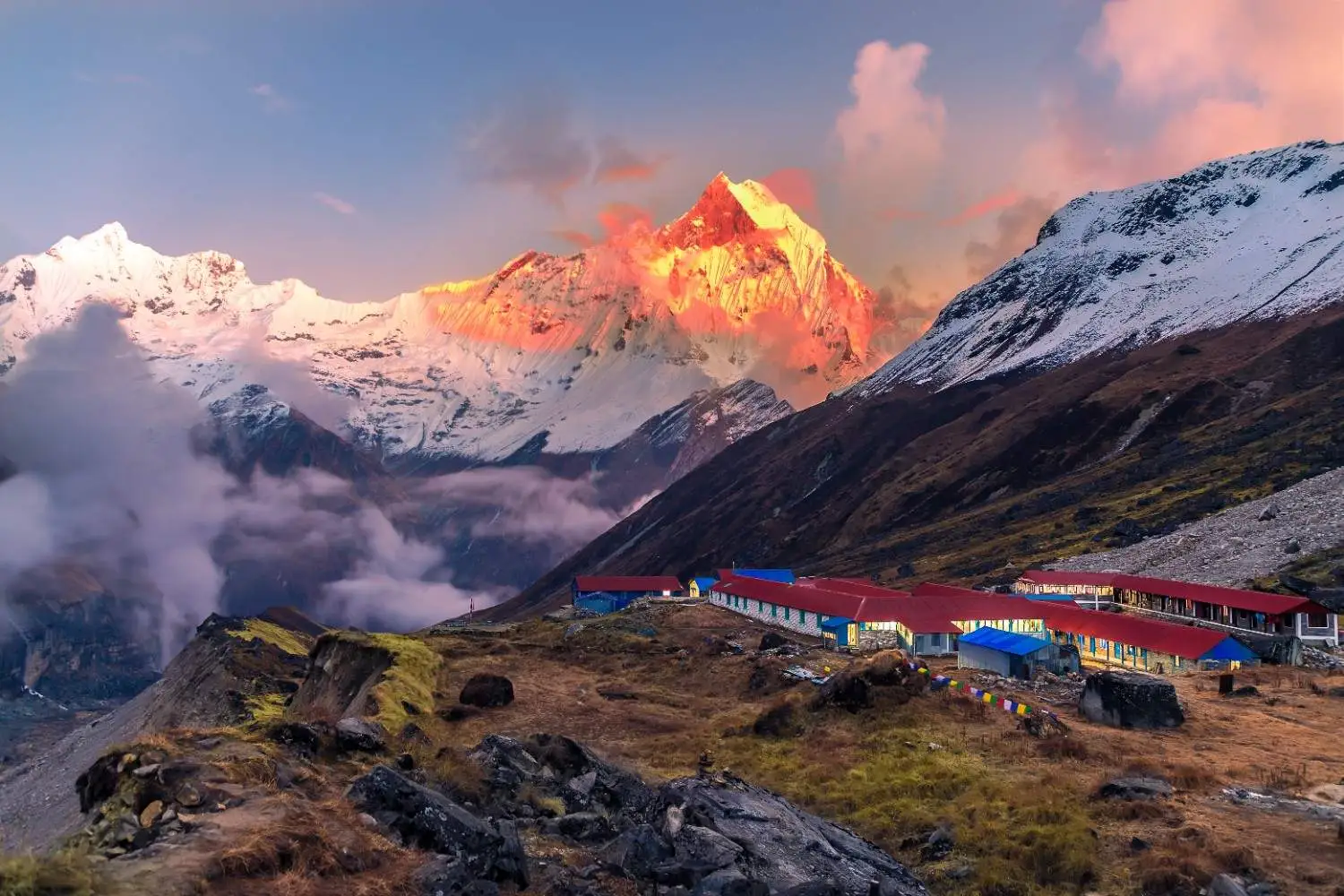
The Annapurna Base Camp Trek takes you deep into the Gurung heartland throughout the festival season. Villages like Ghandruk and Chhomrong host Deusi-Bhailo evenings throughout Tihar that trekkers frequently name the highlight of their whole trip. The amphitheater of peaks surrounding the base camp at 4,130m is otherwise, whilst the fall sky is completely clear.
Everest Base Camp Trek (12 to 14 Days)
The Everest Base Camp Trek in the course of autumn puts you in Sherpa villages at their most festive. Namche Bazaar and Tengboche celebrate with particular strength, and the high-altitude perspectives for the duration of October and November are the clearest of the yr. This is the height of the season at the course, so book your permits and teahouses properly earlier.
Langtang Valley Trek (7 to ten Days)
The Langtang Valley Trek offers simpler Kathmandu access and fewer crowds than the Everest or Annapurna routes. Tamang villages alongside the path celebrate both Dashain and Tihar with their very own distinct cultural taste. The valley itself, framed by Langtang Lirung and Gangchenpo, appears mind-blowing below clear autumn skies.
Mardi Himal Trek (five to 7 Days)
The Mardi Himal Trek remains one of Annapurna’s best-kept secrets and takes place during Nepal’s biggest festivals. Shorter and less trafficked than the traditional routes, it provides near-up perspectives of Mardi Himal and Machhapuchhre with a quiet that the busier trails cannot offer. Perfect in case you want a genuine festival season trek without the crowds.
For packing for steerage before any of these treks, our Nepal trekking packing list covers the whole thing you need for trekking season conditions.
Cultural Experiences Beyond Trekking
Festival Foods You Should Try
Dashain and Tihar carry particular meals to every Nepali desk that you sincerely cannot find the rest of the 12 months within the same form.
Sel Roti is a candy, crispy rice flour ring fried in oil and served at the course of each gala. Street providers and domestic kitchens produce them in batches, and the smell of my own attracts you in. Khasi Ko Masu, slow-cooked goat curry, anchors each Dashain feast. Anarsa, a sesame-lined rice candy, seems throughout Tihar particularly and incorporates a nutty, dense sweetness that pairs flawlessly with Nepali tea.
Ask your guesthouse host or nearby guide where households purchase festival candies in their neighborhood. Those small neighborhood stores beat any restaurant for genuine taste.
Visit Local Markets and Temple Spaces
Festival markets around Asan Tole in Kathmandu, Patan Durbar Square, and Pokhara’s older bazaar regions fill with marigold sellers, clay lamp providers, and candy shops for the duration of both galas. Walking through those markets gives you a ground-level view of how Nepalis put together a celebration.
Temple courtyards throughout Dashain welcome respectful site visitors. Remove your footwear, get dressed modestly, and ask before photographing rituals. Most locals respect genuine interest and could happily give an explanation for what a ceremony means.
Join Community Celebrations
Many community Deusi-Bhailo businesses in Kathmandu and Pokhara welcome vacationers who need to sign up for their night rounds. Your guesthouse host can join you with local businesses. Contributing a small quantity at every doorstep suggests respect and gets you smiles anywhere you go.
Travel Tips for Visiting Nepal During Dashain and Tihar
Book Everything Early:
Domestic flights among Kathmandu, Pokhara, and Bharatpur are promoted weeks earlier than Dashain. Tourist buses fill up quickly, too. Book transportation at least 3 to 4 weeks beforehand. Teahouses on famous hiking routes additionally reach full capacity throughout peak festival season, so verify your lodging earlier than you start on foot.
Guides and Porters Take Festival Leave:
Many skilled guides and porters go back to their home villages in the course of Dashain. Arrange your hiking crew properly before the festival starts offevolved. Reputable hiking businesses like Nepal Outdoor Expeditions plan around this and keep dependable groups available during the season.
Plan Around Festival Closures
Government offices, banks, and lots of stores are closed for prolonged periods in the course of Dashain. Complete any permit paperwork, forex, and equipment shopping before the primary festival days begin. Trekking in the Annapurna and Everest areas requires planning regardless, so examine our altitude sickness guide along with your permit tick list to put together fully.
Respect Local Customs
Dress conservatively near temples and in the course of ceremonies. Ask permission earlier than photographing Tika rituals or animal worship on Kukur Tihar. Accept food and benefits offered by hosts with your right hand or both hands. These small gestures of admiration open doorways that no sum of money should buy.
Is Nepal Worth Visiting During Dashain and Tihar?
The answer is simple: the post-monsoon season represents Nepal at its absolute best.
The weather cooperates absolutely. The mountains stay seen. The trails run dry and are properly maintained. And layered on the pinnacle of all that, the whole country celebrates in ways that turn an already wonderful experience into something clearly unforgettable.
Dashain gives you your own family warmth, historical rituals, and a front-row seat to how 30 million human beings express gratitude and faith together. Tihar adds light, music, and a five-day celebration of relationships among humans, animals, and the divine. Together, they create an environment that no other journey destination inside the global replicates at any point of this season.
Trekkers get the best of both worlds: clear Himalayan skies and cultural immersion at every teahouse forestall. Cultural vacationers get ceremonies, ingredients, and network celebrations that go a long way deeper than surface-level tourism. And vacationers who really want to feel honestly welcomed someplace will find that Nepal, at some point during the festivals, grants that extra warmth that almost anywhere else.
Plan beforehand, recognize the traditions, and allow the season to set the pace. Nepal, throughout the festive period, no longer wants embellishment. It speaks entirely for itself.
Ready to plot your trip? Explore our Nepal festival season applications or get in touch with the Nepal Outdoor Expeditions team without delay, and we will build the proper itinerary around the fairs and treks that count the most to you.
FAQs
When exactly do Dashain and Tihar fall in 2026?
Dashain 2026 starts on October 11 with Ghatasthapana, and Vijaya Dashami falls on October 21. Tihar 2026 runs from November 7 to November 11. Both fairs follow the lunar calendar, so dates shift slightly each 12 months.
Can foreigners participate in Dashain and Tihar rituals?
Yes. Nepalis clearly welcome respectful foreign participation. Receiving Tika from a host family, becoming a member of Deusi-Bhailo rounds all through Tihar, and sharing festival meals are all things locals thankfully make bigger for visitors. Dress modestly, accept services with each finger, and ask earlier than photographing private rituals.
Do trekking trails stay open during Dashain and Tihar?
All essential trails such as Everest Base Camp, Annapurna Base Camp, Langtang, and Poon Hill continue to be fully open for the duration of each gala. Teahouses operate typically, even though booking in advance is crucial, considering the festival season is the top season, and rooms fill rapidly.
Is it harder to travel around Nepal during the festival period?
Domestic flights and buses run on normal schedules; however sell out fast due to Nepalis travelling domestically for Dashain. Book transportation 3 to four weeks in advance. Some government offices and banks will be closed at some point during the main festival days, so deal with permits and currency exchange ahead of time.
What should travelers pack for Nepal during Dashain and Tihar?
October-November period days sense heat; however, mornings and evenings calm down quickly, mainly at altitude. Pack light layers, a solid rain jacket, and comfortable walking shoes for metropolis exploration. For hiking, our Nepal trekking packing list covers everything the season demands.
Is altitude sickness a concern during the autumn trekking season?
Altitude illness influences trekkers no matter the season, along with the trekking season. Acclimatizing properly, ascending gradually, and spotting early signs count on every high-altitude route. Read our whole altitude illness manual before heading above 3, 000m.