
Overview
Highlights
The Ghorepani Poon Hill Trek is brief yet memorable. Each day blends nature, culture, and mountain views that make the journey feel full in a little time.
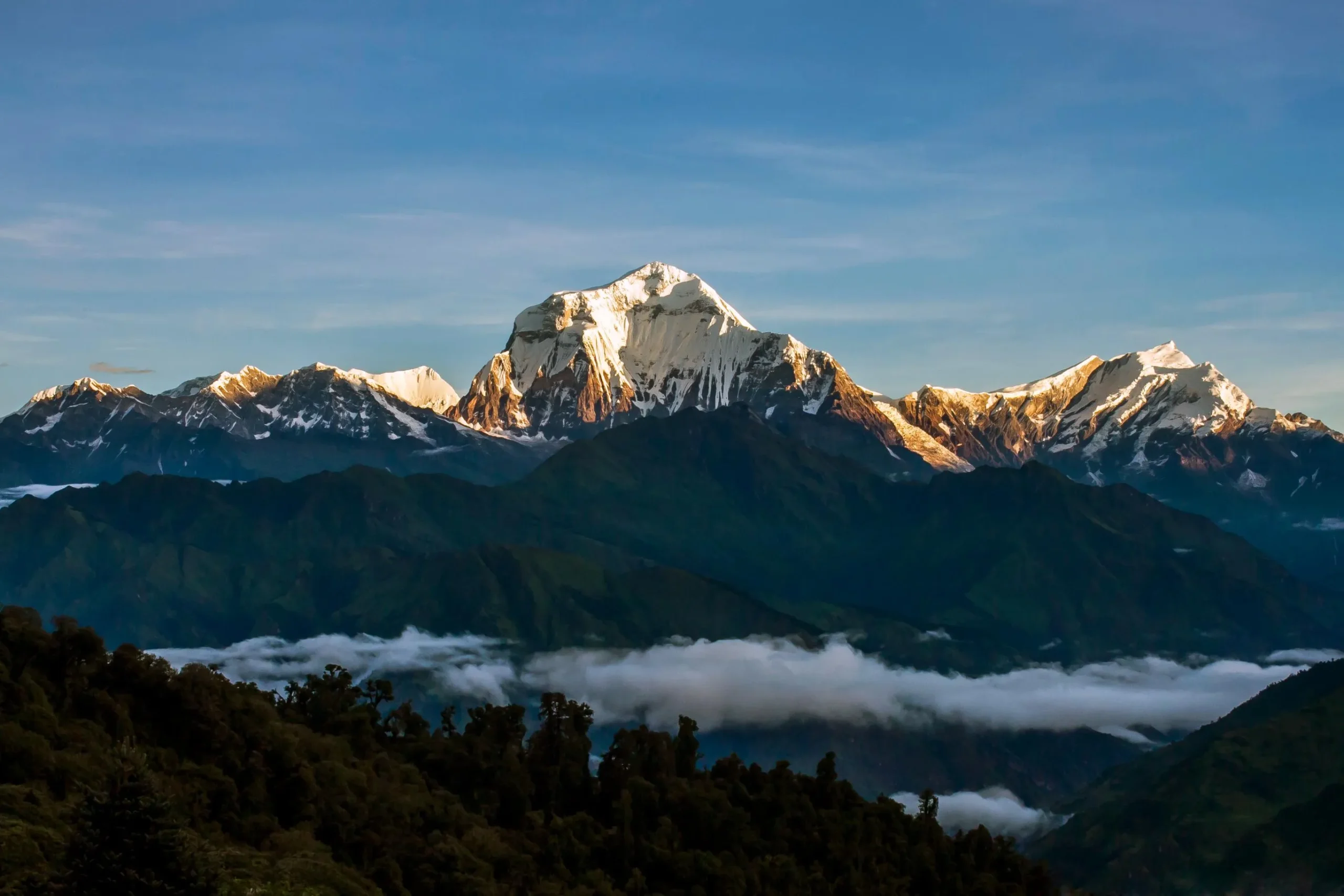
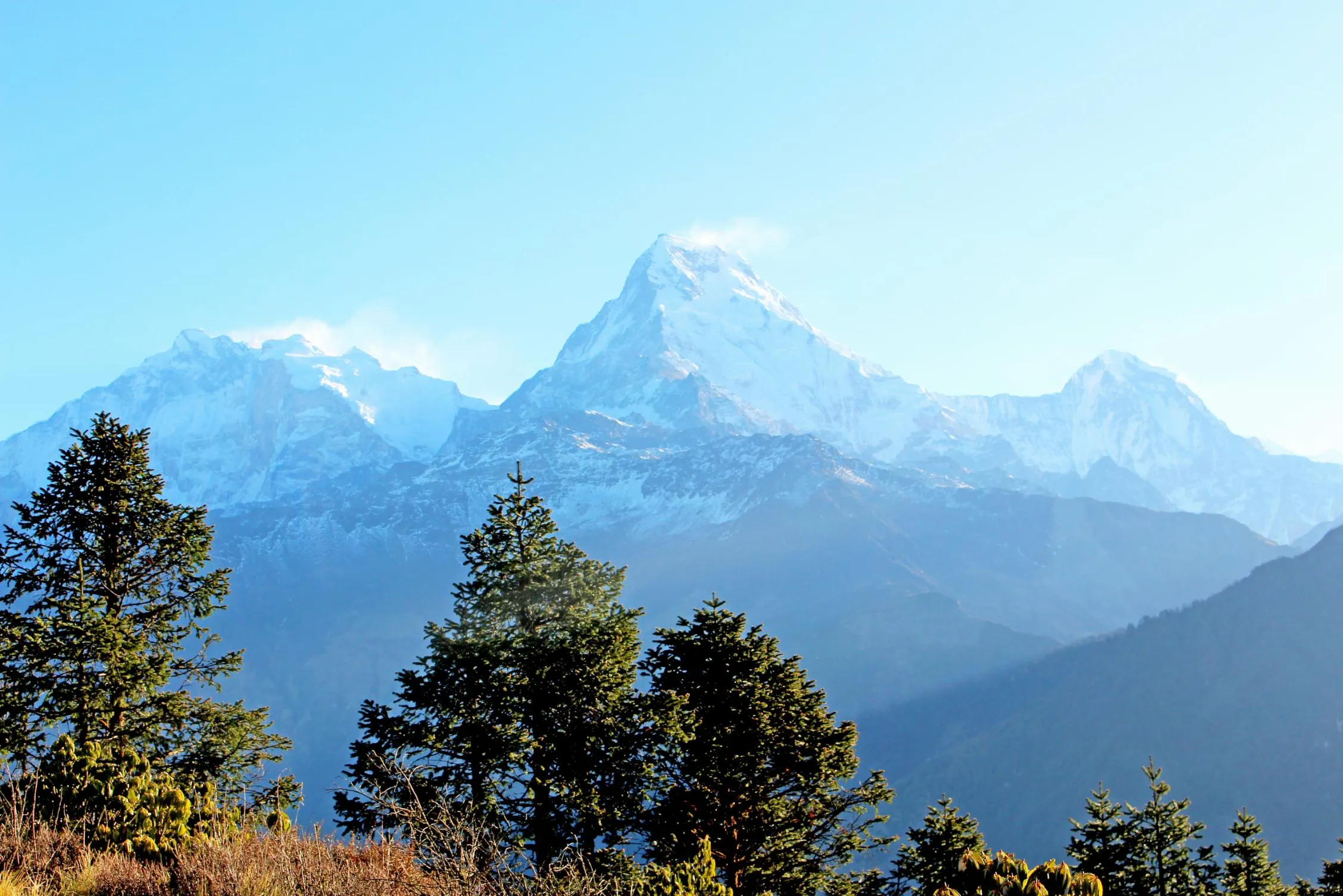
- Poon Hill Sunrise (3,210 m): Wake up early, and hike up to the observation point to observe the sunrise on the Annapurna and Dhaulagiri ranges. The mountains gradually light up with the golden light, and this makes it one of the best views in Nepal.
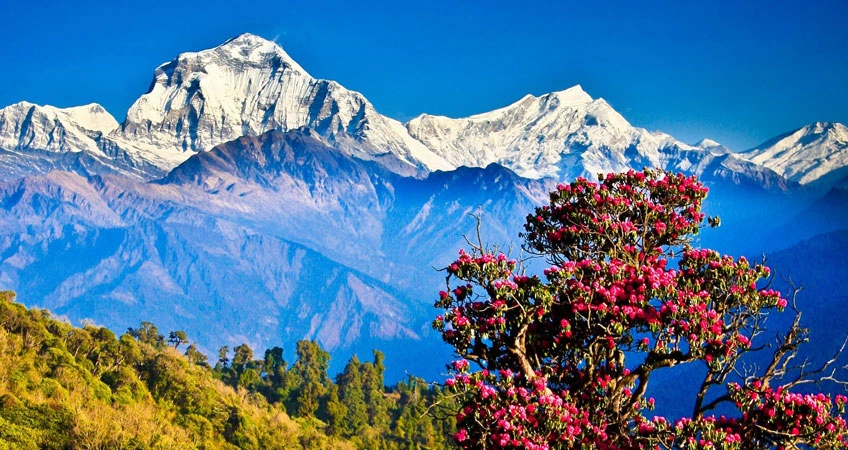
- Rhododendron Forest Trails: This one is a walk through the thick forests, comprising rhododendron trees, which are particularly beautiful in spring when the flowers are in bloom and give color to the path.
- Stone Steps of Ulleri (2,070 m): Be a part of the renowned uphill stroll using stone steps that seem difficult but rewarding, going through the traditional villages and farmlands along the hillside.
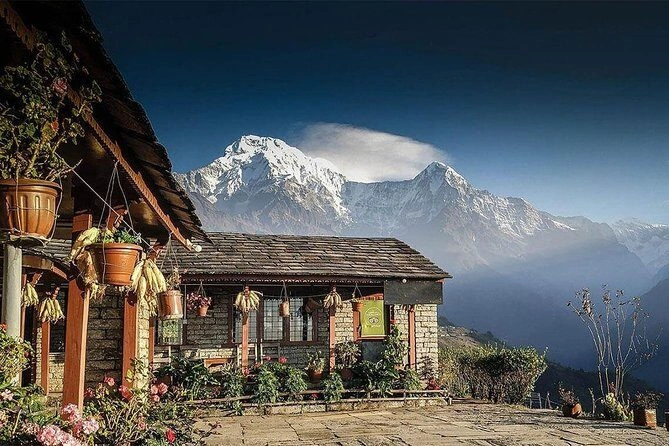
- Ghorepani Village (2,860 m): Spend the night in this picturesque mountain village amidst forests and experience cool weather and early views of the Himalayas.
- Ghandruk Village (1,940 m): Discover a typical Gurung village with rock houses, local culture, and panoramic views of Annapurna South and Machhapuchhre.
- Annapurna and Dhaulagiri Views: During the trek, one is able to have clear views of major peaks, particularly at sunset and during sunrise, making each viewpoint special.
Detailed Itinerary
Pokhara to Nayapul and Trek to Ulleri
Description
Your trip starts with a short and picturesque ride through Pokhara to Nayapul. The trail goes along streams and little villages, and it provides you with a pleasant introduction to the walk. Starting at Nayapul, you start walking through Birethanti, where there are local houses, small stores, and the daily life in the village. The path follows the river and over terraced fields and green hills. The further you go, the steeper the trail becomes, particularly before coming to Ulleri, where you ascend a lengthy line of stone steps. It is not easy, but it is also rewarding. You stay over at a warm teahouse in Ulleri.
Ulleri to Ghorepani
Description
You continue your walk through quiet woods with rhododendron and oak trees. The path is largely gradual and uphill, so you can stroll comfortably at your own pace. The walk is even better since the forest is colorful during the spring season due to the flowers in bloom. The higher you go, the colder and fresher the air. On the way you also might begin to glimpse the mountains surrounding you. By the afternoon, you arrive at Ghorepani, which is a beautiful, forest-covered village. Here you spend the night in a teahouse.
Ghorepani to Poon Hill and Trek to Tadapani
Description
This is the most special day of the trek. In the morning you hike to Poon Hill to see the sunrise. When the sun comes up, the mountains of the Annapurna and Dhaulagiri ranges gradually illuminate, which is a picturesque and peaceful scene. You go back to Ghorepani and have breakfast after admiring the scenery. Next, you follow a forest trail towards Tadapani. The walk is serene, and nature is all around you. A couple of hours of walking bring you to Tadapani, where you spend the night in a teahouse.
Tadapani to Ghandruk
Description
Today the walk is shorter and is downhill rather than up. You go through forest paths and arrive at Ghandruk, one of the most scenic villages of the area. The village is characterized by the traditional Gurung culture and stone houses. You are able to visit the village and the local museum and also have a sight of Annapurna South and Machhapuchhre. The atmosphere here is calm and friendly. You spend the night in a teahouse, Ghandruk.
Ghandruk to Nayapul and Drive to Pokhara
Description
On the last day, you walk down from Ghandruk to Nayapul through Seaulibazar. The trail will cross small villages, farmland, and forested trails, which will provide you with an opportunity to appreciate the beauty of nature in the region one last time. When you get to Nayapul, you drive back to Pokhara. Once you come back, you will be able to rest in your hotel and recollect the trip, taking back many positive memories.
Accommodations
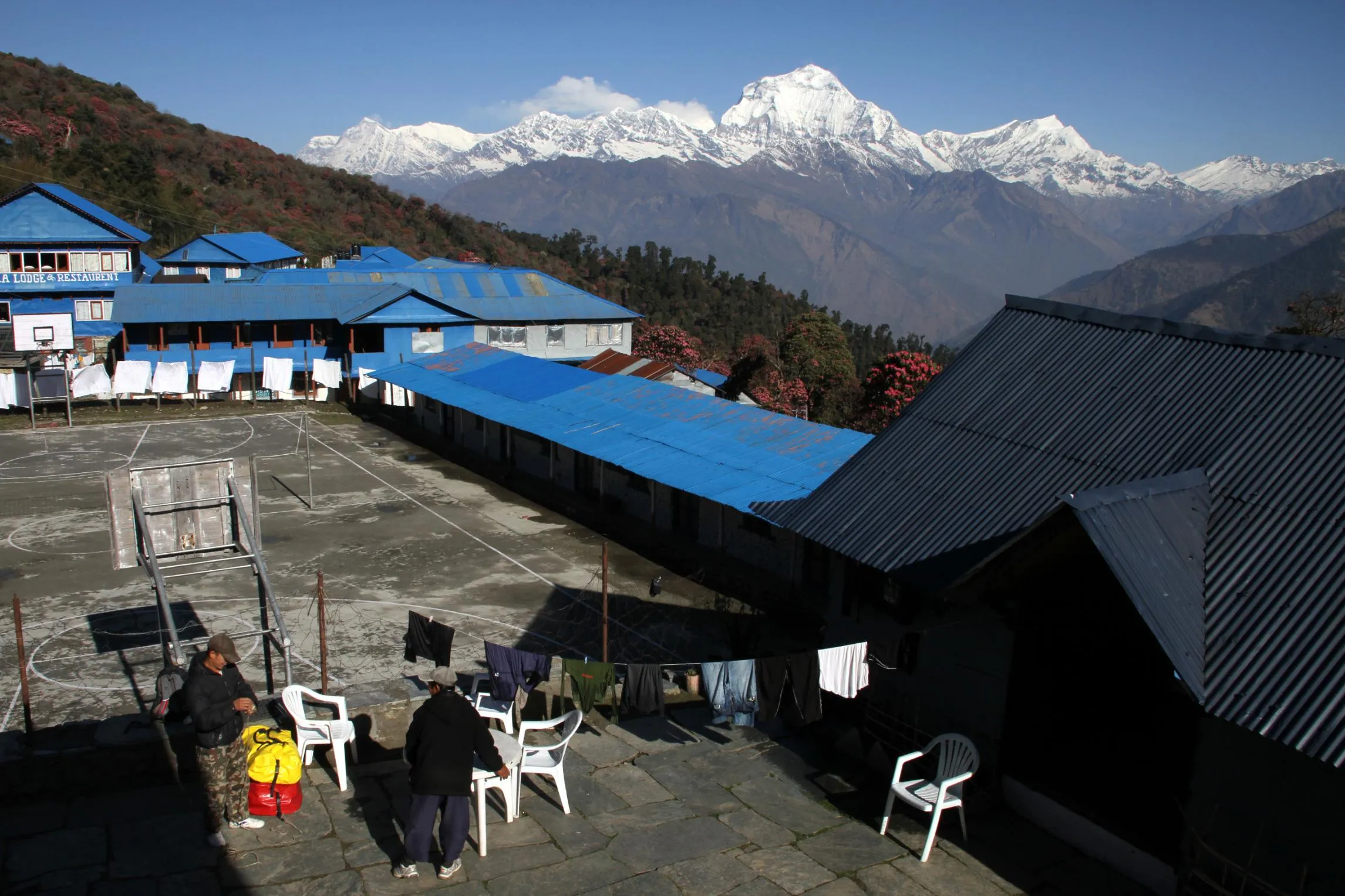
In the 5-day Ghorepani Poon Hill Trek, we are going to spend the night in small mountain lodges, which are referred to as teahouses. They are locally run, comfortable, and basic places. They are not luxurious, yet they provide you with all you require after a long day of walking.
Accommodation
The majority of teahouses offer simple rooms with two single beds, a mattress, a pillow, and a blanket. The rooms are simple and wooden, but clean and comfortable. In smaller villages such as Tikhedhunga and Ghandruk, some lodges may have slightly better facilities, possibly with attached bathrooms. The higher you go, such as in Ghorepani, the simpler the facilities and more frequently shared bathrooms.
The dining room is the warmest location in the lodge. It generally contains a stove in the middle where trekkers can sit in the evening and share a meal, converse, and rest. This area is friendly and a good place to interact with other travelers and exchange stories.
Electricity is available in most places, but you may have to pay a small extra charge to charge your phone or camera. Some of the villages have WiFi, but the connection may be slow and unreliable.
Food
Food on this journey is plain, nourishing, and fresh. Teahouses have a menu of a combination of local Nepali food and some of the common international food.
Dal bhat, a blend of rice, lentil soup, vegetables, and pickles, is the most popular meal. It is nutritious, delicious, and provides you with energy to trek. A huge bonus of dal bhat is that sometimes you get free refills, which is highly useful after a strenuous hike.
Along with dal bhat, you can have food such as noodles, fried rice, pasta, soups, pancakes, eggs, and potatoes. Breakfast meals typically contain things such as porridge, toast, eggs, or Tibetan bread accompanied by tea or coffee.
Hot beverages like tea, coffee, and ginger-lemon-honey are common and are extremely warming during the chilly mountain climate. Food prices increase as you go higher as you ascend higher since all must be transported by porters or animals.
Trip Information
Culture on the Ghorepani Poon Hill Trek
The Ghorepani Poon Hill Trek is not merely a walk in the forest and enjoying mountain scenery. It is also about encountering people and knowing the way life is in the hills of Nepal. On your way, you will go through villages where Gurung and Magar people mostly reside. These people are known for their warm hospitality and simple lifestyle that can leave a great impact on trekkers.
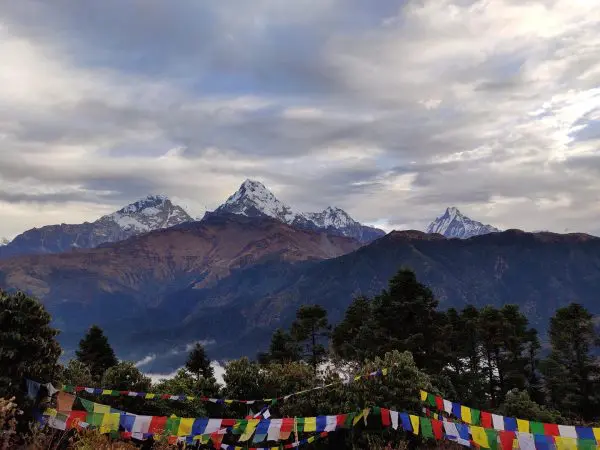
You will find ancient stone houses, perfectly organized villages, and people doing their everyday business in such spots as Ghandruk and Ghorepani. Everyday life here includes farming, animal care, and small teahouses. The role of religion is also silent yet significant. The trails have prayer flags, small shrines, and stones carved with prayers, which will give a peaceful touch to the journey.
You are automatically a part of this environment as a trekker during a couple of days. A smiling namaste can open amiable dialogues. Respecting local culture, such as taking off your shoes before entering the indoor areas or requesting permission to take pictures, helps you to demonstrate that you respect their culture. It is these small details that sometimes make the journey some of the most important.
Tipping Culture in Nepal
The Ghorepani Poon Hill Trek is a good place to show appreciation to the locals who have aided in making your adventure a comfortable one. It is not mandatory, but it is a nice thing to do, which will always be appreciated.
At teahouses, when you think you received good service, you can tip about 10 percent as a nice gesture of thanks. Guides and porters are professionals and have to work hard daily during the trek, providing guidance, transporting the loads, and ensuring that everything is fine. At the end of the trip, most trekkers would tip them depending on how they feel about the service.
You may also tip your hat to your driver when you are driving between Pokhara and Nayapul. It does not necessarily need to be a large sum. It is not about the amount but the respect that is in the gesture.
Annapurna Region: Responsible Trekking and Sustainability
The Ghorepani Poon Hill Trek is located in the beautiful Annapurna region and is a favorite area for numerous travelers. As the number of visitors increases annually, it is significant that we should all travel in a manner that is less harmful to nature and locals.
How Trekkers Can Reduce Environmental Impact
Caring for the environment does not require much effort. A good start would be to carry a reusable water bottle rather than purchasing plastic bottles. With water purification tablets, you can easily refill on the way. You can also take your garbage back down, particularly something such as plastic wrappers.
The mountains have a shortage of electricity and resources. Therefore, using less hot water and charging devices when necessary will contribute to less pressure on the local resources. Such little measures can ensure that the trails continue to be clean and beautiful to other people.
Porter and Guide Welfare
Guides and porters are diligently working in the background of every effortless trek. They are loaded with heavy loads and sustain the trekkers all through the path. It is important to go with a responsible trekking company that treats them well.
Being kind, patient, and respectful goes a long way as a trekker. A simple thank you or friendly conversation can make a difference. Everyone should feel respected, and this makes the entire process enjoyable.
Promoting Local Culture
The opportunity to interact with the local people is also one of the best aspects of this trek. Remaining in locally owned teahouses, having home-cooked meals, and purchasing small handmade objects directly benefit the community.
Even knowing some local words or being interested in their daily life can forge real connections. These are experiences that you will remember even after the trek is over and the journey seems to be more of a personal experience.
Reservation: Independent or Guided Trek?
One of the key decisions to make when preparing the Ghorepani Poon Hill Trek is the decision to take the trek unguided or with a guide.
Independent trekking allows you to walk at your own pace and make your own day plans. The trails are clear and popular, and a great number of people prefer this variant. It also is less expensive, yet you do all the work yourself: routes, accommodation, etc.
Guided trekking is more laid back, particularly when it is your first time in Nepal. A guide will handle the details, ensure that you are on schedule, and narrate the places that you pass by. You are also more assured that someone is around to assist you in case you require it.
These are both good alternatives. It depends on the type of experience you seek.
Inclusions & Exclusions
✓ Included
- Airport pick-up and drop service
- Standard meals (breakfast, lunch, and dinner) during the trek
- Government-certified guide
- Strong and helpful porter with proper equipment (1 porter for 2 people)
- Salary, food, accommodation, and insurance for guide and porter
- Tea house/lodge accommodation during the trek
- Seasonal fresh fruits every night after dinner
- All land transportation as per the itinerary
- TIMS (Trekking Information Management System) card
- Annapurna Conservation Area Project (ACAP) entry permit
- Two nights standard Hotel in Pokhara
- Comprehensive first aid kit with oximeter
- Government taxes and official expenses
✗ Not Included
- International Airfare and taxes
- Nepal entry visa fee
- Your Travel Insurance (compulsory)
- Hotel in Kathmandu
- All the expenses of a personal nature
- Any kind of drinks and desserts during the trek
- Tips for guide and porter (Tipping is expected)
JOIN OUR UPCOMING TRIPS
Everest Base Camp Trek 2026/2027
Annapurna Base Camp Trek
FAQs
Yes, this trek is one of the best for beginners. The paths are clearly indicated, and the level is not excessively high. It is probably a challenge on steep parts, such as Ulleri, but with a steady pace and short rests, it can be accomplished by most of the people without difficulty.
Spring (March to May) and autumn (September to November) are the most suitable. These months are clear, and the views of the mountain are at their best. It is beautiful in spring, particularly due to the flowering rhododendron forests.
A guide is not compulsory, as the route is easy to follow. Nevertheless, it is possible to have a guide to relax and to be informed on your trip. They assist in navigation and also share local stories and culture on the way.
The trek is moderate. It consists of a few tough climbs and long days of walking, but nothing too technical. You should be okay as long as you are fairly fit and can walk between 4 and 6 hours a day.
Your accommodation will be in teahouses, local mountain lodges. Accommodations are simple yet clean, and the dining room is cozy and inviting. It is a simple setup but contributes to the total trekking experience.
Yes, the majority of villages have power and WiFi, but both are limited. You might be required to pay a small fee in order to charge your devices. The internet may be slow, and it is not advisable to use it heavily.
This trek will require two trekking permits: the Annapurna Conservation Area Permit (ACAP) and the TIMS card. These are examined on the trail, and these are required of all trekkers.
Pack light but smart. A good trekking pair, warm clothes, a waterproof jacket, simple toiletries, and a reusable water bottle are essential. The weather is unpredictable, and thus it is best to wear layers.

