Nepal is home to one of the world’s greatest concentrations of trekking routes. The Himalayas here rise from subtropical valleys to 8,000-meter peaks within just a few days, and that variety offers trekkers more options than almost anywhere else in the world. Short scenic hikes near Kathmandu, classic teahouse treks through Sherpa and Tamang villages, high-altitude adventures above 5,000 meters, and remote expeditions into restricted regions are all within Nepal’s borders.
This guide compares Nepal’s top 15 treks side by side, then helps you choose a route that matches your experience level, available time, fitness, and travel goals. Instead of rating mountains, we’ll assist you in finding the trek that suits how you travel.
Quick Comparison of the Top 15 Treks
Here’s how Nepal’s most established trekking routes compare on duration, difficulty, and what each one delivers. Use this table to shortlist two or three options before reading the detailed breakdowns below.
| Trek | Duration | Difficulty | Best For |
| Everest Base Camp | 12-14 Days | Challenging | Iconic Himalayan experience |
| Annapurna Circuit | 14-18 Days | Moderate-Hard | Diverse landscapes |
| Annapurna Base Camp | 7-11 Days | Moderate | Classic mountain amphitheater |
| Langtang Valley | 7-10 Days | Moderate | Close to Kathmandu |
| Mardi Himal | 5-7 Days | Easy-Moderate | Short ridge trek |
| Ghorepani Poon Hill | 4-5 Days | Easy | Beginners |
| Manaslu Circuit | 14-17 Days | Challenging | Remote trekking |
| Upper Mustang | 12-15 Days | Moderate | Monsoon trekking |
| Gokyo Lakes | 11-13 Days | Challenging | Alpine lakes |
| Everest Three Passes | 18-21 Days | Very Difficult | Expert trekkers |
| Kanchenjunga Circuit | 20-26 Days | Difficult | Wilderness |
| Khopra Ridge | 6-9 Days | Moderate | Less crowded |
| Upper Dolpo | 20-25 Days | Difficult | Remote expeditions |
| Tsum Valley | 12-16 Days | Moderate | Buddhist culture |
| Pikey Peak | 5-7 Days | Easy-Moderate | Everest sunrise |
How to Choose the Right Trek in Nepal
The proper trek relies on three practical factors: how much trekking experience you have, what number of days you can spend on the trail, and the style of trekking you want. Match yourself against these classes before choosing a trek.
Based on Experience
Beginners have to start with treks under 2,500-3,000 meters that contain consistent, mild ascents. Ghorepani Poon Hill and Mardi Himal each match first-time trekkers, because neither requires prior high-altitude experience and both stay on well-marked, teahouse-supported trails.
Intermediate trekkers who have finished as a minimum one multi-day hike can deal with routes like Annapurna Base Camp or Langtang Valley. These treks climb beyond 4,000 meters but maintain daily walking hours manageable, and relaxation days are built in.
Experienced trekkers comfortable at high altitude should consider Everest Base Camp, Manaslu Circuit, or Gokyo Lakes. Everest Three Passes and Kanchenjunga Circuit call for actual stamina, multiple high-altitude crossings, and previous high-altitude trekking experience.
Based on Available Time
- 4-6 days: Ghorepani Poon Hill, Mardi Himal, Pikey Peak
- 7-10 days: Annapurna Base Camp, Langtang Valley, Khopra Ridge
- 11-15 days: Everest Base Camp, Upper Mustang, Gokyo Lakes, Tsum Valley
- 16+ days: Annapurna Circuit, Manaslu Circuit, Everest Three Passes, Kanchenjunga Circuit, Upper Dolpo
Add 1-2 buffer days to any itinerary for flight delays into mountain airstrips or unexpected weather.
Based on Trekking Style
Teahouse trekking covers the most popular routes, including Everest Base Camp and Annapurna Circuit, where accommodations offer meals and beds every night. Remote trekking routes like Upper Dolpo and Kanchenjunga Circuit have fewer motels and longer gaps among villages. Restricted area trekking, which includes Upper Mustang and Upper Dolpo, calls for unique permits and a licensed guide through regulation. Camping-supported expeditions match remote, restricted-area routes in which teahouse infrastructure does not yet exist.
Top 15 Treks in Nepal
Each trek covers what matters when planning: overview, difficulty, season, highlights, and who it suits. We’ll go through those one after the other, beginning with the most requested route.
1. Everest Base Camp Trek
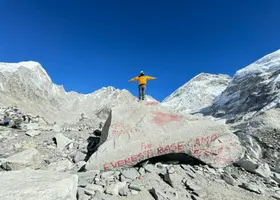
Everest Base Camp remains Nepal’s most recognized trekking route, and for good reason. The trail climbs through Sagarmatha National Park, passing Namche Bazaar, Tengboche Monastery, and Sherpa villages before reaching the bottom of the world’s highest mountain.
- Duration: 12-14 days
- Difficulty: Challenging (max altitude 5,364m at Kala Patthar)
- Best season: Spring (March-May) and autumn (September-November)
- Major highlights: Namche Bazaar, Tengboche Monastery, Kala Patthar sunrise view of Everest, Sherpa culture
- Ideal for: Trekkers with prior multi-day trekking experience and good cardiovascular fitness
- Accommodation: Tea houses throughout
- Required permits: Sagarmatha National Park entry permit, Khumbu Pasang Lhamu Rural Municipality permit
Many of our first-time high-altitude trekkers select Everest Base Camp because the trail infrastructure is the most developed in Nepal. Lodges’ facilities improve along the route, flight logistics into Lukla are well established, and the acclimatization schedule is established. The trade-off is crowds: expect groups on the trail during peak autumn weeks.
2. Annapurna Circuit Trek
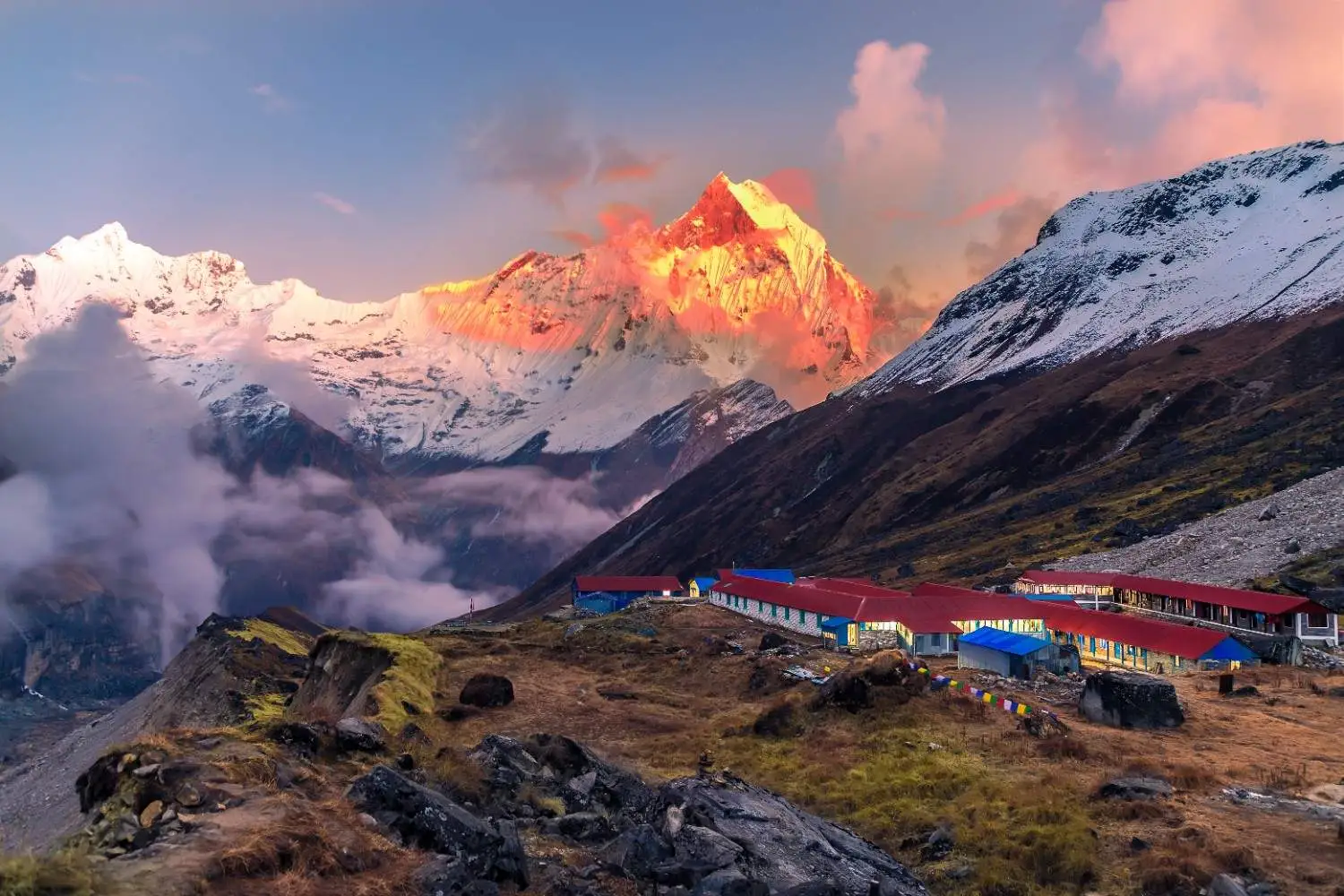
Annapurna Base Camp trek leads directly into a natural amphitheater of peaks, with Annapurna I, Machhapuchhre, and Hiunchuli growing on almost every aspect. It’s one of the few base camp treks where you’re surrounded by means of mountains in preference to dealing with one from a distance.
- Duration: 7-11 days
- Difficulty: Moderate (max altitude 4,130m)
- Best season: Spring (March-May) for rhododendron blooms, autumn (September-November) for clear skies
- Major highlights: Annapurna amphitheater views, Machhapuchhre base camp, Ghandruk and Chhomrong villages, rhododendron forests
- Ideal for: Trekkers who want a shorter high-mountain experience without extreme altitude
- Accommodation: Tea houses throughout
- Required permits: Annapurna Conservation Area permit, TIMS card
This trek suits trekkers who need the visual payoff of a Himalayan base camp without committing 3 weeks to it. The final approach to base camp, walled in by means of peaks on three aspects, promises one of the most concentrated mountain views in Nepal. Our routes frequently recommend this trek to tourists choosing between Everest and Annapurna, but with a shorter excursion window.
3. Annapurna Base Camp Trek
Annapurna Circuit circles the entire Annapurna massif, crossing from subtropical lowlands to the high wilderness past Thorong La Pass. Few treks in the world offer this whole lot panorama variety in one route.
- Duration: 14-18 days
- Difficulty: Moderate-Hard (Thorong La Pass sits at 5,416m)
- Best season: Spring (March-May) and autumn (September-November)
- Major highlights: Thorong La Pass crossing, Manang valley, Muktinath temple, rhododendron forests on the lower trail
- Ideal for: Trekkers who want maximum landscape diversity in a single itinerary
- Accommodation: Tea houses throughout, with more comfortable options in larger villages like Manang
- Required permits: Annapurna Conservation Area permit, TIMS card
This route suits trekkers who do not want to copy the identical surroundings for two weeks straight. You walk through Tamang and Gurung villages, pine forests, arid Tibetan-influenced terrain close to Manang, and subsequently a high mountain pass before descending toward Muktinath. Road construction has shortened components of the conventional trail in recent years, so ask your operator which sections still require walking versus a jeep.
4. Manaslu Circuit Trek
Manaslu Circuit trek circles the eighth-highest mountain in the world through a valley that handiest opened to trekkers in 1991. The path sees a fraction of Annapurna Circuit’s visitors while offering a similar panoramic range.
- Duration: 14-17 days
- Difficulty: Challenging (Larkya La Pass at 5,106m)
- Best season: Spring (March-May) and autumn (September-November)
- Major highlights: Larkya La Pass, Manaslu views, Tibetan-influenced villages near Samagaon, Buddhist monasteries
- Ideal for: Trekkers who want an Annapurna Circuit-style journey with far fewer people on the trail
- Accommodation: Tea houses throughout, simpler than Everest or Annapurna lodges
- Required permits: Restricted Area Permit, Manaslu Conservation Area permit, Annapurna Conservation Area permit (for the Larkya La side), licensed guide mandatory
This route suits trekkers who do not want to copy the identical surroundings for two weeks straight. You walk through Tamang and Gurung villages, pine forests, arid Tibetan-influenced terrain close to Manang, and subsequently a high mountain pass before descending toward Muktinath. Road construction has shortened components of the conventional trail in recent years, so ask your operator which sections still require walking versus a jeep.

5. Langtang Valley Trek
Langtang Valley trek is the closest major Himalayan trekking path to Kathmandu, with trailheads accessible through a single day’s pressure. Despite the quick approach, the trail provides truly high-mountain surroundings within Langtang National Park.
- Duration: 7-10 days
- Difficulty: Moderate (max altitude around 4,984m at Tserko Ri)
- Best season: Spring (March-May) and autumn (September-November)
- Major highlights: Langtang village, Kyanjin Gompa, Tserko Ri viewpoint, Tamang village culture
- Ideal for: Trekkers with limited time who still want a real Himalayan experience
- Accommodation: Tea houses throughout
- Required permits: Langtang National Park permit, TIMS card
If you are short on time but don’t need to compromise on mountain scenery, that is generally the primary route we endorse. The valley was badly affected by the 2015 earthquake, and the rebuilt villages now reflect robust community investment in trekking tourism. The Tamang way of life is more prominent right here than on the Everest or Annapurna trails, with awesome language, dress, and monastery structure.
6. Mardi Himal Trek
Mardi Himal trek follows a narrow ridge line with close-up views of Machhapuchhre, a height that is never legally summited. It’s one of the more modern routes inside the Annapurna area, opened to independent trekkers only within the last decade.
- Duration: 5-7 days
- Difficulty: Easy-Moderate (max altitude around 4,500m at Mardi Himal Base Camp)
- Best season: Spring (March-May) and autumn (September-November)
- Major highlights: Close views of Machhapuchhre, rhododendron forests, ridge-line walking, Mardi Himal Base Camp
- Ideal for: Trekkers wanting a short, scenic ridge trek without a long commitment
- Accommodation: Tea houses, more basic than the main Annapurna trail
- Required permits: Annapurna Conservation Area permit, TIMS card
This path fits trekkers who want mountain views comparable to Annapurna Base Camp. Because it is much less advanced, accommodations are easier, and the trail is quieter, even for the duration of top season. The ridge walking itself is a highlight; you get open views on both sides in preference to a valley ground hemmed in by woodland.
7. Upper Mustang Trek
Upper Mustang trek crosses into a high-altitude desert that was a restricted state till 1992. The landscape resembles the Tibetan plateau more than anywhere else in Nepal, with eroded canyons, cave dwellings, and the walled metropolis of Lo Manthang at its middle.
- Duration: 12-15 days
- Difficulty: Moderate (max altitude around 3,840m, but long daily walking distances)
- Best season: Best done in summer/monsoon (June-August), since Mustang sits in the Himalayan rain shadow
- Major highlights: Lo Manthang walled city, Tibetan Buddhist monasteries, desert canyon scenery, and ancient cave systems
- Ideal for: Trekkers who want a cultural, desert-landscape trek rather than a forested mountain trail
- Accommodation: Tea houses and guesthouses, more basic beyond Kagbeni
- Required permits: Restricted Area Permit (higher fee than standard permits), Annapurna Conservation Area permit, licensed guide is mandatory
Upper Mustang is one of the few genuinely proper monsoon trekking destinations in Nepal, because the Annapurna range blocks most of the rainfall before it reaches the area. This trek suits trekkers interested in Tibetan Buddhism and desert scenery over forest or glacier landscapes. Lo Manthang’s centuries-old partitions and monasteries make this one of the most culturally distinct treks on this list.
8. Ghorepani Poon Hill Trek
Ghorepani Poon Hill trek is Nepal’s most accessible multi-day trek, built around a single dawn viewpoint that offers you a wide panorama for minimal effort. It’s the route we endorse most often to first-time trekkers.
- Duration: 4-5 days
- Difficulty: Easy (max altitude around 3,210m at Poon Hill)
- Best season: Spring (March-May) for rhododendron blooms, autumn (September-November) for clarity
- Major highlights: Poon Hill sunrise panorama, Annapurna and Dhaulagiri views, rhododendron forests, Gurung and Magar villages
- Ideal for: First-time trekkers, families, and anyone with a short trip window
- Accommodation: Tea houses, some of the most comfortable on this list
- Required permits: Annapurna Conservation Area permit, TIMS card
This trek suits novices who need to experience high-altitude trekking without committing to weeks on the trail. Daily walking hours stay brief, villages seem often, and the well-constructed stone staircases, while tiring, are in no way technically difficult. The sunrise view from Poon Hill covers Dhaulagiri, Annapurna South, and Machhapuchhre in a single body; that is an extraordinary return on an enormously easy climb.

9. Gokyo Lakes Trek
Gokyo Lakes trek follows a quieter branch of the Khumbu trail towards a chain of turquoise glacial lakes, then climbs Gokyo Ri for a mountain panorama that rivals Kala Patthar. It shares the early trail with Everest Base Camp before splitting off toward Gokyo village.
- Duration: 11-13 days
- Difficulty: Challenging (max altitude 5,357m at Gokyo Ri)
- Best season: Spring (March-May) and autumn (September-November)
- Major highlights: Gokyo Lakes, Gokyo Ri viewpoint over Everest and Cho Oyu, Ngozumpa Glacier, Sherpa villages
- Ideal for: Trekkers who want Everest-region views with a quieter trail than the main Base Camp route
- Accommodation: Tea houses throughout
- Required permits: Sagarmatha National Park entry permit, Khumbu Pasang Lhamu Rural Municipality permit
This route is drastically quieter than Everest Base Camp despite sharing similar altitude and mountain scenery. The Gokyo Ri standpoint offers four 8,000-meter peaks in a single landscape, which includes Everest, Cho Oyu, Lhotse, and Makalu. Trekkers with more time once in a while combine Gokyo Lakes with the Cho La Pass crossing into the Everest Base Camp route, effectively creating a shorter version of the Three Passes trek.
10. Everest Three Passes Trek
Everest Three Passes trek links Everest Base Camp and Gokyo Lakes by means of crossing Kongma La, Cho La, and Renjo La, 3 high passes that circle the whole Khumbu vicinity. It’s the most demanding standard itinerary in the Everest region.
- Duration: 18-21 days
- Difficulty: Very Difficult (all three passes sit above 5,300m, with Kongma La at 5,535m)
- Best season: Spring (March-May) and autumn (September-November); passes can close with fresh snow outside these windows
- Major highlights: Three high-pass crossings, Everest Base Camp, Kala Patthar, Gokyo Lakes, Ngozumpa Glacier
- Ideal for: Experienced high-altitude trekkers comfortable with technical terrain and long summit-style days
- Accommodation: Tea houses, though basic, near the passes
- Required permits: Sagarmatha National Park entry permit, Khumbu Pasang Lhamu Rural Municipality permit
This trek fits trekkers who have already completed Everest Base Camp or a similar altitude route and need a larger physical and logistical undertaking. Pass crossings frequently require pre-sunrise starts, occasional use of trekking poles on icy terrain, and flexible scheduling in case of climate delays. It combines almost every predominant highlight of the Khumbu area into one non-stop circuit as opposed to an out-and-back path.
11. Kanchenjunga Circuit Trek
Kanchenjunga Circuit trek reaches the bottom of the world’s third-highest mountain in Nepal’s far eastern nook, one of the least-visited areas on this list. The route circles both the north and south base camps of Kanchenjunga through truly remote wilderness.
- Duration: 20-26 days
- Difficulty: Difficult (max altitude around 5,143m at Pang Pema)
- Best season: Spring (March-May) and autumn (September-November)
- Major highlights: Kanchenjunga north and south base camps, Limbu and Rai village culture, dense forest and alpine terrain, minimal trail traffic
- Ideal for: Experienced trekkers seeking true wilderness isolation over a long itinerary
- Accommodation: Basic tea houses and camping in higher sections
- Required permits: Restricted Area Permit, Kanchenjunga Conservation Area permit, licensed guide mandatory
This route fits trekkers who’ve completed shorter high-altitude treks and want the extended isolation that Everest and Annapurna routes do not offer. Villages are sparse in the upper sections, so most agencies carry more gear and rely on camping-supported logistics. The remoteness is the entire attraction here: you can walk for entire days without seeing another trekking group.
12. Khopra Ridge Trek
Khopra Ridge trek climbs a lesser-known ridge in the Annapurna area, presenting wide mountain panoramas without the trail traffic of Poon Hill or Annapurna Base Camp. It’s come to be a favourite among trekkers who have already done the famous routes and need something quieter.
- Duration: 6-9 days
- Difficulty: Moderate (max altitude around 3,660m at Khopra Ridge, with a side trip to Khayer Lake near 4,660m)
- Best season: Spring (March-May) and autumn (September-November)
- Major highlights: Khopra Ridge viewpoint, Khayer Lake side trip, Annapurna and Dhaulagiri panoramas, rhododendron forests
- Ideal for: Trekkers who want Annapurna-region views on a quieter, less commercial trail
- Accommodation: Community-run tea houses and lodges
- Required permits: Annapurna Conservation Area permit, TIMS card
This route is substantially quieter than nearby Poon Hill and Annapurna Base Camp, despite overlaying comparable terrain and altitude. Local communities manage numerous of the accommodations at once, so more of what you spend remains inside the villages you pass through. Trekkers who want mountain views without competing for trail space or hotel rooms tend to pick this over the more famous options.
13. Upper Dolpo Trek
Upper Dolpo trek reaches one of the most remote inhabited areas inside the Himalayas, a landscape made widely recognized by the movie Caravan. Bordering Tibet, the location preserves a form of Tibetan Buddhist lifestyle that has been modified little over centuries.
- Duration: 20-25 days
- Difficulty: Difficult (max altitude around 5,360m at Numa La and Baga La passes)
- Best season: Summer/monsoon (June-August), as Dolpo also sits in the Himalayan rain shadow
- Major highlights: Shey Gompa monastery, Phoksundo Lake, Numa La and Baga La pass crossings, ancient Bon and Buddhist culture
- Ideal for: Experienced trekkers seeking Nepal’s most remote and least commercialized trekking region
- Accommodation: Camping-supported, with very limited teahouse infrastructure
- Required permits: Restricted Area Permit (among the highest fees in Nepal), Shey Phoksundo National Park permit; a licensed guide is mandatory.
This trek suits trekkers who’ve completed other limited-region routes and want the most remote wilderness experience Nepal offers. Because tea homes are scarce, most itineraries run on a complete camping-supported expedition with porters sporting tents, meals, and cooking equipment. Phoksundo Lake, with its hanging turquoise shade set against barren cliffs, is one of the most photographed spots within the entire location, despite how few trekkers ever see it in person.
14. Tsum Valley Trek
The Tsum Valley trek leads into a hidden valley close to the Tibet border that was only opened to trekkers in 2008. The area is one of the most powerful surviving facilities of Tibetan Buddhism in Nepal, with monasteries, chortens, and mani partitions lining nearly every stretch of path.
- Duration: 12-16 days
- Difficulty: Moderate (max altitude around 3,700m at Mu Gompa, with a side trip to Ganesh Himal base camp options)
- Best season: Spring (March-May) and autumn (September-November)
- Major highlights: Mu Gompa and Rachen Gompa monasteries, Tibetan Buddhist villages, mani walls and chortens, Ganesh Himal views
- Ideal for: Trekkers primarily interested in Tibetan Buddhist culture over a high-altitude challenge
- Accommodation: Basic tea houses and community lodges
- Required permits: Restricted Area Permit, Manaslu Conservation Area permit, licensed guide mandatory
This trek is often combined with the Manaslu Circuit, because each begins from the same trailhead near Soti Khola. Trekkers who need cultural immersion over summit-style views have a tendency to rate this as one of the most rewarding routes in this listing. Because Tsum Valley remained closed to outsiders till quite recently, its monastic traditions and village existence feel extensively less touched by way of trekking tourism than other Buddhist areas in Nepal.
15. Pikey Peak Trek
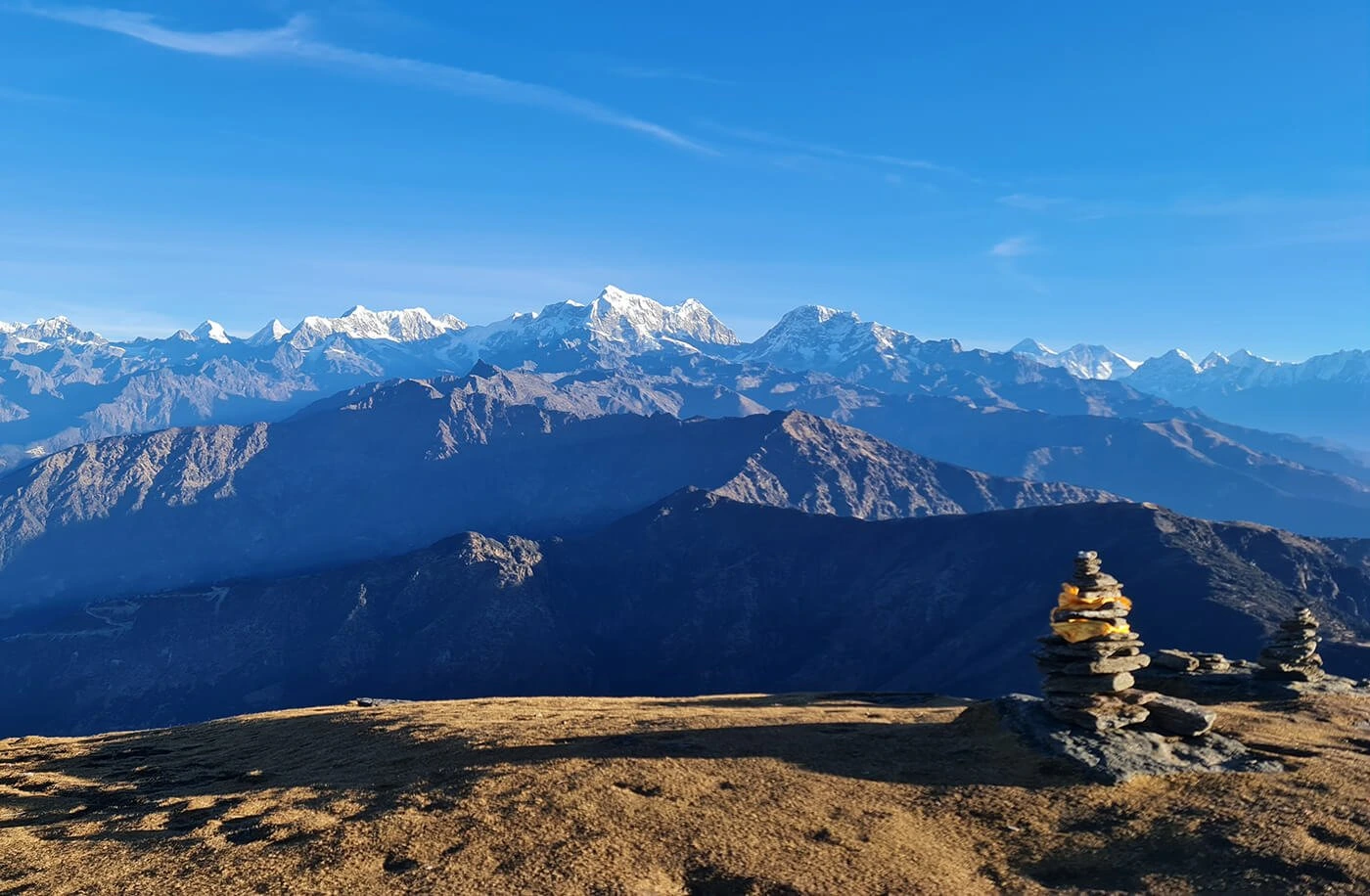
Pikey Peak trek climbs a standalone viewpoint inside the lower Everest area, as described by Sir Edmund Hillary as providing the best mountain landscape he’d seen in Nepal. It’s a shorter alternative for trekkers who need Everest-vicinity views without committing to the entire Base Camp itinerary.
- Duration: 5-7 days
- Difficulty: Easy-Moderate (max altitude around 4,065m at Pikey Peak summit)
- Best season: Spring (March-May) and autumn (September-November)
- Major highlights: 360-degree sunrise panorama including Everest, Makalu, and Kanchenjunga, Sherpa villages, rhododendron, and pine forests
- Ideal for: Trekkers with limited time who still want an Everest-region sunrise view
- Accommodation: Basic tea houses, quieter than the main Khumbu trail
- Required permits: No restricted area permit required; local municipality permit only
This trek fits trekkers who want the visual reward of an Everest-area summit view without flying into Lukla or spending two weeks on the trail. Because it starts from a low-altitude trailhead reachable by road, acclimatization risk is lower than on most other treks on this list. It also remains significantly uncrowded, even in top season, because most visitors to the Everest area head immediately for the Base Camp path.
Best Treks by Category
- Best Trek for Beginners: Ghorepani Poon Hill tops this category. Short walking hours each day, common villages, and cushty tea houses make it the perfect introduction to Himalayan trekking without sacrificing real mountain views.
- Best Short Trek: Pikey Peak or Mardi Himal both offer genuine high-altitude panoramas in under a week, making them perfect for travelers with limited holiday time.
- Best Trek for Families: Ghorepani Poon Hill works well for households with older children, thanks to its mild pacing and properly-hooked-up motel infrastructure. Langtang Valley is a strong alternative for households looking for a piece of higher altitude without intense problems.
- Best Remote Trek: Upper Dolpo and Kanchenjunga Circuit provide Nepal’s maximum authentic wasteland isolation, with sparse villages and minimal trail traffic even in the top season.
- Best Cultural Trek: Tsum Valley and Upper Mustang each center on preserved Tibetan Buddhist tradition, monasteries, and village life largely unchanged by modern trekking tourism.
- Best Luxury Trek: Everest Base Camp and Annapurna Base Camp offer the widest variety of upgraded inns with private rooms, warm showers, and better meals, since both routes see the highest trekker quantity in Nepal.
- Best Monsoon Trek: Upper Mustang stands out here because it sits inside the Himalayan rain shadow and remains largely dry while the rest of Nepal gets heavy monsoon rainfall.
- Best Teahouse Trek: Annapurna Circuit offers the most regular, well-developed teahouse network of any long-distance path in Nepal.
- Best High-altitude Challenge: Everest Three Passes is the most stressful popular itinerary in Nepal, crossing three passes above 5,300 meters within a single trek.
Best Time for Trekking in Nepal
Season impacts visibility, path conditions, and crowd levels more than almost any other planning factor. Here’s what to expect across Nepal’s four trekking seasons.
Spring (March-May) brings warming temperatures, blooming rhododendron forests at mid-altitudes, and generally strong weather. This is the top season on routes like Everest Base Camp and Annapurna Circuit, so expect busier trails and better motel availability.
Autumn (September-November) offers the clearest mountain visibility of the 12 months, with minimal cloud cover and dry trails. It’s the most popular trekking season in Nepal, and the most crowded on the well-known routes.
Winter (December-February) brings cold temperatures and snow at higher elevations, keeping some high passes closed. Lower-altitude treks like Ghorepani Poon Hill and Langtang Valley remain possible, with the advantage of nearly empty trails and clean winter skies.
Monsoon (June-August) brings heavy rainfall, leech-infested trails, and obscured mountain views across most of Nepal. Upper Mustang is the exception: sitting inside the Himalayan rain shadow, it receives a fragment of the rainfall that soaks the rest of the country, making it one of the few truly suitable monsoon trekking locations. Upper Dolpo shares comparable rain-shadow protection for the same reason.
Trekking Permits and 2026 Rules
Nepal’s permit guidelines have tightened for the reason that 2023, and 2026 is the yr enforcement caught up at checkpoints. Always confirm modern requirements with your operator before departure, as regulations vary by location.
- Licensed guide requirement: A government-certified guide from a TAAN-registered organization is now mandatory on nearly every essential route, which includes Everest Base Camp, Annapurna Circuit, Langtang Valley, and Manaslu Circuit. This has been a regulation since 2023; what changed in 2026 is consistent checkpoint enforcement.
- TIMS card and e-TIMS: The paper TIMS card is being replaced by a digital QR-code machine. Enforcement differs by area: Annapurna and Everest checkpoints now, in large part, rely on conservation location permits instead, while Langtang and Manaslu still require TIMS extra strictly. We affirm our current reputation for clients without delay in preference to relying on previous weblog posts.
- National Park and Conservation Area permits: Required for Sagarmatha, Langtang, and the Annapurna Conservation Area.
- Restricted Area Permits: Required for Upper Mustang, Upper Dolpo, Manaslu, Tsum Valley, and Kanchenjunga. Since March 2026, solo trekkers can obtain these too, as the old minimum-organization-length rule has been dropped, provided a licensed guide travels with them.
Frequently Asked Questions
Which is the best trek in Nepal?
There’s no single best trek. It depends on your health level, time available, and what type of experience you need. Everest Base Camp is ideal for trekkers chasing the most iconic Himalayan experience and well-developed trail infrastructure. Annapurna Circuit offers the greatest variety of landscapes on a single route, shifting from subtropical forest to high wilderness. If you want the best scenery in the shortest time, Annapurna Base Camp or Mardi Himal are strong choices.
Which trek is easiest for beginners?
Ghorepani Poon Hill is Nepal’s most amateur-friendly multi-day trek. Daily walking distances are short, villages appear often, and tea houses alongside the route are many of the most comfortable in the country. Mardi Himal is a close second, providing a slightly higher altitude and quieter trail while still being suitable for first-time trekkers with reasonable fitness.
What is the hardest trek in Nepal?
Everest Three Passes and Kanchenjunga Circuit are the most challenging itineraries available. Three Passes includes crossing three passes above 5,300 meters inside a single trek, often requiring pre-dawn starts and icy terrain. Kanchenjunga Circuit provides extreme remoteness and a much longer duration, with sparse villages and long stretches between reoffer points.
Which trek has the best mountain views?
Gokyo Ri and Kala Patthar both offer panoramas featuring views of four or more 8,000-meter peaks, along with Everest, Lhotse, Makalu, and Cho Oyu. For a shorter alternative with a comparably wide panorama, Pikey Peak offers Everest-region views without the altitude advantage or Lukla flight logistics.
Which trek is best during the monsoon?
Upper Mustang is perfectly fine because it sits within the Himalayan rain shadow and gets only a fragment of the rainfall that soaks the rest of Nepal from June to August. Upper Dolpo offers comparable rain-shadow protection, making both areas reliable options while most other trails turn muddy and cloud-covered.
How much does trekking in Nepal cost?
Costs vary extensively depending on trek length, permit type, and guide or porter preparations. Restricted-area treks like Upper Mustang, Upper Dolpo, and Manaslu Circuit cost extra due to higher permit prices and mandatory guide necessities. Standard routes like Ghorepani Poon Hill or Mardi Himal are the most budget-friendly, because permit costs are lower and the trip length is shorter.
Are guides mandatory in Nepal?
Yes. As of 2026, a government-certified guide from a TAAN-registered corporation is needed on almost every major trekking route, including Everest Base Camp, Annapurna Circuit, Langtang Valley, and Manaslu Circuit. This rule has technically existed since 2023, but checkpoint enforcement is now consistent, so trekking without a guide is not a practical option on regulated trails.
What permits are required for trekking?
Most well-known routes require a National Park or Conservation Area permit, including the Sagarmatha National Park permit for Everest or the Annapurna Conservation Area permit for Annapurna routes. Restricted areas like Upper Mustang, Upper Dolpo, Manaslu, and Tsum Valley also require a Restricted Area Permit, which carries a higher fee and mandates a certified guide.