Nepal’s trekking situation in September 2026 needs to be assessed by route, no longer by treating the country as a single destination. The August 26 flash floods along the Bhote Koshi and Trishuli river corridors caused significant damage to roads, bridges, and other infrastructure, particularly around Rasuwa, Nuwakot, and surrounding areas. If you’re weighing a shorter trip while conditions stabilize, our guide to short treks in Nepal covers lower-commitment options across several regions.
According to the recent Trekking Agencies’ Association of Nepal (TAAN) safety update, many major trekking sections are stated as no longer affected by this particular flood event, including Everest, Annapurna, Kanchenjunga, Makalu, Rolwaling, Helambu, Dhaulagiri, Dolpo, Rara, Jumla, Humla, and Far West. Other destinations, including Langtang, Ganesh Himal, Ruby Valley, and Manaslu, are considered secure but require travelers to use alternative access preparations. The Kailash Mansarovar route through Rasuwagadhi/Kerung is reported as affected and closed.
This does not mean each path has ideal conditions. September remains climate-sensitive, and you must still check current flood and landslide risks before departure.
Important: TAAN’s “Not Affected” classification refers specifically to the August 26 flood event. It does not mean that every trail, road, flight, or local area is guaranteed to be free from weather-related disruption. September remains part of Nepal’s monsoon period, so travelers should confirm current conditions before departure.
What Happened in Nepal in August 2026?
The August 26 disaster began with a severe flash flood affecting the Bhote Koshi River basin, earlier than the one that moved downstream through the Trishuli corridor. Rasuwa, Nuwakot, Dhading, and other regions suffered substantial damage to roads, bridges, settlements, and key infrastructure. The Government of Nepal has undertaken search, rescue, relief, and restoration operations.
For trekkers, the primary challenge isn’t whether or not a trekking destination has been touched by floodwater. The condition of the road, bridge, or access corridor used to reach the trailhead can determine whether a trek is sensible.
This is especially true in northern and central Nepal. A trekking destination may remain open while the usual access road is damaged or closed. TAAN’s update makes this distinction a reality for Langtang, Ganesh Himal, Ruby Valley and Manaslu.
The situation is also evolving. On Sept. 1, Nepal’s hydrological board warned of continued caution, with high potential for flash flooding in Rasuwa and Nuwakot and moderate risk in many other areas.
Nepal Trekking Safety Update for September 2026
According to TAAN, many of the major trekking trails in Nepal have been declared unaffected by the August 26 floods. Langtang, Ganesh Himal, Ruby Valley, and Manaslu remain safe places, subject to access restrictions as a precaution, while the Kailash Mansarovar route through Rasuwagadhi / Kerung is affected and closed.
The wording matters. “Not affected” means: TAAN has not confirmed that the trekking segment is affected by this specific flooding event. There is not always a guarantee that every trail, road, flight, or local condition is currently free of climate-related problems.
The situation today, moreover, suggests why travelers should try things one at a time: the overall travel conditions and the condition of the route used to get to it.
For travelers in September, interpreting the Nepal travel protection update is the most useful approach rather than deciding whether or not the entire country is really safe or unsafe.
Which Trekking Regions Are Not Affected?
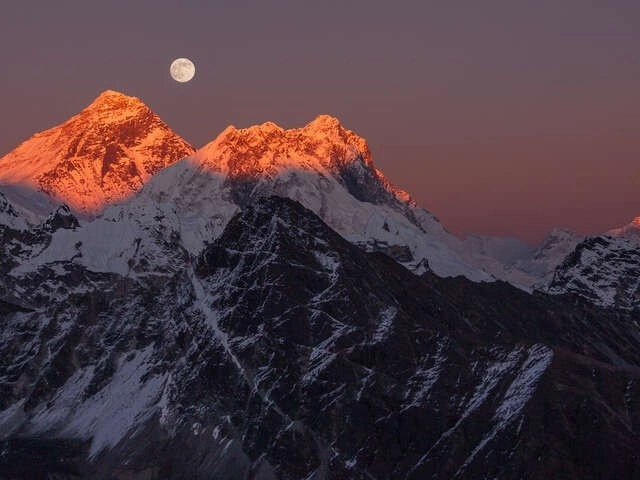
According to the TAAN safety update, the following trekking regions were reported as not affected by the August 26 flood event:
- Everest Section
- Annapurna Section, including Manang and Mustang
- Kanchenjunga Section
- Makalu Section
- Rolwaling Section
- Helambu Section
- Dhaulagiri Section
- Dolpo Section
- Rara and Jumla Section
- Humla Section
- Far West, including Saipal, Khaptad, Badimalika and Api Himal
For trekkers considering Everest or Annapurna, it’s significant because the flooding no longer meant that TAAN classified those trekking regions as affected by the event.
However, travelers should no longer interpret this as a blanket assurance for the entire September trip. Common monsoon-related concerns, however, may include changeable weather, landslides, local road conditions, flight disruption, and changing route conditions.
Current reliable hydrological data furthermore indicate that the flood risk has not disappeared from Nepal simply because a certain section of trail is no longer affected by the August floods.
Which Treks Are Safe but Need Different Access Routes?
According to TAAN, Langtang, Kyanjin Valley and Gosaikunda are still safe trekking areas, but their standard access through the affected access corridor is difficult. TAAN has suggested an alternative approach through Kathmandu, Sundarijal, Chisapani, Thadepati, Ghoptebhir, Gosaikunda, Thulosyabru, Pairo, Lama Hotel, Langtang and Kyanjin, with the return following the same route.
For Ganesh Himal and Ruby Valley, TAAN reports that destinations remain safe, while access via Dhunche and Syabrubesi is affected or closed. Alternative approaches through Dhadingbesi and Arughat have been identified.
For Manaslu, TAAN reports that the trails covering the Tsum Valley and the Larke Pass remain safe. Travelers pulling close to the site are advised to avoid the Malekhu-Dhadingbesi direction due to damage to infrastructure and use the Benighat-Arughat direction as a substitute.
Which Route Is Currently Affected or Closed?
The Kailash Mansarovar route through Rasuwagadhi / Kerung is named by TAAN as affected and closed after the August 26 flood event. This is different from the pedestrian areas classified by TAAN as no longer affected or safe, with directional warnings.
TAAN has identified alternative travel arrangements through Kodari / Tatopani, Simikot / Hilsa, or by flying to Lhasa and continuing overland closer to Kailash via Shigatse and Saga.
These need to be treated as alternatives identified by TAAN, not as guaranteed travel arrangements. Travelers should confirm border conditions, transportation, permits, flights, and the latest situation before making plans.
The closure also shows why travelers should no longer use the status of one Himalayan route to decide another. The Rasuwagadhi/Kerung corridor has a specific access problem, while several major trekking regions elsewhere in Nepal are classified differently.
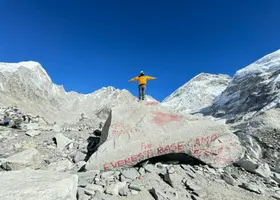
Is Everest Base Camp Safe After the 2026 Nepal Floods?
According to the TAAN report, the Everest section is said to be no longer affected by the floods on 26 August. The Khumbu corridor is geographically different from the Bhote Koshi and Trishuli flood corridors.
Our dedicated article, Is Everest Base Camp Safe After the Nepal Floods? (2026) provides a more detailed EBC-specific explanation.
For September travelers, it is important that the status of Everest Base Camp be judged one by one based on the flood damage around the Rasuwa and Trishuli corridors. Travelers, however, need to confirm the flight, weather, and route conditions before departure.
What Should Trekkers Do Before Traveling to Nepal in September 2026?
The safest approach is to assess the specific trip and then assess the route immediately before departure.
First, you should establish the current popularity of your trekking spot in order to account for popular headlines around Nepal. Second, check how will you reach. A trek can be effective even if the everyday route used to reach it is badly damaged.
Third, communicate with your trekking company soon before you go and ask specifically about roads, bridges, flights, trail conditions, and any route adjustments. Fourth, check the reliability of weather and flood information. The Department of Water and Meteorology continues to offer river monitoring and flood forecasting information.
Keep some flexibility in your itinerary. Try not to use a flooded road, because your trekking destination remains open.
If government or local authorities restrict movement close to rivers, broken bridges, risky slopes, or affected roads, follow those instructions. Conditions can change quickly during the late part of the monsoon, so an itinerary that was practical several days earlier may additionally require adjustments.
Is Nepal Safe for Trekking in September 2026?
Nepal cannot be classified as actually safe or unsafe for trekking in September 2026. According to TAAN, many significant trekking regions are listed as no longer suffering from the August 26 flood zone, while Langtang, Ganesh Himal, Ruby Valley, and Manaslu remain open. Kailash Mansarovar route through Rasuwagadhi / Kerung has been reported as affected and closed.
Meanwhile, current hydrological warnings indicate that flood risk is still relevant in parts of Nepal, especially around Rasuwa and Nuwakot.
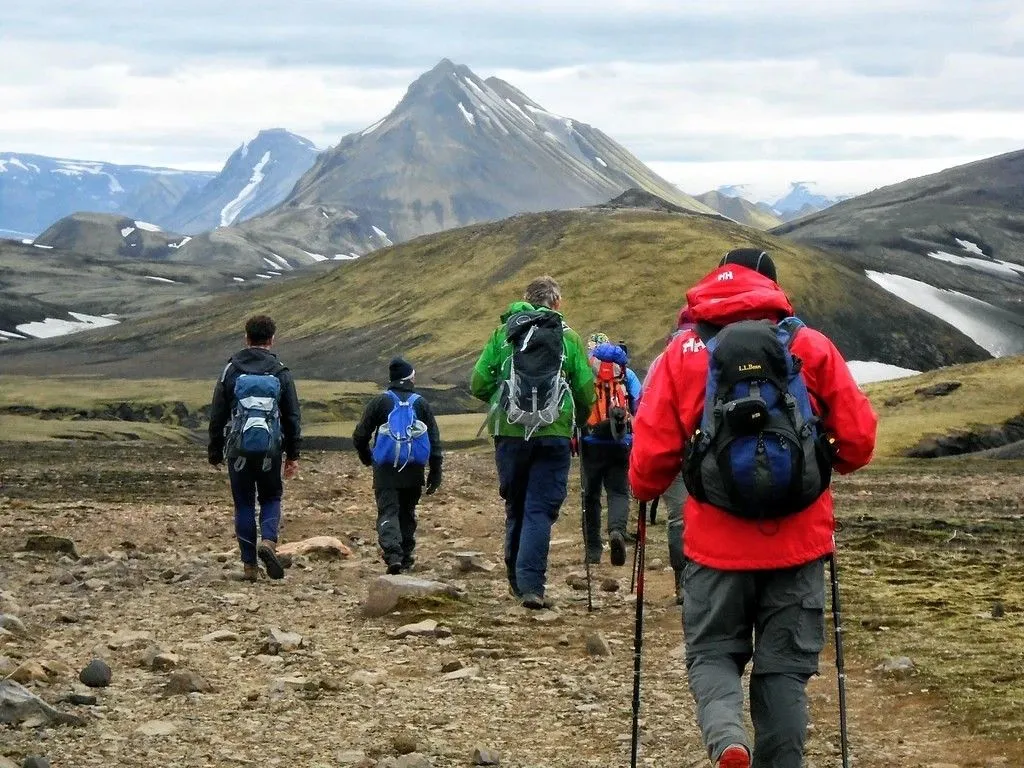
For that reason, the right question is not whether “Nepal” is safe. Travelers should inquire whether their particular trekking route, access route, flight path, and current weather conditions are suitable for travel.
If you are planning a trip to Nepal in September and want to confirm the current conditions of your specific route, contact Nepal Outdoor Expeditions for a route-specific update prior to departure.
Quick Trekking Safety Status Table
| Trekking Region / Route | TAAN Status | What Travelers Should Know |
| Everest | Not affected | Confirm current flight and trail conditions |
| Annapurna, Manang & Mustang | Not affected | Normal seasonal precautions still apply |
| Kanchenjunga | Not affected | Confirm current local conditions |
| Makalu | Not affected | Confirm current local conditions |
| Rolwaling | Not affected | Confirm current local conditions |
| Helambu | Not affected | Confirm current local conditions |
| Dhaulagiri | Not affected | Confirm current local conditions |
| Dolpo | Not affected | Confirm current local conditions |
| Rara & Jumla | Not affected | Confirm current local conditions |
| Humla | Not affected | Confirm current local conditions |
| Far West | Not affected | Confirm current local conditions |
| Langtang, Kyanjin & Gosaikunda | Safe, access precautions | Usual access route affected; alternative approach recommended |
| Ganesh Himal & Ruby Valley | Safe, access precautions | Dhunche/Syabrubesi access affected; alternatives recommended |
| Manaslu | Safe; route precautions | Avoid affected Malekhu-Dhadingbesi access; alternative recommended |
| Kailash Mansarovar via Rasuwagadhi/Kerung | Affected/closed | Verify alternative arrangements before travel |
FAQ
Is Nepal safe for trekking in September 2026?
Many primary trekking areas have been declared by TAAN as no longer affected by the August 26 flood event. However, current weather, floods, landslides, and access conditions must nevertheless be examined for the individual trek.
Which trekking routes in Nepal were affected by the August 2026 floods?
The main trekking areas identified using TAAN are Langtang, Gosaikunda, Ganesh Himal, Ruby Valley, and Manaslu routes. Kailash Mansarovar route through Rasuwagadhi / Kerung has been named as affected and closed.
Is Everest Base Camp safe after the Nepal floods?
TAAN reports that the Everest section has not been closed following the August 26 flood event. However, travelers must confirm current flight, weather, and route conditions before departure.
Is the Annapurna Circuit affected by the 2026 floods?
TAAN reports that the Annapurna section, such as Manang and Mustang, is no longer affected by this specific flood event. Regular seasonal treks and access assessments still apply.
Is Langtang safe after the 2026 floods?
TAAN reports Langtang, Kyanjin Valley, and Gosaikunda as safe places, but the usual access corridor is affected. TAAN has identified an alternative trekking approach that travelers should check before departure.
Is Manaslu trekking safe after the floods?
TAAN considers the Manaslu region, which includes the Tsum Valley and Larke Pass, as safe. The challenge is accessibility, with travelers advised to avoid the affected Malekhu-Dhadingbesi area and use the recommended alternative route.
Should I cancel my Nepal trek because of the floods?
Now don’t make the choice primarily based on Nepal-wide headlines alone. Check the status of your trekking region, access route, weather conditions, and latest advice before determining whether to maintain, postpone, or reroute.