
Offering group discounts!
Reserve with a 20% deposit. The balance isn't due until 60 days before departure, and cancellations more than 60 days out get a full deposit refund. How booking works →
 Region
Annapurna Region
Region
Annapurna Region
 Duration
7 Days
Duration
7 Days
 Difficulty
Moderate
Difficulty
Moderate
 Max. Altitude
4130 m
Max. Altitude
4130 m
 Prime Activity
Trekking In Nepal
Prime Activity
Trekking In Nepal
 Season
(March-May) (September-November)
Season
(March-May) (September-November)
 Group Size
1-12 people
Group Size
1-12 people
The 7-day Annapurna Base Camp Trek is one of the most popular short treks in the north-central part of the Annapurna region. While many Himalayan treks require two weeks or more, this itinerary allows trekkers to reach the heart of the Annapurna Sanctuary in just seven days. As a result, it is an excellent choice for travelers who have limited time but still want to experience Nepal's spectacular mountain scenery.
Throughout the journey, the trail passes through lush rhododendron forests, terraced farmlands, cascading rivers, and traditional mountain settlements. As you gradually gain altitude, the landscapes change dramatically, creating a rewarding sense of progression each day. Eventually, the trail opens up to breathtaking views of some of the Himalayas' most iconic peaks, including Annapurna I (8,091m), Machapuchhre (Fishtail), Hiunchuli, and Annapurna South. Furthermore, the final approach to Annapurna Base Camp offers a unique opportunity to stand within a natural amphitheater surrounded by towering snow-covered mountains on all sides.
Along the way, the trek also provides valuable insight into the culture and daily life of local communities such as the Magar, Gurung, Thakali, and Loba people. As you pass through traditional villages, you can experience their warm hospitality, distinctive customs, and rich cultural heritage. In addition, Buddhist monasteries, prayer flags, mani walls, and small shrines add a spiritual dimension to the journey. Despite its relatively short duration, the trek delivers a genuine Himalayan experience that combines mountain scenery, cultural encounters, and diverse landscapes. Therefore, it remains one of the best options for travelers who want to explore the beauty of the Annapurna region within a limited schedule.


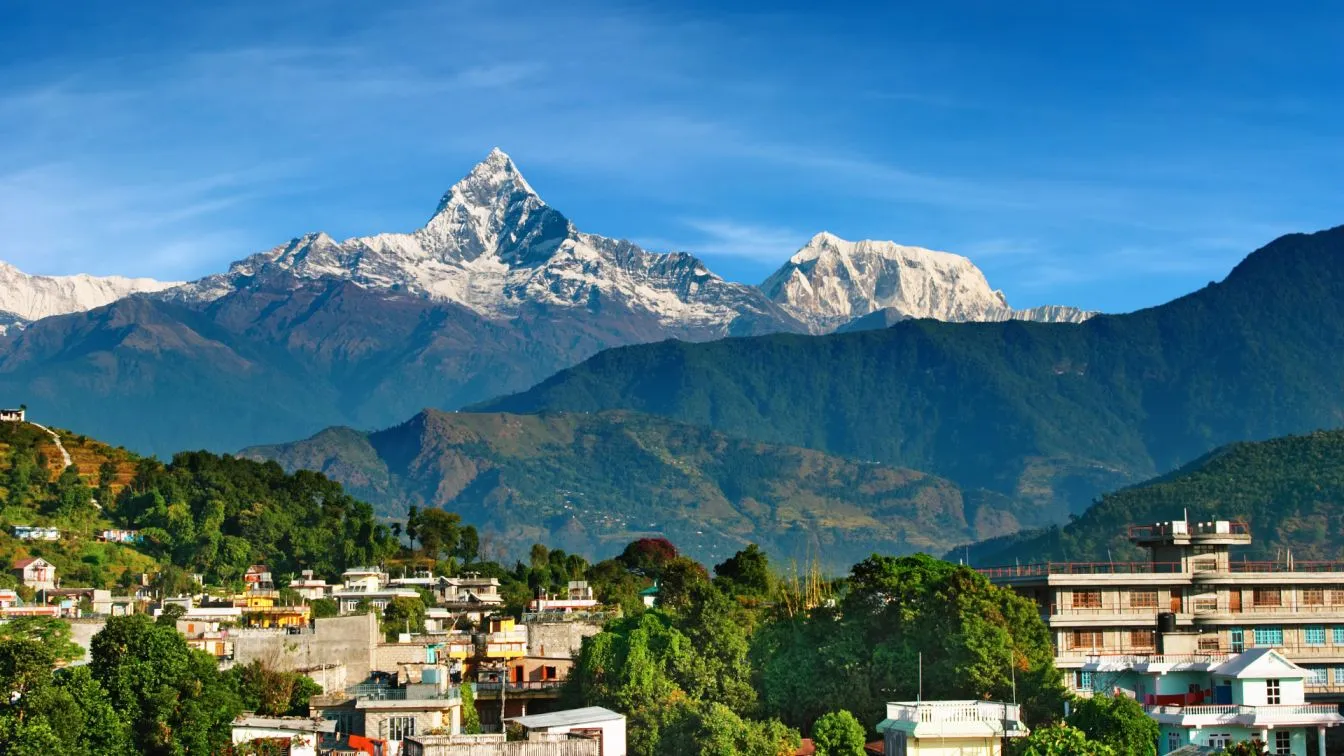
The weather varies according to the season in the Annapurna region, which influences the overall trekking experience. During spring (March-May), temperatures remain moderate, skies are generally clear, and trekkers can enjoy vibrant rhododendron blooms across the trails. Autumn (September-November) is the most popular trekking season, offering stable weather conditions, excellent visibility, and comfortable daytime temperatures compared to colder nights. Winter (December-February) brings colder temperatures, especially at higher elevations, and snowfall may cover some trails, making the trek more challenging. During the monsoon season (June-August), rainfall can make trails slippery and difficult to navigate. However, the lush greenery during this period offers a unique perspective of the Annapurna region.
The Annapurna region allows you to connect with diverse ethnic communities and experience their unique cultures, traditions, and lifestyles. The region is home to communities such as Gurung, Magar, Thakali, Loba, and Manange. Gurung and Magar communities mainly inhabit the southern parts of the region and are known for their vibrant traditions, folk dances, and warm hospitality. Meanwhile, Thakali, Loba, and Manange communities in the northern areas have strong Tibetan cultural influences, reflected in their architecture, monasteries, and languages.
From a natural perspective, the Annapurna region offers incredible biodiversity, with diverse flora and fauna throughout the trek. You may encounter wildlife such as the Himalayan monal, langurs, and Himalayan goats. The trek also provides spectacular Himalayan views, including the iconic Machhapuchhre Base Camp (MBC) and Annapurna Base Camp (ABC).
The ecosystem of the Annapurna region has been significantly impacted by increasing tourism. As trekkers, we have a responsibility to protect the environment and preserve the beauty of the Himalayas for future generations. Here are some ways to practice responsible trekking:
Modern trekkers seek a balance between adventure, comfort, and connectivity while exploring remote destinations. Some common expectations of today’s travelers include:
At Nepal Outdoor Expeditions, we’re more than just a trekking company; we’re your trusted partner in creating an unforgettable Himalayan journey. Our expert local guides not only prioritise your safety but also provide deep cultural insights that enrich your overall experience.
With carefully designed itineraries that balance adventure and comfort, we’re committed to responsible trekking and personalised service. Whether you’re embarking on your first trek or you’re an experienced hiker, our dedicated team ensures your Annapurna Base Camp adventure is smooth, meaningful, and memorable.
Accommodation on the 7-day Annapurna Base Camp Trek is provided in traditional mountain teahouses and lodges located along the trail. These locally operated lodges offer a comfortable and authentic trekking experience while allowing you to connect with the culture and hospitality of the Annapurna region.
In lower-altitude villages, teahouses generally provide twin-sharing rooms with basic furnishings, comfortable beds, blankets, and access to shared bathroom facilities. As the trek progresses into higher elevations, accommodation becomes more basic due to the remote mountain environment. However, the lodges remain clean, welcoming, and well-equipped to cater to trekkers.
Most teahouses feature communal dining halls heated by a central stove, creating a warm and social atmosphere where trekkers can relax, enjoy freshly prepared meals, and share experiences after a day on the trail. In addition, many lodges offer amenities such as hot showers, Wi-Fi, charging facilities, and drinking water for an additional fee, although availability may vary depending on the location and season.
Despite the simplicity of mountain accommodation, staying in local teahouses is an essential part of the Annapurna Base Camp experience. Not only does it provide a comfortable place to rest each night, but it also offers valuable opportunities to interact with local communities and experience life in the Himalayas firsthand.
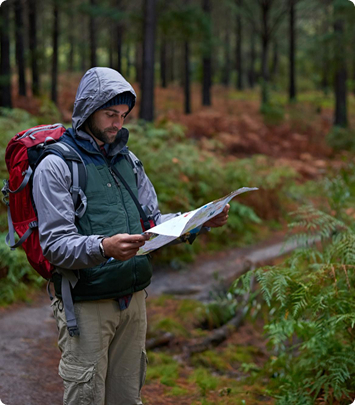
A travel essential list ensures safety and comfort throughout the trek. For clothing, you need moisture-wicking base layers, insulated jackets, waterproof jackets and pants, trekking pants and shirts, thermal innerwear, warm hats, gloves and scarves, and sturdy waterproof trekking boots. For gear, you need trekking poles, a sleeping bag, a backpack, a headlamp with extra batteries, sunglasses with UV protection, water bottles or a hydration bladder, and water purification tablets. Also, you need essentials like sunscreen and lip balm, snacks and energy bars, a map and a guidebook, a lightweight towel, cash for teahouses and local expenses, and personal first aid kits. You can learn more in our detailed guide on the difficulty level of the Annapurna Base Camp trek.

Tenzing Sherpa
Have questions? Our travel specialists are here to help plan your perfect adventure.
Chat on WhatsAppYour adventure begins the moment you board the morning flight from Kathmandu's domestic terminal. It's a short hop, just 25 minutes, but the views you'll catch out the window are anything but ordinary. On a clear day, the Himalayas stretch across the horizon like a painting you can't quite believe is real. Once you land in Pokhara, take a breath, get your bearings, and fuel up before the drive ahead. Winding through terraced hillsides, roadside farms, and patches of dense forest, you'll pass through Nayapul and Syauli Bazaar before pulling into Ghandruk as the afternoon light starts to soften. That first evening, standing in a mountain village with Annapurna South, Hiunchuli, and Machhapuchhre glowing in the distance, was the kind of moment that set the tone for everything that followed.
This is where the trekking truly begins, boots on trail, pack on back, and the Himalayas slowly revealing themselves around every corner. The morning starts with a steady climb alongside the Kimrong River, leading you up toward Chhomrong, one of the more charming villages along the route. The views of Machhapuchhre and Annapurna South from here are genuinely hard to walk away from. From Chhomrong, the trail drops down a long flight of stone-paved steps to Chhomrong Khola; your legs will know about it! Cross the wooden bridge, step into the cool shade of the forest beyond, and follow the path as it winds its way up to Sinuwa. It takes a couple of hours from the river, and by the time you arrive, you'll have earned your dinner.
Today you go deeper into the Annapurna Conservation Area, and the landscape starts to feel genuinely wild. The trail hugs the bank of the Modi River for much of the morning, passing through thick forest that feels ancient and alive. You'll stop at Bamboo for a well-deserved rest; the name gives it away, and yes, it's as peaceful as it sounds. From Bamboo, the path continues through Dovan and the tiny scattered settlement of Himalaya, where the trees begin to thin and the terrain opens up. The final push to Deurali is steep, but the reward is a grandstand view of Machhapuchhre towering above you, so close it almost feels theatrical. Tonight you sleep under those peaks.
This is the day you've been building toward. After breakfast, you leave Deurali with one goal in mind: the base camp. The trail navigates through a short landslide section before opening up into a more exposed, semi-arid landscape where the scale of everything around you starts to sink in. Around mid-morning, you'll reach Machhapuchhre Base Camp at 3,700 meters, a fantastic spot to pause, catch your breath, and take in the views before pushing on. The final stretch to Annapurna Base Camp takes roughly two more hours, and when you arrive, you'll find yourself standing in the middle of an amphitheater of giants: Annapurna I, Annapurna South, Gangapurna, Hiunchuli, and the iconic fishtail of Machhapuchhre surrounding you on all sides. It's overwhelming in the best possible way. Spend the afternoon soaking it all in; you've earned this.
Wake up early on this one, the sunrise over the Annapurna Glacier is not something you want to sleep through. Shades of pink and gold wash over the snowfields in a way that makes every tired muscle from the day before feel completely worth it. After that and a good breakfast, it's time to head back down. Retracing your steps through MBC and Deurali, the descent is long, around 7 to 8 hours by the time you reach Bamboo, but the trail feels entirely different going downhill, and the forests you passed through on the way up seem somehow richer on the return. By the time you drop into Bamboo for the night, the day's mileage will be written all over your face. In a good way.
There's a light at the end of today's tunnel, and it involves soaking in a natural hot spring, so motivation isn't exactly hard to find. The trail takes you back through the rhododendron, oak, and bamboo forests along Kimrong Khola before climbing back up to the familiar surroundings of Chhomrong Village. Take a short break here before following a quieter, more remote path down to Jhinu Danda. It's about two hours from Chhomrong, and the moment you step into those hot springs, days of trekking just... dissolve. The warm water, the mountain air, the sound of the river nearby, it's one of those simple but perfect travel moments that you'll remember long after the trip is over.
The final morning arrives, and there's that familiar mix of satisfaction and slight sadness that comes at the end of any good adventure. After breakfast, you follow the trail alongside the Mardi Khola one last time, weaving through lush greenery that feels almost surreally green after days above the treeline. Siwai is about 3 to 4 hours away, and when you get there, the trail officially ends. From Siwai, a vehicle takes you on the scenic drive back to Pokhara, through Ghandruk Phedi, past Birethanti, and through Nayapul, with the Himalayas making one final appearance on the horizon behind you. It's a fitting send-off for a trek that, by this point, will have gotten well and truly under your skin.
See what past travelers are saying about their experience with Nepal Outdoor Expeditions.
Because your next adventure is impatiently waiting for you.
Last Minute Note: Grab incredible deals on the last minute departure / Book spontaneous trips to hip destinations with limited-time offers and discounted price
Not sure of your dates yet? Hold a departure with a 20% deposit. Cancel more than 60 days out and your deposit is refunded in full. Your first date change is free. If a departure doesn't reach minimum numbers, we'll offer you the nearest alternative date or a full refund, and we'll let you know at least 30 days out.
Before you think of or actually plan any adventurous or relaxing tours, travels, or treks with Nepal Outdoor Expeditions.
If you cancel more than 60 days before departure, we refund your deposit in full. Between 30 and 60 days, the 20% deposit is retained. Inside 30 days the trip cost is non-refundable, since by then we've already paid for your permits, flights, and teahouse bookings. Full detail on our booking page.
20% to reserve your place, with the balance due 60 days before departure. On this trek that's $145 to book and $580 two months before you fly. If you're booking within 7 days of departure, the full amount is due at booking.
Yes, as long as you let us know at least 30 days before your original departure date, your first change is free. Any change after that, or a change requested inside 30 days, is $200 per person.
7 Days Annapurna Base Camp Trek