
Offering group discounts!
Reserve with a 20% deposit. The balance isn't due until 60 days before departure, and cancellations more than 60 days out get a full deposit refund. How booking works →
 Region
Annapurna Region
Region
Annapurna Region
 Duration
10 Days
Duration
10 Days
 Difficulty
Challenging
Difficulty
Challenging
 Max. Altitude
5416 m
Max. Altitude
5416 m
 Prime Activity
Trekking In Nepal
Prime Activity
Trekking In Nepal
 Season
(March-May) (September-November)
Season
(March-May) (September-November)
 Group Size
1-12 people
Group Size
1-12 people
The 10-day Annapurna Circuit Trek is a shortened version of one of Nepal’s most iconic trekking routes, designed for travelers who want to experience the beauty of the Annapurna region without spending weeks on the trail. In just a short period of time, the trek takes you through a dramatic range of landscapes—from lush green valleys and traditional villages to dry, high-altitude terrain surrounded by towering Himalayan peaks. Every day on the trail feels different, with new scenery, new cultures, and incredible mountain views unfolding along the way.
One of the most exciting highlights of this journey is crossing the famous Thorong La Pass, one of the highest trekking passes in the world. Along the route, trekkers pass through charming villages influenced by both Hindu and Tibetan cultures, giving the trek a rich cultural experience alongside its natural beauty. The 10-day Annapurna Circuit Trek is perfect for those who want a challenging yet rewarding Himalayan adventure, offering a blend of breathtaking landscapes, local culture, and unforgettable moments in the mountains.


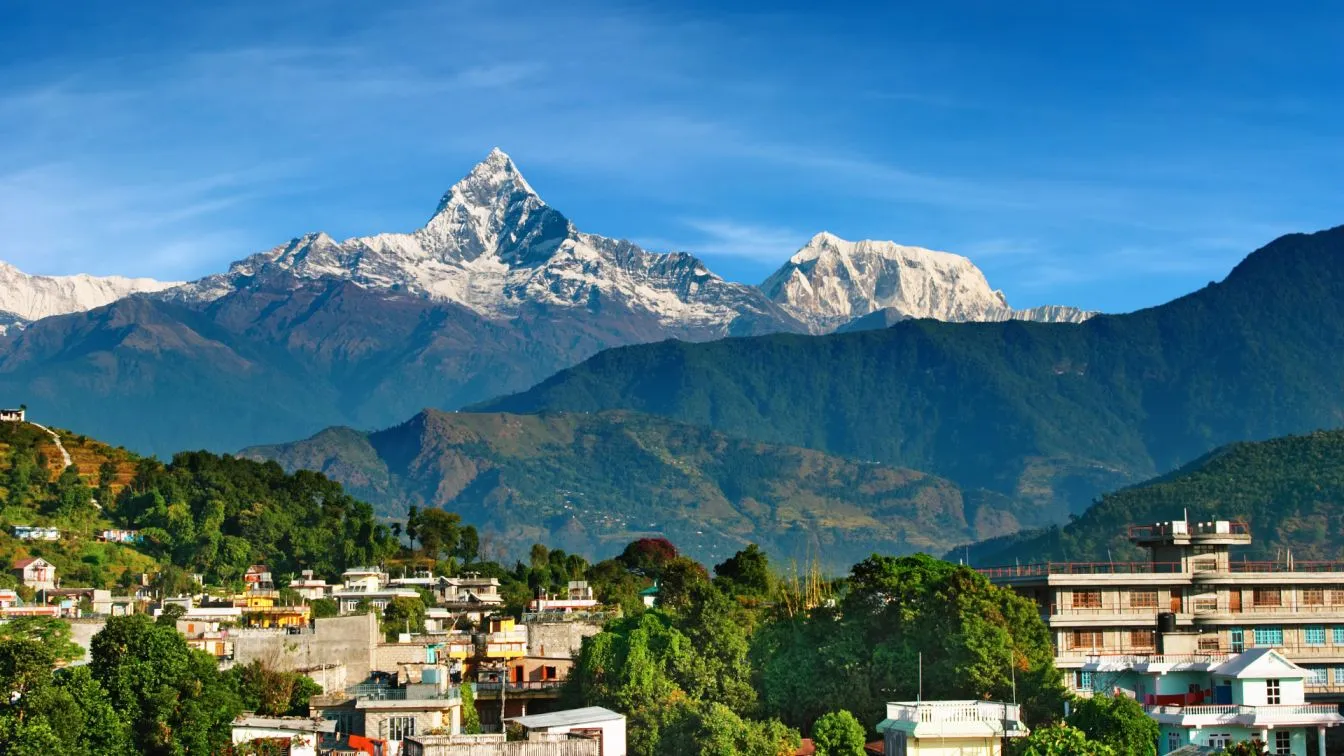
Traverse through diverse ecosystems, from tropical forests to alpine terrains, and immerse yourself in the rich tapestry of local cultures. The trek encompasses sacred sites like the Muktinath Temple, revered by both Hindus and Buddhists, and passes through traditional villages such as Manang and Pisang, where you can experience authentic Gurung and Magar hospitality.
Marvel at natural wonders, including the world’s deepest Kali Gandaki Gorge, and, if desired, take a detour to the mesmerizing Tilicho Lake, one of the highest glacial lakes globally.
As stewards of this pristine environment, we encourage:
Accommodation during the 10-day Annapurna Circuit Trek is mostly in small mountain teahouses run by local families along the trail. These lodges are simple but comfortable, offering a warm and welcoming place to rest after a long day of trekking. Rooms are usually twin-sharing with basic beds, pillows, and blankets. While the facilities are not luxurious, they are clean and practical, and the friendly hospitality of the hosts often makes the stay feel very homely.
As you move along the trail through villages like Chame, Manang, and Muktinath, the teahouses provide basic but essential amenities. Most have shared bathrooms, and hot showers are usually available for an extra charge. The dining hall is often the heart of the lodge, where trekkers gather in the evening around a warm stove to relax, chat, and enjoy the peaceful mountain atmosphere. Higher up in the mountains the accommodation becomes more basic, but it still provides everything needed for a comfortable overnight stay.
Food during the Annapurna Circuit Trek is simple, fresh, and surprisingly varied. Most meals are served in the teahouses where you stay, and the menus are quite similar along the route. A common and popular choice is the traditional Nepali dal bhat, which comes with rice, lentil soup, vegetables, and pickles. It is filling, nutritious, and often comes with free refills, making it perfect for long trekking days.
Besides dal bhat, teahouses usually offer a range of other dishes such as noodles, fried rice, pasta, soups, pancakes, eggs, and even some bakery items in larger villages. Breakfast often includes items like porridge, toast, eggs, and hot drinks such as tea or coffee. The meals are freshly prepared and provide the energy needed for trekking in the mountains, while also giving trekkers a chance to enjoy local flavors along the journey.
At Nepal Outdoor, the 10-day Annapurna Circuit Trek costs $1175 per person. This price includes everything you need for a comfortable and memorable trek. You can check the breakdown of what’s covered on this package page.
Physical Fitness: While suitable for beginners, the trek involves numerous ascents and descents. Regular cardiovascular exercises and strength training are recommended to prepare for long walking hours.

Tenzing Sherpa
Have questions? Our travel specialists are here to help plan your perfect adventure.
Chat on WhatsAppYour adventure begins the moment our guide meets you at your hotel in Kathmandu. From there, you'll spend about six hours on the road to Besisahar, and trust me, the drive alone is worth it. Rolling hills, green valleys, rivers catching the light, the occasional waterfall appearing out of nowhere. It sets the mood perfectly. After lunch, the real fun begins: a 65km off-road stretch to Chame that takes roughly four hours. You'll rumble through small villages like Dharapani, Danaque, and Thanchowk Koto, each one offering a little glimpse into mountain life before you even lace up your trekking boots. By the time you pull into Chame and settle into your tea house for the night, you'll already feel like you're somewhere genuinely special.
After breakfast, you head out through a thick pine forest, the air carrying that distinctive mix of resin and rhododendron that you really can't find anywhere else. The trail starts gently toward Bhartang, mostly flat with a few rocky stretches thrown in to keep you honest. The rivers alongside the path are loud and fast, and the mountain views begin opening up in ways that make you stop walking more than once. Past Bhartang, the route crosses a few suspension bridges before Dhukur Pokhari comes into view. Keep an eye out for Swarga Dwari perched on a distant hilltop. It's one of Nepal's most sacred sites, and even from far away, it has a presence. The day wraps up after about five to six hours of walking. You'll arrive first at Lower Pisang and then push a little higher to Upper Pisang, where the views of the Chulu peaks, Annapurna massifs, Tilichi, and Nawal peaks make the extra climb completely worthwhile.
Manang is one of those places that trekkers talk about long after they've come home. It's a living, breathing piece of Himalayan history, and you'll understand why the moment you walk in. Today's trek takes around six to seven hours, and the trail is mostly smooth through the Pisang valley before you arrive in Manang. On the way, you pass through Braga, a Tibetan village with a distinct character. The architecture is unlike anything you've seen, and the old Gompa sitting above the village is genuinely fascinating. Along the trail, you'll spot painted mandalas, yaks grazing on open slopes, and if the sky is clear, stunning views of Annapurna II, III, IV, Gangapurna, and Chulu Peak. Settle in tonight knowing you've earned a good meal and a solid rest.
No alarm today. Seriously, sleep in, take your time over breakfast, and let your body catch up with where you are. Once you're above 3,000 meters, a rest day isn't just a luxury, it's what keeps you going strong for the days ahead. Gangapurna Lake is just a short fifteen-minute walk from Manang and well worth the stroll. If you're feeling energetic, hike up to the monastery on the hill above the village. The view from up there is the kind that makes you put your phone away and just look. Otherwise, wander through the gompas, chat with locals, pick up a warm layer if you need one, and let Manang work its quiet magic on you.
Rested and acclimatized, you head back on the trail today, and the terrain makes clear that you're moving into higher country now. Leaving the Marsyangdi Valley behind, the path climbs through Tanki Manang and the small settlement of Gunsang before opening out onto the grasslands of Yak Kharka. The first part of the day is genuinely challenging, but the route does ease up as you approach Yak Kharka. After four to five hours on the trail, you'll reach your stop for the night. With Annapurna, Pisang, Gangapurna, and the surrounding peaks sitting right around you, dinner in this setting feels like something you'd never expected when you first planned this trip.
A shorter day today, intentionally so. Three to four hours of trekking keeps things manageable as your body continues adjusting to the altitude. The route crosses a suspension bridge, passes through grassy fields and rocky stretches, and eventually brings you to Thorong Phedi, sitting below the pass you'll cross tomorrow. The landscape here feels remote in the best possible way. If you're lucky, and it does happen, you might spot a snow leopard on the icy slopes above. Most people never do, but the possibility alone keeps you scanning the ridgeline.
This is the day. An early start is non-negotiable because weather on the pass can shift quickly in the afternoon. The climb to Thorong La Pass at 5,416 meters is long and demanding, but crossing the highest point on the entire circuit, with Annapurna, Dhaulagiri, Gangapurna, and Himchuli spread out around you, is something you'll remember for the rest of your life. From the pass, the trail drops steeply toward Muktinath over three to four hours. One of the most sacred sites in all of Nepal for both Hindus and Buddhists, Muktinath has a quietness to it that feels earned after everything you've climbed through to get there. The 108 water spouts at the temple carry deep religious significance, and the eternal flame burning inside is one of those things that genuinely stops you in your tracks. Spend some time here before heading to your tea house for a very well-deserved rest.
The hardest trekking is behind you now, and today is about getting comfortable again. From Muktinath you'll board a bus heading toward Pokhara, passing through Tatopani along the way. Expect around six to seven hours to Tatopani, then another three to four hours into Pokhara. The scenery through the Annapurna region keeps delivering even from the window: terraced fields climbing the hillsides, dense green forest, and small villages perched in places that make you wonder how they got there. By the time you reach Pokhara and check into a proper hotel with hot water and reliable Wi-Fi, it'll feel like a five-star experience.
A full free day in one of Nepal's most beloved cities. Pokhara operates at its own pace, and after ten days in the mountains, it's the perfect place to decompress. Phewa Lake in the morning light is something else entirely. Davis Falls, the International Mountain Museum, the World Peace Pagoda, Mahendra Cave and the famous Begnas Lake are all worth your time. If your legs still have something left, the hike up Sarangkot gives you a sweeping 360-degree view of the city and the Himalayan range to the north, including Machhapuchhre, Dhaulagiri, and Annapurna. Paragliding from Sarangkot is one of those experiences that people come back for specifically. Or just rent a bicycle and spend the day riding around at whatever pace feels right.
The last chapter. After breakfast, you'll board a tourist bus for the six to seven hour journey back to Kathmandu, tracing a route through Tanahun and Dhading districts alongside the Trishuli and Marsyangdi rivers. The landscape stays beautiful right to the end, which feels fitting. By the time the city comes into view, you'll be carrying ten days of trail stories, mountain views, and memories that don't really fit into any Instagram caption. Welcome back.
See what past travelers are saying about their experience with Nepal Outdoor Expeditions.
Because your next adventure is impatiently waiting for you.
Last Minute Note: Grab incredible deals on the last minute departure / Book spontaneous trips to hip destinations with limited-time offers and discounted price
Not sure of your dates yet? Hold a departure with a 20% deposit. Cancel more than 60 days out and your deposit is refunded in full. Your first date change is free. If a departure doesn't reach minimum numbers, we'll offer you the nearest alternative date or a full refund, and we'll let you know at least 30 days out.
Before you think of or actually plan any adventurous or relaxing tours, travels, or treks with Nepal Outdoor Expeditions.
If you cancel more than 60 days before departure, we refund your deposit in full. Between 30 and 60 days, the 20% deposit is retained. Inside 30 days the trip cost is non-refundable, since by then we've already paid for your permits, flights, and teahouse bookings. Full detail on our booking page.
20% to reserve your place, with the balance due 60 days before departure. On this trek that's $235 to book and $940 two months before you fly. If you're booking within 7 days of departure, the full amount is due at booking.
Yes, as long as you let us know at least 30 days before your original departure date, your first change is free. Any change after that, or a change requested inside 30 days, is $200 per person.
10 Days Annapurna Circuit Trek