
Offering group discounts!
Reserve with a 20% deposit. The balance isn't due until 60 days before departure, and cancellations more than 60 days out get a full deposit refund. How booking works →
 Region
Annapurna Region
Region
Annapurna Region
 Duration
14 Days
Duration
14 Days
 Difficulty
Challenging
Difficulty
Challenging
 Max. Altitude
5416 m
Max. Altitude
5416 m
 Prime Activity
Trekking In Nepal
Prime Activity
Trekking In Nepal
 Season
(March-May) (September-November)
Season
(March-May) (September-November)
 Group Size
1-12 people
Group Size
1-12 people
The Annapurna Circuit Trek—14 Days is one of those journeys that truly shows you how diverse the Himalayas can be. The trail slowly takes you from warm, green river valleys to the dry and dramatic landscapes of the high mountains. Along the way, you walk through traditional villages, cross suspension bridges, and follow ancient trade routes that have been used for centuries. With every day of the trek, the scenery changes, and the mountains begin to feel closer and more powerful.
One of the most memorable moments of the trek is crossing the famous Thorong La Pass, standing at 5,416 meters, where the views of the surrounding Himalayan peaks are simply breathtaking. But the Annapurna Circuit is not just about the mountains. It is also about the people and the culture you encounter along the trail. From the warm hospitality of local teahouses to the unique blend of Hindu and Tibetan traditions in the villages, the journey feels as much cultural as it does adventurous. Over 14 days, the trek offers a complete Himalayan experience that stays with you long after the journey ends.


The ecosystem of the Everest region has been significantly impacted by increasing tourism. Trekkers have some responsibilities towards the environment to preserve the beauty of the Himalayas for our own good and for the future generation. Here are some ways to practice environmental responsibility:
Annapurna Base Camp Trek promises to meet the expectations of travelers by providing many lodges and tea houses, including solar power and waste management. By giving access to limited Wi-Fi and mobile networks available, allowing trekkers to stay connected while enjoying the camp. Likewise, opportunities to get engaged in local tradition and culture, exploring them and also participating in their practices. Offering simple but nutritious meals and safe and cozy accommodation. While returning, you can enjoy the hot springs at Jhinu Danda and other places that come along the trek route, which are also known for their rejuvenating effects.
Not sure if Annapurna Base Camp is the perfect fit for you? Whether you’re looking for something shorter, more remote, or just a different kind of trekking experience, Nepal Outdoor Expeditions offers plenty of incredible options to choose from.
Here are some other treks you might like:
Accommodation during the 14-day Annapurna Circuit Trek is mainly in traditional teahouses and small mountain lodges along the trail. These lodges are usually run by local families who welcome trekkers with genuine warmth and hospitality. The rooms are simple, typically with two single beds, blankets, and pillows, providing a comfortable place to rest after a long day of walking. While the facilities are basic, they are clean and cozy, and the peaceful mountain surroundings make the stay feel special in its own way.
Most teahouses have a shared dining area where trekkers gather in the evening, often around a warm stove, sharing stories from the trail while enjoying hot drinks. Bathrooms are usually shared, and hot showers are available in many places for a small extra cost. As you move higher into the mountains, the accommodation becomes more simple, but the welcoming atmosphere of the lodges and the kindness of the hosts remain constant throughout the journey.
Food along the Annapurna Circuit is simple, nourishing, and perfect for long days on the trail. Meals are usually prepared fresh in the teahouses where you stay, and the menus offer a variety of options to keep trekkers energized. The most common and recommended dish is the traditional Nepali dal bhat, served with rice, lentil soup, vegetables, and pickles. It is hearty, filling, and a favorite among trekkers because it provides the energy needed for trekking in the mountains.
Besides dal bhat, you will also find dishes such as noodles, fried rice, pasta, soups, pancakes, eggs, and sometimes even fresh bakery items in larger villages like Manang. Breakfast is usually simple but satisfying, with options like porridge, toast, eggs, and hot tea or coffee. The food may be basic, but after a long day of trekking in the Himalayas, a warm meal in a cozy teahouse often becomes one of the most enjoyable parts of the day.
Before diving into what to pack and how to train, it’s important to understand the nature of the journey. While the Annapurna Base Camp Trek is achievable even for beginners, it does involve several days of walking with frequent ascents and descents. If you’re curious about how challenging it really is, check out our detailed guide on how difficult the Annapurna Base Camp trek is.

Tenzing Sherpa
Have questions? Our travel specialists are here to help plan your perfect adventure.
Chat on WhatsAppYour adventure kicks off right from Kathmandu. The road to Ngadi is long, roughly seven to eight hours, but honestly, it's one of those drives where you don't really mind. The route hugs the banks of the Trishuli and Marshyangdi Rivers for long stretches, and the scenery keeps changing just enough to hold your attention. You'll pass through Besisahar, the busy little headquarters of Lamjung district, before the road gets rougher on the final stretch to Ngadi. Fair warning: that last bit is bumpy, so hold on to your water bottle. By the time you roll into Ngadi, you'll be ready for a hot meal and a proper bed. This small village has a handful of cozy tea houses that do exactly what you need on night one, feed you well and let you sleep.
Today is where the walking actually begins. You cross a suspension bridge out of Ngadi and work your way through Bhaun Danda, past terraced fields that locals have been farming for generations. The trail takes you through Ghermu and Syange, where waterfalls tumble down the hillside and the forest closes in around you. The stretch near Jagat is something else entirely. There's a dramatic cliff section where the Marsyangdi River churns far below you, and if you look carefully at the rock face, you'll spot wild beehives clinging to the cliff. It's one of those details that makes you stop and just stare. After four to five hours of walking, Chamje comes into view. It's a quiet village, nothing flashy, but the tea houses here are welcoming, and the beds are more than earned.
The trail sharpens up today. You're moving through narrow valley sections that feel almost enclosed, with steep walls on either side and the river roaring somewhere below. The first major checkpoint is Tal at 1,700 m, a village sitting in a wide, flat valley that feels like a reward after the tight gorge leading into it. Crossing the suspension bridge here also marks your official entry into the Manang district. From Tal, the route weaves through rhododendron, bamboo, and pine before opening into farmland where wheat, barley, and potatoes grow in neat rows. A long set of stone staircases carries you up to Dharapani at 1,860 m, and from there, you head west through fir and pine forests until Bagarchhap appears. It's a longer day, so don't rush the morning. Eat a solid breakfast before you leave.
Chame is the district headquarters of Manang, and getting there feels like an achievement in itself. The trail climbs gradually through pine and oak forest, passing through Danakyu before the views start to open up in a serious way. Lamjung Himal and Annapurna II begin dominating the skyline, and the closer you get to Timang village, the more overwhelming those peaks become. The Marshyangdi River follows you almost the entire way, always audible even when the trees block your view of it. There's something grounding about that constant sound. Chame itself has a nice surprise waiting: natural hot springs. After a full day on your feet, soaking in warm water with mountain views is exactly the kind of thing that makes this trek memorable. Don't skip it.
Start early and follow the Marshyangdi through open fields before the trail ducks back into dense pine forest. About an hour in, you hit Bhratang, a little village with a surprise: an apple farm. The locals make fresh apple juice, apple pie, and apple doughnuts, and yes, they're as good as they sound at altitude. Have something here. You'll thank yourself. After Bhratang, the trail gets more interesting, winding along cliffsides with the river visible far below before a suspension bridge carries you across to the other bank. A solid 45-minute climb over a ridge leads to Dhikurpokhari, and from there, the landscape opens up into something almost otherworldly: lakes, snow-dusted slopes, and wide grass fields leading into Lower Pisang. If you arrive with daylight to spare, take a walk around. The setting is worth exploring.
This section of the circuit is one that people talk about long after the trek is done. It has a lot going for it. Leaving Lower Pisang, you climb toward Braga, a traditional Himalayan village that looks like it belongs in a different century. The centerpiece is Braga Monastery, better known as Braga Gompa, the oldest and largest monastery in Manang. Built more than 900 years ago, it holds an extraordinary collection of Buddhist statues, relics, and ceremonial flags. Spend some quiet time here if you can. From Braga, wooden bridges and trails lined with prayer wheels and stupas guide you toward Manang. The valley broadens, and suddenly the full Annapurna range comes into clear view along with Gangapurna and Chulu Peak. It's one of those moments where you stop mid-step. Tonight, rest well. Tomorrow is your acclimatization day.
You've earned a slower morning, but don't spend the whole day in bed. Manang sits at 3,540 m, and the days ahead are significantly higher, so acclimatization isn't optional, it's how you avoid a miserable crossing at Thorung La. After a relaxed breakfast, consider hiking up to Gangapurna Lake or the village of Khangsar. Both routes give you a healthy elevation gain and pull you back down to sleep lower, which is exactly what your body needs right now. The views of Gangapurna Glacier from the lake are quietly stunning. If hiking doesn't appeal, the local monastery and small cultural museum are worth a visit. Manang's cafes are also surprisingly good — take an afternoon coffee and just sit with the mountains.
Above Manang, the world starts to feel different. The Marshyangdi Valley falls away behind you and the landscape becomes sparser, more exposed, and genuinely beautiful in a stark sort of way. Today's route takes you through Ghunsang, where you can stop to rest and refill water, before continuing along narrow paths and over suspension bridges to Yak Kharka. Keep your eyes open along this stretch. It's not unusual to come across mule caravans, goat herds, or yaks grazing in the high pastures. There's a rhythm to the high mountain life up here that feels completely separate from everything below. Some trekkers push on to Ledar for an acclimatization boost. It's worth a short detour if you have the energy, then come back down to Yak Kharka to sleep.
A shorter day, but an important one. If you went to Ledar yesterday, you'll retrace part of the trail before following the eastern bank of Jarang Khola, crossing a suspension bridge, and making one final steep push up to Thorung Phedi. The setting here is dramatic. Vertical cliffs surround the meadow on multiple sides, and from this vantage point you can pick out an impressive lineup of peaks: Annapurna II, III, and IV, Gangapurna, Tilicho, Pisang, Thorong, and Chulu, among others. Wildlife is also more visible up here—griffons, blue sheep, and Lammergeyers are common sightings. The snow leopard is present in this region too, though considerably harder to spot. Since you arrive early, use the afternoon wisely. Rest, hydrate, and eat a proper dinner. Tomorrow is the big one, and you'll want to leave before the sun comes up.
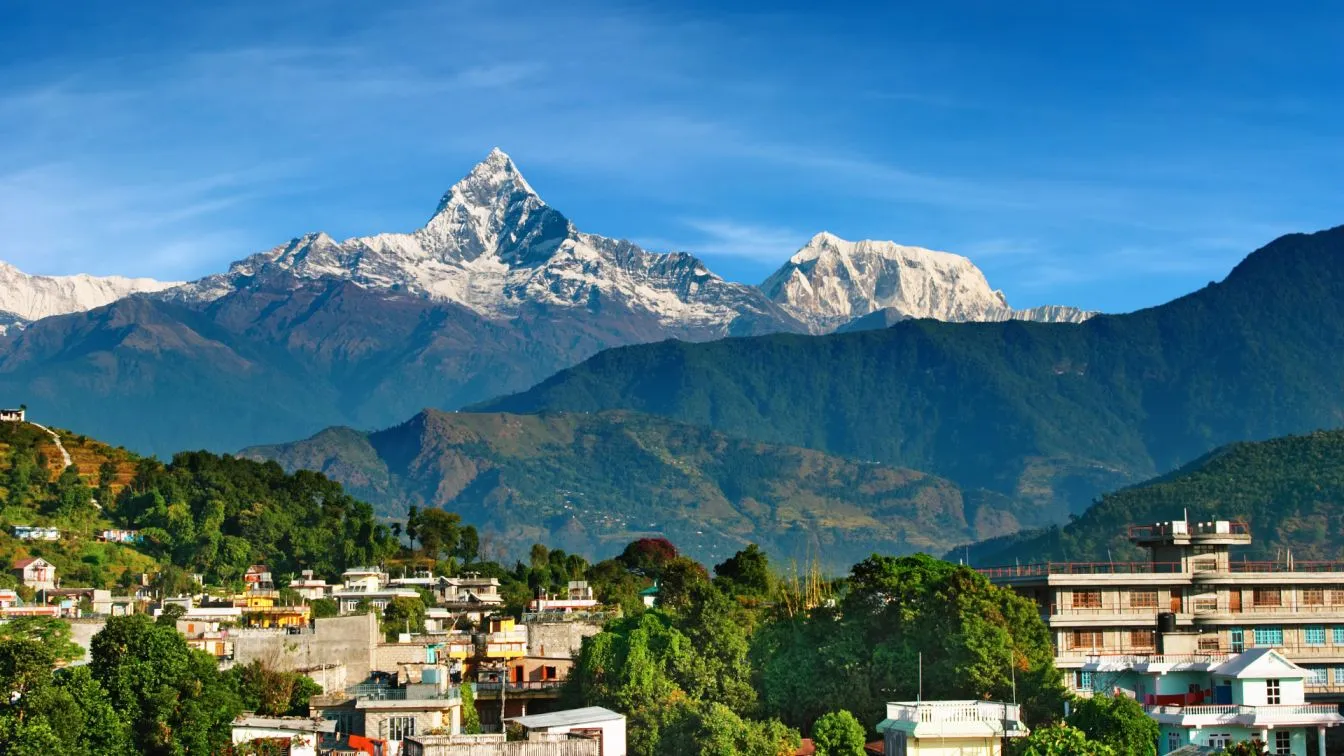
Set your alarm early. Seriously. The goal is to reach Thorung La Pass before 10am, because afternoon winds at that altitude can turn an already demanding crossing into a genuinely miserable one. The climb from Thorung Phedi is relentless—switchback after switchback through snow and rock. Thorung High Camp gives you a brief breather before the final push to the pass at 5,416 m. This is the highest point of the entire circuit, and standing there, prayer flags snapping in the wind and peaks surrounding you on every side, is something you won't forget. Annapurna massif, Gangapurna, Dhaulagiri, and Tilicho, they're all there. The descent to Muktinath is long, but the altitude drops fast, and with it comes warmth and oxygen. Muktinath itself is sacred to both Hindus and Buddhists. The temple here is built around an eternal flame that's said to have been burning for over 2,000 years, and 108 water spouts known as Muktidhara offer pilgrims a ritual bath. It's a deeply special place to arrive at after one of the hardest days of the trek.
After the intensity of Day 10, today is about letting the landscape do the work. You'll travel by jeep down through the Kali Gandaki Valley, one of the deepest gorges on earth, watching the altitude and scenery shift dramatically as you go. The famous Rupse Falls appear along the way, and hillside villages perched on impossible slopes make the drive feel like its own kind of journey. The roads here are rough in places, which is why a jeep is strongly recommended over other transport options. It handles the narrow, broken sections far better and keeps the day comfortable. Tatopani means "hot water" in Nepali, and the name is well deserved. Natural hot springs flow here, and after everything your body has been through in the past ten days, a long soak is the only reasonable thing to do.
Don't let the hot spring legs from yesterday fool you — today brings the biggest single elevation gain of the whole trek. Nearly 1,700 metres of climbing from Tatopani to Ghorepani. It's a long, steep day, but the trail is gorgeous throughout. You leave Tatopani past a checkpoint and begin climbing through terraced farmland and stone-stepped paths. Ghara is a reasonable spot to pause if you need it. Further along, Shikha makes a good lunch stop before the trail steepens considerably through stone staircase sections that go on and on. Villages like Gharkhola, Phalante, and Chitre break up the climb and give you a real sense of the hill community life in this part of Nepal. The forests here are thick with rhododendron and magnolia, and in the right season the whole hillside is in bloom. Ghorepani, when you finally reach it, feels like a proper reward. This is a well-known hub for trekkers doing the Poon Hill route, so it has good food, good beds, and good company.
Wake up before dawn. Poon Hill at sunrise is one of those experiences that justifies every early alarm you've ever set. The short climb up takes about an hour from Ghorepani, and if the sky is clear, the reward is a panoramic sweep of the Dhaulagiri and Annapurna ranges glowing gold in the early morning light. It's a photographer's dream, but even if you don't own a camera, just standing there and watching the mountains catch the first light is reason enough to have come all this way. After sunrise, you retrace back through Ghorepani and descend to Ulleri, a pretty Himalayan village that marks the final trekking point on the circuit. From Ulleri, the road is accessible, and vehicles can reach you here. A bus, jeep, or shared vehicle takes you on the four to five hour drive into Pokhara. Arriving in Pokhara after nearly two weeks in the mountains is quite a shift. The lakeside city has hotels, restaurants, and a genuinely lovely evening atmosphere. Take a walk along Phewa Lake, sit somewhere nice for dinner, and let it all sink in.
The final day is a long drive, but it's a comfortable one. You leave Pokhara and head east through the mid-hill districts of Tanahun and Dhading, passing through lush forested terrain with the Marshyangdi and Trishuli Rivers reappearing like old friends along the route. Terraced hillsides, small roadside towns, and forested ridges keep the journey interesting. It's a good day to be quiet, look out the window, and let the past two weeks replay in your head. Kathmandu welcomes you back at 1,400 m, and from here the trip is yours to close out however you like. If you have the energy, Thamel, Boudhanath, Durbar Square, and Swoyambhunath Stupa are all nearby. If you don't, that's fine too. You walked over a 5,400-meter pass. Rest is allowed.
See what past travelers are saying about their experience with Nepal Outdoor Expeditions.
Because your next adventure is impatiently waiting for you.
Last Minute Note: Grab incredible deals on the last minute departure / Book spontaneous trips to hip destinations with limited-time offers and discounted price
Not sure of your dates yet? Hold a departure with a 20% deposit. Cancel more than 60 days out and your deposit is refunded in full. Your first date change is free. If a departure doesn't reach minimum numbers, we'll offer you the nearest alternative date or a full refund, and we'll let you know at least 30 days out.
Before you think of or actually plan any adventurous or relaxing tours, travels, or treks with Nepal Outdoor Expeditions.
If you cancel more than 60 days before departure, we refund your deposit in full. Between 30 and 60 days, the 20% deposit is retained. Inside 30 days the trip cost is non-refundable, since by then we've already paid for your permits, flights, and teahouse bookings. Full detail on our booking page.
20% to reserve your place, with the balance due 60 days before departure. On this trek that's $245 to book and $980 two months before you fly. If you're booking within 7 days of departure, the full amount is due at booking.
Yes, as long as you let us know at least 30 days before your original departure date, your first change is free. Any change after that, or a change requested inside 30 days, is $200 per person.
Annapurna Circuit Trek-14 Days