The Everest Dudhkoshi Cultural Trail is Nepal’s latest officially identified trekking route and one of the most underrated. Winding through the Lower Solukhumbu District, this path places you face-to-face with Sherpa and Khaling Rai villages, centuries-old monasteries, and unobstructed views of Everest (8,848.86 m), Lhotse, Makalu, Numbur, and Mera Peak, without the crowds, high prices, or altitude dangers of the conventional Everest Base Camp route.
Officially released on September 1, 2025, the path runs from Silgudi Danda (3,020 m) through Ghumremera, Kudham, Yetelama, Rapcha, Majhgaun, Khastav, Bhumethan, and Pasda Jharana, ending at Mahabhir. The maximum standpoint, Kudham, sits at 3,200m, high enough for spectacular mountain views while remaining at a comfortable altitude for most trekkers.
The path takes 5 to 9 days, depending on your pace and chosen extensions. Most trekkers consider it a moderate trek, making it suitable for people with decent fitness levels, even if they lack high-altitude trekking experience.
If you’ve completed Poon Hill and want a more immersive adventure, this trail offers a great next step. It also suits first-time visitors to Nepal who want Everest views without committing to a 14-day trek.
Discovering The Everest Dudhkoshi Cultural Trail
A New Gem in the Lower Everest Region
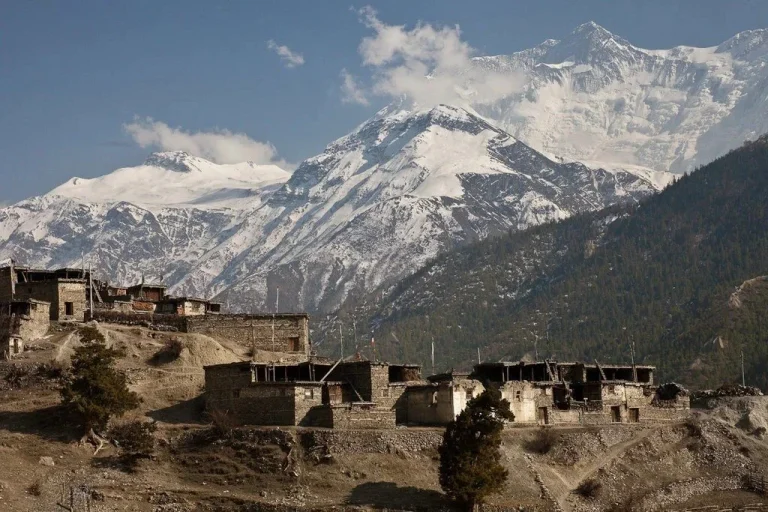
The Everest Dudhkoshi Cultural Trail occupies a stretch of Solukhumbu that has long been ignored in favor of the primary traditional Everest Base Camp route. Villages right here have preserved their rhythms largely undisturbed: terraced fields, stone-walled homes, children in faculty uniforms on steep paths, and elders weaving outside doorways.
The trail travels through an authentic cross-section of the Everest lifestyle. Khaling Rai groups carry their own awesome language and oral traditions. Sherpa villages practice Buddhism as an integral part of daily life rather than as a tourist attraction. Tamang settlements bridge both worlds. The path ends at Mahabhir, passing through the waterfall at Pasda Jharana, one of those quiet, sudden moments that veteran trekkers talk about for years.
Because the path is newly released and still gaining visibility, you’re strolling it whilst it still feels like a discovery.
Official Launch and the Vision Behind It
The Everest Dudhkoshi Cultural Trail was formally inaugurated on September 1, 2025, in Kathmandu, with the Nepal Tourism Board, TAAN (Trekking Agencies Association of Nepal), and the local Solukhumbu government as key partners. The initiative became years in the making, with the direction corridor first diagnosed in late 2023 and community infrastructure evolving through 2024 and 2025.
The vision behind the trail is intentionally community-focused. Tourism revenue stays within local communities through homestays, community-run lodges, and local guides. The trail is likewise a part of Nepal’s broader attempt to distribute trekking traffic past the saturated EBC corridor, which is better for the surroundings, better for villages that deserve visitors, and better for trekkers tired of queues at teahouses.
What Makes This Trail Different
Most Nepal treks are in the long run about altitude, in which the purpose is quite a number on a map. The Dudhkoshi Cultural Trail is based on this. The aim here is immersion: in landscape, in community, in the texture of everyday lifestyles in the lower Himalayan Region.
Here’s what to anticipate at a glance:
- Duration: 5 to 9 days (a 10-day model, such as Kathmandu days, is likewise popular)
- Difficulty: Moderate, suitable for beginners with first-rate health
- Highest point: Kudham Viewpoint (3,200 m)
- Mountains visible: Everest (eight,848.86 m), Lhotse, Makalu, Numbur, Mera Peak
- Best seasons: March to May (spring) and September to November (autumn)
The Trail Experience
Walking Through Living Villages
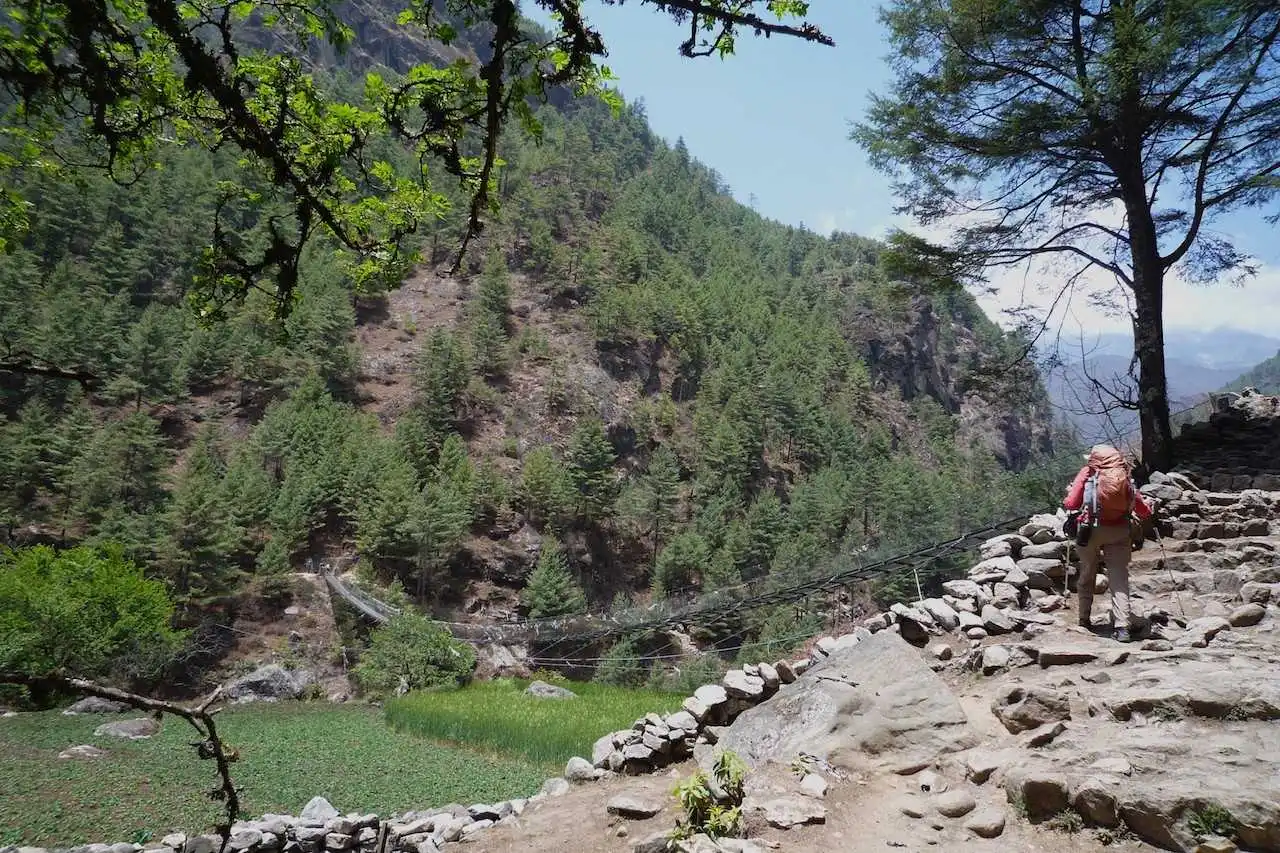
The path would not simply pass close to villages; it passes through them. From Silgudi Danda, you descend through mixed rhododendron and alpine forest to Ghumremera, where the Chyangmiten Gumba monastery anchors the community. From there, the direction keeps to Kudham (the best standpoint), then winds down through Yetelama, Rapcha, Majhgaun, and Khastav before attaining the decreasing settlements of Bhumethan and the waterfall at Pasda Jharana, with Mahabhir as the endpoint.
Each village has its own personal character. Rapcha sits on a forested ridge with views that open as you crest a hill. Majhgaun is known for its terraced farmland, where millet, maize, and potato fields cascade down into the Dudhkoshi Valley. At Bhumethan, the elevation drops and the air softens. You also begin to understand how the trail takes trekkers through multiple climatic and cultural zones in just a few days of walking.
Meeting the People Who Live Here
The Khaling Rai are the primary community along a lot of this trail. Their language, Khaling (a Sino-Tibetan tongue spoken by fewer than 15,000 human beings internationally), is one of the reasons ethnolinguists and cultural tourists have taken an interest in this area. Their oral traditions, animist-Buddhist practices, and intimate courting with the woodland make for conversations that live with you long after the trek ends.
As the trail rises in the direction of Sherpa territory, the prayer flags multiply, the monastery bells grow louder, and the hospitality shifts in its own awesome way. Sherpas are famously generous hosts. Tea is obtainable before whatever is requested, and meals arrive in generous quantities.
A few matters, a good way to make those encounters richer:
- Learn a greeting in Nepali (“Namaste”) and Sherpa (“Tashi Delek”)
- Always ask earlier than photographing human beings, especially in the course of rituals
- If provided with local meals or drinks, accept graciously
Mountain Views That Stop You Mid-Step
This is the lower Everest Region, which means that mountain views appear unexpectedly. You’ll be strolling in a forest direction, the tree line will ruin, and there can be Everest (all 8,848.86 meters of it) sitting above the ridge, as if it has been waiting for you.
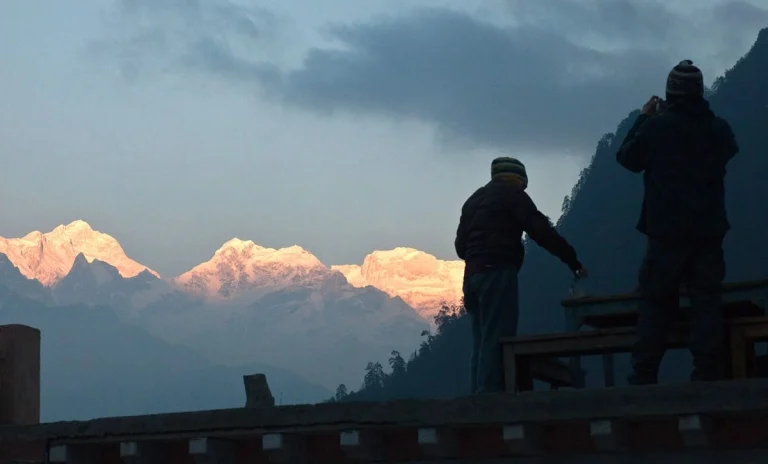
The Kudham Viewpoint at 3,200m is the devoted panorama spot; however, honest views of Everest, Lhotse, Makalu, and Numbur seem at several points along the course. Morning light (6 to 8 AM) and past due afternoon (4 to 6 PM) are when the peaks glow satisfactorily. Keep your camera handy, not buried in your bag.
Adventures Along the Path
Rock Climbing at Mahavir (Ward 5): A New Attraction Worth Knowing About
One of the most thrilling current trends on this path is the emergence of Mahavir as a rock climbing destination. Located in Ward 5 near the path’s endpoint, Mahavir has a 100-meter-long rock face that the neighborhood government and the employer have been developing into an established climbing site.
The first legitimate mountain climbing event was held on January 1, 2024, and considering the fact that then, 12 nearby network contributors have obtained expert mountaineering training through MOGAN, a vast step towards making this a self-sustaining adventure hub. The long-time period vision is to position Mahavir as a world-class mountain climbing destination within the Everest foothills.
For trekkers who need to add a technical assignment to the cultural revel, that is a compelling reason to extend your itinerary to the Mahabhir endpoint rather than turning back at Thul Dunga.
Monasteries That Are Actually Alive
The Chyangmiten Gumba at Gumnemera is the non-secular centerpiece of the trail. Unlike some monasteries on more touristed routes that feel half-preserved for visitors, this one functions as a lively spiritual community. If you arrive in the morning, you may pay attention to the monks in prayer. The structure follows conventional Tibetan-influenced Sherpa fashion: whitewashed walls, carved wooden beams, and painted thangkas inside.
Smaller shrines, mani walls (stone partitions inscribed with Buddhist mantras), and chortens appear for the duration of the direction. Walk clockwise around them to follow local Buddhist customs.
Extending the Adventure
The Dudhkoshi Cultural Trail connects clearly to several extensions:
- Pikey Peak, for sunrise perspectives of Everest that rival anything at EBC
- Salleri to the EBC route, if you want to go deeper into Solukhumbu
- Phaplu airstrip, for a scenic flight again to Kathmandu, instead of a road, go back
Talk to your guide at the begin approximately which extension fits your timeline. Some can be introduced without a without significantly increasing the overall cost.
Detailed Itinerary of Everest Dudhkoshi Cultural Trail
Day 1: Kathmandu Arrive (1,400 m)
You’ll be received by a host/guide upon arrival at Tribhuvan International Airport and driven to your hotel. In the afternoon, you’ll receive a thorough briefing on the Dudhkoshi Cultural Trail, such as its course, cultural importance, and safety considerations. Thamel is free for you to browse for last-minute gear in the afternoon. In the evening, you’ll get to enjoy a welcome Nepali cultural dinner with performances.
Day 2: Kathmandu to Silgudi Danda (3,020 m)
You will leave Kathmandu today and journey to the district, the gateway to the Everest Dudhkoshi Cultural Trek. The mountain journey of several hours passes through rivers, steep slopes of terrace agriculture, and villages before reaching Silgudi Danda at 3,020 m, from where you start the trekking excursion. Overnight in a local lodge or homestay with first experiences of rural mountain hospitality.
Day 3: Silgudi Danda to Gumnemera/Chyangmiten Gumba (2,780 m)
Today’s trail descends step by step to Gumnemera, also referred to as Chyangmiten Gumba. The journey takes you through mixed forests and villages with typical ways of living, allowing for chances to interact with people and learn about their ways of living. In Gumnemera, you can visit a monastery that remains at the center of the religious and cultural activities of the people. Overnight Gumnemera.
Day 4: Gumnemera to Yetelama (2,450 m)
The trail from Gumnemera proceeds to Yetelama, a valley with its landscape of terraced farmlands and forested ridges. During the journey, you get to pass through Sherpa and Rai villages, from where you can observe native villages and receive real cultural hospitality. Yetelama is famous for its stunning vistas of rolling hills and the Dudhkoshi River valley landscape. Overnight accommodation in a homestay in a village.
Day 5: Yetelama to Thul Dunga/Damku (2,400 m)
Today’s hike is to Thul Dunga, or Damku, at around 2,400 meters. The track is smoother here, twisting between millet and maize fields, with small villages scattered around. Nepal is diverse in culture and fertile in this part of the country, and locals can be seen dancing their own dances or encouraging you to participate in their ceremonies and tales. Overnight in Thul Dunga.
Day 6: Thul Dunga to Silgudi Danda (3,020 m)
Side Trip to Bhumesthan & Sundar Jharana Waterfall (1,300 m), trek to Silgudi Danda, and finish the main cultural circuit of the Dudhkoshi Trail. From this point, a jeep takes you on a side excursion to Bhumesthan and then to Sundar Jharana, a stunning waterfall hidden in the forested hills of Pasdha and Mahabir at about 1,300 meters. This natural detour provides a welcome contrast to the otherwise cultural orientation. Back to Silgudi for the night.
Day 7: Silgudi to Kathmandu (1,400 m)
The return journey follows the same route from Silgudi to Kathmandu. Once you arrive in the capital, you are free to shop in Thamel or visit UNESCO World Heritage Sites such as Swayambhunath or Kathmandu Durbar Square. In the evening, you can enjoy a Farewell Dinner and reminisce about the cultural experiences and natural beauty of the Dudhkoshi Cultural Trail.
Getting There and Practical Logistics
How to Reach the Trailhead
The trail starts at Silgudi Danda (3,020 m), reached by street from Kathmandu (usually 6 to 8 hours depending on conditions and forecasts). This is not a Lukla get-right-of-entry to the path, and no domestic flight is required; that is certainly one of its sensible and monetary benefits over conventional EBC routes.
The return from Mahabhir may be achieved via road again to Kathmandu, or through Phaplu airstrip for a greater scenic finish (restrained flights; book early).
Accommodation on the Trail
Accommodation is often community-managed homestays and small neighborhood resorts. Expect smooth, easy rooms: usually dual beds, shared lavatories, and home-style cooking. This is intentionally a part of the enjoyment, and the sales go without delay to the family’s website hosting you.
Practical info:
- Wi-Fi: Available at a few motels, slow and now and then charged one after the other
- Charging: Power retailers in most inns, now and then at a small price
- Food: Dal bhat is the staple and the first-class factor on any menu at altitude; local specialties like millet bread and seasonal greens are also to be had
- Booking: No increase reserving wanted in off-season; high season (October to November, March to April), your agency can pre-arrange stays
2025–2026 Permit Requirements
The allowed state of affairs has been modified from what older courses may say:
- TIMS Card (Trekkers’ Information Management System): Now obligatory for all Nepal hiking trails, which include this one. Obtain through a registered hiking enterprise or TAAN/NTB workplaces in Kathmandu.
- Licensed Guide: Required. A government-registered Nepali trekking company must employ your guide. Current regulations do not allow freelance guides.
- Local Permits: Community and municipality authorities charge access fees. Your trekking company handles these permits and payments on your behalf.
- Sagarmatha National Park Permit: Not required for this path, as it remains in the lower Solukhumbu buffer sector.
Permit regulations can vary. Always verify with your agency before departure.
The Cultural Heart of the Trail
Khaling Rai Heritage
The Khaling Rai are one of the most underrepresented groups in Nepal’s hiking literature, which is a shame due to the fact that their culture is splendid. Their language, Khaling, is a living testament to pre-Buddhist Himalayan civilization, awesome from Nepali, Sherpa, and Tibetan. Their dating with the wooded area is animistic and deeply ecological; they’ve names and tales for precise bushes, birds, and rivers that outsiders rarely get to hear.
Walking through Khaling Rai villages, you may note the structure differs subtly from Sherpa settlements: decreased rooflines, extraordinary decorative motifs, and wonderful garage practices. If you’re offered neighborhood chang (millet beer) at a family, receive it graciously. It’s a gesture of acceptance, as true with, not simply hospitality.
Sherpa and Tamang Traditions
While the Khaling Rai are predominant, you also get to interact with Sherpas and Tamangs en route, more and more depending on how far up you go in the upper Everest region. These people have their own histories and cultures. Depending on where you go, you get to catch a glimpse of Tibetan Buddhism in the monasteries and prayer flags that blanket the landscape. Their endurance and their religious connection with mountain peaks are something that is learned over the course of the journey.
Experiencing Local Festivals
Syncing your trek with a local festival can be extremely fulfilling. These happenings are wonderful celebrations of community spirit. Dates vary, but typical festivals can be tied to harvests or significant religious holidays. Attending, even just to observe, gives you a real feel for local culture. It’s an opportunity to witness full-contact traditional dancing and music, and communal feasting in person.
Is the Everest Dudhkoshi Cultural Trail Right for You?
If you’ve been to Nepal earlier and want something past the usual circuits, this trail is your answer. If you are coming for the first time and want Everest views without a two-week commitment, this trail is also your solution.
It is moderate in difficulty and rich in cultural experiences. The trail is officially launched and supported by Nepal’s tourism infrastructure. It also remains quiet enough that you may have a teahouse to yourself. The developing rock-climbing site at Mahavir, the full route to Mahabhir, and updated permit regulations make 2025 and 2026 an ideal time to visit. You can experience the trail while it still feels like a hidden discovery.
The trail will develop in reputation. The Nepal Tourism Board and TAAN are actively promoting it. The time to walk it earlier than it becomes famous is now.
Ready to plan? Our team has local guides who know this route and the communities along it personally. Contact us or WhatsApp usto ask anything, no obligation, just useful information from people who’ve walked it.
Frequently Asked Questions about the Everest Dudhkoshi Cultural Trail
1. What is the Everest Dudhkoshi Cultural Trail?
The Everest Dudhkoshi Cultural Trail offers trekkers a newly developed route through the lower Everest region. The trail highlights both mountain scenery and local culture while providing views of Everest, Lhotse, and Makalu without requiring high-altitude trekking.
2. How long does the Everest Dudhkoshi Cultural Trail take?
Travel times average between 6 and 10 days, depending on your speed and how many cultural sites you want to see.
3. What cultural activities can I look forward to?
You’ll interact with Rai, Sherpa, and Tamang people, sleep in homestays, visit cultural villages, and, you never know, watch celebrations or festivities that showcase modern indigenous traditions.
4. Is it a hard trail?
The trail is graded from easy to moderate. It loops away from high ground and can therefore take in beginners, even families, albeit uphill and downhill hiking is to be expected.
5. What to carry for the trek?
Pack warm clothing, comfortable hiking wear, sturdy hiking boots, rain gear, sunscreen, a hat, sunglasses, snacks, a water bottle, and a first-aid kit. A layer is required because it can turn quickly.
6. What is the best time to go?
The optimal seasons for visiting are spring (March-May) and autumn (September-November), with clear skies, breathtaking vistas, and pleasant weather.
7. Do I require special permits for this trek?
Yes, you would need local permits from the community or municipal authorities. Although you do not need a TIMS card or Sagarmatha National Park fee like Everest Base Camp, these can be taken care of by your guide or trekking agency.
8. Where am I going to sleep on the trek?
Accommodation consists mainly of community-managed homestays or small lodges. Basic rooms, a communal bathroom, and home-style cooking: a first-hand experience of living like a villager.