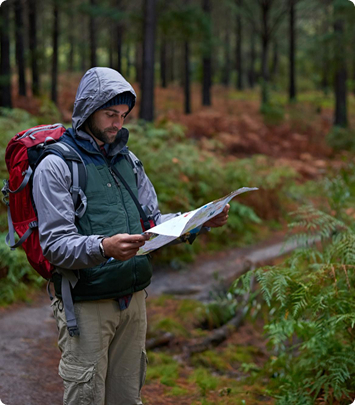

Offering group discounts!
Reserve with a 20% deposit. The balance isn't due until 60 days before departure, and cancellations more than 60 days out get a full deposit refund. How booking works →
 Region
Everest Region
Region
Everest Region
 Duration
14 Days
Duration
14 Days
 Difficulty
Challenging
Difficulty
Challenging
 Max. Altitude
5364 m
Max. Altitude
5364 m
 Prime Activity
Trekking In Nepal
Prime Activity
Trekking In Nepal
 Season
(March-May) (September-November)
Season
(March-May) (September-November)
 Group Size
1-12 people
Group Size
1-12 people
The Everest Base Camp Trek is more than just a trekking journey—it is an experience that takes you deep into the heart of the Himalayas and brings you face to face with the world’s highest mountain, Mount Everest. For many travelers and adventure lovers, this trek is a lifelong dream. It is not only about reaching a destination but also about the incredible journey through the mountains, the culture you encounter along the way, and the unforgettable moments that stay with you long after the trek ends.The adventure usually begins with a short but thrilling flight from Kathmandu to Lukla, a small mountain airstrip that serves as the gateway to the Everest region. From Lukla, the trail gradually follows the Dudh Koshi River, crossing suspension bridges decorated with colorful prayer flags. Along the way, you pass through beautiful Sherpa villages, green forests of pine and rhododendron, and small settlements where life moves at a peaceful mountain pace.One of the most memorable stops on the journey is Namche Bazaar, the vibrant trading hub of the Khumbu region. Surrounded by towering peaks, Namche is a lively mountain town where trekkers often spend a day acclimatizing while enjoying cafés, local markets, and the first clear views of Everest. As the trail continues higher, the landscapes begin to change. The forests slowly give way to open alpine terrain, glaciers, and rugged mountain valleys.
The trek also offers a deep glimpse into Sherpa culture and traditions. Villages like Tengboche, Dingboche, and Lobuche are not only scenic but also culturally rich. Monasteries, prayer wheels, mani walls, and fluttering prayer flags remind you that the Himalayas are not just mountains—they are sacred landscapes deeply connected with local beliefs and traditions.
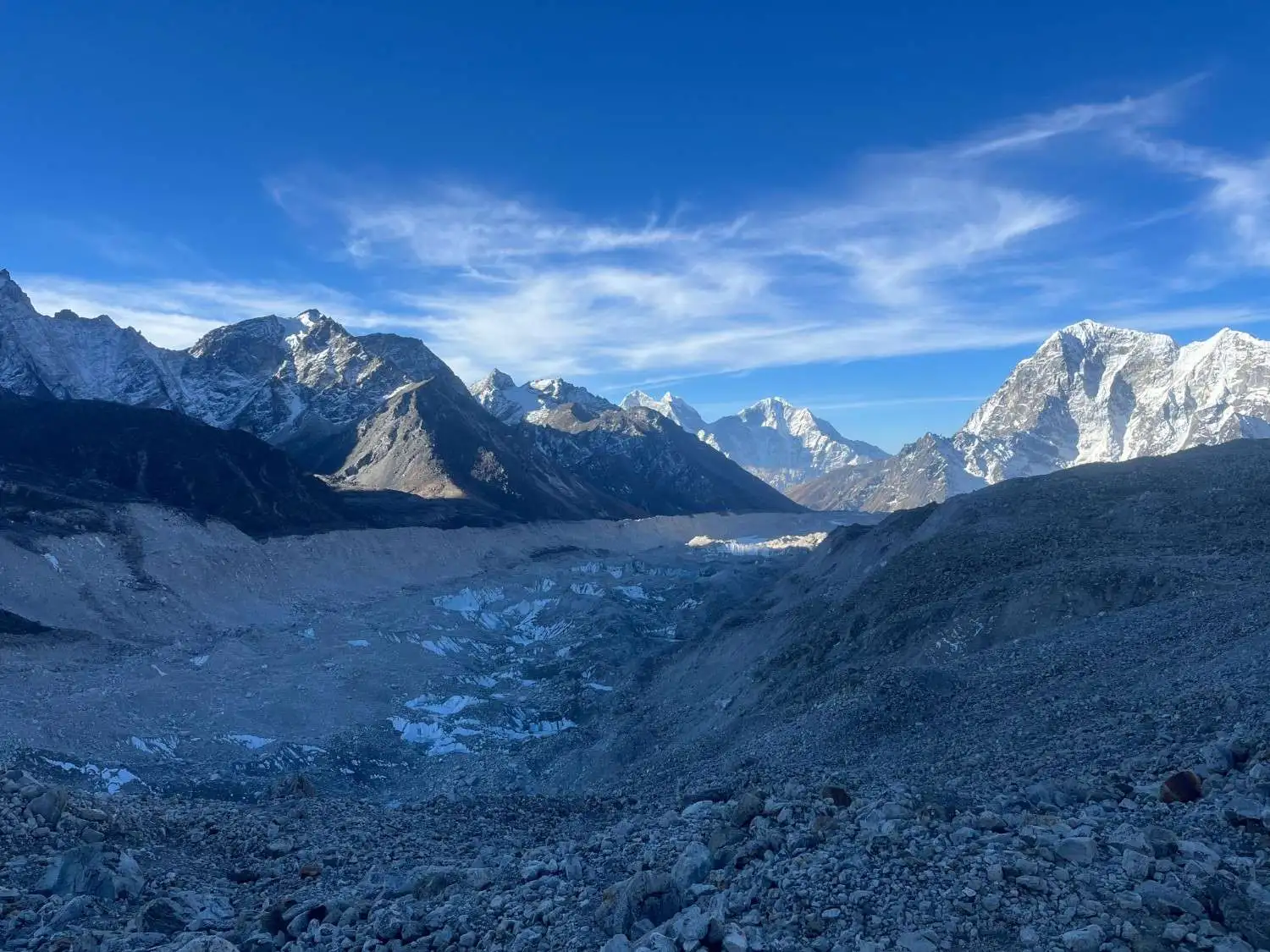
Eventually, the trail leads to Everest Base Camp, located at the foot of the Khumbu Glacier. Standing here, surrounded by towering Himalayan peaks and massive ice formations, is a moment that feels both humbling and inspiring. Although Everest itself is not fully visible from the base camp, the atmosphere of being so close to the world’s highest mountain is truly special.
Another highlight of the trek is the hike to Kalapatthar, a famous viewpoint known for offering one of the best views of Mount Everest. Watching the sunrise from Kalapatthar, as the golden light slowly touches the summit of Everest and the surrounding peaks, is often described as the most magical moment of the entire journey.
What makes the Everest Base Camp Trek truly unforgettable is not just the destination, but everything in between—the friendly smiles of the local people, the quiet trails through the mountains, and the sense of accomplishment that grows with every step. It is a journey that challenges you physically, inspires you deeply, and leaves you with memories that last a lifetime.


At Nepal Outdoor Expeditions, we prioritize safety, local expertise, and unforgettable experiences. Our guides are Everest trekking specialists, ensuring a well-planned Everest Base Camp trek itinerary that balances adventure with comfort. From seamless logistics to ethical trekking practices, we guarantee an authentic Himalayan experience.
Travel responsibly: We promote eco-friendly trekking and support local communities.
During the Everest Base Camp Trek, trekkers stay in local teahouses and mountain lodges that are found in almost every village along the trail. These lodges are usually run by local Sherpa families and provide a simple yet welcoming place to rest after a long day of walking in the mountains. While the facilities are not luxurious, they are comfortable enough and well suited for trekkers traveling through the remote Himalayan region.
The rooms are usually basic and cozy, typically equipped with two single beds, a mattress, a pillow, and warm blankets. Most teahouses offer shared bathrooms, and in some villages you may find attached bathrooms in upgraded lodges. Hot showers and charging facilities are often available for an additional cost. At lower elevations like Lukla, Phakding, and Namche Bazaar, the lodges are more developed and offer slightly better services. As the trek goes higher toward places like Lobuche and Gorakshep, the accommodation becomes more simple because of the harsh mountain environment and limited resources.
The dining area is often the most comfortable and lively part of the teahouse. After a long day of trekking, trekkers gather here to warm up near a stove, enjoy a hot meal, and share stories with fellow travelers. It creates a friendly atmosphere where people from different parts of the world come together over good food and warm drinks.
Food during the trek is fresh, warm, and designed to provide the energy needed for long walking days. The most common and popular dish is Dal Bhat, the traditional Nepali meal made of rice, lentil soup, vegetables, and pickles. It is nutritious, filling, and often comes with unlimited refills, which is why many trekkers rely on it throughout the trek.
Besides Dal Bhat, the menus in teahouses usually offer a variety of options such as fried rice, noodles, pasta, potatoes, momos (Nepali dumplings), eggs, pancakes, soups, porridge, and bread items. In larger villages like Namche Bazaar, you can even find bakeries and small cafés where you can enjoy fresh coffee, cakes, and other snacks.
Hot drinks like tea, coffee, hot lemon, and ginger honey tea are widely available and are especially comforting in the cold mountain weather. Since all food supplies are carried up the trail by porters or yaks, the menu choices may become slightly limited as you move higher into the mountains.
Even though the accommodation and food are simple compared to city standards, the warm hospitality, hearty meals, and cozy teahouse atmosphere make the experience of trekking to Everest Base Camp truly memorable.
Preparing the right equipment for the Everest Base Camp Trek is very important. Since the trek takes you through different elevations and changing weather conditions, having proper gear will make your journey more comfortable and enjoyable. It’s best to pack light but make sure you have all the essentials needed for trekking in the Himalayan environment.
Layered clothing works best in the mountains because temperatures can change quickly throughout the day.
Comfortable and reliable footwear is essential for long days of walking.
These items will help you stay organized and comfortable during the trek.
A few personal essentials will make your trek easier and more comfortable.
These small items can be very helpful during the trek.
Having the right equipment ensures that you stay comfortable, warm, and well prepared throughout the Everest Base Camp journey. With proper gear and preparation, you can fully enjoy the breathtaking landscapes, local culture, and the incredible experience of trekking in the Himalayas.

Tenzing Sherpa
Have questions? Our travel specialists are here to help plan your perfect adventure.
Chat on WhatsAppYour journey begins with your arrival in Kathmandu, the vibrant capital of Nepal. After landing at Tribhuvan International Airport, you will be greeted and transferred to your hotel. The rest of the day is free for you to relax after your journey or explore the lively streets of Thamel. In the evening, there may be a short briefing about the trek and time to prepare for the adventure ahead.
Early in the morning, you will take a scenic flight to Lukla, one of the most exciting mountain airstrips in the world. The flight offers stunning views of the Himalayas. After landing, the trek officially begins. The trail gradually descends through small villages and pine forests, following the Dudh Koshi River until you reach the peaceful village of Phakding for your overnight stay.
Today’s trek takes you through beautiful forests and across several suspension bridges decorated with colorful prayer flags. After entering Sagarmatha National Park at Monjo, the trail begins a steady climb toward Namche Bazaar. As you approach Namche, you may catch your first glimpse of Mount Everest on a clear day. Namche Bazaar, the main trading hub of the region, is a lively mountain town surrounded by spectacular peaks.
To help your body adjust to the altitude, you will spend a day in Namche Bazaar. Instead of resting completely, a short hike to nearby viewpoints such as the Everest View Hotel or Khumjung village is recommended. From here, you can enjoy stunning views of Everest, Ama Dablam, and other Himalayan peaks. The rest of the day can be spent exploring cafés, local markets, and small museums in Namche.
Leaving Namche behind, the trail follows a scenic path with incredible views of Everest, Lhotse, and Ama Dablam. After descending to the river, the trail climbs steadily through forests of rhododendron and pine until you reach Tengboche. This village is famous for its beautiful monastery, one of the most important spiritual centers in the Everest region.
Today the landscape begins to change as you move higher into the mountains. The trail passes through small settlements and open valleys with magnificent mountain views. You will walk through Pangboche village and continue along the Imja Valley until reaching Dingboche, a peaceful village surrounded by stone walls and towering peaks.
Another acclimatization day is important as you gain more altitude. A popular hike today is to Nagarjun Hill or nearby viewpoints that offer panoramic views of Ama Dablam, Makalu, and other Himalayan giants. Spending time walking at a higher altitude and returning to Dingboche helps your body adapt to the thinner air.
The trail gradually climbs through alpine landscapes and pastures used by yaks. As you move higher, the scenery becomes more rugged and dramatic. Along the way, you pass memorial sites dedicated to climbers who lost their lives on Everest. From here, the trail continues to Lobuche, a small settlement surrounded by towering peaks.
This is one of the most exciting days of the trek. The trail leads along the Khumbu Glacier toward Gorakshep, the last settlement before Everest Base Camp. After a short rest, you continue to Everest Base Camp itself. Standing here at the foot of the world’s highest mountain is an unforgettable moment. After spending some time exploring and taking photos, you return to Gorakshep for the night.
Early in the morning, you hike up to Kalapatthar, one of the best viewpoints for Mount Everest. Watching the sunrise over Everest and the surrounding peaks is a truly magical experience. After enjoying the breathtaking views, you descend back to Gorakshep and continue trekking down to Pheriche.
Today the trail leads back through familiar paths as you descend through Pangboche and Tengboche. As the altitude decreases, the air becomes richer in oxygen, and walking feels easier. The trail eventually leads back to the lively town of Namche Bazaar.
The final trekking day follows the Dudh Koshi River through forests and villages. After crossing several suspension bridges and passing through small settlements, you arrive back in Lukla, where you can celebrate the completion of your trek.
After an early breakfast, you take a scenic flight back to Kathmandu. Once in the city, you can relax at your hotel, explore local markets, or simply enjoy a well-earned rest after your Himalayan adventure.
Your unforgettable Everest Base Camp journey comes to an end today. Depending on your flight schedule, you will be transferred to the airport for your departure, taking with you incredible memories of the Himalayas.
See what past travelers are saying about their experience with Nepal Outdoor Expeditions.
Because your next adventure is impatiently waiting for you.
Last Minute Note: Grab incredible deals on the last minute departure / Book spontaneous trips to hip destinations with limited-time offers and discounted price
Not sure of your dates yet? Hold a departure with a 20% deposit. Cancel more than 60 days out and your deposit is refunded in full. Your first date change is free. If a departure doesn't reach minimum numbers, we'll offer you the nearest alternative date or a full refund, and we'll let you know at least 30 days out.
Before you think of or actually plan any adventurous or relaxing tours, travels, or treks with Nepal Outdoor Expeditions.
If you cancel more than 60 days before departure, we refund your deposit in full. Between 30 and 60 days, the 20% deposit is retained. Inside 30 days the trip cost is non-refundable, since by then we've already paid for your permits, flights, and teahouse bookings. Full detail on our booking page.
20% to reserve your place, with the balance due 60 days before departure. On this trek that's $310 to book and $1,240 two months before you fly. If you're booking within 7 days of departure, the full amount is due at booking.
Yes, as long as you let us know at least 30 days before your original departure date, your first change is free. Any change after that, or a change requested inside 30 days, is $200 per person.
Everest Base Camp Trek