
The mountains have a unique way of slowing life down. The noise in your mind begins to fade, your footsteps find their rhythm, and somewhere between the challenge of the trail and the silence of the Himalayas, you start to reconnect with yourself.
The Annapurna Base Camp Yoga Trek is built around this experience. It combines one of the world’s most beautiful trekking routes with daily yoga and mindfulness sessions led by experienced instructors. The journey is not only about fitness or wellness in the mountains; it creates space to slow down, reflect, and experience something deeper. Many travelers arrive for the scenery but leave with something far more meaningful.
Unlike a traditional Annapurna Base Camp trek that focuses totally on accomplishing the vacation spot, the Annapurna Base Camp Yoga Trek combines everyday trekking with guided yoga, meditation, breathwork, and mindful mountain stories. It is designed for vacationers looking for a physical journey, mental clarity, and a deeper connection to nature, while exploring one of Nepal’s most iconic trekking routes.
Whether you are an experienced yogi or a beginner searching out a health-focused Himalayan journey, this trek gives a unique balance of project, relaxation, and personal growth.
Annapurna Base Camp Yoga Trek at a Glance
- Trek Duration: 10-14 Days
- Maximum Elevation: 4,130 m (13,550 ft)
- Difficulty Level: Moderate
- Daily Yoga Sessions: Morning and Evening
- Best Seasons: Spring (March-May) and Autumn (September-November)
- Accommodation: Teahouses and Lodges
- Suitable For: Beginners, Wellness Travelers, Yoga Enthusiasts, Nature Lovers
What Is the Annapurna Base Camp Yoga Trek?
This is a trekking expedition that goes slowly and offers you more time to relax. Rather than rushing through the trail to cover distances and meet the demands of the schedule, this trekking trip allows you ample time to acclimatize to your surroundings.
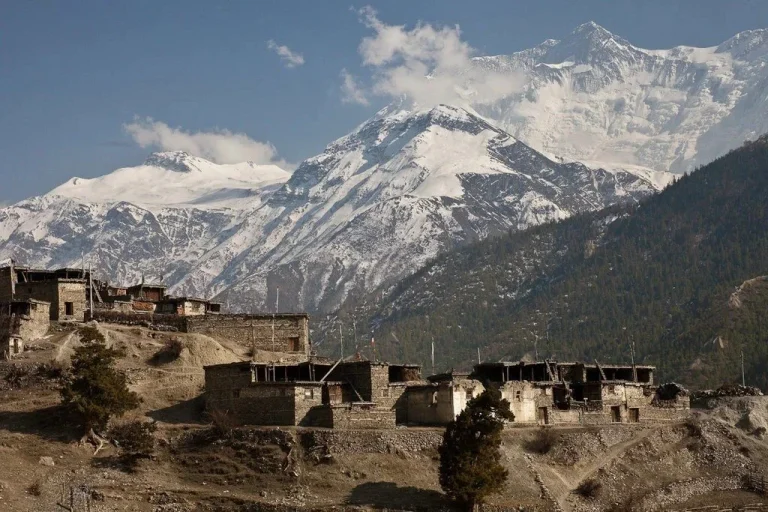
The trekking trail follows the popular Annapurna Base Camp Trek trail that takes you along the Modi Khola Valley, up the hills past rhododendron and bamboo forests, across suspension bridges, and finally to the base camp, which sits 4,130 meters above sea level amidst the world’s tallest mountains. The trail remains unchanged, but how you traverse it differs.
Each day has a yoga session led by an instructor. These yoga classes take place early in the morning before setting out on the trail or after trekking and returning to the base camp in the evening, when tired muscles would appreciate the care. The yoga sessions are not rigorous training routines that aim to challenge you physically. They are calming practices adjusted to the high altitudes and physical fatigue of trekking.
Unlike the traditional trek to ABC, this is done at a leisurely pace, ensuring that you have enough time to experience the most interesting places. The schedule has been carefully crafted to ensure this.
Who Is the Annapurna Base Camp Yoga Trek Best For?
This trek is right for:
- Yoga practitioners who are looking for a deeper connection with nature.
- Travelers looking for a well-being-focused Himalayan adventure.
- Individuals who are trying to reduce pressure and disconnect from their busy existence.
- Beginners who are interested in combining trekking with mindfulness yoga.
- Solo vacationers seeking personal growth and significant experience.
You do not need advanced yoga experience to take part. Most classes can be adapted to an extraordinary range of health and versatility.
Why the Annapurna Base Camp Yoga Trek Is More Than Just a Trek
Most trekking trips offer a destination point. But this journey is going to provide you with something else that was always inside of you, something that you never realized. The Annapurna Base Camp Yoga Trek transforms your body, mind, and soul through trekking and yoga, bringing changes that cannot be described in words but will remain with you even after you return home.
The Physical Benefits of Combining Trekking and Yoga
It may sound ridiculous that trekking and yoga can go hand in hand, but during this expedition, you will see how both complement each other perfectly. While trekking helps build your stamina in terms of leg muscles and lungs, yoga takes care of everything that is affected negatively by walking through the mountains. Thus, your hips will open up, your backaches will subside, and your breathing will become steady, all of which play a key role when climbing to high altitudes. While most trekkers simply endure the aches, you get to enjoy the process.
Mental Clarity and Stress Reduction in the Himalayas
The mountains begin to do something for your psyche from the very first moment you step into them. This practice of yoga in the mountains only enhances it further. The absence of technology, deadlines, or any sort of external distraction allows you to start unclenching physically and then mentally. Breathwork and meditation are intrinsic parts of everyday life, but these practices are by no means daunting or difficult to grasp. They merely serve as a guidepost to allow you to be fully present in the present. Trekkers always tend to report a sudden epiphany while trekking when the problem that has been bothering them begins to slip away. The Annapurna Sanctuary becomes the quickest location for such an epiphany.
Spiritual Connection in the Annapurna Sanctuary
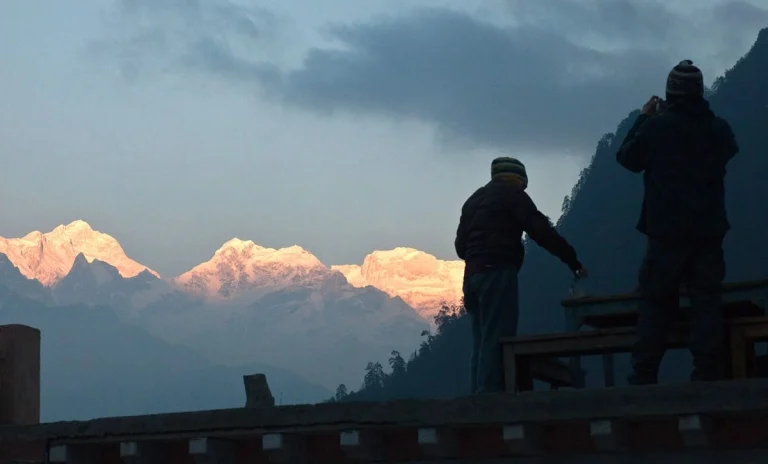
The Annapurna Sanctuary is unlike anything else the moment you set foot inside its borders. The Gurung culture has long deemed the area holy, and truly, it is impossible not to see why the moment you enter it. Engaging in a yoga session in the early mornings at the sanctuary, surrounded by Machhapuchhre in all its glory and prayer flags fluttering around, triggers an unexplainable emotion. People who have never been spiritual before end up returning from this location spiritually altered. It requires no specific religious beliefs on your part for you to feel it. The mountains themselves possess such a power.
Annapurna Base Camp Yoga Trek vs Traditional Annapurna Base Camp Trek
| Feature | Yoga Trek | Standard ABC Trek |
| Daily Yoga | Yes | No |
| Meditation Sessions | Yes | No |
| Wellness Focus | High | Low |
| Physical Challenge | Moderate | Moderate |
| Mental Relaxation | High | Limited |
| Suitable for Beginners | Yes | Yes |
Yoga Experience During the Trek
Yoga during the trek is far from being an add-on feature. The sessions are designed specifically to meet your personal needs of the moment, including taking into consideration the natural environment, your current physical state, and the conditions of your daily life on the mountain.
Types of Yoga Practiced (Hatha, Vinyasa, Breathing Techniques)
The yoga style during the journey depends greatly on the particular day’s agenda, but mostly consists of several practices such as Hatha yoga, Vinyasa yoga, and pranayama. The basis of the program includes traditional Hatha yoga with its slow and controlled postures that help you relax physically after a whole day spent walking. During more active days, you will perform some Vinyasa yoga with its flowing sequences that give a sense of meditative flow while doing poses. And, finally, pranayama or breathing techniques can be easily regarded as the most useful practice learned here. Inhaling slowly and intentionally is not only great for practicing yoga but also beneficial for adjusting to high altitude.
Morning vs Evening Sessions
Magic happens during the morning hikes. You venture out while the hiking trails are still quiet, the air feels sharp and cool, and the mountains are beginning to be lit by the sun. This practice session will help you start the hike feeling energized since it focuses on waking up your body and preparing your muscles and joints to deal with all the walking that is coming. The evening hikes create a feeling of entering an entirely different dimension. You remove your backpack, finish the day’s hike, and settle into relaxation. The session helps your muscles release tension and prepares your body for a restful night’s sleep in the fresh mountain air.
Role of Certified Yoga Instructors
The teachers on the trek do more than guide yoga sessions; they play an important role in shaping the overall experience. They understand how elevation affects the body and adapt each class to the conditions and needs of the group instead of following a fixed routine. They carefully observe participants, noting who struggles during the trek and who still has energy, then adjust the sessions to suit individual needs rather than strictly following a schedule. Beyond yoga, they also create a welcoming environment where everyone can feel comfortable and be themselves without fear of judgment.
Useful Information
- Best Time for Annapurna Base Camp Yoga Trek: The best seasons for the Annapurna Base Camp Yoga Trek are spring (March–May) and autumn (September–November). Spring brings blooming rhododendrons, pleasant temperatures, and clear mountain views, while autumn offers crisp air, stable weather, and excellent visibility. Both seasons provide ideal conditions for trekking, yoga practice, and enjoying the Himalayan scenery.
- Accommodation and Food During the Trek: Accommodation is provided in traditional teahouses along the trail, offering simple yet comfortable rooms and warm hospitality. Meals typically include nutritious options such as dal bhat, noodles, soups, eggs, and porridge, helping trekkers stay energized throughout the journey.
- Permits, Costs, and Package Details: Trekkers need an Annapurna Conservation Area Permit (ACAP) and a TIMS card to enter the region. Most trekking operators arrange these permits as part of the package. Trek costs vary depending on services included, such as accommodation, meals, permits, guide support, porter services, and yoga sessions.
- Essential Packing List for Annapurna Base Camp Yoga Trek: Pack lightweight trekking clothing, sturdy hiking boots, waterproof layers, and warm garments for changing mountain conditions. For yoga practice, bring comfortable clothing and a lightweight travel yoga mat. Essential health items such as sunscreen, a first-aid kit, water purification tablets, and personal medications are also recommended.
Practical Tips for a Successful Yoga Trek
Preparing for an Annapurna Base Camp Yoga Trek goes beyond packing the right gear. The combination of high-altitude trekking and daily yoga practice requires physical readiness, mental awareness, and a balanced approach throughout the journey. These practical tips will help you stay comfortable, healthy, and fully present during your experience.
Pace Yourself and Respect the Altitude
One of the most important rules of trekking in the Himalayas is to walk slowly and steadily. Gaining elevation too quickly can increase the risk of altitude sickness and unnecessary fatigue. Allow your body enough time to acclimatize, take regular breaks, and focus on maintaining a consistent pace rather than reaching the destination quickly.
Stay Hydrated Throughout the Trek
The dry mountain air and physical exertion can lead to dehydration faster than many trekkers realize. Drink water regularly throughout the day, even if you do not feel thirsty. Proper hydration helps maintain energy levels, supports acclimatization, and improves overall physical performance during both trekking and yoga sessions.
Use Yogic Breathing Techniques on the Trail
Your yoga practice does not stop when you leave the mat. Applying breathing techniques such as deep diaphragmatic breathing can help regulate your energy, improve oxygen intake, and keep your mind calm during challenging uphill sections. Conscious breathing is especially beneficial at higher elevations where the air becomes thinner.
Listen to Your Body
Every trekker adapts to altitude differently. Pay attention to signs of fatigue, headaches, dizziness, or discomfort. If you feel tired, take a break and allow yourself time to recover. The mountains will always be there, and there is no advantage in pushing beyond your limits.
Focus on Proper Rest and Recovery
A good night’s sleep is essential for recovery after long trekking days. Use the evenings to relax, stretch gently, and prepare your body for the next day’s hike. Adequate rest helps reduce muscle soreness, improves energy levels, and enhances your overall trekking experience.
Practice Mindfulness Beyond Yoga Sessions
The Himalayas provide the perfect environment for mindfulness. As you walk, pay attention to the sounds of rivers, birds, rustling forests, and mountain winds. Being fully present in the moment allows you to connect more deeply with the landscape and experience the trek as more than just a physical journey.
Maintain a Positive and Flexible Mindset
Mountain weather, trail conditions, and travel schedules can sometimes change unexpectedly. Approach the trek with patience and flexibility. A positive attitude not only makes challenges easier to manage but also helps you appreciate the unique experiences that make Himalayan adventures so memorable.
Planning an Annapurna Base Camp Yoga Trek?
Every traveler approaches this journey with different goals. Some are looking for a Himalayan adventure, while others are seeking mindfulness, wellness, and a deeper connection with nature. The Annapurna Base Camp Yoga Trek offers a unique balance of all three, but choosing the right itinerary, season, and preparation can make a significant difference to your overall experience.
At Nepal Outdoor Expeditions, our local trekking experts can help you understand the route, daily yoga practices, accommodation options, fitness requirements, and the best time to visit based on your travel preferences and experience level.
If you’re considering this Himalayan wellness adventure, get in touch with our team, or you can directly contact our guide expert, Tenzing Sherpa, on the WhatsApp number +9779767998270 for personalized guidance and practical advice to help you plan a rewarding and memorable journey.
FAQs
What is the difference between the Annapurna Base Camp trek and the Annapurna Base Camp Yoga Trek?
Same path, but the entire experience is drastically different. In the traditional version, the emphasis is on traveling the trail effectively, with reaching the end point being the objective. Yoga trekking incorporates slower pacing, daily yoga and meditation exercises, and more time spent in the most interesting areas along the way. Same trail, different experience.
Do I need prior yoga experience to join the Annapurna Base Camp Yoga Trek?
Nothing could be further from the truth! All classes are geared towards both beginners and experts alike. The teachers always provide easier alternatives, and there is no pressure or expectations to follow others. The whole idea is to breathe, move smoothly, and feel comfortable hiking through the mountains, which anyone can achieve.
How difficult is the Annapurna Base Camp Yoga Trek for beginners?
Of course, it is a serious trek that requires physical effort, but many consider it one of Nepal’s more manageable high-altitude treks. The yoga trekking option feels less intense as it follows a slower pace and considers group fatigue levels. With some training and an active lifestyle, you can complete it comfortably.
What type of yoga sessions are included during the trek?
The sessions incorporate aspects from Hatha yoga, light Vinyasa yoga flows, and pranayama breathing techniques. Early mornings prepare your body for the trails with more active sessions, while evening sessions focus on stretching and relaxation. We always customize the sessions based on the group and weather, ensuring everything feels seamless and natural.
What is the best time to do the Annapurna Base Camp Yoga Trek?
Spring lasts from March to May and brings blooming rhododendrons and pleasant weather. Meanwhile, the autumn season extends from late September until early November and features crystal-clear skies and the most beautiful vistas in the mountains all year round.