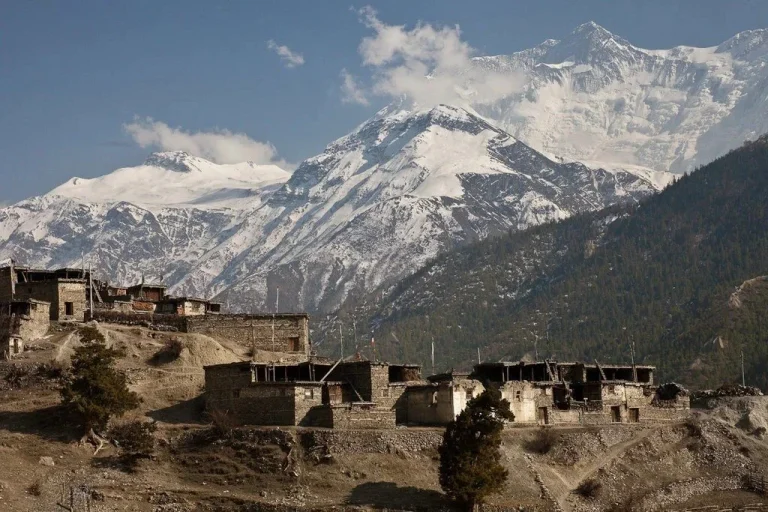
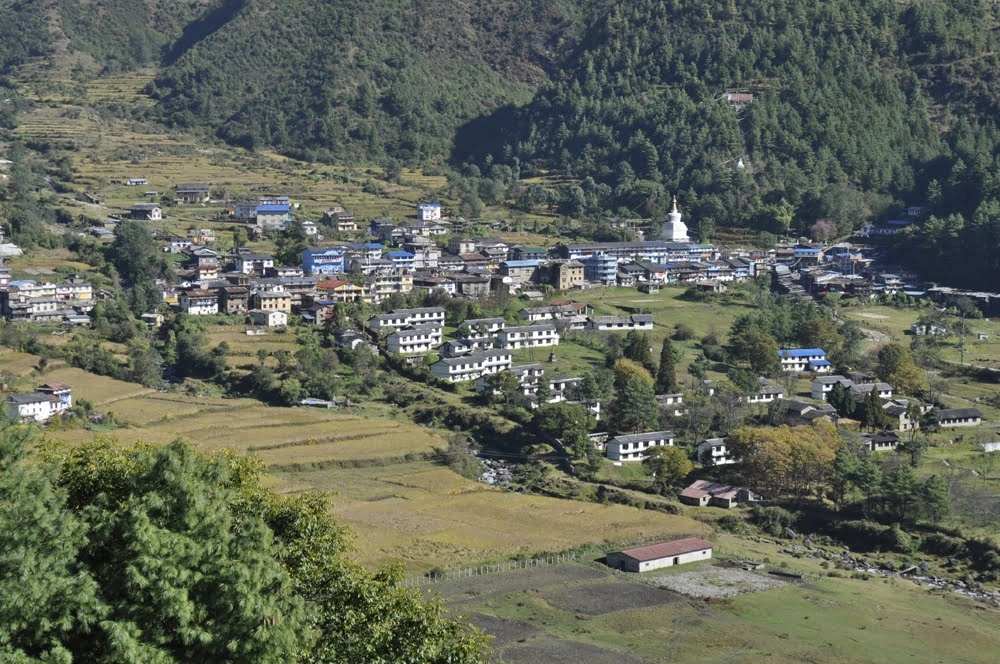
Jiri, known as the “Switzerland of Nepal,” is a peaceful hill town in the Dolakha district, about 190 kilometers east of Kathmandu. Surrounded by green hills, alpine meadows, and traditional wooden houses, Jiri is known for its scenic beauty and peaceful mountain atmosphere.
The nickname “Switzerland of Nepal” became popular because of Jiri’s landscape. Early visitors, including development workers and mountaineers, noticed similarities between its rolling green hills, dairy farms, and mountain scenery and the Swiss countryside.
The connection became stronger in the 1950s when the Swiss government supported development projects in Jiri. These projects focused on dairy production, forest management, and sustainable farming practices.
Swiss experts introduced improved cattle breeds, cheese-making techniques, and better pasture management. Local farmers adopted many of these practices, helping Jiri develop a strong dairy tradition that remains part of its identity today.
Visitors can still experience this legacy through local cheese production, traditional mountain settlements, green pastures, and cattle farms. These features reflect the long-standing connection between Jiri and Switzerland.
Jiri – The Original Gateway to Mount Everest
Before regular flights to Lukla became common, Jiri served as an important starting point for Everest expeditions. In the 1950s and 1960s, mountaineers traveling toward Everest passed through this area on their long journey into the Khumbu region.
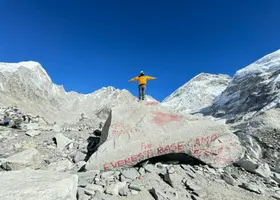
The classic Jiri to Everest Base Camp trail passes through green hills, forests, traditional villages, and Sherpa settlements before connecting with the main Everest route near Namche Bazaar. The gradual ascent also provides more time for natural acclimatization.
Although most modern trekkers fly directly to Lukla, starting from Jiri offers a slower and more immersive experience. Trekkers can explore rural villages, interact with local communities, and experience sections of the historic route used by earlier Everest expeditions.
Even if you do not plan to trek all the way to Everest Base Camp, spending a few days around Jiri provides an opportunity to experience Nepal’s peaceful countryside, traditional lifestyle, and mountain landscapes.
Jiri Travel Insights
Geography and Climate of Jiri
Jiri lies at an altitude of around 1,900–2,000 meters and is surrounded by pine forests, terraced fields, green hills, and alpine pastures. Its relatively mild climate makes it a pleasant destination for travelers looking for a peaceful mountain escape.
- Spring (March–May): Rhododendrons and wildflowers add color to the surrounding hills, while the weather is generally pleasant for hiking.
- Autumn (September–November): Clear skies, fresh air, and good mountain visibility make this one of the best periods for visiting Jiri.
- Winter (December–February): Cool temperatures and occasional snowfall can give Jiri an alpine atmosphere.
- Monsoon (June–August): The landscape becomes lush and green, but rain can make roads and trails slippery and may cause landslides.
Jiri’s clean air, peaceful surroundings, and scenic landscapes make it a relaxing destination away from the busy streets of Kathmandu.
The People and Culture of Jiri
Jiri is home to several ethnic communities, including the Jirel, Sherpa, Tamang, Chhetri, Newar, and Sunuwar communities. The Jirel people are traditionally regarded as one of the indigenous communities of the area, and their culture remains an important part of Jiri’s identity.
The people of Jiri are known for their warm hospitality and traditional mountain lifestyle. Visitors can see wooden houses, terraced farms, prayer flags, monasteries, and temples while walking through the surrounding villages.
Buddhist and Hindu traditions coexist throughout the region. Festivals such as Losar, Dashain, and Tihar bring local communities together and offer visitors a glimpse into the cultural diversity of the area.
Things to Do in Jiri
Whether you are visiting for a short getaway or starting a longer trekking adventure, Jiri offers several activities and attractions to explore.
1. Hike to Cherdung Danda (3,145 m)
Cherdung Danda is a popular hiking destination near Jiri. The hike passes through forests, meadows, and small settlements and offers scenic views of the Gaurishankar, Langtang, and Jugal Himalayan ranges. It is also a good option for travelers who want a short mountain hike around Jiri.
2. Visit the Jiri Cheese Factory
Jiri’s dairy tradition is one of the most recognizable parts of its Swiss connection. Visiting a local cheese factory allows travelers to learn about traditional dairy production and taste locally made cheese and churpi.
3. Explore Jiri Bazaar
Jiri Bazaar is the main commercial area of the town. Explore its local shops, cafés, teahouses, and small markets to experience everyday life in the hills. You may also find local products, handmade crafts, woolen items, and traditional food.
4. Trek the Classic Jiri–Everest Base Camp Route
For experienced trekkers, the historic Jiri–Everest Base Camp route offers a longer alternative to flying directly to Lukla. The journey takes considerably longer than the standard Lukla route but provides a deeper experience of Nepal’s rural landscapes, traditional villages, and historic Everest trekking trail.
5. Sunrise Views from Mali Danda or Gokulganga
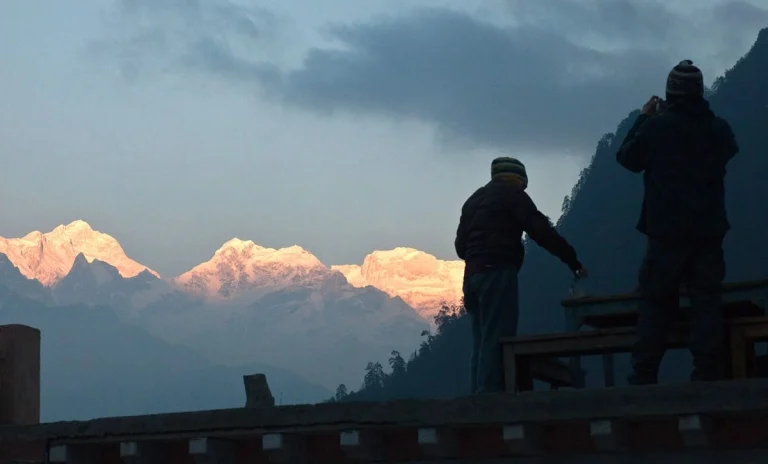
For a short morning adventure, hike to Mali Danda or the Gokulganga viewpoint. The early morning views of terraced hills and distant Himalayan peaks are ideal for photography and peaceful sightseeing.
6. Visit Jireshwor Mahadev Temple and Buddha Park
Visit Jireshwor Mahadev Temple, an important Hindu religious site, and Buddha Park, a peaceful place for relaxation and reflection. These attractions offer a glimpse into the spiritual side of Jiri.
7. Bird Watching and Nature Walks
The forests around Jiri support a variety of birds, butterflies, and other wildlife. Take a short walk through pine and rhododendron forests to enjoy the fresh mountain air and peaceful natural surroundings.
How to Reach Jiri
Jiri is approximately 190 kilometers east of Kathmandu and usually takes around 7–9 hours to reach by road, depending on traffic and road conditions.
The journey from Kathmandu generally passes through Bhaktapur, Dhulikhel, Khadichaur, Charikot, and Dolakha before reaching Jiri.
Public buses are available from major transport points such as Koteshwor and Gongabu Bus Park. Private jeeps are another option for travelers who prefer greater comfort and flexibility.
The road journey offers scenic views of rivers, terraced hills, forests, and rural villages. There are no regular direct flights to Jiri, so road travel is the primary way to reach the town.
Where to Stay & Best Time to Visit
Jiri has a selection of guesthouses, lodges, and homestays where visitors can enjoy comfortable rooms and local meals. Staying in a homestay can provide a more authentic experience by allowing travelers to interact with local families and learn about traditional mountain life.
The best times to visit Jiri are spring (March–May) and autumn (September–November). These seasons generally offer pleasant weather, clear skies, and favorable conditions for hiking and sightseeing.
If you visit during winter, bring warm clothing because temperatures can drop significantly in the evenings, and higher areas may receive snowfall.
Why Visit Jiri
Jiri remains one of Nepal’s quieter and less commercialized mountain destinations. Unlike popular tourist hubs such as Pokhara and Lukla, Jiri offers a slower pace of travel, peaceful villages, green hills, and opportunities to experience local life.
Jiri is suitable for trekkers, photographers, nature lovers, and culture enthusiasts. Its historic connection with Everest expeditions and its diverse local communities make it a meaningful destination for travelers who want to experience a more authentic side of Nepal.
Why Travel with Nepal Outdoor Expeditions
Booking a Jiri tour with Nepal Outdoor Expeditions gives you the opportunity to explore the town with local support and practical travel arrangements. Experienced local guides can help you discover Jiri’s landscapes, culture, history, and nearby attractions.
Traveling with a local company can also support local homestays, businesses, guides, and community-based tourism. Nepal Outdoor Expeditions can assist with transportation, meals, guiding, and other logistics so you can focus on enjoying your journey.
Jiri’s story combines natural beauty, cultural heritage, and a unique connection with Switzerland. Its role as the historic gateway to Everest adds another layer of significance to this peaceful hill town.
If you are looking for a quiet mountain destination with scenic landscapes, traditional culture, and fascinating mountaineering history, Jiri—known as the Switzerland of Nepal—is worth exploring.
FAQs
1. Why Is Jiri Called the Switzerland of Nepal?
Jiri is known as the “Switzerland of Nepal” because of its green hills, meadows, dairy farms, and mountain scenery. The connection became stronger after Swiss development projects in the 1950s introduced improved dairy farming and cheese-making practices to the area.
2. How Far Is Jiri From Kathmandu?
Jiri is about 190 kilometers east of Kathmandu. The journey usually takes around 7–9 hours by bus or private jeep, depending on road and traffic conditions.
3. What Is the Best Time to Visit Jiri?
The best seasons to visit Jiri are spring (March–May) and autumn (September–November). These months generally offer comfortable weather, clearer skies, and good conditions for hiking and sightseeing.
4. Is Jiri Suitable for Beginner Travelers?
Yes. Jiri is suitable for first-time mountain travelers because it is accessible by road and sits at a moderate elevation of around 1,900–2,000 meters. Several short and relatively easy hiking routes are available around the town.
5. Can I Start the Everest Base Camp Trek From Jiri?
Yes. The historic Jiri–Everest Base Camp route is an alternative to flying directly to Lukla. It takes longer but allows trekkers to experience more villages, local culture, and gradual changes in altitude along the journey.
6. What Local Foods Should I Try in Jiri?
Try locally produced cheese and churpi, which reflect Jiri’s long-standing dairy tradition. You can also enjoy traditional Nepali dishes such as dal bhat, momos, local vegetables, and warm milk or tea.
7. Does Jiri Have Good Accommodation and Internet?
Yes. Jiri has guesthouses, lodges, and homestays offering basic but comfortable accommodation and local meals. Mobile networks and internet services are available in the town, although connectivity can become less reliable in surrounding rural areas.
8. Is Jiri Safe for Solo Travelers or Women?
Jiri is generally considered a peaceful destination, and visitors can enjoy a welcoming local environment. As with any destination, solo travelers should use normal precautions, keep valuables secure, and inform their accommodation provider about their plans when exploring remote areas.
9. What Are Some Short Hikes From Jiri?
Popular short hiking options include Cherdung Danda, Mali Danda, and Gokulganga. These routes offer mountain scenery, sunrise views, forests, and rural landscapes and can be suitable for day hikes depending on trail conditions.
10. How Does Jiri Support Sustainable Tourism?
Community initiatives promoting cleaner surroundings, reduced plastic use, organic farming, and local tourism help support sustainable development in Jiri. Travelers can contribute by staying in local accommodations, using refillable water bottles, minimizing waste, and supporting local businesses and guides.