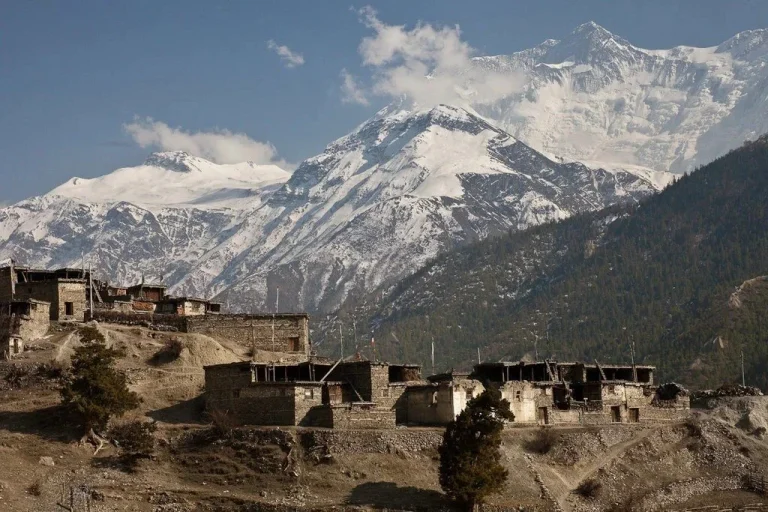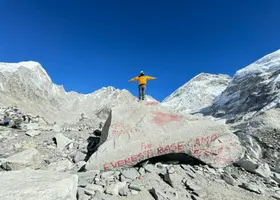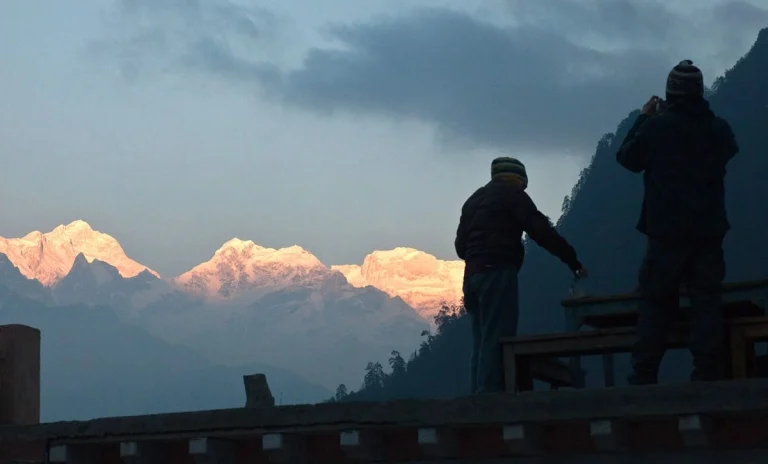
Nepal has more incredible treks than any one person could do in a lifetime, from a five-day walk to a sunrise viewpoint above Pokhara to a three-week high-altitude expedition crossing a 5,400m pass. That’s exactly what makes choosing one so hard. Search “best trek in Nepal,” and you’ll get a dozen confident, contradictory answers, most of which don’t ask the one question that actually matters: best trek for whom? In short, understanding the factors to consider when choosing a trek in Nepal is very crucial.
The right trek isn’t the most famous one or the one with the best Instagram photos; it’s the one that matches your fitness, your time, your budget, and what you actually want to get out of the experience. This guide walks through every factor worth weighing before you book, so you land on a trek you’ll genuinely enjoy rather than one you’ll spend half of gritting your teeth through.
Why Choosing the Right Trek Matters
Picking a trek that doesn’t fit you isn’t just uncomfortable; it can be the difference between the trip of a lifetime and one you cut short. Choosing well means:
- You’re physically prepared for what the trail actually demands, not surprised by it on day three.
- Your itinerary matches the time you actually have, without cramming or wasting days.
- Your budget covers what you need without unpleasant surprises on the trail.
- You get the specific experience you’re after: high mountain views, cultural immersion, remote wilderness, or a mix.
- You reduce your risk of altitude sickness by matching your route to your acclimatization needs.
With that in mind, here’s what to actually think through before you book.
Fitness Level & Trekking Experience
Be honest with yourself here; it matters more than almost anything else on this list. Nepal’s treks span an enormous range, from gentle valley walks to multi-week high-altitude expeditions.
- Beginners or first-time trekkers: Look for shorter, lower-altitude routes with well-established teahouses, like Ghorepani Poon Hill or Langtang Valley.
- Moderate fitness, some hiking experience: Routes like Annapurna Base Camp or the classic Everest Base Camp trek are achievable with a few months of training, even without prior high-altitude experience.
- Experienced trekkers: High passes, remote regions, or longer circuits, the Annapurna Circuit, Manaslu, or Upper Mustang, reward stamina and prior altitude exposure. Trekkers who want an extra technical edge on the Everest side often add the Cho La Pass onto their itinerary.
If in doubt, undersell your fitness rather than oversell it. It’s far easier to add an extra viewpoint day than to recover from starting a trek you weren’t ready for.
Trek Duration & Time Available
How much time you actually have will narrow your options fast, and it’s worth being realistic about travel days too; most itineraries need a day on each end for flights and Kathmandu logistics.
- Short treks (3-7 days): Ideal for limited vacation time. The Annapurna Panorama Trek (Ghorepani Poon Hill), Mardi Himal, and short Langtang itineraries all fit comfortably in a week.
- Moderate treks (8-14 days): The sweet spot for most first-time visitors. Everest Base Camp and Annapurna Base Camp both fall here.
- Long treks (15+ days): For trekkers who want deep immersion, the Annapurna Circuit, Manaslu, or combined itineraries that link multiple regions.
Altitude and Difficulty
Altitude isn’t just a number; it’s the single biggest factor in how your body will actually feel on trek, and it deserves separate consideration from fitness alone.
- Under 3,000m: Comfortable for nearly all trekkers, minimal altitude risk.
- 3,000m–5,000m: Moderate altitude exposure. Proper acclimatization days become essential, not optional.
- Above 5,000m: Serious high-altitude trekking. Requires a well-paced itinerary, acclimatization built in, and ideally some prior altitude experience.
A trek’s maximum altitude also tells you what kind of insurance coverage you’ll need. Always check that your policy’s evacuation limit matches or exceeds your route’s highest point.
Season and Weather
Nepal’s trekking calendar has clear high and low points, and the season you travel in shapes almost everything about the experience.
- Spring (March-May): Warmer temperatures, blooming rhododendron forests, generally clear mountain views. One of the two peak seasons.
- Autumn (September-November): The most popular season, stable weather, the clearest skies of the year, and busy trails.
- Winter (December-February): Quieter trails and stunning clarity at lower altitudes, but high passes may be snowbound or closed.
- Summer/Monsoon (June-August): Lush green landscapes and far fewer crowds, best suited to rain-shadow regions like Upper Mustang and Dolpo, where the monsoon barely reaches.
If it’s your first trek in Nepal, spring or autumn is the easiest starting point; the trails, teahouses, and weather all work in your favor. For a deeper seasonal breakdown, our guide to the best time to trek Everest Base Camp walks through how each month actually feels on the trail.
Region, Scenery, and Cultural Insights
Every trekking region in Nepal has its own personality, and this is where personal taste matters more than difficulty ratings.
Everest region: Dramatic high peaks, Sherpa culture, and monasteries, the classic “big mountain” experience. Our guide to trekking to Everest Base Camp covers route options in detail if this region is calling you.
- Annapurna region: Nepal’s most varied landscapes, from terraced farmland to alpine sanctuary, with welcoming Gurung and Magar villages along the way.
- Langtang region: Alpine meadows and Tamang culture, with the advantage of being the closest major trekking region to Kathmandu.
- Manaslu and restricted regions: Remote, less-crowded trails for trekkers who want something further off the beaten path.
Ask yourself what you actually want to remember most: the mountains themselves, the villages and culture along the way, or the sense of being somewhere few other travelers reach.
Budget and Cost
Trekking costs in Nepal vary widely depending on route, service level, and season, and it’s worth budgeting realistically rather than assuming the lowest quote is the best value.
- Basic teahouse treks: More affordable, with simple lodging and meals, a good fit for budget-conscious, flexible travelers.
- Mid-range guided treks: Better lodges, more consistent meal quality, and the security of a licensed guide and support team.
- Luxury or heli-assisted treks: Premium lodges, private guides, and options like helicopter return for trekkers short on time or wanting extra comfort.
Whatever your budget, make sure your quote is itemized and includes permits, insurance-required documentation, and guide/porter costs, not just accommodation. And once your route is locked in, our Annapurna Circuit packing list is a useful starting point for gear planning, even if you end up trekking elsewhere.
Accommodation Style
How you sleep at night on trek shapes the whole experience more than people expect.
- Teahouse trekking: The standard for most routes, simple guesthouses with basic private rooms and hearty meals. Sociable, comfortable, and requires the least gear.
- Luxury lodge trekking: Available on popular routes like Everest Base Camp and Upper Mustang, with hot showers, better food, and more comfortable beds.
Camping treks: Necessary for remote or newly-opened routes without teahouse infrastructure, more logistics, but access to trails few others walk.
Group Size and Guided vs. Independent
Nepal’s regulations increasingly require a licensed guide for most trekking regions, so this is less “should I?” and more “which setup fits me?”
- Solo with a guide: One-on-one pacing and a fully personalized itinerary.
- Small group treks: A good balance of cost-efficiency and the social side of trekking with like-minded travelers.
- Private family or friend groups: Custom pacing, ideal when trekkers in your party have different fitness levels.
Permits and Choosing a Trekking Company
Almost every trek in Nepal requires permits, a TIMS card at minimum, plus regional permits like the Annapurna Conservation Area Permit or restricted-area permits for places like Upper Mustang or Manaslu.
A reputable trekking company handles all of this as part of your booking, along with licensed guides, porters, and safety planning, which is worth factoring into your decision as much as the trail itself. The cheapest operator on paper isn’t always the one that gets these details right.
Want to know more about the permits needed for trekking in Nepal? Check out our Nepal Trekking Permits Guide.
Quick Match: Which Trek Fits You?
- New to trekking, limited time: Annapurna Panorama / Ghorepani Poon Hill or Mardi Himal, short, scenic, low-altitude.
- Reasonably fit, want the classic experience: Everest Base Camp or Annapurna Base Camp.
- Experienced, want a bigger challenge: Annapurna Circuit or Manaslu Circuit.
- Want culture as much as mountains: Langtang Valley or the lower Annapurna foothills.
- Want to go where few others do: Upper Mustang or Upper Dolpo.
Final Thoughts
There’s no single “best trek in Nepal,” only the best trek for you, at this point in your fitness, your schedule, and what you’re hoping to feel standing on that trail. Weigh fitness and altitude honestly, match your duration to the time you actually have, and don’t treat budget as the only factor that decides the trek; the right operator and the right pacing matter just as much as the destination itself.
At Nepal Outdoor Expeditions, we help trekkers work through exactly this decision every season, matching first-timers to routes that build confidence, and matching experienced trekkers to the remote, demanding trails they’re looking for. Whichever trek fits you, the goal is the same: a trip you finish enjoying just as much as you started it.
Frequently Asked Questions
What is the easiest trek in Nepal for beginners?
Ghorepani Poon Hill and Mardi Himal are both excellent starting points, short, scenic, and low-altitude enough to avoid serious altitude risk.
How do I know if I’m fit enough for the Everest Base Camp Trek?
If you can comfortably hike 5–6 hours a day on varied terrain and have done some hill or stair training beforehand, EBC is achievable for most moderately fit trekkers. We build acclimatization days into every EBC itinerary to reduce the risk further.
What’s the best season to trek in Nepal?
Spring (March–May) and autumn (September–November) offer the clearest skies and most stable weather, making them the best choice for first-time trekkers.
How long does a typical Nepal trek take?
Anywhere from 3 days to over 3 weeks, depending on the route. Everest Base Camp and Annapurna Base Camp typically run 10–14 days, including acclimatization.
Do I need a guide to trek in Nepal?
For most regions, yes. Nepal’s regulations increasingly require a licensed guide for trekkers. We provide experienced, government-licensed guides on every itinerary.
How much does trekking in Nepal cost?
Costs vary by route, duration, and service level, from budget teahouse treks to premium guided packages. We provide a full itemized quote before booking, so there are no surprises on the trail.
What permits do I need for trekking in Nepal?
Most routes require a TIMS card plus a regional permit, such as the Annapurna Conservation Area Permit or a restricted-area permit for places like Upper Mustang. We handle all permit arrangements as part of your booking.
Which trek has the best mountain views?
Everest region treks offer the most dramatic high-peak views, while Annapurna Circuit and Upper Mustang offer a wider variety of landscapes across a single trip.
Can I customize my trek itinerary?
Yes, with Nepal Outdoor Expeditions, you can. Our team regularly adjusts pacing, duration, and route combinations to match a trekker’s fitness level, schedule, or specific interests.
Is trekking in Nepal safe for solo travellers?
Yes, especially with a licensed guide. Solo trekkers get a fully personalized pace and itinerary, and our guides are trained to monitor health and altitude symptoms throughout.
What’s the difference between a teahouse and a camping trek?
Teahouse treks use guesthouses along the route and require less gear; camping treks are used on remote routes without lodging infrastructure and involve more logistics, which we handle in full for camping-based itineraries.
Which Nepal trek is best for families?
Shorter, lower-altitude routes like Ghorepani Poon Hill or Langtang Valley tend to work well for mixed-fitness family groups, with pacing that can flex to the slowest member of the group.