The Everest Base Camp trek is something every adventure lover dreams of — a journey that truly feels like once in a lifetime. Getting there is an adventure in itself. You’ll first fly from the USA to Nepal, and then take another short but thrilling flight to Lukla — the tiny mountain town where your Everest journey officially begins.
Even though Everest lies deep in the Khumbu region, far from Nepal’s main cities, things have become much easier thanks to improved transportation and modern routes.
So, whether it’s your first trek or you’re coming back for another round of Himalayan magic, knowing exactly how to get to Everest Base Camp can make your trip smoother, easier, and a lot more enjoyable.
Quick Facts
- Region: Khumbu (Everest) region, Solukhumbu District, Nepal
- Trip Duration: 12–15 days (typical trekking duration)
- Best Months: March–May (spring) and September–November (autumn)
- Max Elevation: 5,364 meters (Everest Base Camp)
- Difficulty Level: Moderate to Challenging
- Key Attractions: Lukla flight experience, Namche Bazaar, Tengboche Monastery, Everest views from Kala Patthar, Sagarmatha National Park, and Sherpa culture
Understanding the Journey from the USA to Everest Base Camp
Reaching Everest Base Camp from the States is an adventure in itself — one that unfolds in two parts. First, you’ll fly into Nepal, and then continue to the trek’s starting point, usually Lukla. While there’s no direct flight from the U.S. to Lukla or anywhere near the Everest region, it’s easy to reach Kathmandu’s Tribhuvan International Airport (KTM) — Nepal’s main international gateway — and then take a short domestic flight or alternate route to begin your trek.
Flights from the USA to Nepal (Kathmandu)
Currently, there are no direct flights between the U.S. and Nepal. Travelers typically connect through major hubs in the Middle East, South Asia, or Southeast Asia. Depending on your departure city, airline, and layover duration, expect your total journey to take anywhere between 20 to 30 hours.
Major U.S. Departure Cities
Most travelers fly out of major international airports such as:
- New York (JFK or Newark)
- Los Angeles (LAX)
- San Francisco (SFO)
- Chicago (ORD)
- Dallas (DFW)
- Washington D.C. (IAD)
From these airports, you’ll find regular one- or two-stop flights to Kathmandu throughout the year.
Popular Transit Hubs Between the U.S. and Nepal
Common layover cities include:
- Doha, Qatar – Qatar Airways
- Dubai, UAE – Emirates
- Istanbul, Turkey – Turkish Airlines
- Delhi, India – Air India, IndiGo
- Bangkok, Thailand – Thai Airways
Each has its own perks. For example, Doha and Dubai offer excellent in-flight services and shorter layovers, while Istanbul is known for affordable fares and reliable schedules.
Common Flight Routes and Airlines
Here are some of the most popular and comfortable routes used by travelers heading to the Everest region:
- Qatar Airways: Connects U.S. cities like New York, Chicago, Dallas, and Los Angeles to Kathmandu via Doha. Known for great service and modern aircraft.
- Turkish Airlines: Operates from New York, Miami, and Los Angeles through Istanbul — a great choice for those looking for affordability and convenience.
- Emirates: Flies from several U.S. cities to Kathmandu via Dubai, offering a luxurious long-haul experience.
- Air India: Connects New York, Chicago, and San Francisco to Kathmandu via Delhi — ideal for those who want a regional stopover.
- Singapore Airlines / Thai Airways: Ideal for travelers seeking a brief break in Singapore or Bangkok before visiting Nepal.
Travel Tip: When booking, pay attention to total flight duration, baggage limits, especially for trekking gear, and layover times. Try to arrive in Kathmandu during the morning or afternoon, as late-night arrivals might require an overnight stay before catching your domestic flight.
Arrival in Kathmandu (Tribhuvan International Airport – KTM)
Your Himalayan journey truly begins once you land in Kathmandu. Although the airport can get busy, being prepared makes the process smooth.
- Visa on Arrival: U.S. citizens can obtain a tourist visa at the airport. Please bring one passport-size photo and the required visa fee in an accepted payment method.
- Baggage & Customs: After immigration, collect your luggage. Porters are available; however, please keep valuables in your carry-on luggage.
- SIM Cards & Currency Exchange: You’ll find Ncell and Nepal Telecom SIM card counters, along with currency exchange desks for Nepali Rupees (NPR).
- Getting to Your Hotel: Taxis and hotel transfers are available. The main tourist hub, Thamel, is around 20–30 minutes away and is where many trekkers stay.
It’s wise to spend one or two nights in Kathmandu before heading to Lukla — to rest, adjust to the time zone, and double-check your trekking gear.
Flying from Kathmandu to Lukla – Gateway to Everest Base Camp
Next up is your scenic flight to Lukla (Tenzing-Hillary Airport) — the famous starting point of the Everest Base Camp trek.
- Flight Duration: Around 30–35 minutes.
- Airlines: Tara Air, Summit Air, and Sita Air, subject to weather and operational conditions.
- Experience: Expect spectacular Himalayan views and an exciting landing at Lukla’s mountain airport.
Sometimes, flights are rerouted to Ramechhap (Manthali Airport), about a 4–5 hour drive from Kathmandu, to manage air traffic. During these periods, trekkers may travel to Ramechhap the night before and take an early morning flight to Lukla.
Helicopter Option: If you prefer more flexibility and comfort, helicopter flights from Kathmandu to Lukla or Namche Bazaar are available. They cost more than regular flights but provide spectacular aerial views of the Himalayas.
Alternative Routes to Reach Everest Base Camp
If you prefer a longer and more immersive route, consider trekking to the Everest region from:
- Jiri: The classic route used before Lukla became the main gateway to Everest. The trek passes through forests, traditional villages, and Sherpa settlements before joining the main EBC trail.
- Phaplu: A shorter alternative to Jiri. Travelers can drive to Phaplu and then trek for several days before joining the main Everest Base Camp route.
These routes take more time but provide richer cultural experiences, quieter trails, and gradual acclimatization.
Best Time to Fly and Trek
The ideal seasons for the Everest Base Camp trek are:
- Spring (March to May): Clear skies, blooming rhododendrons, mild temperatures, and generally favorable trekking conditions.
- Autumn (September to November): Crisp air, clear mountain views, and comfortable daytime temperatures make this one of the most popular trekking seasons.
Winter (December–February) is colder and quieter, while the summer/monsoon season (June–August) brings more rainfall and a higher possibility of flight delays. To reduce last-minute travel problems, plan your international and domestic flights with sufficient flexibility during the trekking season.
Trek Insights
Accommodation
In Kathmandu, you’ll find everything from budget-friendly hostels in Thamel to comfortable luxury hotels such as the Hyatt Regency and Marriott. Once you reach the trail, most trekkers stay in teahouses — small, family-run lodges offering simple rooms, warm hospitality, and hearty meals.
Expect basic twin rooms, shared bathrooms, and local dishes such as dal bhat, a popular Nepali staple. As you move higher toward places such as Namche Bazaar and Dingboche, you may find more comfortable lodges with additional facilities for travelers willing to pay extra.
Packing Essentials
Outfit: Layer wisely. Trekking clothes, thermal base layers, a down jacket, rain gear, gloves, and a warm hat are essential.
Equipment: Sturdy hiking boots, trekking poles, a quality sleeping bag suitable for cold temperatures, and a 50–60L backpack should be included in your gear list.
Electronics: Bring a power bank, headlamp, and universal adapter because electricity can be limited or unreliable at higher elevations.
Health & Safety: Pack water purification tablets, a basic first-aid kit, sunscreen, and any altitude-related medication recommended by your doctor.
Paperwork: Carry your passport, Nepal visa, flight documents, trekking permits, and travel insurance that covers high-altitude trekking and emergency evacuation.
Estimated Costs
The total cost of an Everest Base Camp adventure depends on your travel style, transportation choices, and preferred level of comfort.
- Round-trip flight (USA–Kathmandu): $900–$1,600
- Domestic flight (Kathmandu–Lukla): $180–$250
- Trekking packages:
- Organized trek with guide and porter: $1,200–$1,800
- Independent trek, excluding international and domestic flights: $700–$1,200
- Helicopter flight (Lukla–Kathmandu, shared): $400–$600
As a general estimate, travelers should budget around $2,500–$3,500 for a comfortable and well-organized Everest Base Camp experience, excluding major variations in international airfare and personal spending.
Permits
To trek to Everest Base Camp, you’ll need the following permits:
- Sagarmatha National Park Entry Permit: NPR 3,000
- Khumbu Pasang Lhamu Rural Municipality Permit: NPR 2,000
These permits can be obtained in Kathmandu or at the relevant checkpoints on the Everest trail. Permit requirements and fees can change, so check the latest regulations before starting your trek.
Travel Experience
Scenery & Nature
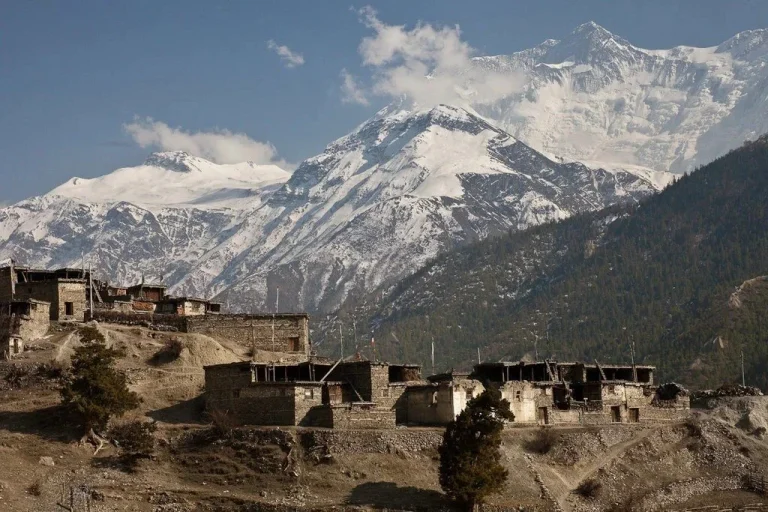
From the moment you land in Lukla, the Himalayan landscape becomes the highlight of the journey. The trail passes through pine forests, crosses suspension bridges decorated with prayer flags, and follows clear mountain rivers. As you gain altitude, you’ll enjoy spectacular views of Ama Dablam, Lhotse, and Mount Everest. For many trekkers, sunrise from Kala Patthar (5,545 m) is one of the most memorable moments of the trek.
Culture & Local Life
The Khumbu region is home to the Sherpa community, whose culture and traditions are an important part of the Everest Base Camp experience. Along the trail, you’ll see prayer-inscribed mani walls, colorful prayer flags, Buddhist monasteries, and traditional mountain villages. At Namche Bazaar, located at around 3,440 meters, you can experience a unique mix of Sherpa culture and modern trekking facilities, including bakeries, gear shops, cafés, and internet services.
Spiritual & Historical Sites
- Tengboche Monastery: One of the most important monasteries in the Khumbu region, known for its spiritual atmosphere and impressive mountain surroundings.
- Pangboche Monastery: A historic monastery in the Everest region with deep connections to local Buddhist traditions and Himalayan culture.
- Everest Memorial at Thukla Pass: A solemn memorial dedicated to climbers and mountaineers who lost their lives in the Everest region.
Trekking Challenges
The Everest Base Camp trek does not require technical climbing skills, but high altitude makes it physically demanding. Acclimatization in Namche Bazaar and Dingboche is important to help your body adjust to the increasing elevation. Weather conditions can also change quickly, and flights to and from Lukla may be affected by poor visibility or strong winds.
Proper preparation, suitable trekking gear, a gradual pace, adequate hydration, and enough acclimatization time can make the journey safer and more enjoyable.
Suggested Itinerary
- Day 1: Depart from the USA and travel to Kathmandu with a transit stop in a major hub such as Doha, Istanbul, or Dubai.
- Day 2: Arrive in Kathmandu, check into your hotel, rest, and prepare for the trek.
- Day 3: Travel from Kathmandu to Lukla and begin trekking toward Phakding.
- Day 4–12: Continue through the Khumbu region, including acclimatization stops, Everest Base Camp, and the return trek.
- Day 13: Return to Kathmandu from Lukla, subject to flight and weather conditions.
- Day 14: Explore Kathmandu or use the day as a buffer before your international flight back to the USA.
Note: The exact itinerary may vary depending on flight schedules, weather conditions, acclimatization requirements, and the trekking package you choose. Keeping one or two extra days as a buffer is recommended.
Helpful Travel Tips
- Book flexible tickets: Flights to and from Lukla can be affected by weather, so flexible international and domestic flight arrangements can reduce travel stress.
- Add buffer days: Keep one or two extra days in your schedule before your international flight home in case of weather or transportation delays.
- Stay updated: Check the latest airline, weather, and trekking-route information before and during your journey.
- Pack carry-on essentials: Keep important medication, documents, valuables, trekking essentials, and a change of clothes in your carry-on in case checked baggage is delayed.
- Stay hydrated: Long international flights and high-altitude trekking can increase the risk of dehydration. Drink enough safe water throughout the journey.
FAQs
1. Which Is the Most Optimal Route to Take a Flight to Nepal to Visit the Everest Base Camp?
The easiest way would be to fly between major airports in the U.S. — New York (JFK), Los Angeles (LAX), San Francisco (SFO), or Chicago (ORD) — to Kathmandu (KTM) through Middle Eastern or Asian destinations such as Doha (Qatar Airways), Dubai (Emirates), Istanbul (Turkish Airlines), or Delhi (Air India). Such one-stop connections are comfortable and convenient for travelers.
2. What Is the Time Required to Reach the Everest Base Camp When One Is in the USA?
The initial point of the trek usually takes 2–3 days to reach. The U.S. to Kathmandu international flights require approximately 20–28 hours with layovers, and the domestic flight from Kathmandu to Lukla adds another 30–40 minutes to the trip.
3. Are There Direct Flights Between the USA and Nepal?
No, there are no direct flights between Nepal and the United States. All flights connect through major international hubs in Asia or the Middle East.
4. When Is the Most Appropriate Time to Fly to Nepal to Do the Everest Base Camp Trek?
The seasons of spring (March–May) and autumn (September–November) are the most appropriate in terms of weather and visibility. These months offer the best trekking conditions and the most reliable flights to Lukla.
5. Do I Need a Visa to Enter Nepal?
Yes. U.S. citizens can easily obtain a tourist visa upon arrival at Tribhuvan International Airport in Kathmandu. You’ll need a valid passport, a passport-sized photo, and cash (in USD or NPR) to pay for the visa fee.
6. Are Lukla Flights Safe?
Yes. Despite Lukla Airport being known for its short runway and steep terrain, it is operated by highly skilled and experienced mountain pilots. The main issue tends to be weather-related delays, rather than safety concerns.
7. The Lukla Flight Gets Canceled — What Can I Do?
If your flight to Lukla is delayed due to bad weather, you can wait for the next available flight or travel by road to Phaplu or Salleri and rejoin the main Everest trail on foot.
8. What Is My Estimated Budget for the Whole Trip Between the USA and the Everest Base Camp?
Most travelers spend between $2,500 and $3,500 USD, which includes international and domestic flights, trekking permits, lodging, meals, and fees for guides or porters.
9. Should I Take Travel Insurance on This Trip?
Absolutely. For high-altitude trekking (up to 6,000m), you’ll need travel insurance that covers high-altitude trekking and emergency evacuation in case of altitude sickness or medical emergencies.
10. Will I Manage to Reach the Base Camp of Everest Without Any Guide or Porter?
It’s not mandatory, but it’s strongly recommended. Hiring a licensed guide and porter ensures a safer, smoother, and more culturally rich experience. They also assist with logistics, permits, and flight arrangements.
11. What Are the Principal Permits Needed to Go on the EBC Trek?
You’ll need two permits: a Sagarmatha National Park Entry Permit (approximately NPR 3,000) and a Khumbu Pasang Lhamu Rural Municipality Permit (approximately NPR 2,000). Both can be obtained in Kathmandu or along the trekking route.
12. What Sort of Accommodation Will Be Offered in the Trek?
Most trekkers stay in teahouses — simple mountain lodges with basic rooms, shared bathrooms, and homemade meals. More comfortable lodges with Wi-Fi and hot showers are available in towns like Namche Bazaar and Dingboche.
13. Does the Trail Have Internet Access and Charging Facilities?
Yes, most teahouses offer Wi-Fi and charging services for phones and cameras, although the service may be slow and limited, especially at higher altitudes.
14. Is It Difficult to Reach the Everest Base Camp?
The trek is moderate to challenging. It does not require technical climbing skills, but high altitude and long trekking days can be tough. Good fitness and proper acclimatization are essential.
15. Could I Take a Helicopter Instead of the Lukla Flight?
Yes. Helicopters can fly from Kathmandu to Lukla, Namche Bazaar, or even Everest Base Camp. While more expensive, this option is convenient for travelers who want to save time or avoid flight delays caused by bad weather.