Hiking and trekking are two of the most popular outdoor activities in the world, but most people use them as if they imply the same thing. They do not.
Both involve walking in nature, and each provides you with a welcome break from the daily routines of everyday life. But hiking and trekking vary in length, terrain, physical demands, tools, and the level of instruction they require. Picking the wrong one for your fitness stage or to be had time can turn an exciting outdoor plan into an overwhelming experience.
Here is what this guide covers: the exact difference between hiking and hiking, how tough each is, what gear you want, which one suits your fitness stage, and the way to decide which journey is proper for you right now.
Whether you are someone who has never been on a path earlier than or someone who has executed some day walks and desires to take on a bigger challenge, this guide gives you a clear, honest assessment so you can make the proper choice.
Comparison Table
| Feature | Hiking | Trekking |
|---|---|---|
| Duration | A few hours to 1 day | Multiple days |
| Terrain | Easy to moderate | Moderate to difficult |
| Fitness Level | Beginner-friendly | Moderate to advanced |
| Accommodation | Return home the same day | Tea houses, lodges, camping |
| Gear | Basic daypack | Specialized trekking gear |
| Navigation | Marked trails | Remote routes |
| Example in Nepal | Nagarkot Day Hike | Everest Base Camp Trek |
Definitions
Defining Hiking: A Walk in Nature
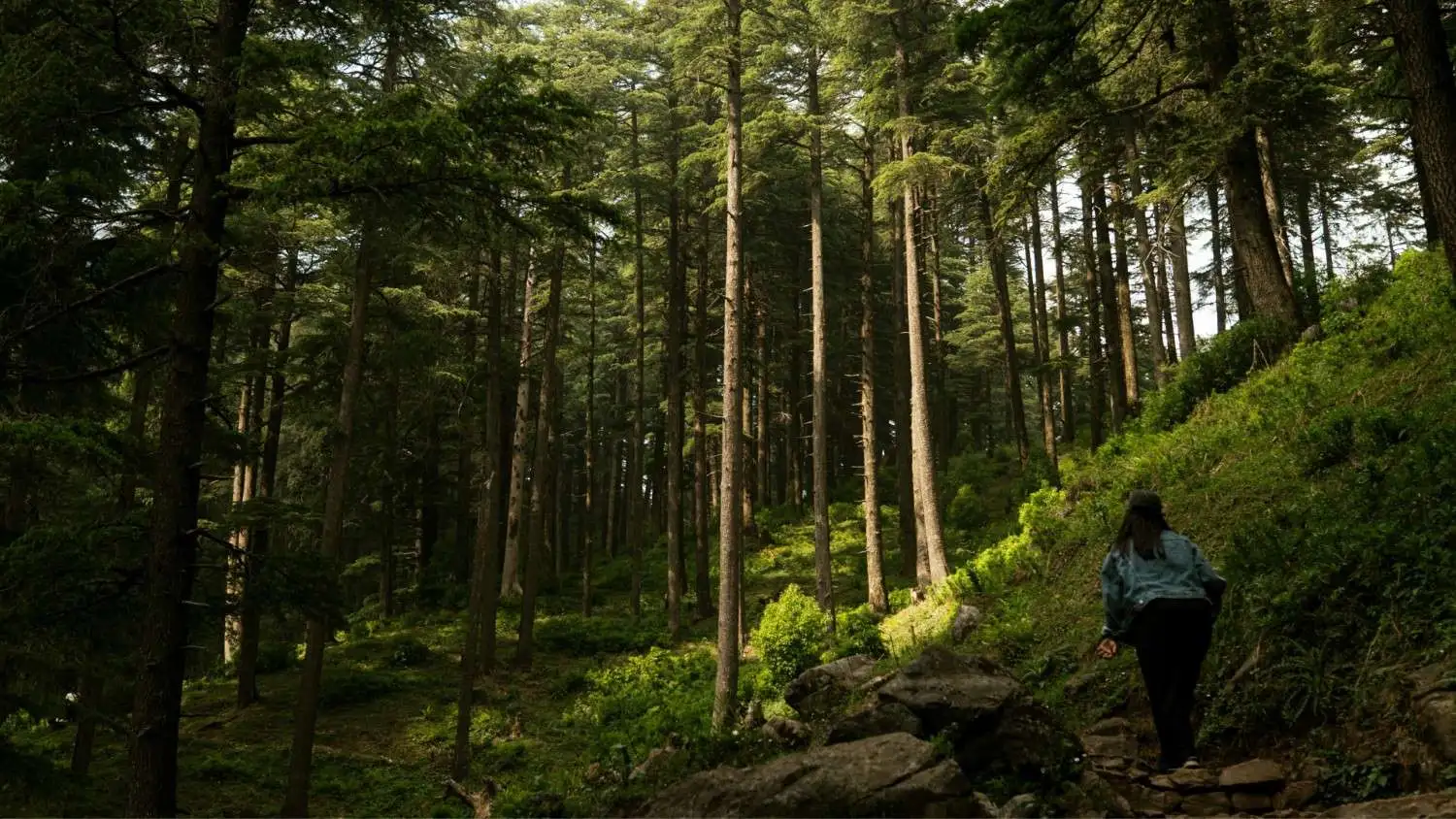
Hiking is a recreational outdoor activity that involves walking on marked trails, forest paths, hills, or nature routes, usually completed within a single day. Usually, people walk near the valley for refreshment and relaxation. Because it is a walk in nature that is completed within a single day, you don’t need heavy packing or essentials for you, but you might pack a backpack with snacks, water, and maybe a light jacket. But generally, in hiking, people go in the morning and eventually return home by evening. Some of the popular places in Nepal for hiking are Ranikot hiking, Namo Buddha Dhulikhel hiking, Jamacho, etc.
Defining Trekking: An Extended Journey
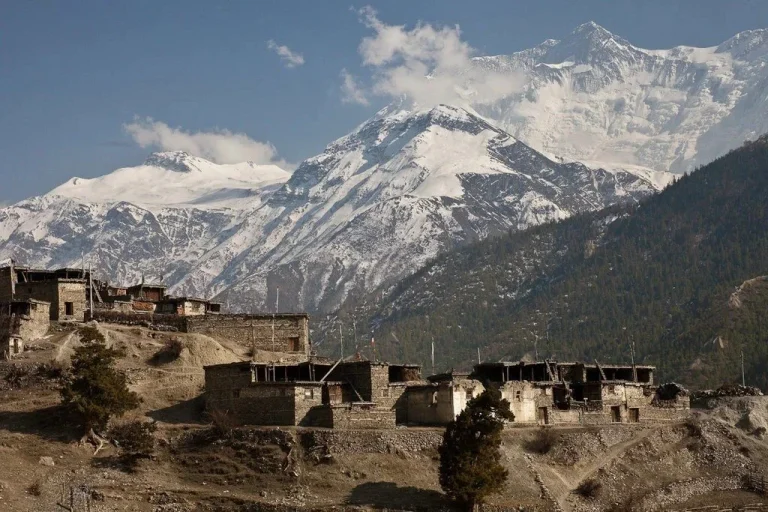
Trekking refers to a multi-day journey through remote or mountainous regions that requires greater physical endurance, planning, and equipment. You need proper preparation for this, more gear, and to stay in a tent or the accommodation along the way. People consider trekking to be more difficult and challenging because it involves going to remote landscapes. Trekking demands physical and mental preparation for a more successful trek. Some of the famous trekking destinations are the Annapurna Base Camp trek, the Everest Base Camp trek, the Mardi Himal trek, the Langtang trek, and so on.
Hiking vs Trekking: The Key Differences
| Factor | Hiking | Trekking |
|---|---|---|
| Duration | A few hours to one day | Multiple days to several weeks |
| Terrain | Easy to moderate, well-marked trails | Moderate to difficult, remote and rugged |
| Fitness Level | Beginner friendly | Moderate to advanced |
| Accommodation | Return home the same day | Tea houses, lodges, or camping |
| Gear | Basic daypack | Specialized multi-day gear |
| Navigation | Marked trails | Remote routes, sometimes unmarked |
| Planning | Minimal | Significant |
| Altitude | Generally low to moderate | Often high altitude |
| Example in Nepal | Nagarkot Day Hike | Everest Base Camp Trek |
Challenge Level and Physical Demands
Hiking: Accessible To Various Fitness Levels
When you think of going for a hike, think of walking through the park, but with more woods and maybe a hill. Most trails are designed for the everyday person and aren’t very challenging, even for the beginner hiker. You don’t need to be a marathon runner to receive a fantastic hike. The trails are usually plain or flat, which makes them appropriate for beginner hikers to walk comfortably without feeling tired quickly. So hiking doesn’t demand good physical fitness, so you don’t need to train for weeks to go for a one-day hike. Hiking is more about enjoying nature and refreshing yourself from a busy schedule.
Trekking: A More Difficult Activity
Trekking, however, is significantly more demanding. Since it entails spending more than one day deep in the outdoors, normally where there are few or no roads, it really increases the stakes on your physical demands. You’re talking longer distances, steeper inclines, and possibly more difficult terrain. Consider lugging a heftier pack for days, contending with variable weather, and just, you know, being out there on your own accord. That sort of prolonged exertion calls for a decent amount of fitness and staying power. It’s not simply a matter of one big blast of energy; it’s more of sustained energy over a longer stretch.
Physical Conditioning for Long Expeditions
Preparing for a trek doesn’t happen over a cup of coffee, either. You are going to want to condition yourself first. So, cardio exercises, such as jogging or cycling, and Strength training are equally important, focusing on your core and your legs, for sure. Wear a backpack loaded with weights on training hikes, too. That gets your body accustomed to the weight and the long distance your body will be working over.
Here’s a quick rundown of what to focus on:
- Cardiovascular Fitness: Aim for activities that get your heart rate up for extended periods.
- Strength Training: Focus on leg muscles (quads, hamstrings, and calves) and your core for stability.
- Endurance Building: Gradually increase the duration and intensity of your training hikes.
- Pack Training: Practice hiking with the weight you expect to carry on your trek.
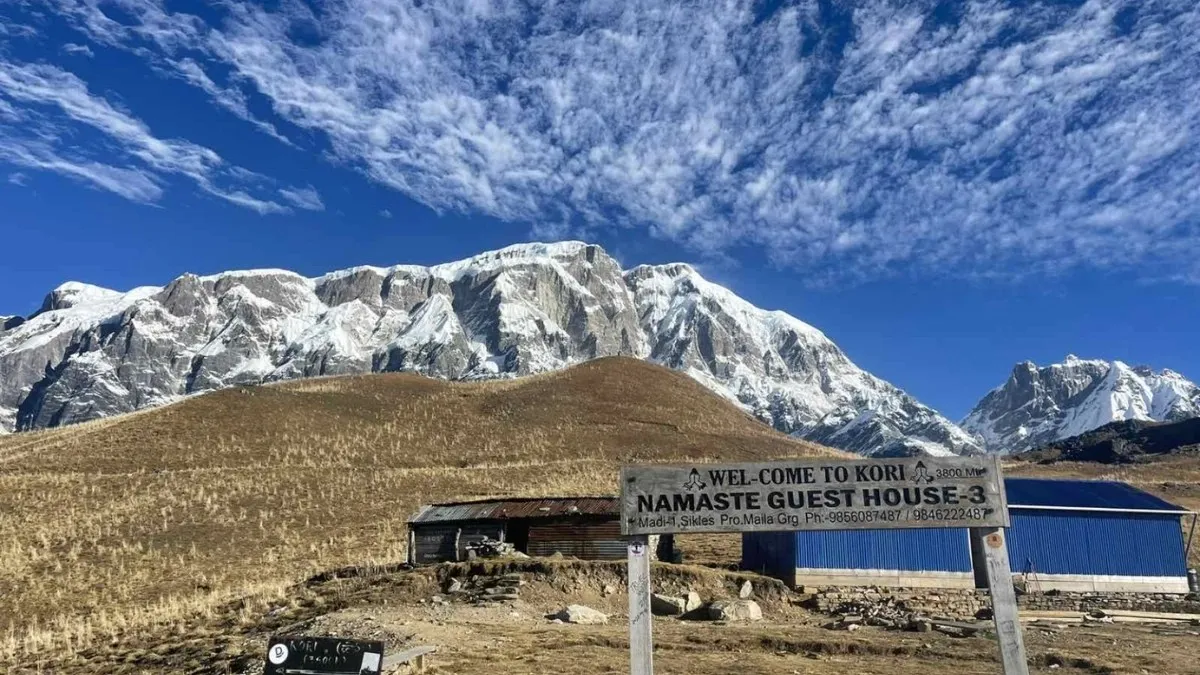
Terrain And Accessibility
Hiking Trails: Variable Difficulty, Relatively Well-Maintained
Trails can truly vary a lot. You could be on a nice, smooth, paved trail through your city park or a rougher dirt trail climbing up an average-sized hill. Most of the more crowded hikes will have trails that are relatively well-maintained, with good signage and possibly even some facilities such as benches or lookout points along the trail. That means that you can hike with a lot of different populations, even if you’re just beginning or don’t have a lot of special equipment. You can generally find trails that suit your ability and the amount of time you can spend.
Explore Hiking Packages:
- Nagarkot Changunarayan Day Hike
- Phulchowki Hiking
- Shivapuri Nagarjun National Park Day Hike
Trekking itineraries: Remote and Demanding Landscapes
Trekking, however, frequently puts you off the map, literally. Consider fewer manicured trails and more rugged, unforgiving landscapes. These trails can be very challenging, with steep ascents, rocky terrain, and even river crossings at times. Since treks tend to be longer, they frequently head into more remote regions where trails are not always evident or maintained. That means you need to be more equipped for changing mountain conditions.
Explore Trekking Packages:
Here’s a quick look at the terrain and accessibility:
| Feature | Hiking | Trekking |
|---|---|---|
| Trail Type | Often well-maintained, clear signage | Can be unmarked, rugged, remote |
| Terrain | Varied, from easy paths to moderate hills | Steep ascents/descents, rocky, challenging |
| Accessibility | Generally easier to access, closer to towns | Often requires travel to remote locations |
| Navigation | Usually straightforward, marked trails | May require map and compass skills, self-reliance |
Essential Gear For Your Adventure
Hiking Pack Must-Haves for a Day Trip
When you’re heading for a day hike, you don’t want too much, only enough. Ask yourself what you’d like to do for a few hours outdoors. The answer is a good daypack, a comfortable one that is just the right size. In it, you want some water, of course, and some snacks; perhaps a sandwich and some trail mix. A light coat is worth carrying; although the forecast appears sunny, the situation can turn cloudy quickly. Be sure to carry a small first-aid kit for minor cuts and scrapes and a map or GPS if you’re venturing into the unknown. Sunscreen and bug spray are good items to carry along, too.
Trekking Gear: Preparedness For Multi-Day Expeditions
When you’re going for a trek, the list of gear grows a little longer since you’re actually carrying everything you need for several days. You’re going to need a larger backpack, likely over 40 liters, since you’ll be carrying all of your gear. You’ve got your shelter: a tent, sleeping bag, and sleeping pad for comfort. Cooking equipment is also a necessity, such as a small portable stove, fuel, and pots and pans. Layers of clothes that can be adjusted for the altering situations are required; oftentimes, the materials that are moisture-wicking work the best. Heavy, broken-in trekking boots with ankle support are a necessity for multi-day treks. Trekking poles can also make a world of difference for support on your knees, notably when going down a mountain.
Here’s a quick look at what separates the two:
| Item | Day Hike (Typical) | Multi-Day Trek (Typical) |
|---|---|---|
| Backpack Size | 15-30 Liters | 40+ Liters |
| Footwear | Hiking Shoes/Boots | Sturdy Hiking Boots |
| Shelter | Not usually | Tent, Sleeping Bag, Pad |
| Cooking Gear | Not usually | Stove, Fuel, Utensils |
| Clothing Layers | Light Jacket | Multiple Layers |
| Navigation Tools | Map/GPS (optional) | Map, Compass, GPS |
So, Hiking or Trekking?
Ultimately, what you call it is up to you; whether it’s a hike or a trek, it’s just a matter of getting outdoors and into the thick of it. Hiking is ideal for a day or short day-long break into the great outdoors, perhaps a few hours or a day-long stint on a trail. Trekking is slightly more serious, typically involving a longer journey, often multi-day, and perhaps a slightly steeper or more isolated destination. A hike is like a nice long walk, and a trek is an expedition, really. Both get you up and going, into the fresh air, and viewing some remarkable landscapes. So choose the one that suits your time, your energy, and what you want to experience. Get your boots on and get going!
At Nepal Outdoor Expeditions, we regularly guide both day hikes around Kathmandu and multi-day Himalayan treks. One of the most common questions we receive from first-time visitors is whether they should choose a hike or a trek. The answer depends on their fitness level, available time, and adventure goals.
FAQs
1. What is the fundamental distinction between trekking and hiking?
The biggest difference is the amount of time you’re there. Hiking is a short adventure, normally done within one day. Trekking is longer, normally done over more than one day or even more than one week, and normally deposits you into more remote situations.
2. Is trekking more strenuous than hiking?
Trekking is usually harder because it is longer, and sometimes, more rugged terrain and more isolated areas are involved. You will be more physically prepared for a trek, yet some hikes are very strenuous as well, depending on the trail.
3. Do I need special trekking gear?
Yes, you will need more gear for trekking because you will be away for more than one day. This usually incurs a larger backpack, camping equipment like a tent and sleeping bag, more supplies and beverages, and clothes for different weather conditions for a longer period of time.
4. Can I hike if I’m not very fit?
Yes! Hiking is fantastic since there are trails for all degrees of fitness. You can begin with short, level trails via city parks. Trekking, however, usually demands higher physical fitness and endurance due to longer hours and an unfriendly climate.
5. What are the types of places where one treks or hikes?
Both of them get you into the outdoors. Hiking could be done within a nearby forest or a popular mountain park. Trekking tends to end up more off the beaten path and wild, such as high mountains, jungles, or deserts, where you can expect fewer other people around.
6. Is trekking more focused on the process or the goal?
While both provide incredible panoramas, trekking is more typically regarded as more journey-centric. Since it takes so very much longer and is more laborious, the process of going through one landscape after another day after day is an enormous portion of the experience.
7. Should I hire a trekking guide?
Not necessarily, but it depends on where you’re headed. In remote or high-altitude locations, it is very advisable to hire a guide for safety and direction purposes. The trails for hikes are usually clearly indicated, and hence you can normally manage without a guide.
8. How should I prepare for trekking?
Endurance comes first. Train with everyday walks and short hikes, and expand the distance and difficulty over time. Leg, core, and back strength training also comes in handy because you will be carrying a bigger backpack on hikes.
9. Do the children trek or hike?
Children can certainly hike along short, gentle trails. Trekking may be too strenuous unless children are older and have previous hiking experience. Never opt for trails beyond their age, ability, and comfort zone.
10. What is the health advantage of trekking and climbing?
Both boost your cardiovascular health, give strength to your muscles, and improve mental health. Trekking offers more endurance training because of the longer hours spent, while walking is best for daily short periods of exercise.
11. Am I going camping when I go trekking?
Not always. There are tea houses, lodges, or homestays on the way for some treks. In some other treks, especially isolated ones, camping is inevitable. You never camp on a hike because you return home the same day.
12. What can I eat on a trek or hike?
For trekking, you can bring along snacks such as nuts, fruits, and energy bars. You will require full meals with carbs, protein, and healthy fats for your body for multi-day treks. Both require proper hydration.
13. Is it safe to hike or trek alone?
Short day hikes along crowded trails are relatively safe alone if you are careful. Solo trekking in remote areas is more hazardous due to the elements, altitude, and orientation issues. You should always inform somebody of your intentions.
14. How does altitude contribute to trekking?
Several of the treks lead into high altitudes where the oxygen is thin. This can lead to altitude sickness if you climb too fast. Hiking typically occurs at lower altitudes; therefore, altitude is not as big an issue.
15. How do I decide whether to trek or hike?
Factors such as your available time, your fitness level, and your goals matter. If you want a short walk into the great outdoors, you can go for a hike. If you want a longer journey, culture, and physical hard work, ‘trekking’ is the one for you.