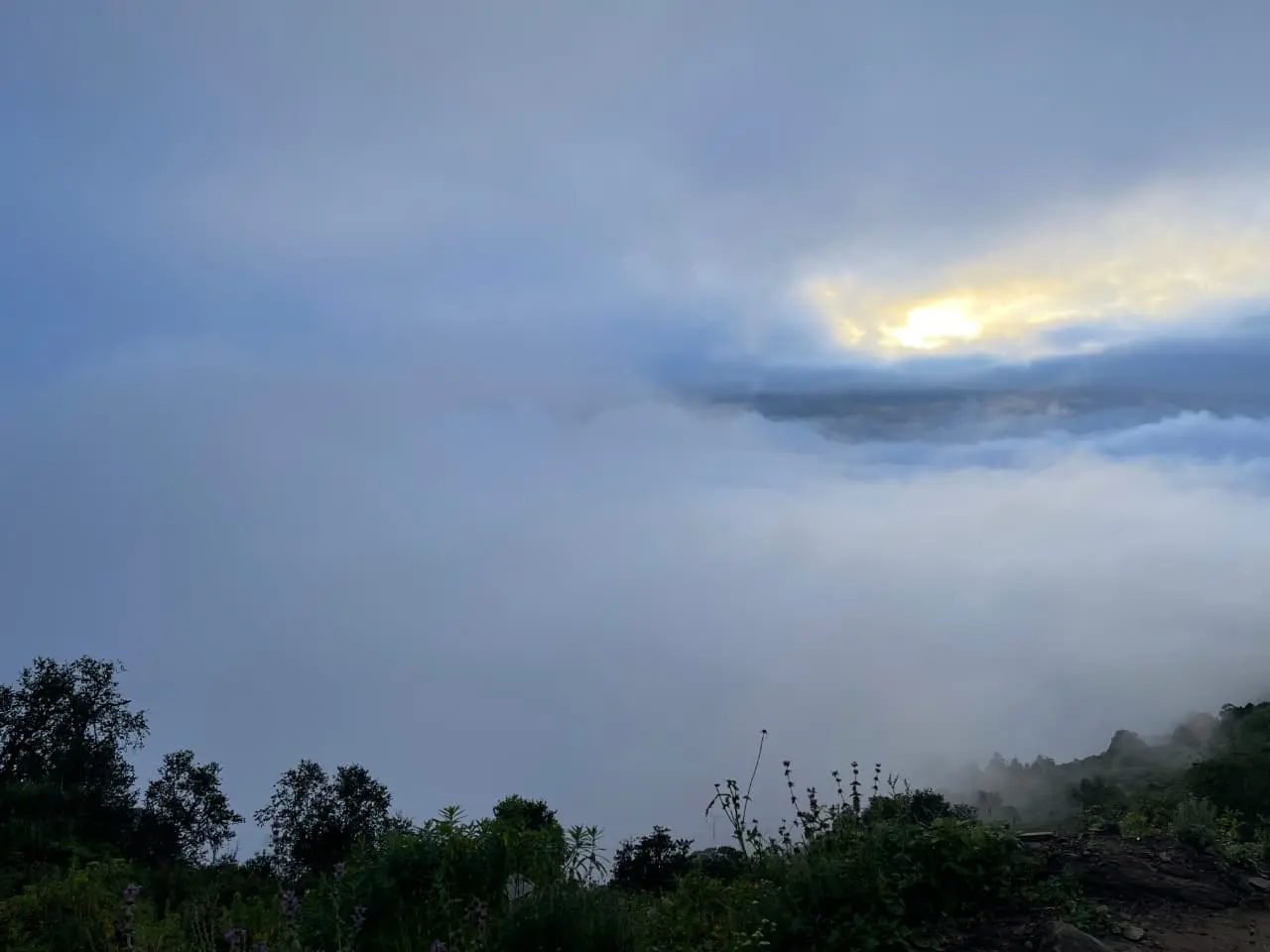
Nepal is experiencing heavy monsoon rainfall this week due to the combined effects of Cyclone Montha from the Bay of Bengal and a western disturbance interacting with the Arabian Sea system. This has caused cloudy skies, rain, snowfall, and strong winds in many parts of the country.
According to the Department of Hydrology and Meteorology (DHM), this system is expected to change weather patterns from October 30 to November 4, affecting Koshi, Madhesh, Bagmati, and Gandaki provinces. The department has issued an advisory warning of potential light to moderate to heavy rainfall, flooding near rivers, landslides, and advised that travel is not allowed in high-risk and danger zone areas.
This weather update is important for anyone traveling in Nepal, whether exploring Kathmandu Valley, trekking in the Annapurna, Langtang, or Everest regions, or touring the Terai plains. Nepal Outdoor Expeditions brings you this guide to help you stay safe, plan effectively, and enjoy your trip during these challenging weather conditions.
Heavy Rainfall, Landslide, and Snowfall Threats
Nepal’s late monsoon has made weather conditions unpredictable. Trekkers, road travelers, and flight passengers should stay alert to several risks:
- Heavy rainfall and snowfall in the high mountains are affecting trekking routes and roads.
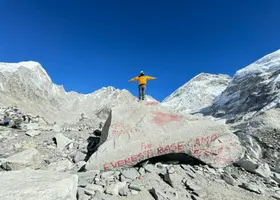
- Landslides and slippery trails in hilly regions, especially on popular trekking routes like Annapurna Base Camp (ABC), Everest Base Camp (EBC), Langtang Valley, and Manaslu.
- Domestic flight delays or cancellations, particularly in Lukla, Pokhara, and Jomsom, are due to low visibility and strong winds.
- Flooding in the Terai plains near rivers such as the Rapti, Narayani, and Koshi is affecting road travel.
These conditions may cause travel delays, safety risks, and require flexibility in planning. Nepal Outdoor Expeditions advises staying informed, following official advisories, and taking necessary precautions before and during your journey.
How This Weather Affects Travel
Trekking and Hiking
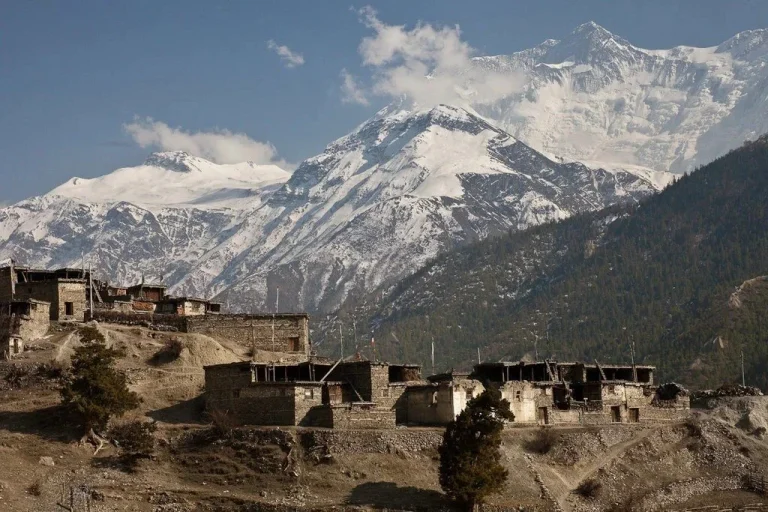
Late monsoon showers have made trails muddy and slippery, especially in the Annapurna, Everest, Langtang, and Manaslu regions. Heavy snowfall in high Himalayan areas has already closed some roads and trekking routes, including parts of the Annapurna Base Camp trail.
Our tourists booked through Nepal Outdoor Expeditions are currently resting safely in Kyanjin Gompa (Langtang Region), just below the Langtang Base Camp area, until the weather clears.
Trekkers may experience reduced visibility, cold temperatures, and unexpected delays. Attempting to continue during heavy rain or snow can increase the risk of slips, injuries, or getting stranded.
Road Travel
Mountain roads can become dangerous due to landslides and washed-out sections. Narrow roads in hill districts and rural areas may face temporary blockages. Driving after sunset is highly discouraged, and travelers are advised to follow the instructions of local authorities and traffic police in high-risk areas.
Domestic Flights
Air travel within Nepal can be affected by low visibility, strong winds, and snowfall at high-altitude airports. Flights to Lukla, Jomsom, and other mountainous regions may face delays or rescheduling. Travelers relying on connecting flights for treks should maintain flexible itineraries and stay updated on airline announcements.
Safety Tips for Tourists
Trekking Safety
- Stay put if necessary: If you are midway through a trek, remain at your current location until conditions improve. Landslides and heavy snowfall can make trails unsafe.
- Experience local culture while waiting: Spend time with locals, relax by a warm fire, and enjoy Nepali hospitality.
- Start early: Begin your trek in the morning when rainfall is usually lighter.
- Carry essentials: Waterproof jackets, rainproof backpack covers, trekking poles, and shoes with a strong grip.
- Avoid dangerous crossings: Do not cross suspension bridges during heavy rain or strong winds.
- Use local guides: If traveling without an agency, hire a trusted local guide and keep their contact number handy.
- Stay updated: Follow daily weather bulletins from the DHM and stay in touch with Nepal Outdoor Expeditions for guidance.
Road Travel Safety
- Avoid driving on mountain roads after sunset.
- Check your vehicle’s condition before long drives.
- Follow instructions from the traffic police and local authorities in landslide-prone areas.
- Drive cautiously on wet, slippery, or narrow roads.
Flight Travel Safety
- Expect possible delays or rescheduling at domestic airports due to strong winds and low visibility.
- Always confirm flight status before leaving for the airport.
- Keep flexible plans for connecting flights or treks that depend on domestic flights.
Region-Wise Travel Update
Eastern Nepal (Taplejung, Ilam, Jhapa)
Light to moderate rainfall is expected, especially in the evenings. Roads connecting hill districts may become slippery. Travelers are advised to avoid overnight treks and drives.
Central Nepal (Kathmandu, Bhaktapur, Lalitpur, Chitwan, Makwanpur)
Irregular rainfall may cause minor traffic disruptions. In the Kathmandu Valley, short urban floods could occur due to heavy rain. Flights may also experience short delays due to low visibility.
Western Nepal (Pokhara, Myagdi, Kaski, Manang, Mustang)
The Pokhara region may face heavy rainfall at times. Trekking routes toward the Annapurna and Ghorepani Poon Hill may be muddy and slippery. Carry rain covers and waterproof footwear. Roads to Manang and Mustang remain closed due to heavy snowfall.
Far-Western Nepal (Doti, Bajura, Darchula, Kailali)
There is a lower chance of rain in this region. Forecasts indicate light showers in some western areas. Rural road conditions may worsen temporarily, but air travel from Dhangadhi remains mostly unaffected.
Alternative Plans During Bad Weather
- Explore Local Culture
If outdoor trips are not possible, consider spending your time learning Nepali cooking, attending cultural dance performances, or visiting art galleries and monasteries. - Visit Weather-Safe Regions
Short city tours and low-altitude areas remain accessible even during light rain. - Spa and Wellness Retreats
Several wellness centers in Kathmandu and Pokhara offer spa treatments and yoga retreats—perfect options during wet weather.
How Nepal Outdoor Expeditions Supports Safe Travel
At Nepal Outdoor Expeditions, traveler safety and comfort are our top priorities. During changing weather conditions, our team provides:
- Daily weather briefings for trekking groups.
- Flexible itinerary adjustments if routes are closed.
- Emergency coordination with local authorities.
Travelers can contact us directly for updated weather information, rescheduling, or guidance about safe routes. If needed, contact the Tourist Police at the toll-free number 1144 or 100 for real-time assistance.
For the bigger picture on this same season, our guide to tourism in Nepal during the rainy season covers the challenges and opportunities monsoon travel brings.
Stay Alert, Stay Informed, and Travel Smart
The period from October 30 to November 4 marks an unusual return of monsoon rainfall in Nepal. While it may temporarily disrupt travel, it also refreshes the landscapes and greenery, offering a unique perspective of Nepal’s natural beauty.
By taking proper precautions and staying informed, travelers can safely enjoy trekking, sightseeing, and cultural experiences. Nepal Outdoor Expeditions encourages all visitors to prioritize safety, follow local guidance, and embrace Nepal’s warmth and hospitality even during the monsoon.