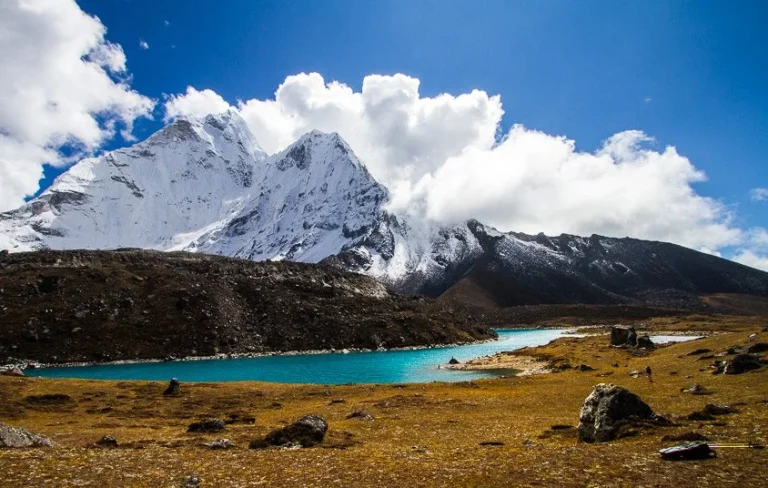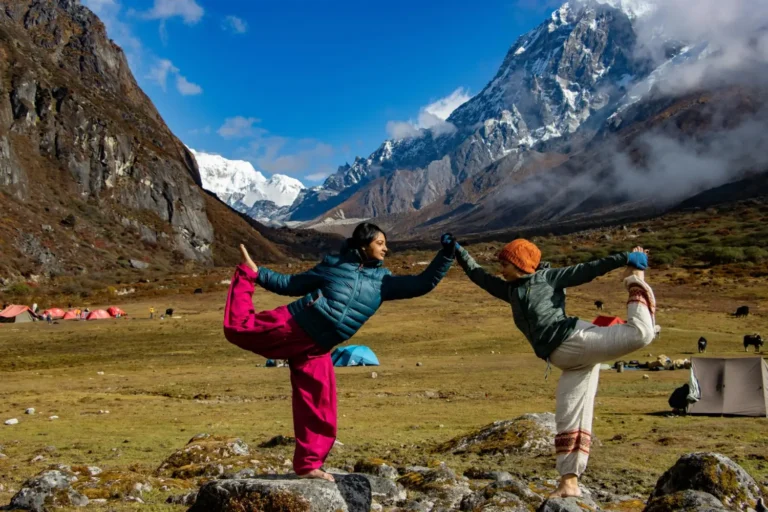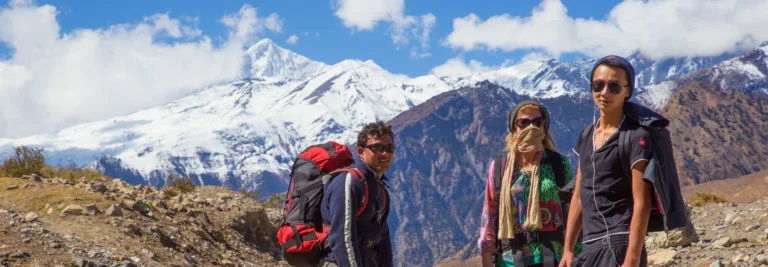
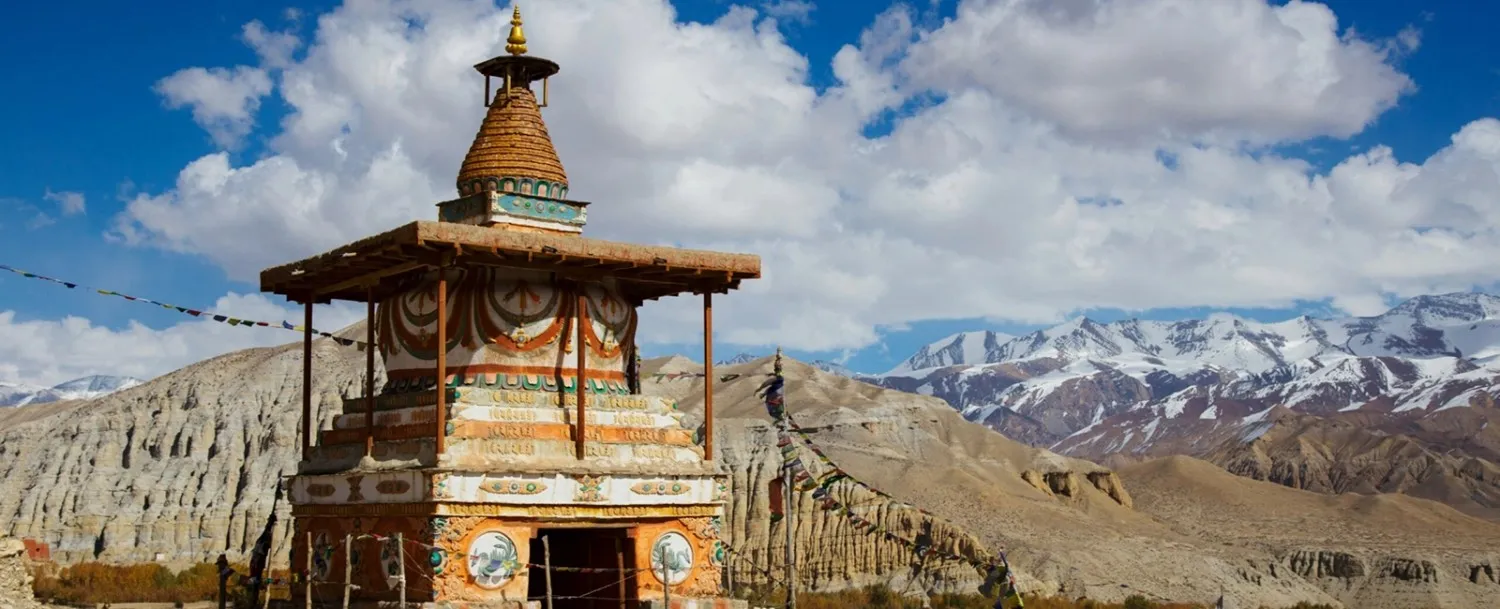
Hidden away in the recesses of the Nepalese Himalayas, the Nar Phu Valley trek is one of those rare treks that still retains a sense of discovery. Unlike treks such as Everest Base Camp or the Annapurna Circuit, which attract thousands of trekkers every single season, the Nar Phu Valley trek remains quiet, raw, and untouched.
You might be a seasoned trekker on the lookout for your next big adventure, or you might be a traveler looking for a taste of the Himalayas without bumping into a crowd at every turn. Whatever you are, the Nar Phu Valley trek has something that is increasingly difficult to find in today’s overcrowded world: a sense of wilderness, a sense of stillness, and a sense of wonder.
What makes this trek special is not so much the spectacular mountains, although we can assure you there is no shortage of those. It is the complete package. You will see remote canyons, ancient monasteries that have been there for centuries, and a culture that has not changed a great deal in the past century or so.
With our guide, we will take you through the ins and outs of the Nar Phu Valley Trek, including information on how to get the necessary permits, when the best time of year is, and what you can expect when you are there.
Quick Facts About Nar Phu Valley Trek
- Location: Annapurna region of Nepal, northeast of Pokhara, near the border with Tibet
- Duration: 10-16 days (depending on route and itinerary extension to Annapurna Circuit)
- Difficulty Level: Moderate to Challenging (due to remote terrain and high-altitude passes)
- Maximum Elevation: Kang La Pass (5,320 meters / 17,454 feet)
- Best Seasons: Spring (March-May) and Autumn (September-November)
- Permits Required: Restricted Area Permit (Nar Phu Valley), Annapurna Conservation Area Project (ACAP Permit)
Why Choose Nar Phu Valley Trek
If you’re someone who has been on a few treks in Nepal and has started to think that every single trail seems to lead to the same tea house, the same crowd of people, and the same Instagram backdrop, then Nar Phu Valley is a place that will remind you of all the reasons why you started trekking in Nepal in the first place.
There are no queues of people waiting to get to a viewpoint with no sound of the next group of people catching up behind you and no sense of being one of hundreds of people making their way through a particular spot on a particular day.
There’s just you, and you are making your way through a beautiful valley. That kind of silence and stillness is becoming harder and harder to find in Nepal’s popular trekking trails, but Nar Phu Valley is one of a few places that has managed to hang on to it.
But solitude is only one aspect of it. The culture here is different from anything you will experience on the Everest or Annapurna treks. The villages of Nar and Phu are a Tibetan Buddhist way of life, and it is completely unfiltered. Monasteries from ancient times clinging to cliffsides, mani walls along the trail, and people going about their day without a care in the world or a need to appease visitors.
It does not feel like a cultural experience for visitors. It feels like you are being allowed a glimpse of something that was never intended to be a tourist experience. And then there is the scenery. It is raw and unfiltered in a way that even photographs do not do justice.
The canyon walls tower above you, rivers come crashing down through glaciers, and mountains rise above all of it, still and untouched. It is not surprising that those who have been on this trek speak of it in a way that they do.
Nar Phu Valley Trek Route Overview
The trek begins in Koto, a small and somewhat hard-to-see village located along the Annapurna Circuit in the Manang district. Koto may not look like a very promising place at first glance, but it is where it all begins. It is where you leave the main circuit and get your restricted area permit stamp before taking your first steps into a valley that most trekkers pass by without ever giving it a second thought.
Most trekkers arrive at Koto by jeep or bus from either Besisahar or Chame, which means you avoid the lower-altitude days and get into the interesting stuff a little faster. As soon as you leave the main circuit and the gorge begins closing in around you, the trek suddenly changes. It becomes a lot more peaceful, a lot more wild, and a lot more interesting.
The trail passes through a series of small villages, each of which is well worth taking a closer look at. Meta is usually the first place trekkers stop, and it is where the Tibetan influence first really becomes apparent. Further down, Phu is reached, one of the most remote villages in the entire Annapurna region.
At high altitude with mountains in every view, Phu is one of those places that makes one wish to spend another night even though the schedule says otherwise. Nar comes later in the trek, at a slightly lower altitude but equally captivating, with centuries-old monasteries and a village atmosphere that is hard to leave behind.
And then there is the Kang La Pass at around 5,320 meters. Now this is where the trek really lives up to its reputation. It is a hard climb. No point in pretending otherwise. Your lungs will work overtime, and your legs will feel the strain.
But when you haul yourself up onto the ridge and the view of the Annapurna and Manaslu ranges unfolds before you, you realize that every step of the way has been worth it. The descent from the top of the Kang La Pass takes you back down toward the Annapurna Circuit in the vicinity of Ngawal.
This is perhaps one of the smartest things about the Nar Phu Valley trek: it connects so beautifully with the Annapurna Circuit that you can easily incorporate it into a larger Annapurna Circuit adventure without it feeling like a detour. It feels like the next chapter in the same adventure.
Trek Insights
Best Time to Do Nar Phu Valley Trek
Picking the right time of year to do this trek is honestly one of the most important decisions you will make when planning this trip. The season you choose will greatly impact everything, from how safe it is to whether or not you will be able to see those mountains or if you will be looking at nothing but a thick layer of clouds the entire time. Here is a simple breakdown of what each season is really like:
- Spring (March to May): This is one of the best seasons of the year to do this trek. It is warm, the sky is clear, and the rhododendron forests at the lower altitudes of this trek are simply gorgeous when they are blooming.
- Autumn (October to November): Many trekkers will tell you this is the best time of year to do this trek. The monsoon has come through and washed the sky clean, so the views are incredible.
- Monsoon (June to September): Experienced trekkers avoid this time. The trails are slippery, rivers are unpredictable, and you are unlikely to get a glimpse of the views you have come for. While there is less rainfall in Nar Phu than in southern Nepal because of its rain shadow, there is still a threat.
- Winter (December to February): It is quite cold up here, and snowfall might completely block Kang La Pass. Not recommended unless you are a seasoned trekker who has done this before.
Permits and Regulations
Nar Phu is not a place where you can plan on a whim, or at least not until you have worked out all the details. It is a restricted area, and there are a few things you have to arrange before you put your boots on. Nothing too complex, but it is something that requires advanced planning:
- Restricted Area Permit: This one has to be arranged through a registered trekking agency in Nepal. You cannot do this on your own at a check point, and this is part of the reason why this valley is so peaceful and remote. Be sure to check the cost of this permit because it increases during the peak season.
- Annapurna Conservation Area Permit (ACAP): This permit is easier to get compared to the previous one. You can collect this permit at the Nepal Tourism Board offices in Kathmandu or Pokhara before the trip commences.
- Mandatory Guide Requirement: This requirement comes as a surprise to a lot of trekkers. Unlike other treks in Nepal, where a guide is optional, this trek makes it compulsory. It is not optional; it is required when passing through check points. However, this is a place so remote and so full of culture; a guide is well worth every rupee spent on him/her.
Accommodation and Food
Don’t come to the Nar Phu Valley expecting the sort of tea houses you’ll find on the Everest Base Camp trek. Things are a lot simpler out here, and to be frank, that is part of the appeal. The lodges on the trekking route are simple affairs run by a single family who do everything from cooking your food to making your bed.
You’ll get a room with a bed and a blanket, and that is about it. Attached bathrooms are not something you should expect, hot showers are a bonus when you do find them, electricity becomes scarcer the further you get into the valley, and if you’re the sort of trekker who requires a certain level of comfort to have a good time on a trek, you really should have a word with yourself before booking this trek.
However, if you’re the sort of trekker who is willing to let go of a few comforts, there is something rather wonderful about sleeping in a family home at the edge of a remote valley in the Himalayas with nothing but mountains to look at.
The food follows a similar pattern. In the lower sections of the route, you will find all of the trekking standbys that Nepal does well. Dal bhat, noodle soup, fried rice, eggs prepared in a few different ways, and whatever local vegetables are in season. Dal bhat is always a safe bet because it is made fresh, it is filling, and it will give you the kind of energy you need.
As you move further towards Phu and Nar, the menus get smaller and the ingredients get much less varied. This is because these towns are so far removed from a regular supply route that you would be foolish to expect variety, and you will understand this once you see where they are.
Bringing your own snacks or energy bars for these sections of the route will be a good idea. The food will not be memorable in any way, but eating a meal of some kind with your guide and a local host family after a hard day of hiking will be warm in a way that makes up for what is lacking on your plate.
Culture and Lifestyle in Nar and Phu
Nar and Phu do not feel like they have been developed for travelers. They feel like they have been living their own lives for centuries. The Tibetan Buddhist culture is not something that has been set up for travelers. It is something that is infused in every single thing you see, hear, and feel the moment you arrive. Here is a brief taste of what that looks like in the real world:
Prayer flags and mani stones: Everywhere you will see these along the trail and between the rooftops in the villages. The mantras on the mani stones have been here for centuries, and walking past them every day is almost a meditation in itself.
- Monasteries: Some of the oldest in the entire Annapurna region are located right here in these two villages. Walking into a monastery, with its ancient murals, its holy statues, and the smell of burning butter lamps, is one of those experiences that will literally stop you in your tracks.
- The monks: They are not performing for anyone. They are simply living the way their community always has. Being welcomed into that space, even for a brief period of time, is something that most trekkers report they will never forget.
- Daily life: Farming, herding, and the migration between pastures have been a part of the rhythm here for as long as anyone can remember. Many families continue to do things the same way today, largely untouched by the changes the rest of the world has seen.
The isolation that kept these communities hidden is the very same thing that has preserved all the things you will see here. Hiking through the areas of Nar and Phu, you get the feeling that you are walking through something ancient and alive, and that is something that is worth more than any view in the entire country.
Packing List and Preparation
Packing for Nar Phu Valley involves a bit more planning than your average trek. You are going to a remote area of high altitude where the weather can change in an instant. The last shop is a long way behind you. Getting your gear sorted out before you go is not just a matter of comfort; it is a matter of safety. This is what you need to bring:
Essential Gear
The gear you carry into Nar Phu can genuinely make or break your experience up there. Do not cut corners on the big-ticket items:
- Trekking poles: Your knees will thank you on the long descents, especially after Kang La Pass
- Sleeping bag: Rated to at least minus 10 to 15 degrees Celsius. Tea house blankets alone will not cut it in the upper sections
- Headlamp: Electricity is unreliable out here and you will need it more than you think
- Backpack: A comfortable 50 to 60 litre pack with a rain cover
- Water purification: Purification tablets or a filter bottle for safe drinking water on the trail
- Trekking boots: sturdy, waterproof, and already broken in before you arrive
Clothing
Layering is everything at this altitude. The mornings and evenings can be bitterly cold even when the midday sun feels surprisingly warm:
- Base layers: Moisture-wicking thermal tops and bottoms to keep you dry on the move
- Insulating mid layer: A good fleece or down jacket for the cold hours
- Outer shell: A windproof and waterproof jacket that can handle whatever the mountain throws at you
- Trekking trousers: Lightweight but warm, and quick-drying if they get wet
- Warm hat and gloves: non-negotiable once you are above 4,000 meters
- Sun hat: The sun at high altitude is stronger than it looks
- Wool or thermal socks: bring more pairs than you think you need
Health and Safety Items
This is the section people tend to underpack for, and it is honestly the most important one. Being this far from medical help means you need to be your own first line of response:
- Altitude sickness medication: Diamox is worth discussing with your doctor before the trip
- Basic first aid kit: Blister plasters, bandages, antiseptic wipes, and pain relief at a minimum
- Sunscreen and lip balm: SPF 50 or higher. The UV exposure at altitude is serious and catches a lot of people off guard
- Hand sanitiser: Facilities in remote tea houses are basic and hygiene matters more than ever out here
- Personal medications: Whatever you take regularly, bring more than enough plus a little extra just in case
- Travel insurance documents: Make sure your policy covers high-altitude trekking and helicopter evacuation. This is not optional in a place this remote
Altitude Sickness and Safety Tips
Altitude sickness is one of those things that every trekker going into Nar Phu Valley needs to be very serious about. It does not care how fit you are, how many treks you have done before, or how young you are. It can happen to anyone, and when you are going to be at such an altitude, it is not a risk you want to take. The good news is that it is very easily managed if you get it right and use a bit of common sense. This is what you need to know:
- Symptoms to watch out for: Headaches and dizziness are usually the first signs of altitude sickness. Nausea, loss of appetite, tiredness, which seems much heavier than normal, and difficulty sleeping are all signs of altitude sickness. If your symptoms start to get a bit more serious, such as confusion, difficulty balancing, or difficulty breathing when you are resting, then you need to take immediate action.
- Prevention: The first rule is to take it slow. Drink lots of water during the day. Avoid alcohol, especially during the first few days. Eat even if you do not feel like it. And listen to your body. Do not push yourself even if you wish to stick to your schedule.
- Acclimatization strategy: The golden rule for any high-altitude trek is to climb high and sleep low. Avoid an increase in sleeping altitude of more than 300 to 500 meters per day if you’re above 3,000 meters. A proper rest day, especially before crossing the Kang La Pass, is not laziness. It is simply smart trekking.
- Medication: Diamox is the most common form of medicine used for the prevention of AMS. It is worth talking to your doctor about before you leave home. Take it with you even if you’re feeling great. Conditions change quickly at high altitudes.
- Emergency Considerations: If a member of your group is showing severe symptoms, descending immediately is the best decision. Do not wait and hope the person improves the following day. Ensure that your travel insurance covers a helicopter evacuation because in a valley so remote, this could potentially be your only option in a true emergency.
FAQs
Do I need a special permit to trek in Nar Phu Valley?
Yes, you do. The area where the trekking village of Nar Phu is located is a restricted area, which means you will require a Restricted Area Permit in addition to the Annapurna Conservation Area Permit. The permit for the restricted area needs to be arranged in advance by a trekking agency in Nepal. It cannot be arranged at the local checkpoint.
How difficult is the Nar Phu Valley Trek compared to the Annapurna Circuit?
It is a step up from the usual Annapurna Circuit route, mainly because of its remoteness and the crossing of the Kang La Pass at about 5,320 meters. The trails are less maintained, the altitude is more serious, and there is much less in terms of infrastructure to rely on if things go wrong. A decent fitness level and some trekking experience will go a long way here.
Is it possible to do the Nar Phu Valley Trek without a guide?
No, and that is not a rule you can get around. A licensed guide is a must inside the restricted area, and it is checked along the route. Beyond that, though, having a guide in such a remote area is actually useful. The trails aren’t always well-marked, and the cultural richness of the valley is something that a good guide will help you understand, not just walk past.
What is the best time of year to trek in Nar Phu Valley?
The best time is during spring from March to May or autumn from October to November. During these periods, you get good weather with clear views of the mountains. Autumn is slightly better for views since the monsoon has cleared the atmosphere. The monsoon or winter is possible but have their own challenges that you might not wish to take.
How many days are required to complete the Nar Phu Valley Trek?
The treks take anywhere from 14 to 18 days, depending on where you start from and if you’re doing it with the Annapurna Circuit. Don’t even think of rushing this trek since you’re at high altitude. Take your time to actually enjoy the trek instead of surviving it.